Your Notifications
All done, no notifications

Angioplasty Cost in India

Costs starts from USD3000 to USD4500
Filters

How Much Does Angiography Cost in India?

The cost of Angiography in India typically ranges between USD 3000 - USD 4500. However, this cost can vary depending on several factors, including the type and severity of the condition, treatment techniques chosen, the healthcare facility's location and reputation, the treating professionals' experience and specialization, and the patient's overall health status.

Additionally, factors like the duration of treatment, the need for follow-up care, and the use of advanced technologies or specialized treatments can further influence the overall cost.

Factors Influencing the Cost of Angiography:

Angiography is an image generated through advanced medical practice where blood vessels, as well as organs, are seen to determine proper functioning. It also aids in identifying the condition of blood vessels which involves blockage, narrowing, bulging, or even tumor. Contrast medium is used in most cases and may be given by way of X-ray, CT (computerized tomography), or MRI (magnetic resonance imaging). It provides precise and real-time images of the vascular system which helps in proper planning and carrying out the procedures like angioplasty or stent. Types of Angiography: These include coronary angiography cerebral, peripheral, pulmonary, and renal angiography.

Cost of Angioplasty in Major Cities of India

CityMinimum Cost (USD)Minimum Cost (INR)Maximum Cost (USD)Maximum Cost (INR)
AhmedabadUSD 2700231228USD 4050346842
BangaloreUSD 3000256920USD 4500385380
ChennaiUSD 3000256920USD 4500385380
DelhiUSD 3000256920USD 4500385380
Delhi NcrUSD 3000256920USD 4500385380
FaridabadUSD 3000256920USD 4500385380
GhaziabadUSD 3000256920USD 4500385380
GurgaonUSD 3000256920USD 4500385380
GurugramUSD 3000256920USD 4500385380
HyderabadUSD 3000256920USD 4500385380
KochiUSD 3000256920USD 4500385380
KolkataUSD 3000256920USD 4500385380
MohaliUSD 2700231228USD 4050346842
NoidaUSD 3000256920USD 4500385380
PanjimUSD 2700231228USD 4050346842
PuneUSD 2700231228USD 4050346842

Angioplasty Cost : A Global Comparison

CountryMinimum CostMinimum Local CurrencyMaximum CostMaximum Local Currency
CzechiaUSD 2500CZK 55050USD 5000CZK 110100
HungaryUSD 5000HUF 1785400USD 10000HUF 3570800
IndiaUSD 3000INR 256920USD 4500INR 385380
IsraelUSD 7500ILS 26550USD 14218ILS 50332
LithuaniaUSD 3500LTL 11972USD 5500LTL 18814
MalaysiaUSD 10000MYR 42400USD 15000MYR 63600
MoroccoUSD 3500MAD 32305USD 8000MAD 73840
PolandUSD 1737PLN 6531USD 5831PLN 21925
Saudi ArabiaUSD 2753SAR 10324USD 6745SAR 25294
SingaporeUSD 25000SGD 32250USD 45000SGD 58050
South AfricaUSD 5000ZAR 89850USD 15000ZAR 269550
South KoreaUSD 10000KRW 13759800USD 20000KRW 27519600
SpainUSD 13470ESP 1980627USD 20000ESP 2940798
SwitzerlandUSD 8500CHF 7055USD 10500CHF 8715
ThailandUSD 6000THB 196260USD 8000THB 261680
TunisiaUSD 5000TND 14900USD 10000TND 29800
TurkeyUSD 4050TRY 158193USD 5500TRY 214830
United Arab EmiratesUSD 4500AED 16515USD 10000AED 36700
United Kingdomget request

Need Help Planning Your Treatment Abroad?

Your 24/7 AI Health Assistant

A minimally invasive medical technique called an “angioplasty” is done to open up clogged or restricted arteries.

Peripheral angioplasty is often used to enhance blood flow to the legs, and carotid angioplasty, and coronary angioplasty, are conducted to improve blood flow to the brain. A catheter is placed into the constricted artery during the surgery, and at the tip of the catheter is a deflated balloon. Once in place, the balloon is inflated to expand the artery and start blood flow again by pressing the plaque up against the walls of the artery. To help keep the artery open, a stent—a tiny mesh tube—may occasionally be inserted. Conditions like carotid artery stenosis, peripheral artery disease, and coronary artery disease are frequently treated using angioplasty.

Conditions like carotid artery stenosis, peripheral artery disease, and coronary artery disease are frequently treated using angioplasty. Vascular surgeons or interventional cardiologists usually carry it out in a specialized catheterization laboratory (cath lab). Compared to open surgery, angioplasty is less invasive and linked to quicker recovery periods and fewer problems.

The objectives of angioplasty are to reduce cardiac injury after a heart attack, alleviate symptoms such as angina (chest pain), reopen normal blood flow through narrowed or blocked arteries, and prevent subsequent cardiovascular events such as heart attacks or strokes.

If you experience chest pain, shortness of breath, fatigue, dizziness, or symptoms of a heart attack such as severe chest pressure, arm or jaw pain spreading to the chest, sweating, or nausea, you need to see a doctor. Early medical evaluation can enhance outcomes and dramatically reduce the risk of complications.

Patients are often required to fast, stop taking some medications temporarily, and make arrangements to go home after the procedure. ECG, echocardiogram, stress tests, blood work, and coronary angiography are all potentially involved in the preparation.

  • Balloon Angioplasty: The balloon is inflated to dilate the artery.
  • Stenting: A little mesh tube (stent) is usually implanted to keep the artery open.
  • Drug-Eluting Stents: Coated with medicine to prevent re-narrowing. The procedure is usually performed under local anaesthesia with minimal sedation.

The typical length of an angioplasty procedure takes anywhere from half an hour to two hours. Then, you'll recuperate at the hospital. You can ask your healthcare professional for a better idea of what to expect regarding the hospital stay overall.

  • Irregular heartbeats, or arrhythmias
  • An allergic response to the anaesthesia or contrast dye
  • Damage to the kidneys or blood vessels
  • Clots of blood
  • A heart attack
  • Low blood pressure

By restoring circulation, avoiding heart attacks, and minimizing the necessity for open heart surgery, angioplasty can quickly relieve the symptoms of blocked arteries. It can significantly improve physical function and quality of life.

Most patients recover within a week and can resume their usual activities. Follow-up imaging, cardiac rehabilitation, medication, and lifestyle changes are necessary for long-term success and prevention of recurrence.

Angioplasty success rates vary depending on several factors, such as the type of angioplasty, the blocked artery, the degree of the blockage, age, and general health.Over 90 percent of the patients have their blocked blood vessels near the heart opened successfully with angioplasty. The blood artery is often re-blocked at the point where the balloon was inflated in approximately 30 to 40 percent of the patients.

Top Selling Packages for Angioplasty

Angioplasty
Angioplasty

Aakash Healthcare Super Speciality Hospital, Delhi, India

USD 3900 USD 4680

Angioplasty
Angioplasty

Amrita Hospital, Faridabad, India

USD 4250 USD 4500

Would you like some help? We are available.

Get Help
Explore Hospitals ( 72 )
Angioplasty in Asian Institute of Medical Sciences: Costs, Top Doctors, and Reviews

Faridabad, India

  • National Accreditation Board for Testing and Calibration Laboratories (NABL)
  • National Accreditation Board for Hospitals & Healthcare Providers (NABH)

Asian Institute of Medical Sciences located in Faridabad, India is accredited by NABH, NABL. Also listed below are some of the most prominent infrastructural details:

  • 425 bed capacity
  • Preventive and diagnostic sevices of the hospital are its strength.
  • It is also well recognised for the therapeutic and rehabilitative services.
  • For patients who need end process care for advanced healthcare conditions, the palliative services that the hospital provides are a boon.
  • The healthcare delivery of AIMS, Delhi/NCR is focused on patient care.
  • Research focused organisation
  • International Patient care center is present to liason with medical travellers
  • Focus on Academics, various healthcare educational programmes
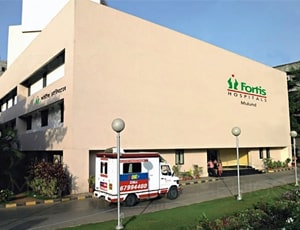
Angioplasty in Fortis Hospital, Mulund: Costs, Top Doctors, and Reviews

Mumbai, India

  • Joint Commission International, or JCI
  • National Accreditation Board for Hospitals & Healthcare Providers (NABH)

Fortis Hospital Mulund, located in Mulund West, Mumbai, is a premier healthcare facility providing excellence in multi-speciality healthcare for over 20 years. The global leader in advancing medical technology and clinical expertise, the hospital offers specialities including Cardiology, Neurosciences, Oncology, Transplants, and Orthopaedics. The hospital is well-known for being the largest transplant center in Maharashtra and offers advanced treatment options, including Transcatheter Aortic Valve Implantation (TAVI) and stereotactic precision radiotherapy for cancer. Fortis Mulund is equipped with a 24/7 Emergency Department and International Patient Unit to provide world-class patient-centric care.

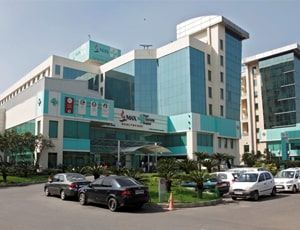
Angioplasty in Max Super Speciality Hospital, Saket: Costs, Top Doctors, and Reviews

Delhi, India

  • Joint Commission International, or JCI
  • National Accreditation Board for Hospitals & Healthcare Providers (NABH)

Max Smart Super Speciality Hospital, Saket, is a 250-bed tertiary care hospital awarded NABH accreditation, which provides advanced medical care in various specialities such as Cardiac Sciences, Orthopaedics, Neurology, Urology, Kidney Transplant, Paediatrics, and Obstetrics & Gynaecology. The hospital provides quality, safe, integrated, and patient-centric medical care using modular OTs, ICUs, Cath Labs, CT, MRI and Dialysis units.

Angioplasty in Manipal Hospital, Hebbal: Costs, Top Doctors, and Reviews

Bangalore, India

  • National Accreditation Board for Testing and Calibration Laboratories (NABL)
  • National Accreditation Board for Hospitals & Healthcare Providers (NABH)

Manipal Hospitals, a group of Manipal Education Medical Group, is India’s leading multi-speciality network, comprising over 650 beds. Dedicated to clinical excellence, patient-centric care and ethical practices, it provides sophisticated diagnostics, surgery and home care services to both domestic and international patients, while also improving access to affordable healthcare for underprivileged communities.

Angioplasty in Clear Medi Hospital, Karkardooma: Costs, Top Doctors, and Reviews

Delhi, India

  • National Accreditation Board for Hospitals & Healthcare Providers (NABH)
  • National Accreditation Board for Testing and Calibration Laboratories (NABL)

Clear Medi Hospital, Karkardooma located in New Delhi, India is accredited by ISO. Also listed below are some of the most prominent infrastructural details:

  • There are 12 Linear Accelerators in all hospitals of Clear Medi Hospital, Delhi, India and more in the development stage.
  • Over 25 surgical and medical specialties across all Clear Medi Hospitals
  • Care Medi is one of the biggest Oncology care organisations in India.
  • Hospital management solutions provided to over 15 partner healthcare organisations managing more than 300 beds.
  • The organisation consists of offerings such as clinical manpower management and equipment management.
  • Advanced radiology and nuclear medicine centres
  • Professionally managed international patient care
  • Clear Medi Hospital, Delhi has a capacity of 100 beds.
  • Clear Medi is a multispecialty hospital.
  • It is a NABH (National Accreditation Board for Hospitals & Healthcare providers) certified hospital.
  • It has Oncology and Cardiac departments with an Intensive Care Unit.
  • It also has fully equipped Operation Theatres.
  • Clear Medi Hospital ensures coordination with patients and International Patient assistance
  • It has an online Tumor Board with a number of Medical, Surgical and Radiation Oncologists.
Angioplasty in VPS Rockland Hospital: Costs, Top Doctors, and Reviews

Gurgaon, India

  • National Accreditation Board for Hospitals & Healthcare Providers (NABH)
  • National Accreditation Board for Testing and Calibration Laboratories (NABL)

VPS Rockland Hospital located in Gurugram, India is accredited by NABH, NABL. Also listed below are some of the most prominent infrastructural details:

  • Well-designed compact 103-bed hospital expanding over120,000 square feet
  • Well equipped modular operation theatres, intensive care unit, interventional Cath lab, and in-patient rooms ranging from economy to luxury
  • Offers a bouquet of services like Internal Medicine, Obstetrics & Gynaecology, Surgery, Pediatrics
  • High-end diagnostic services like 1.5 T MRI and 128 slice CT Scan
  • Advanced non-invasive assessment with echo & TMT machines
  • State of the art cardiac Cath-Lab
  • Appointment Scheduling
  • Treatment packages
  • Accommodation arrangement for the accompanying attendant
  • Customized diet for patient and attendant
  • Laundry services
  • Prayer room
  • Visa assistance
  • Pick and drop facility from/to the Airport
  • Foreign exchange facility
  • Registration with the Foreigners Regional Registration Office
  • Dedicated Neuro-Intensive care unit managed by expert intensivists
  • Accommodation arrangements post discharge
  • Highly advanced instruments for deep brain stimulation, stereotaxy, micro-neurosurgery, pediatric neurosurgery & neurophysiology
  • Most advanced dialysis machines and advanced diagnostic and therapeutic facilities
  • Renal replacement therapy for hemo-dynamically unstable patient
  • Technologically advanced endoscopy suite
  • Wi-Fi/internet service in the room
  • Travel arrangement for patient & attendant post discharge
  • Tele-consults post discharge
  • Dialysis beds
  • 24x7 ‘Trauma & Emergency Center
  • Dedicated blood bank
  • 24x7 comprehensive patient care.
  • Deployed high-end technologies & smart digital system
  • Robust Hospital Information Systems to meet complex medical needs of patients
  • Robotic-assisted surgeries
  • International Patients Lounge
Angioplasty in The Madras Institute of Orthopedics and Traumatology: Costs, Top Doctors, and Reviews

Chennai, India

  • National Accreditation Board for Hospitals & Healthcare Providers (NABH)
  • Joint Commission International, or JCI

MIOT started its journey with only 70 beds and focusing on Orthopedics and Trauma care. However, we grew into a multi-specialty hospital with time. MIOT is now a 1000-bedded hospital and can offer an extensive range of services across 63 specialties. The state of art laboratory of our hospital is ranked 8th internationally. We have 21 super-specialty operation theaters equipped with cutting-edge technology to help our doctors with complex procedures.

We take great care to make our patient rooms comfortable enough. The patient rooms get plenty of fresh air as well as natural light. The soothing views from the rooms do not let the patients feel cut off from the outside world. We use separate entrances for emergency patients, out-patients, in-patients, and their attendants. We put our patients’ safety first which is why we use a superior air system to ensure a near-zero infection healthy environment.

Apart from that, MIOT’s 24 hours blood bank provides all kinds of blood work related services which include blood collection to component separation. This state-of-art blood bank alone handles more than 30,000 units of blood over the course of a year. Every month around 600 blood transfusions are managed by this blood bank.

MIOT’s SIGNA Pioneer 3T MRI machine is made with noise reduction technology. This silent MRI machine can deliver superior quality neuroimages without wasting any time. The department of Radiology and Imaging Sciences can give tough competition to any international hospital with its advanced technology and accuracy.

The PET CT service at MIOT International is the first of its kind in South India enabling better and more accurate diagnosis than earlier. The superior diagnosis is also possible for the two digital cath labs at MIOT Heart Revive center.

We also have a physiotherapy team where a team of highly efficient physiotherapists deals with the mobility and functional disability issues of our patients. They listen to the patients carefully to identify the root of the pain and use therapeutic exercises to reduce their pain.

The CCU of MIOT is something to be proud of. The specially-trained staff of this unit is dedicated to ensuring top-quality medical support to serious patients. This unit along with the MIOT International Laboratory is the backbone of our facility.

Furthermore, what makes MIOT unique is our Telemedicine service. In the new normal, we are trying everything to reach our patients. Our one of its kind Telemedicine service connects our patients to our 250 full-time doctors over email, phone, chat and video consultations.

Angioplasty in Sanar International Hospital: Costs, Top Doctors, and Reviews

Gurugram, India

  • National Accreditation Board for Hospitals & Healthcare Providers (NABH)
  • Joint Commission International, or JCI

Sanar International Hospital is a multispeciality hospital based on Golf Course Road in Gurugram, a part of Delhi NCR. It was founded in 2018 and houses one of the most comprehensive and advanced surgical care specialties. This 150-bedded facility is committed to providing the best patient experiences and healthcare services is the core of the hospital’s mission. Staffed by a group of visionary and competent medical professionals who are well-versed in their fields and eminent for their empathy and understanding, Sanar International Hospital provides optimal care to its patients, making it a popular

Specialties in the Hospital such as Heart, Bone, and Joint neurosciences, Cancer, Kidney and Liver Transplant, and other successful procedures along with experienced medical professionals have made a mark for themselves among domestic patients and international patients who come to India to have the finest healthcare services. It follows strict international practices and believes that the centricity of the patient is essential for providing high-quality care through world-class infrastructure and state-of-the-art facilities. The technologies offered by the Hospital include Digital X-rays, MRI, CT, Ultrasound, transfusion medicine, pharmacy, laboratory services, 24 hrs emergency and ambulance services.

It offers more than 20 plus specialties such as General Medicine, Anesthesiology, Cardiac Sciences, Ophthalmology, Gastroenterology, Hematology, Orthopedics, General Surgery & Surgical, Cardiothoracic Surgery, Hepato Biliary Surgery, Pediatrics, Liver Transplantation, and Critical Care Medicine. The Hospital has a highly skilled medical staff of neuro-anesthetists, neurologists, specialized neurocritical care experts, neurosurgeons neuropsychologists, and neuropsychiatrists. There are specific centers for the treatment of epilepsy, stroke, brain tumors, movement disorders, spinal problems, and headaches.

Angioplasty in Manipal Hospital, Ghaziabad: Costs, Top Doctors, and Reviews

Ghaziabad, India

  • National Accreditation Board for Hospitals & Healthcare Providers (NABH)
  • National Accreditation Board for Testing and Calibration Laboratories (NABL)

Founded in 2010, Manipal Hospital-Ghaziabad (formerly Columbia Asia Hospital) is a well-known multispecialty hospital accredited by the National Accreditation Board for Hospitals and Healthcare Providers (NABH). With 100 beds, the hospital is committed to providing effective and reasonably priced healthcare in a clean and safe setting. The hospital has several departments that are known for their expertise, including Orthopaedics, Internal Medicine, Gastroenterology, Plastic Surgery, Obstetrics and Gynecology, ENT, and more. Due to this recognition, the hospital is now regarded as one of the best medical establishments in the Ghaziabad area.

Angioplasty in Apollo Hospital International Limited: Costs, Top Doctors, and Reviews

Ahmedabad, India

  • National Accreditation Board for Hospitals & Healthcare Providers (NABH)
  • Joint Commission International, or JCI

Apollo Hospital International Limited located in Ahmedabad, India is accredited by JCI, NABH. Also listed below are some of the most prominent infrastructural details:

  • Hospital with 234 bed capacity
  • Credit for doing the autologous stem cell transplant when a patient has acute myeloid Leukemia
  • Regular transplants of cell and bone marrow
  • A 1.5 Tesla MRI scan is available, only healthcare organisation in Gujarat with this option
  • Success percentage of 90 when critical oncology procedures are done
  • Diagnostics such as Blood Tests, X-Ray, Echo and Cardiac related tests
  • International Patient Care related facilities: Accommodation, Airport Transfer, Meals per choice, Interpreter, SIM, TV inside room
  • Excellent line up of doctors, surgeons and healthcare professionals such as nurses, technicians

Need Some Advice From Our Experts?

Request a Call Back Now!

Our team of healthcare experts would be happy to assist you

trusted Patientstrusted Patients+99
Trusted by 50000+ Patients
Required | alphabets and spaces
Required | A valid, working email address
Required | A valid contact

Process Involved for Angioplasty in India

  • Pre-Procedure Evaluation: Coronary angiography, ECG, stress test, medical adjustments, fasting.
  • Anesthesia & Catheter Insertion
  • Balloon Inflation & Stent Placement
  • Post-Procedure Recovery: Pressure stops the bleeding when the catheter is removed.
  • Recovery and Follow-Up
  • Coronary Artery Disease (CAD)
  • Acute Myocardial Infarction (Heart Attack)
  • Stable & Unstable Angina
  • Peripheral Artery Disease (PAD)
  • Kidney Artery Blockage
  • Carotid Artery Disease
  • Balloon Angioplasty
  • Stent Placement
  • Laser Angioplasty
  • Carotid Plastid Angioplasty
  • Atherectomy
  • Bare-Metal Stent
  • Patients with Significant Coronary Artery Blockage
  • Patients with Symptoms of Coronary Artery Disease (CAD)
  • Patients with Acute Coronary Syndrome (Heart Attack)
  • Patients Who Are Not Candidates for Bypass Surgery (CABG)
  • Patients with Failed Medication or Lifestyle Changes
  • Coronary Angiography
  • Stent Placement
  • Fractional Flow Reserve (FFR) Testing
  • Intravascular Ultrasound (help direct stent placement and visualise arterial walls)
  • Atherectomy (plaque removal from arteries)
  • Restores Blood Flow
  • Relieves Chest Pain (Angina)
  • Prevents Heart Attack
  • Improves Quality of Life
  • Interventional Cardiologist
  • Cardiologist
  • Interventional Radiologist;
  • Fill out the inquiry form: Fill out the form to provide us with the relevant information about your condition.
  • Consult with Our Healthcare Expert: One of our qualified specialists will contact you for a consultation.
  • Receive a Detailed Treatment Plan: After examining your situation, we will provide you with a detailed treatment plan that includes expert views and cost breakdowns for various choices.
  • Choose your preferred option: Choose the treatment option that suits you the best.

Instantly Connect with our Angioplasty Specialists

Doctor 1
Doctor 2
Doctor 3
Doctor 4
Doctor 5
Doctor 6
Doctor 7
Doctor 8
Our Services to Better your Experience

Opinion & Option

We submit the most accurate opinion and options from one or more countries for your review

Consult Privately

Consult with a certified specialist privately on our telemedicine platform even before you decide to travel

Logistics

We handle flights, visas, transfers, and accommodation—so you can focus on your health.

Recovery

Our In-house rehabilitation service packages to better your recovery and treatment outcome

Other Popular Countries for Angioplasty

Our network connects you with the leading medical tourism destinations globally, offering a wide range of cities, top doctors, and flexible pricing options.

Singapore
Spain
Malaysia
United Arab Emirates

Get Insight with our Blogs

Why International Patients Prefer India for Angioplasty Treatment
Cardiology

Why International Patients Prefer India for Angioplasty Treatment

Recently, India has become a leading destination for international patients seeking high-quality heart care, especially for angioplasty treatments. Angioplasty is a non-invasive procedure that unblocks blocked or narrowed coronary arteries

Published: 03 Dec, 2025
Updated: 09 Apr, 2026

Frequently Asked Questions

A. The cost of Angioplasty procedure starts from USD 3600 in India. While there are wide range of hospitals offering Angioplasty, international patients should always seek NABH, JCI-Certified Hospitals in India for the best results.

A. Angioplasty cost in India varies from one hospital to the other. The Angioplasty package cost usually includes all the expenses related to pre and post surgery expenses of the patient. The Angioplasty cost in India includes the cost of anesthesia, medicines, hospitalization and the surgeon's fee. Extended hospital stay, complications after the surgery or new diagnosis may affect the overall cost of Angioplasty in India.

A. An angioplasty is a medical procedure used to remove the blood flow blockages resulting from CAR disease. The treatment does not involve direct operation yet the blood flow to the heart muscles is again and again reestablished. In an emergency condition like a heart attack, angioplasty may be done. There is also the option to undergo the procedure on an elective basis if your doctor feels that you may have heart disease. This procedure is also known as percutaneous coronary intervention.

In angioplasty, a blood vessel is punctured with a long, thin tube called a catheter. Next, it is directed at the coronary artery blockage. At the tip of the catheter is a small balloon. The balloon is inflated at the artery location and constricted once the catheter is inserted. This causes the blood clot or plaque to press up on the artery's walls. More space for blood flow is the outcome.

A. many hospitals perform Angioplasty in India. The top hospitals for Angioplasty in India include the following:

  1. Seven Hills Hospital
  2. Sharda Hospital
  3. Jaypee Hospital
  4. Fortis Malar Hospital
  5. Max Smart Super Speciality Hospital
  6. Wockhardt Umrao

A. The recovery of the patient many vary, depending on several factors. However, on an average, patient is supposed to stay for about 18 days in the country after discharge. This period is important to conduct all the follow-up tests to ensure that the surgery was successful and the patient can go back to the home country.

A. There are certain expenses additional to the Angioplasty cost that the patient may have to pay for. These are the chanrges for daily meals and hotel stay outside the hospital. The per day extra expenses in India per person are about USD 50 per person.

A. Some of the cpopular cities in India that offer Angioplasty include the following:

  • New Delhi
  • Hyderabad
  • Bangalore
  • Noida
  • Chennai
  • Mumbai
  • Gurugram

A. Many angioplasty surgeons offer video telemedicine consultations to patients who need this treatment. Some of them include the following:

DoctorCostSchedule Your Appointment
Dr. Bikram K MohantyUSD 35Schedule Now
Dr. Ashish ChauhanUSD 14Schedule Now
Dr. Sumit NarangUSD 14Schedule Now

A. The average duration of stay at the hospital after Angioplasty is about 2 days for proper care and monitoring. This phase is important to ensure that the patient is recovering well and is clinically stable. During this time, several tests are performed before the patient is deemed suitable for discharge.

A. The average rating for Angioplasty hospitals in India is 3.9. This rating is automatically calculated on the basis of several parameters such as the infrastructure of the hospital, quality of services, nursing support and other services.

A. There are more than 51 hospitals that offer Angioplasty in India. The above mentioned hospitals have the required infrastructure and a dedicated unit where patients can be treated. These hospitals comply with all the rules and regulations as dictated by the regulatory bodies and medical association in India

A. Some of the most sought after doctors for Angioplasty in India are:

  1. Dr. Ganesh Kumar Mani
  2. Dr. Ashok Seth
  3. Dr. Devi Prasad Shetty

A. After angioplasty or stenting, most people need a few weeks to begin going back to their regular activities. You will receive comprehensive instructions regarding exercise, medication, follow-up appointments, wound care, and returning to normal activities before you leave the hospital. It is based on:

  • Quick recovery: Again, for observation, you will take several hours up to several days in the hospital.
  • The initial days are required for resting; the incision site can swell or become painful.
  • One week: Despite the fact, that most patients who speak of the illness are often able to engage in some light activity after the week, it is always advisable not to pressure the energy for several weeks even in doing activities that require a lot of effort.
  • Follow-up: The follow-up visit is normally made to know how the former is doing or has been progressing.

A. Heart angioplasty is a frequently performed medical surgery. Even though angioplasty is usually safe, there is a small chance of major side effects like:

  1. Blood vascular bleeding from the catheter placement site.
  2. Blood vessel damage caused by the catheter.
  3. An angioplasty-related allergic reaction to the dye used.
  4. An irregular heartbeat, or arrhythmia.
  5. Two to four percent of patients may require emergency coronary artery bypass grafting during the surgery. This can happen if an artery narrows rather than widens.
  6. Kidney damage brought on by the dye used.
  7. Angina (three to five percent of cases).
  8. Less than 1% of persons experience a stroke.

A. Similar to any cardiac operation, complications may occasionally, albeit infrequently, result in death. A little under 2% of patients pass away during an angioplasty. An angioplasty may occasionally induce chest pain because the balloon momentarily cuts off the heart's blood supply.

A. The following is the post-angioplasty activity plan:

  • Day 1-3: Rest and Recuperation at Home: Rest should be your main priority in the initial days following angioplasty. While it's common to feel a little sore and exhausted following the surgery, most people report feeling much better nearly immediately. These symptoms include shortness of breath and chest tightness.
  • First Week: Most patients can resume a modest increase in activity within a week of the surgery. One of the best ways to increase circulation and reduce the risk of blood clots is to walk. Activities requiring a lot of pushing, lifting, or straining should still be avoided. With a doctor's clearance, you can be permitted to drive within a week.
  • Week 2: Most of your normal activities should be possible starting from the second week after the angioplasty. During this time light household chores, errands, and social activities can be resumed quite often as needed. If your line of work requires strenuous lifting or any other physical activities you may need to wait a little longer to resume going to work. It is also unwise to exert too much effort and effort and learn how to listen to the body.
  • Weeks four through six: You may also be preparing for high-intensity exercises, like cycling, swimming, jogging, or running, if your recovery situation is favorable by the fourth week.

A. Angioplasty is typically painless since a local anesthetic is used during the procedure. During the surgery, patients may experience some pressure or mild discomfort, but severe pain is rare. Patients are frequently kept relaxed with the use of sedation. The insertion site can be painful after the treatment, but this normally goes away quickly.

A. If the blockage is severe or located in the arterial areas that cannot be approached with the angioplasty, it is not the only treatment available. Typical choices include the following:

  1. Medication: There are many others, like blood thinners, statins, and antiplatelets that may keep the signs under a leash and significantly reduce the development of new blockages.
  2. Lifestyle Modifications: By diet, exercise, kicking the butt on smoking, and weight management, the blockage can be reduced or avoided and the health of the heart enhanced.
  3. Coronary Artery Bypass Grafting (CABG): This is where the surgeon takes a vascular from another part of the body to lay a bypass around the blockaded artery.
  4. Endarterectomy: Initiated in conditions requiring treatment of carotid artery disease, it implies the removal of plaques from the arteries.
  5. Risk Factor Management: Several diseases such as diabetes and high blood pressure that cause the blockage of the arteries can easily be controlled through check-ups.
  6. Cardiac Rehabilitation: An exercise-based program that operates under supervision and offers backing as well as recognition for escalating heart valiance.

A. Even though angioplasty with stents is widely used for the treatment of blocked or restricted arteries, especially in coronary artery disease patients, the stents themselves are generally very effective. Here are some significant details regarding their efficacy:

  • Improved Blood Flow: Stents keep the artery open once the angioplasty procedure is complete, thus helping to reestablish blood flow to the heart or other parts of the body.
  • Decreased Symptoms: In a large number of cases it is possible to observe a significant improvement in the condition and a reduction of such manifestations as dyspnea and angina.
  • Lower Risk of Re-narrowing: While using drug-eluting stents patients had lesser chances of restenosis compared to bare metal stents meaning that the artery would not restenose again. This is the case as those stents emit medication that would act to arrest the formation of scar tissue.
  • Long-Term Results: The available data show that the application of stents may improve long-term outcomes due to reduced risks of recurrent myocardial infarction and subsequent surgical interventions.
  • Patient-specific Factors: The degree of efficiency is likely to be imperative to a patient’s health state, afflicting arteries, and predilections regarding lifestyles.

An angioplasty without a stent means that if the artery is just ballooned to open it with no stent to keep it from reclosing, it tends to “recoil” to its constricted shape. It means that the probability of developing an aneurism is about thirty percent, but if the stent is installed, it decreases to ten-fifteen percent. The risk is further decreased to about 2-3% if the stent is a “drug–eluting” stent.

A. Angioplasty and stenting unblock the site and reopen the artery, and thereby all regions of the heart receive a proper blood supply. Angioplasty can help control myocardial ischemia and reduce the risk of a given heart attack progressing into a deadly cardiac arrest. It is indisputable that angioplasty is better than medication management for managing unstable angina or heart attacks when it comes to improving survival or avoiding a repetition of the illness.

  1. Restores Blood Flow: Angioplasty enlarges blocked arteries to improve blood supply to the heart muscle and thus decrease the probability of ischemia, or decreased supply of blood that may lead to a heart attack.
  2. Symptom Relief: Many people on eradicating symptoms such as chest pain, say they feel much better and their heart is not pumping as much.
  3. Combined with Other Treatments: The largest percentage of patients on angioplasty undergo it as part of a holistic management approach which also involves a change of diet, exercise regime, quitting smoking, and use of antiplatelet medications, prescription drugs, and follow-up evaluations. All these steps are important to support the long-term health of the human heart.
  4. Control of Risk Factors: High blood pressure, diabetes, and cholesterol are examples of risk factors that must be controlled to avoid heart problems in the future.

A. Although angioplasty is safe to perform at any age, its risks increase beyond the age of 80. It's important to take into account the elderly patient's numerous cardiac conditions or other health concerns. According to the majority of doctors, each invasive surgery should be evaluated individually when treating older individuals.

The arteries stiffen or calcify with age, which makes it extremely difficult to pass a catheter through the arteries in the thigh or wrist. An older person has a higher chance of infection and may experience less optimal renal function. If you are thinking about getting a coronary angioplasty, you and your doctor should discuss these conditions and risk factors.

A. The introduction of drug-eluting stents for percutaneous coronary intervention (PCI) has resulted in a roughly one-third drop in the number of cardiac bypass surgeries during the previous ten years. Drug-eluting stents are coated with a polymer that releases a medication gradually over time to help stop the blockage from happening again.

While angioplasty has a far shorter recovery period than heart bypass, not all patients with congestive heart failure should consider angioplasty. For instance, heart bypass is advised for patients with triple-vessel disease, and it improves survival rates for those with diabetes. For patients with less severe coronary artery disease, angioplasty is frequently done. To assist physicians in deciding between heart bypass and angioplasty, guidelines and a grading system are available.

A., in the post-angioplasty episode, certain eating recommendations are beneficial for the heart. Important details consist of:

  • Heart-Healthy Diet: Include whole grains, fruits, vegetables, lean meats, and nuts, and include olive oil, nuts, and fish as healthy fats.
  • Limit Saturated and Trans Fats: Reduce the amount of foods you take with processed sugars and fats, whole-fat milk and cheese, and fatty meats.
  • Reduce Sodium: Choose foods that are low in sodium since taking small amounts of salt can prevent hypertension.
  • Watch Your Sugar Intake: To achieve a better weight status and overall health, reduce portion sizes of added sugars, especially from sugar-sweetened beverages and snacks.
  • Drink Moderately: If you do drink, it would be wise to follow your doctor’s instructions on how much you can take.

A. For the first year following an angioplasty, you should anticipate seeing your doctor for follow-ups every three to six months. The type of stent you have and your general health may have an impact on how frequently you need follow-ups.

Throughout the first year following your stent surgery, you could require follow-up examinations, including blood tests, echocardiograms, and chest X-rays. Sometimes, you might have a sharp, persistent kind of soreness that is restricted to your chest.

Author

Dr. Vihan Gautam

BPT, MS in Healthcare Mgmt

3 Years of Experience

Dr. Vihan Gautam is a distinguished Rehabilitation Specialist and Healthcare Management Professional, holding a Bachelor of Physiotherapy (BPT) from Rajiv Gandhi University of Health Sciences and a Master of Science in Healthcare Management (MSc) from the prestigious University of London, United Kingdom. With specialized clinical experience and his advanced medical knowledge in neuro-rehabilitation, musculoskeletal disorders, and evidence-based physiotherapy practices, enables him to develop patient-centered rehabilitation protocols and AI-driven care models that deliver measurable functional recovery outcomes. His diverse contributions across international rehabilitation programs, multidisciplinary care, and AI-driven healthcare initiatives uniquely position him as an emerging leader in neuro-rehabilitative care globally. . View More

Reviewer

Dr. Naresh Kumar Goyal

Cardiologist

21 Years of Experience

Dr. Naresh Kumar Goyal is highly trained as a cardiologist with exposure in virtually all aspects of cardiology. He qualified with an MD in internal medicine in 1999 from SMS Medical College, Jaipur, and served in the Cardiology Department as an honorary resident. From this stage, he also started with training in the temporary pacing of the pacemaker as well as interventional services. View More