Your Notifications
All done, no notifications

Brain Cancer Treatment Cost in India

USD 4500 - USD 25000

Affordable World-class Treatment - Accredited Hospitals - Free Treatment Plan in 24 Hrs

5
Days in Hospital
3-6 hrs
Procedure Time
60 - 85%
Success Rate
Brain Cancer Treatment: Cost, Procedure and Clinics | MediGence
JCI/ISO 100,000+ Patients 24X7 Coordinator Visa & Travel handled
Your all-in-one medical travel platform for treatment, recovery & care.

Get Your Personalised Treatment Plan in Just 24 Hours.

Share your details to receive a personalised treatment plan, estimated costs, hospital recommendations, and expert guidance, “completely free.”

Required | alphabets and spaces
Required | A valid, working email address
Required | A valid contact
Connect with an Expert

Your information is protected with HIPAA-compliant security standards. We only share your details with hospitals after your consent.

Estimated Treatment Cost
USD 4500 - USD 25000
All-inclusive • Hospital + Medications + Recovery Assistance + Dedicated Care Coordinator

International Quality. Affordable Care.

How Much Does Brain Cancer Treatment Cost in India?

The cost of Brain Cancer Treatment in India typically ranges between USD 7500 - USD 12000.

However, this cost can vary depending on several factors, including the type and severity of the condition, treatment techniques chosen, the healthcare facility's location and reputation, the treating professionals' experience and specialisation, and the patient's overall health status.

Additionally, factors like the duration of treatment, the need for follow-up care, and the use of advanced technologies or specialised treatments can further influence the overall cost.

Factors Influencing the Cost of Brain Cancer Treatment:

  • Type of Treatment: Costs vary depending on whether treatment involves tumour resection (craniotomy), stereotactic radiosurgery (SRS), radiotherapy, chemotherapy, targeted therapy, immunotherapy, or a combination of these approaches.
  • Hospital and Location: Treatment at tertiary-care or private hospitals in metropolitan cities may cost more due to advanced neurosurgical facilities, specialised oncology services, and modern treatment technologies.
  • Specialist's Expertise: The experience of the neurosurgeon, neuro-oncologist, and radiation oncologist may influence consultation and treatment costs.
  • Pre-Treatment Evaluation: MRI of the brain with contrast, CT scans, blood tests, biopsy (when required), molecular testing, and pre-anaesthetic assessment contribute to the overall treatment cost.
  • Post-Treatment Care: Hospitalisation, ICU care (if required), medications, rehabilitation, physiotherapy, speech or occupational therapy, follow-up consultations, and management of treatment-related complications can increase overall expenses.
  • Length of Hospital Stay: Longer hospitalisation due to complex surgery, intensive postoperative care, or complications may increase the total treatment cost.

What's included in your Brain Cancer Treatment quote?

Brain Cancer Treatment
Personalised treatment including surgery, radiotherapy, chemotherapy, or targeted therapy as recommended
Neuro-oncology consultation
Pre-treatment evaluation, treatment planning, and follow-up consultations
Hospital stay & supportive care
Treatment, nursing care, pain management, and recovery monitoring
Follow-up monitoring
MRI scans, neurological assessment, and routine oncology follow-up visits
Visa & medical-visa invite letter
Airport pickup & transfers

Cost of Brain Cancer Treatment in Major Cities of India

CityCost (USD)
Ahmedabad $6,750 – $10,800 Explore More
Amroha $6,000 – $9,600 Explore More
Bangalore $7,500 – $12,000 Explore More
Calicut $6,000 – $9,600 Explore More
Chennai $7,500 – $12,000 Explore More
Delhi $7,500 – $12,000 Explore More
Delhi / NCR $6,000 – $9,600 Explore More
Faridabad $7,500 – $12,000 Explore More
Ghaziabad $7,500 – $12,000 Explore More
Gurgaon $7,500 – $12,000 Explore More
Gurugram $7,500 – $12,000 Explore More
Hyderabad $7,500 – $12,000 Explore More
Kochi $7,500 – $12,000 Explore More
Kolkata $7,500 – $12,000 Explore More
Mohali $6,750 – $10,800 Explore More
Mumbai $7,500 – $12,000 Explore More
Noida $7,500 – $12,000 Explore More
Panjim $6,750 – $10,800 Explore More
Pune $6,750 – $10,800 Explore More

Brain Cancer Treatment - India Vs the World

$0 - $0
$8k - $12k
$8k - $20k
$9k - $29k
$20k - $34k
$20k - $60k
$20k - $100k
$20k - $100k
$20k - $35k
$22k - $55k
$22k - $25k
$30k - $100k
$50k - $150k
Nimra Haseeb
Author

MSc Biochemistry

4 Years of Experience

Miss Nimra Haseeb is a medical researcher and a scientific content writer. She holds a Bachelor’s degree in Biotechnology and a Master’s in Biochemistry from Integral University, Lucknow. With strong experience in healthcare research, she specializes in secondary research, clinical data analysis, and evidence-based medical writing. Her work focuses on transforming complex scientific and medical information into clear, accurate, and reliable healthcare content for patients and healthcare audiences. She is also experienced in interpreting medical studies and healthcare trends to deliver well-researched and informative content that supports better health awareness and decision-making.
View More
Dr Prateek Varshney
Reviewer

Surgical Oncologist

15 Years of Experience

Last Reviewed - June 2026

Dr. Prateek Varshney is a renowned Surgical Oncologist. He has experience of more than 15+ years in surgical Oncology. He is currently practicing as a consultant at Metro Mass Hospital and Cancer Institute. He was also previously associated as a consultant with Sir Ganga Ram Hospital and as a professor at Gujarat Cancer Research Institute.
View More

Need Help Choosing the Right Treatment? Talk to a Medical Advisor

Our dedicated Medical Patient Advisors are here to answer your questions, help you compare treatment options, estimate costs, and guide you through every step of your healthcare journey.

15 min
Average response time

Serving Patients Worldwide in Multiple Languages.

The term "brain cancer" describes the abnormal development of brain cells that result in a mass or tumor. It can interfere with normal brain functions such as speech, movement, thoughts, feelings, memory, vision, and hearing. It is a disease of the brain in which abnormal, cancerous cells grow in the brain tissues. Typically, brain cancer is a developed form of a brain tumor. Primary brain cancer or a brain tumor develops from cells within the brain.

However, all brain tumors are not brain cancer. But one thing to note is that even benign tumors can cause serious problems by increasing intracranial pressure or obstructing vascular structures or cerebrospinal fluid flow in the brain.

Different types of cells in the brain such as gliomas, meningiomas, pituitary adenomas, vestibular schwannomas, and primitive neuroectodermal (medulloblastomas) can become cancerous. Gliomas have several subtypes, which include astrocytomas, oligodendrogliomas, ependymomas, and choroid plexus papillomas.

Brain Cancer Causes

The exact brain cancer cause is still unknown. However, its occurrence has been linked to several risk factors, including the following:

  • Exposure to radiation
  • HIV infection
  • Inherited abnormality
  • Smoking
  • Exposure to environmental toxins
  • Exposure to chemical toxins, especially those used in the rubber industry and oil refinery

There are two types of brain cancer, including:

  • Primary brain cancers: Primary brain cancers result when cancer cells develop in the tissues of the brain itself. Primary brain cancer cells may travel short distances within the brain but generally would not travel outside of the brain itself.
  • Secondary brain cancers: Secondary brain cancer is called metastatic brain cancer. It occurs when cancer develops elsewhere in the body and spreads to the brain. Primary cancer tissues can spread via direct extension, or through the lymphatic system or the bloodstream.

Metastatic cancer in the brain is more common than primary brain cancer. They are usually named after the tissue or organ where cancer first develops. Metastatic lung or breast cancer in the brain is the most commonly found brain cancer.

Brain Cancer: Grades

Tumors of the brain are assigned under a grade, depending on how normal or abnormal the cells appear microscopically. Grade measurements will help your doctor plan the most suitable treatment for you.

  • Grade 1: The cells look nearly normal and grow slowly. Long-term survival is likely.
  • Grade 2: In this, the cell looks slightly abnormal and grows slowly. However, the tumor may spread to nearby tissue and can recur later.
  • Grade 3: The malignant tissue has cells that look different from normal cells and these cells are actively growing and have a distinctly abnormal appearance.
  • Grade 4: In this, the cell looks most abnormal and grows and spreads quickly.

Brain cancer treatment involves removing or reducing the tumor burden, easing pressure on the brain, prolonging survival, and improving the quality of life. Depending on the type of cancer, e.g., glioblastoma, meningioma, grade, and location, treatments are meant either to cure the cancer, slow down its progression, or relieve symptoms.

If headaches lasting longer than usual, seizures, changes in vision or hearing, balance problems, changes in personality, or cognitive impairments are experienced, see the doctor immediately. This could be an early manifestation of the occurrence of a brain tumor. Early diagnosis is crucial for appropriate treatment.

Preparation includes neuroimaging (MRI/CT), biopsy if required, baseline neurological assessments, blood tests, and assessments concerning the patient's heart, kidney, and liver functions. Patients may also be asked to discontinue certain pre-operatively while initiating corticosteroids or anti-seizure medications.

The surgical treatment involves craniotomy for the complete removal of the tumor as safely as possible. This may then be followed by additional radiation therapy with or without chemotherapy (the former is stereotactic radiosurgery). Some contemporary approaches include targeted therapies and immunotherapy; patient treatment depends on tumor biology.

The operating room time varies from 3 to 6 hours. The patient stays in the hospital for a few days to a week. Radiation or chemotherapy treatment lasts for several weeks. Recovery and further treatments may extend for months according to the aggressive nature of the tumor and treatment approach.

  • Infection
  • Bleeding
  • Brain swelling
  • Seizures
  • Neurological deficits
  • Cognitive changes
  • Fatigue
  • Hair loss

  • Treatment decreases tumor size, prolongs life, and alleviates symptoms such as pain, seizure, and neurological dysfunction.
  • Surgery is curative for some low-grade tumors. High-level treatments give a chance of a longer survival in aggressive cancer.

After surgery, the patient will require pain control and physical and occupational therapy. Close image monitoring will be needed for some time. Rehabilitation helps compensate for neurological deficits. Follow-up entails routine MRIs, neurological examinations, medication evaluation, and any necessary side effects; emotional support might also be crucial during this time.

The success of the surgery depends on tumor types, locations, and grades. Low-grade tumors have a much higher survival rate, whereas high-grade tumors, such as glioblastoma, have a lower one.

60–90%

Treatment success rate (depends on tumor type, grade, and stage)

5–10 days

Typical hospital stay (for surgery; varies by treatment)

4–8 weeks

Return to normal daily activities depending on treatment and recovery
Explore Hospitals ( 72 )

Delhi, India

5.0 - 1 review · 650+ Beds · 302+ Procedures
JCI NABH
Starting
USD 6500

Gurgaon, India

3.3 - 4 reviews · 750+ Beds · 306+ Procedures
JCI NABH
Starting
USD 8000

Gurgaon, India

3.4 - 1 review · 1250+ Beds · 281+ Procedures
JCI NABH
Starting
USD 7000

Mumbai, India

450+ Beds · 291+ Procedures
JCI
Starting
USD 10000

Ghaziabad, India

4.9 - 1 review · 370+ Beds · 277+ Procedures
NABL NABH
Starting
USD 6000

Gurgaon, India

104+ Beds · 272+ Procedures
ISO NABH NABL
Starting
USD 6500

Delhi, India

4.4 - 5 reviews · 710+ Beds · 304+ Procedures
JCI
Starting
USD 5500

Hyderabad, India

550+ Beds · 281+ Procedures
JCI

Hyderabad, India

435+ Beds · 249+ Procedures
NABH NABL

Mumbai, India

225+ Beds · 241+ Procedures
NABL
Starting
USD 6000

Get Your Brain Cancer Treatment
Plan in 24 hrs.

Our experienced Medical Patient Advisors have supported 100,000+ patients across 120+ countries with personalised treatment plans, hospital recommendations, cost estimates, and travel assistance, all free.

HIPAA-Compliant Data SecurityShared Only with Your Consent

Free Consultation No Obligation Personalized Treatment Plan Response Within 24 Hours

Required | alphabets and spaces
Required | A valid, working email address
Required | A valid contact

Your medical info is kept HIPAA-style confidential. We never share with hospitals without your consent.

Process Involved for Brain Cancer Treatment in India

  • Consultation: Discuss the diagnosis, staging, and treatment with a neurologist, neurosurgeon, or oncologist.
  • Preoperative Evaluation: Imaging studies (like MRI or CT scans) and a neurologic examination are performed to define the location, size, and effect on brain function of the tumor.
  • Discussion with Treatment: The treatment possibilities, such as surgery, radiation, chemotherapy, targeted therapy, or a combination, are discussed based on the tumor type and stage.
  • Surgical Planning: When surgery is being recommended, the procedure, including removal of the tumor or biopsy, and the risk involved is disclosed.
  • Post-Surgery, Follow-up: Routine follow-up examinations and imaging are arranged to track progress, identify recurrence, and address possible side effects or complications.
  • Primary brain tumors (gliomas, glioblastomas and meningiomas)
  • Metastatic brain tumors
  • Brain lymphoma
  • Pituitary tumors
  • Individuals with primary brain tumors or metastatic brain cancer are recommended to undergo treatment.
  • The type, site, size, and grade of the tumor, as well as the patient's overall health and medical history, all influence the patient's suitability for treatment.
  • Surgical resection
  • Chemotherapy
  • Radiation therapy
  • Immunotherapy
  • Targeted therapy
  • It can prevent or control tumor growth, particularly with initial-stage detection and proper treatment.
  • Enhances quality of life and alleviates symptoms such as headache, seizures, or neurological deficits.
  • Prevents recurrence or metastasis of tumors using combination therapies.
  • Neurologist
  • Neurosurgeon
  • Medical Oncologist
  • Radiation Oncologist
  • Fill out the inquiry form: Fill out the form to provide us with the relevant information about your condition.
  • Consult with Our Healthcare Expert:One of our qualified specialists will contact you for a consultation
  • Receive a Detailed Treatment Plan:After examining your situation, we will provide you with a detailed treatment plan that includes expert views and cost breakdowns for various choices.
  • Choose your preferred option: Choose the treatment option that suits you the best.
Jenny Wilson
Your Dedicated Medical Patient Advisor
Treatment planning • Hospital coordination • Multilingual support • Response within 15 minutes.
Our Services to Better your Experience

Opinion & Option

We submit the most accurate opinion and options from one or more countries for your review

Consult Privately

Consult with a certified specialist privately on our telemedicine platform even before you decide to travel

Logistics

We handle flights, visas, transfers, and accommodation—so you can focus on your health.

Recovery

Our In-house rehabilitation service packages to better your recovery and treatment outcome

Patient Stories

Ms. Monica
Ms. Monica
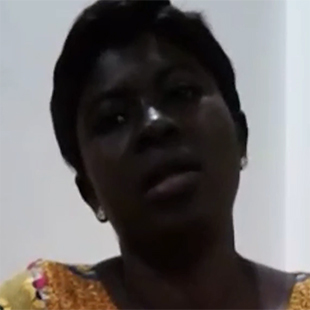
Monica from Ghana for AV Malformation Treatment in India

Monica from Ghana suffered from AV malformation. She decided to look for options for medical treatment when she started experiencing…

Silim Shabani
Silim Shabani
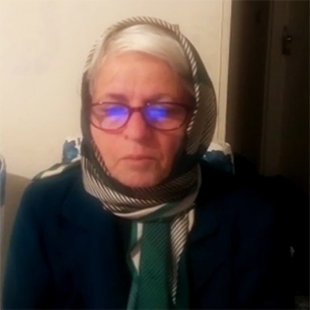
Patient Testimonial: Silim Shabani for Ovarian Cancer Treatment in Turkey

Nasrin (Sister of the patient ) explains the journey of how MediGence helped for the treatment of Silim Shabani for…

Conditions treated by Brain Cancer Treatment

Frequently Asked Questions

The cost of Brain Cancer Treatment in India varies depending on the type and grade of tumour, its location and size, diagnostic investigations, treatment approach, surgeon and oncologist expertise, hospital, and duration of treatment. Costs may include surgery, radiation therapy, chemotherapy or targeted treatment, hospitalisation, medicines, and follow-up care.

Choose a multidisciplinary neuro-oncology team with experience in treating your specific type and location of brain tumour. Depending on the treatment required, the team may include a neurosurgeon, radiation oncologist, medical oncologist, neuroradiologist, neuropathologist, and rehabilitation specialists. Consider their experience, treatment facilities, and expertise with complex brain tumours.

Treatment centres may manage various primary brain tumours, including gliomas, glioblastoma, meningiomas, astrocytomas, oligodendrogliomas, ependymomas, medulloblastomas, and other central nervous system tumours. Brain metastases from cancers originating elsewhere in the body may also be treated using surgery, radiation, systemic therapy, or a combination.

No. Surgery is not required for every brain tumour. Depending on the tumour type, location, size, and biological characteristics, doctors may recommend surgery, stereotactic biopsy, radiation therapy, systemic treatment, active surveillance, or a combination. Surgery may be recommended when tissue diagnosis or removal of tumour tissue is clinically appropriate.

Awake craniotomy is a specialised surgical technique in which the patient may be awake during selected parts of brain surgery. It can allow the surgical team to map important areas responsible for speech, movement, or other functions while removing a tumour located near these critical regions. It is suitable only for selected patients.

Yes. Stereotactic radiosurgery, despite its name, is a non-invasive radiation treatment rather than conventional surgery. It delivers highly focused radiation to selected brain tumours or metastases while limiting radiation exposure to surrounding tissue. It may be considered for appropriately sized and located tumours.

Some patients require rehabilitation after treatment, particularly when the tumour or surgery affects movement, speech, balance, cognition, swallowing, or other neurological functions. Physiotherapy, occupational therapy, speech therapy, and neuropsychological rehabilitation may be recommended according to the patient's specific needs.

The success rate is , and it varies significantly according to tumour type, grade, molecular characteristics, location, stage or extent of disease, patient's age and overall health, and response to treatment. Some brain tumours are highly treatable, while others can be more aggressive. A specialist can provide a more meaningful prognosis after reviewing pathology and imaging.

Specialised centres may use advanced MRI and PET imaging, neuronavigation, intraoperative MRI, fluorescence-guided surgery, intraoperative neuromonitoring, awake craniotomy, stereotactic radiosurgery, stereotactic radiotherapy, proton therapy in selected cases, and molecular tumour profiling. Treatment is selected based on tumour characteristics and may combine surgery, radiation therapy, systemic therapy, or targeted treatment.

Risks depend on the tumour's location, treatment type, and the patient's overall health. Surgery may involve bleeding, infection, seizures, swelling, or neurological changes affecting movement, speech, vision, memory, or other functions. Radiation and systemic treatments may cause fatigue, nausea, cognitive effects, or other treatment-specific side effects.

Before travelling, provide MRI or CT scans, pathology and biopsy reports, molecular test results when available, previous treatment records, blood-test results, medication list, and medical history. The treating team may request additional imaging or pathology review before finalising the treatment plan.

Yes. International patients can often arrange an online consultation with a neuro-oncology specialist before travelling to India. The medical team can review imaging, pathology, previous treatments, symptoms, and overall health to recommend potential treatment options and determine whether additional investigations are required.

Patients should carry their passport, MRI or CT scans and reports, biopsy and pathology reports, molecular testing results, previous surgery or treatment summaries, discharge records, blood-test results, medication list, allergy information, and relevant insurance or referral documents. Original pathology materials may also be useful if a second pathology review is required.

The required stay depends on the treatment plan. Patients undergoing brain surgery may need several days of hospitalisation followed by additional time for recovery and post-operative assessment. Radiation therapy or systemic treatment may require repeated visits over several weeks. The medical team can provide an estimated timeline after diagnosis and treatment planning.

Recovery varies considerably according to the type of tumour, treatment performed, neurological status, and whether surgery, radiation, or systemic therapy is required. Recovery after brain surgery can take several weeks, while neurological rehabilitation may continue for months. Patients receiving radiation or systemic therapy may also experience treatment-related fatigue and other side effects.

If complications occur, the treating team can provide immediate evaluation and appropriate management. Depending on the complication, treatment may involve medication, additional imaging, rehabilitation, further surgery, or other supportive care. International patients should have a clear follow-up plan and emergency contact information before returning home.

International patients can submit their medical records, brain imaging, pathology reports, and previous treatment history for specialist review through MediGence platform. Following evaluation, a neuro-oncology team can recommend an appropriate treatment plan. Hospital admission, consultations, treatment scheduling, cost estimation, travel arrangements, and follow-up can then be coordinated.

India may offer access to specialised neuro-oncology centres, experienced neurosurgeons and oncologists, advanced imaging, modern radiation technologies, molecular diagnostics, and multidisciplinary cancer care. International patients should compare specialist expertise, treatment technology, hospital infrastructure, expected outcomes, rehabilitation support, and total treatment costs before selecting a centre.

Treatment depends on the tumour type, grade, molecular profile, location, size, and overall health of the patient. Options may include surgical resection or biopsy, radiation therapy, stereotactic radiosurgery, chemotherapy, targeted therapy, immunotherapy for selected tumours, tumour-treating fields in appropriate cases, and supportive or palliative care. Treatment is often multidisciplinary.

Not Sure About Your Treatment Plan? Get a Free Second Opinion

Have your reports reviewed by independent oncology experts to help you make a confident treatment decision, all online within 48 hours.

Upload Your Reports
Free second opinion on your CAR-T plan