Your Notifications
All done, no notifications

Angioplasty Cost in United Arab Emirates

USD 4500 - USD 10000

Affordable World-class Treatment - Accredited Hospitals - Free Treatment Plan in 24 Hrs

1
Days in Hospital
17
Post-Hospital
90 - 95%
Success Rate
Angioplasty: Cost, Procedure and Clinics | MediGence
JCI/ISO 100,000+ Patients 24X7 Coordinator Visa & Travel handled
Your all-in-one medical travel platform for treatment, recovery & care.

Get Your Personalised Treatment Plan in Just 24 Hours.

Share your details to receive a personalised treatment plan, estimated costs, hospital recommendations, and expert guidance, “completely free.”

Required | alphabets and spaces
Required | A valid, working email address
Required | A valid contact
Connect with an Expert

Your information is protected with HIPAA-compliant security standards. We only share your details with hospitals after your consent.

Estimated Treatment Cost
USD 4500 - USD 10000
All-inclusive • Hospital + Medications + Recovery Assistance + Dedicated Care Coordinator

International Quality. Affordable Care.

How Much Does Angiography Cost in United Arab Emirates?

The cost of Angiography in United Arab Emirates typically ranges between USD 4500 - USD 10000. However, this cost can vary depending on several factors, including the type and severity of the condition, treatment techniques chosen, the healthcare facility's location and reputation, the treating professionals' experience and specialization, and the patient's overall health status.

Additionally, factors like the duration of treatment, the need for follow-up care, and the use of advanced technologies or specialized treatments can further influence the overall cost.

Factors Influencing the Cost of Angiography:

  • Type of Treatment: Surgery, chemotherapy, radiation therapy, or a combination of these. Advanced techniques like proton therapy may cost more.
  • Hospital and Location: This is equivocal because of the increased overhead cost that accompanies operations in large cities or urban areas compared to the countryside. It often costs more to stay in a private hospital or clinic.
  • Surgeon’s Expertise: Very experienced or specialized surgeons, particularly those acknowledged as regional or national experts, may well be more expensive than the average.
  • Pre-treatment tests: clinical investigations, mainly including imaging studies, blood tests, endoscopic examinations, and heart, lung, and kidney function tests. The performance of these tests enables the assessment of the general well-being of the patient and the possibility of surgery. These tests include X-ray, MRI, and CT.
  • Post-Surgical Care: In addition to, the costs of aftercare where the patient is hospitalized, or, undergoes physiotherapy, is given anesthesia and pain medication, gets follow-up visits, and even possible complications will also be included in the tag price.
  • Length of Hospital Stay: Complex surgeries or complications may increase hospitalization costs.

Angiography is an image generated through advanced medical practice where blood vessels, as well as organs, are seen to determine proper functioning. It also aids in identifying the condition of blood vessels which involves blockage, narrowing, bulging, or even tumor. Contrast medium is used in most cases and may be given by way of X-ray, CT (computerized tomography), or MRI (magnetic resonance imaging). It provides precise and real-time images of the vascular system which helps in proper planning and carrying out the procedures like angioplasty or stent. Types of Angiography: These include coronary angiography cerebral, peripheral, pulmonary, and renal angiography.

What's included in your Angioplasty quote?

Angioplasty
Minimally invasive procedure to open blocked arteries using a balloon and stent
Cardiology consultation
Pre-procedure evaluation, treatment planning, and follow-up consultations
Procedure & hospital care
Angioplasty, stent placement (if required), anaesthesia, and recovery monitoring
Follow-up monitoring
ECG, cardiac assessment, medications, and routine follow-up visits
Visa & medical-visa invite letter
Airport pickup & transfers

Cost of Angioplasty in Major Cities of United Arab Emirates

City Cost (USD)
Abu Dhabi $4,500 – $10,000 Explore More
Ajman $4,050 – $9,000 Explore More
Dubai $4,500 – $10,000 Explore More
Sharjah $4,500 – $10,000 Explore More

Angioplasty - United Arab Emirates Vs the World

$0 - $0
$3k - $7k
$3k - $4k
$4k - $8k
$4k - $6k
$6k - $8k
$8k - $14k
$8k - $16k
$10k - $15k
$10k - $20k
$12k - $22k
$13k - $20k
$25k - $45k
Dr. Vihan Gautam
Author

BPT, MS in Healthcare Mgmt

4 Years of Experience

Last Reviewed - June 2026

Dr. Vihan Gautam is a distinguished Rehabilitation Specialist and Healthcare Management Professional, holding a Bachelor of Physiotherapy (BPT) from Rajiv Gandhi University of Health Sciences and a Master of Science in Healthcare Management (MSc) from the prestigious University of London, United Kingdom. With specialized clinical experience and his advanced medical knowledge in neuro-rehabilitation, musculoskeletal disorders, and evidence-based physiotherapy practices, enables him to develop patient-centered rehabilitation protocols and AI-driven care models that deliver measurable functional recovery outcomes. His diverse contributions across international rehabilitation programs, multidisciplinary care, and AI-driven healthcare initiatives uniquely position him as an emerging leader in neuro-rehabilitative care globally.
View More
Dr. Naresh Kumar Goyal
Reviewer

Cardiologist

21 Years of Experience

Last Reviewed - June 2026

Dr. Naresh Kumar Goyal is highly trained as a cardiologist with exposure in virtually all aspects of cardiology. He qualified with an MD in internal medicine in 1999 from SMS Medical College, Jaipur, and served in the Cardiology Department as an honorary resident. From this stage, he also started with training in the temporary pacing of the pacemaker as well as interventional services.
View More

Need Help Choosing the Right Treatment? Talk to a Medical Advisor

Our dedicated Medical Patient Advisors are here to answer your questions, help you compare treatment options, estimate costs, and guide you through every step of your healthcare journey.

15 min
Average response time

Serving Patients Worldwide in Multiple Languages.

A minimally invasive medical technique called an “angioplasty” is done to open up clogged or restricted arteries.

Peripheral angioplasty is often used to enhance blood flow to the legs, and carotid angioplasty, and coronary angioplasty, are conducted to improve blood flow to the brain. A catheter is placed into the constricted artery during the surgery, and at the tip of the catheter is a deflated balloon. Once in place, the balloon is inflated to expand the artery and start blood flow again by pressing the plaque up against the walls of the artery. To help keep the artery open, a stent—a tiny mesh tube—may occasionally be inserted. Conditions like carotid artery stenosis, peripheral artery disease, and coronary artery disease are frequently treated using angioplasty.

Conditions like carotid artery stenosis, peripheral artery disease, and coronary artery disease are frequently treated using angioplasty. Vascular surgeons or interventional cardiologists usually carry it out in a specialized catheterization laboratory (cath lab). Compared to open surgery, angioplasty is less invasive and linked to quicker recovery periods and fewer problems.

The objectives of angioplasty are to reduce cardiac injury after a heart attack, alleviate symptoms such as angina (chest pain), reopen normal blood flow through narrowed or blocked arteries, and prevent subsequent cardiovascular events such as heart attacks or strokes.

If you experience chest pain, shortness of breath, fatigue, dizziness, or symptoms of a heart attack such as severe chest pressure, arm or jaw pain spreading to the chest, sweating, or nausea, you need to see a doctor. Early medical evaluation can enhance outcomes and dramatically reduce the risk of complications.

Patients are often required to fast, stop taking some medications temporarily, and make arrangements to go home after the procedure. ECG, echocardiogram, stress tests, blood work, and coronary angiography are all potentially involved in the preparation.

  • Balloon Angioplasty: The balloon is inflated to dilate the artery.
  • Stenting: A little mesh tube (stent) is usually implanted to keep the artery open.
  • Drug-Eluting Stents: Coated with medicine to prevent re-narrowing. The procedure is usually performed under local anaesthesia with minimal sedation.

The typical length of an angioplasty procedure takes anywhere from half an hour to two hours. Then, you'll recuperate at the hospital. You can ask your healthcare professional for a better idea of what to expect regarding the hospital stay overall.

  • Irregular heartbeats, or arrhythmias
  • An allergic response to the anaesthesia or contrast dye
  • Damage to the kidneys or blood vessels
  • Clots of blood
  • A heart attack
  • Low blood pressure

By restoring circulation, avoiding heart attacks, and minimizing the necessity for open heart surgery, angioplasty can quickly relieve the symptoms of blocked arteries. It can significantly improve physical function and quality of life.

Most patients recover within a week and can resume their usual activities. Follow-up imaging, cardiac rehabilitation, medication, and lifestyle changes are necessary for long-term success and prevention of recurrence.

Angioplasty success rates vary depending on several factors, such as the type of angioplasty, the blocked artery, the degree of the blockage, age, and general health.

Over 90 percent of the patients have their blocked blood vessels near the heart opened successfully with angioplasty. The blood artery is often re-blocked at the point where the balloon was inflated in approximately 30 to 40 percent of the patients.

Explore Hospitals ( 22 )

Dubai, United Arab Emirates

JCI
Starting
USD 8000

Dubai, United Arab Emirates

1.0 - 1 review · 114+ Beds · 208+ Procedures
JCI NABH NABL
Starting
USD 2000

Sharjah, United Arab Emirates

3.3 - 5 reviews · 137+ Beds · 204+ Procedures
JCI
Starting
USD 4500

Dubai, United Arab Emirates

4.6 - 1 review · 300+ Beds · 212+ Procedures
JCI
Starting
USD 9000

Dubai, United Arab Emirates

JCI
Starting
USD 9300

Dubai, United Arab Emirates

4.7 - 2 reviews · 179+ Beds · 645+ Procedures
JCI
Starting
USD 4500

Dubai, United Arab Emirates

ACHS JCI
Starting
USD 5000

Abu Dhabi, United Arab Emirates

JCI
Starting
USD 5000

Abu Dhabi, United Arab Emirates

3.0 - 2 reviews · 750+ Beds · 177+ Procedures
JCI
Starting
USD 5000

Sharjah, United Arab Emirates

JCI
Starting
USD 6000

Get Your Angioplasty
Plan in 24 hrs.

Our experienced Medical Patient Advisors have supported 100,000+ patients across 120+ countries with personalised treatment plans, hospital recommendations, cost estimates, and travel assistance, all free.

HIPAA-Compliant Data SecurityShared Only with Your Consent

Free Consultation No Obligation Personalized Treatment Plan Response Within 24 Hours

Required | alphabets and spaces
Required | A valid, working email address
Required | A valid contact

Your medical info has is HIPAA-style confidential. We never share with hospitals without your consent.

Process Involved for Angioplasty in United Arab Emirates

  • Pre-Procedure Evaluation: Coronary angiography, ECG, stress test, medical adjustments, fasting.
  • Anesthesia & Catheter Insertion
  • Balloon Inflation & Stent Placement
  • Post-Procedure Recovery: Pressure stops the bleeding when the catheter is removed.
  • Recovery and Follow-Up
  • Coronary Artery Disease (CAD)
  • Acute Myocardial Infarction (Heart Attack)
  • Stable & Unstable Angina
  • Peripheral Artery Disease (PAD)
  • Kidney Artery Blockage
  • Carotid Artery Disease
  • Balloon Angioplasty
  • Stent Placement
  • Laser Angioplasty
  • Carotid Plastid Angioplasty
  • Atherectomy
  • Bare-Metal Stent
  • Patients with Significant Coronary Artery Blockage
  • Patients with Symptoms of Coronary Artery Disease (CAD)
  • Patients with Acute Coronary Syndrome (Heart Attack)
  • Patients Who Are Not Candidates for Bypass Surgery (CABG)
  • Patients with Failed Medication or Lifestyle Changes
  • Coronary Angiography
  • Stent Placement
  • Fractional Flow Reserve (FFR) Testing
  • Intravascular Ultrasound (help direct stent placement and visualise arterial walls)
  • Atherectomy (plaque removal from arteries)
  • Restores Blood Flow
  • Relieves Chest Pain (Angina)
  • Prevents Heart Attack
  • Improves Quality of Life
  • Interventional Cardiologist
  • Cardiologist
  • Interventional Radiologist;
  • Fill out the inquiry form: Fill out the form to provide us with the relevant information about your condition.
  • Consult with Our Healthcare Expert: One of our qualified specialists will contact you for a consultation.
  • Receive a Detailed Treatment Plan: After examining your situation, we will provide you with a detailed treatment plan that includes expert views and cost breakdowns for various choices.
  • Choose your preferred option: Choose the treatment option that suits you the best.
Jenny Wilson
Your Dedicated Medical Patient Advisor
Treatment planning • Hospital coordination • Multilingual support • Response within 15 minutes.
Our Services to Better your Experience

Opinion & Option

We submit the most accurate opinion and options from one or more countries for your review

Consult Privately

Consult with a certified specialist privately on our telemedicine platform even before you decide to travel

Logistics

We handle flights, visas, transfers, and accommodation—so you can focus on your health.

Recovery

Our In-house rehabilitation service packages to better your recovery and treatment outcome

Patient Stories

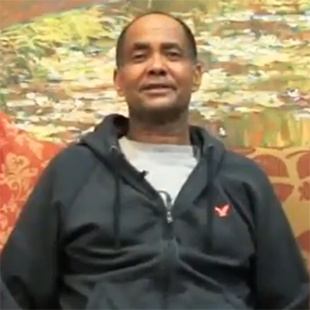
Mr Hailu Kassa : CABG Surgery
Mr Hailu Kassa
Mr Hailu Kassa : CABG Surgery

Mr. Hailu Kassa underwent Coronary Artery Bypass Surgery in Vejthani Hospital, Thailand under the supervision of Dr. Piya, Cardio-Thoracic Surgeon

Rod Schaubroeck
Rod Schaubroeck
Rod Schaubroeck : Double Valve Replacement

Patient Testimonial: Rod Schaubroeck from United States (U.S.A) underwent heart valve replacement at Fortis Hospital, India

Frequently Asked Questions

A. In the United Arab Emirates, angioplasty usually costs USD 11,000. In the United Arab Emirates, angioplasty is offered in many medical Hospitals located in different states.

A. In the United Arab Emirates, the cost of an angioplasty package varies from hospital to hospital and may come with different benefits. The cost of the angioplasty package usually covers all of the patient's pre- and post-surgery costs. The costs of anesthetic, medications, hospital stays, and the surgeon's fee are all comprised of the cost of an angioplasty in the United Arab Emirates. Prolonged hospital stays and post-procedural problems are only two of the several factors that might drive up the cost of an angioplasty in the United Arab Emirates.

A. It carries some potential risks and benefits just like any other surgery

Risks:

  • Bleeding
  • Blood Vessel Damage
  • Allergy Reaction
  • Blood Clots
  • Restenosis

Benefits:

  • Increased Blood Flow
  • Symptom Relief
  • Prevention of Heart Attack or Stroke
  • Minimally intrusive
  • As an alternative to CABG Surgery

A. Coronary artery disease (CAD) is the narrowing or blockage of your coronary arteries, which supply oxygen-rich blood to your heart. This occurs when over time, plaque—which contains cholesterol—builds up in these arteries, reducing the amount of blood that can reach your heart muscle.

A. An angioplasty is a procedure done to clear coronary artery blockages caused by Coronary Artery disease. Without needing open cardiac surgery, it restores blood flow to the heart muscle. A heart attack is one type of emergency where angioplasty may be performed successfully. If the physician has a strong suspicion that you have heart disease, the procedure can also be performed as elective surgery. Angioplasty is also known as percutaneous coronary intervention.

A. Coronary angioplasty may be required for people who have experienced a heart attack or coronary artery disease. Angioplasty can also help in Other body parts like your, arms, necks, kidneys, legs, and pelvis. An artery that is too small or blocked with plaque can have more blood flow through it according to an angioplasty. It suggests that after the angioplasty, the organ that the artery reaches will get an increased blood supply.

A. During Angioplasty:

The first step is preparation, you will be prepared for the operation in a cath lab procedure room. After that healthcare professionals decide the use of anesthesia, typically local anesthesia, angiography, ( contrast dyes injected), angioplasty( Ballon catheter is advanced to the site of the blockage), and stent placement in some cases, after this follow-up procedure monitoring is done.

After Angioplasty:

After an angioplasty, you might be required to stay in the hospital for several hours or possibly overnight to recover. You may find out from your specialized doctor what medications you need and how active you may return after your angioplasty. You were given anesthesia, so you'll require an ambulance to return from the hospital.

A. There are several best hospitals for Angioplasty in the United Arab Emirates. Some of the most renowned hospitals for Angioplasty in the United Arab Emirates include the following:

A. Several circumstances could affect the patient's recovery. However, after discharge, a patient will probably stay in the country for approximately eighteen days on average. To make sure the procedure is performed well and the patient is healthy enough to return by flight, that period is crucial.

A. A patient must additionally pay the cost of daily food and accommodation at a guest house in addition to the cost of the angioplasty. In this case, a person's daily cost could start at USD 50.

A. Many cities that offer Angioplasty in the United Arab Emirates, including the following:

  • Abu Dhabi
  • Sharjah
  • Dubai

A. Patients can also avail to attend a video teleconsultation with an Angioplasty surgeon in the United Arab Emirates. The following are some of the top doctors offering Angioplasty in the United Arab Emirates:

DoctorCostSchedule Your Appointment
Dr. Ala Eldin FarasinUSD 173Schedule Now

A. The usual period of stay at the hospital after an angioplasty is two full days. To make sure that everything is in order and that the patient's recovery continues as planned, the patient receives several biochemical and radiological scans. Planning for discharge occurs after confirming the patient's clinical stabilization.

A. Hospitals providing angioplasty in the United Arab Emirates get an average rating of 4.5. The infrastructure of the hospital, the standard of its services, the support given by nurses, and other services are some of the factors that are automatically taken into consideration to determine the grade.

A. In the United Arab Emirates, there are approximately twenty-one hospitals offering angioplasty. The clinics listed above have the necessary facilities and a separate location where patients can receive care. Furthermore, it is well known that these institutions treat patients under both local and international legal needs and standards.

A. Some of the renowned medical specialists for Angioplasty in the United Arab Emirates are:

A. A stent is a small tube composed of wire mesh that keeps up the opening of your artery. In Angioplasty, Two main types of stents are there:

Type I: Drug-eluting stent ( coated) with medicine that lowers the chance of obstructing again.

Type II: Bare metal ( an uncoated).

A. yes, if In an emergency condition of a heart problem like a heart attack healthcare professional can perform an angioplasty procedure.

A. Yes, there is little difference in the cost of both procedures, Drug eluting stents are more costly in comparison to Bare- metal Stents.

A. Individuals with in-stent restenosis may have an increased risk of developing potentially fatal heart problems. Heart attacks, acute coronary syndrome, and unstable angina are a few examples. Thankfully, these risks are being reduced by more advanced stents and better stent placement methods.

You need to protect your heart by adhering to your provider's advice if you have CAD. It can be important for you:

  • Lower your intake of sodium and use prescribed medications properly to control high blood pressure.
  • Eat a diet low in fat to decrease cholesterol.
  • Recognize your fats and limit the amount of trans and saturated fats you eat.
  • Continue to be physically active and maintain a healthy weight.
  • Control your diabetes.
  • To stop smoking, get assistance.

Not Sure About Your Treatment Plan? Get a Free Second Opinion

Have your reports reviewed by independent oncology experts to help you make a confident treatment decision, all online within 48 hours.

Upload Your Reports
Free second opinion on your CAR-T plan