Your Notifications
All done, no notifications

Angioplasty Cost in Vietnam

USD 4000 - USD 8000

Affordable World-class Treatment - Accredited Hospitals - Free Treatment Plan in 24 Hrs

1
Days in Hospital
17
Post-Hospital
90 - 95%
Success Rate
Angioplasty: Cost, Procedure and Clinics | MediGence
JCI/ISO 100,000+ Patients 24X7 Coordinator Visa & Travel handled
Your all-in-one medical travel platform for treatment, recovery & care.

Get Your Personalised Treatment Plan in Just 24 Hours.

Share your details to receive a personalised treatment plan, estimated costs, hospital recommendations, and expert guidance, “completely free.”

Required | alphabets and spaces
Required | A valid, working email address
Required | A valid contact
Connect with an Expert

Your information is protected with HIPAA-compliant security standards. We only share your details with hospitals after your consent.

Estimated Treatment Cost
USD 4000 - USD 8000
All-inclusive • Hospital + Medications + Recovery Assistance + Dedicated Care Coordinator

International Quality. Affordable Care.

How Much Does Angioplasty Cost in Vietnam?

The cost of Angioplasty in Vietnam typically ranges between USD 4000 - USD 8000, depending on factors such as the number of blocked arteries, the type of stent used (bare-metal or drug-eluting), the hospital’s infrastructure, and the cardiologist’s expertise.

Additional expenses, including diagnostic tests (angiography, ECG, blood tests), medications, hospital stay, and follow-up consultations, can also affect the overall treatment cost.

Factors Influencing the Cost of Angioplasty

  • Type of Angioplasty: The cost varies based on whether the procedure involves Balloon Angioplasty (without stent placement) or Coronary Stenting. Procedures involving multiple stents or drug-eluting stents are generally more expensive.
  • Number and Location of Blockages: Single-vessel angioplasty costs less compared to multi-vessel interventions, which require more stents, longer procedure time, and additional consumables.
  • Type and Brand of Stent Used: Drug-eluting stents (DES) are more expensive but offer better long-term outcomes by reducing the risk of re-narrowing of the artery. Imported or premium-quality stents also increase the total cost.
  • Hospital and Location: International hospitals and cardiac centres in Hanoi and Ho Chi Minh City typically charge higher for their advanced catheterisation labs, 24/7 cardiac ICUs, and specialised cardiac care teams.
  • Cardiologist’s Expertise: Highly experienced interventional cardiologists with international training and successful track records may charge higher consultation and procedural fees.
  • Pre- and Post-Operative Care: Costs can vary depending on diagnostic imaging (angiography, echocardiogram), medications, ICU stay, and cardiac rehabilitation sessions post-surgery.

What's included in your Angioplasty quote?

Angioplasty
Minimally invasive procedure to open blocked arteries using a balloon and stent
Cardiology consultation
Pre-procedure evaluation, treatment planning, and follow-up consultations
Procedure & hospital care
Angioplasty, stent placement (if required), anaesthesia, and recovery monitoring
Follow-up monitoring
ECG, cardiac assessment, medications, and routine follow-up visits
Visa & medical-visa invite letter
Airport pickup & transfers

Cost of Angioplasty in Major Cities of Vietnam

City Cost (USD)
Can Tho $4,000 – $8,000 Explore More
Da Nang $4,000 – $8,000 Explore More
Ha noi $3,200 – $6,400 Explore More
Ho Chi Minh $4,000 – $8,000 Explore More
Nha Trang $3,600 – $7,200 Explore More
Phu Quoc $3,600 – $7,200 Explore More

Angioplasty - Vietnam Vs the World

$0 - $0
$3k - $7k
$3k - $4k
$4k - $8k
$4k - $6k
$6k - $8k
$8k - $14k
$8k - $16k
$10k - $15k
$10k - $20k
$12k - $22k
$13k - $20k
$25k - $45k
Dr. Vihan Gautam
Author

BPT, MS in Healthcare Mgmt

4 Years of Experience

Last Reviewed - June 2026

Dr. Vihan Gautam is a distinguished Rehabilitation Specialist and Healthcare Management Professional, holding a Bachelor of Physiotherapy (BPT) from Rajiv Gandhi University of Health Sciences and a Master of Science in Healthcare Management (MSc) from the prestigious University of London, United Kingdom. With specialized clinical experience and his advanced medical knowledge in neuro-rehabilitation, musculoskeletal disorders, and evidence-based physiotherapy practices, enables him to develop patient-centered rehabilitation protocols and AI-driven care models that deliver measurable functional recovery outcomes. His diverse contributions across international rehabilitation programs, multidisciplinary care, and AI-driven healthcare initiatives uniquely position him as an emerging leader in neuro-rehabilitative care globally.
View More
Dr. Naresh Kumar Goyal
Reviewer

Cardiologist

21 Years of Experience

Last Reviewed - June 2026

Dr. Naresh Kumar Goyal is highly trained as a cardiologist with exposure in virtually all aspects of cardiology. He qualified with an MD in internal medicine in 1999 from SMS Medical College, Jaipur, and served in the Cardiology Department as an honorary resident. From this stage, he also started with training in the temporary pacing of the pacemaker as well as interventional services.
View More

Need Help Choosing the Right Treatment? Talk to a Medical Advisor

Our dedicated Medical Patient Advisors are here to answer your questions, help you compare treatment options, estimate costs, and guide you through every step of your healthcare journey.

15 min
Average response time

Serving Patients Worldwide in Multiple Languages.

A minimally invasive medical technique called an “angioplasty” is done to open up clogged or restricted arteries.

Peripheral angioplasty is often used to enhance blood flow to the legs, and carotid angioplasty, and coronary angioplasty, are conducted to improve blood flow to the brain. A catheter is placed into the constricted artery during the surgery, and at the tip of the catheter is a deflated balloon. Once in place, the balloon is inflated to expand the artery and start blood flow again by pressing the plaque up against the walls of the artery. To help keep the artery open, a stent—a tiny mesh tube—may occasionally be inserted. Conditions like carotid artery stenosis, peripheral artery disease, and coronary artery disease are frequently treated using angioplasty.

Conditions like carotid artery stenosis, peripheral artery disease, and coronary artery disease are frequently treated using angioplasty. Vascular surgeons or interventional cardiologists usually carry it out in a specialized catheterization laboratory (cath lab). Compared to open surgery, angioplasty is less invasive and linked to quicker recovery periods and fewer problems.

Explore Hospitals ( 9 )

Ha noi, Vietnam

JCI
Starting
USD 3500

Ha noi, Vietnam

JCI
Starting
USD 3500
Starting
USD 4000

Ha noi, Vietnam

JCI
Starting
USD 3000

Phu Quoc, Vietnam

JCI
Starting
USD 3000

Ha noi, Vietnam

JCI
Starting
USD 3000

Da Nang, Vietnam

JCI
Starting
USD 2000

Nha Trang, Vietnam

JCI
Starting
USD 3000

Can Tho, Vietnam

JCI
Starting
USD 3500

Get Your Angioplasty
Plan in 24 hrs.

Our experienced Medical Patient Advisors have supported 100,000+ patients across 120+ countries with personalised treatment plans, hospital recommendations, cost estimates, and travel assistance, all free.

HIPAA-Compliant Data SecurityShared Only with Your Consent

Free Consultation No Obligation Personalized Treatment Plan Response Within 24 Hours

Required | alphabets and spaces
Required | A valid, working email address
Required | A valid contact

Your medical info has is HIPAA-style confidential. We never share with hospitals without your consent.

Jenny Wilson
Your Dedicated Medical Patient Advisor
Treatment planning • Hospital coordination • Multilingual support • Response within 15 minutes.
Our Services to Better your Experience

Opinion & Option

We submit the most accurate opinion and options from one or more countries for your review

Consult Privately

Consult with a certified specialist privately on our telemedicine platform even before you decide to travel

Logistics

We handle flights, visas, transfers, and accommodation—so you can focus on your health.

Recovery

Our In-house rehabilitation service packages to better your recovery and treatment outcome

Patient Stories

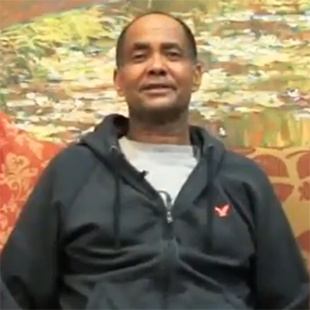
Mr Hailu Kassa : CABG Surgery
Mr Hailu Kassa
Mr Hailu Kassa : CABG Surgery

Mr. Hailu Kassa underwent Coronary Artery Bypass Surgery in Vejthani Hospital, Thailand under the supervision of Dr. Piya, Cardio-Thoracic Surgeon

Rod Schaubroeck
Rod Schaubroeck
Rod Schaubroeck : Double Valve Replacement

Patient Testimonial: Rod Schaubroeck from United States (U.S.A) underwent heart valve replacement at Fortis Hospital, India

Frequently Asked Questions

Angioplasty, also known as Percutaneous Coronary Intervention (PCI), is a minimally invasive procedure that opens blocked or narrowed coronary arteries and restores normal blood flow to the heart. During the procedure, a small balloon is inflated to widen the artery, and a stent (a metal mesh tube) is often placed to keep the artery open.

Angioplasty is recommended for patients with:
  • Coronary artery disease (CAD)
  • Chest pain (angina) that does not improve with medication
  • Blocked or narrowed arteries affecting heart function
  • Acute myocardial infarction (heart attack)
  • Poor blood flow was identified in angiography
  • The procedure is performed under local anaesthesia.
  • A catheter with a balloon at its tip is inserted through the femoral (groin) or radial (wrist) artery.
  • The balloon is inflated at the blockage site to open the artery.
  • A stent may be placed to keep the artery open permanently.
  • The catheter is then removed, and pressure is applied to prevent bleeding.
  • The entire procedure usually takes 30–90 minutes, depending on the number of arteries treated.
  • Angioplasty is a safe and widely performed procedure, but potential risks include:
  • Artery re-narrowing (restenosis)
  • Bleeding or bruising at the catheter insertion site
  • Blood clots within the stent
  • Heart rhythm disturbances
  • Rarely, a heart attack or stroke
  • These risks are minimised when the procedure is done in advanced cardiac centres under expert supervision.

    Recovery after angioplasty is generally quick:
  • Hospital Stay: 1–3 days, depending on condition and stent type
  • Return to Work: Within 1–2 weeks for most patients
  • Follow-Up: Regular check-ups and medication adherence are required for optimal outcomes
  • Additional costs may include:
  • Coronary angiography (pre-diagnostic test)
  • Blood tests, ECG, and echocardiogram
  • ICU and hospital room charges
  • Post-procedure medications (antiplatelets, blood thinners)
  • Cardiac rehabilitation sessions and follow-up visits
  • Hanoi, Ho Chi Minh City, and Da Nang are leading centres for cardiology and interventional heart procedures, offering:
  • Advanced catheterisation labs
  • Experienced cardiologists trained internationally
  • Affordable and transparent treatment packages
  • High patient satisfaction and success rates
  • Vietnam has become a preferred destination for cardiac care due to:
  • Highly skilled interventional cardiologists
  • International-standard hospitals with modern facilities
  • Affordable treatment costs compared to Western countries
  • Comprehensive pre- and post-procedure cardiac care
  • Personalised patient support and short waiting times
  • Angioplasty in Vietnam boasts a success rate of 95–98% for restoring normal blood flow and relieving angina symptoms. With experienced cardiologists and modern technology, most patients resume normal life activities soon after recovery, achieving excellent long-term heart health outcomes.

    Not Sure About Your Treatment Plan? Get a Free Second Opinion

    Have your reports reviewed by independent oncology experts to help you make a confident treatment decision, all online within 48 hours.

    Upload Your Reports
    Free second opinion on your CAR-T plan