Your Notifications
All done, no notifications

Macular Degeneration Surgery Cost in India

Costs starts from USD1500 to USD2500
Filters

How Much Does Macular Degeneration Surgery Cost in India?

The cost of Macular Degeneration Surgery in India typically ranges between USD 1500 - USD 2500.

However, this cost can vary depending on several factors, including the type and severity of the condition, treatment techniques chosen, the healthcare facility's location and reputation, the treating professionals' experience and specialisation, and the patient's overall health status.

Additionally, factors like the duration of treatment, the need for follow-up care, and the use of advanced technologies or specialised treatments can further influence the overall cost.

Factors Influencing the Cost of Macular Degeneration Surgery:

The leading cause of macular degeneration is ageing-related retinal disorders. Macular degeneration can be classified as either wet or dry. One eye condition that impairs central vision is macular degeneration. Accordingly, those with macular degeneration cannot see objects that are right in front of them. Most people over 50 are affected by this prevalent age-related eye disorder.

The macula, the core region of the retina, is affected by macular degeneration. Central vision is controlled by your retina, located in the rear of your eye. Macular degeneration does not result in total blindness. They have good peripheral vision or the capacity to notice objects out to the sides.

Cost of Macular Degeneration Surgery in Major Cities of India

CityMinimum Cost (USD)Minimum Cost (INR)Maximum Cost (USD)Maximum Cost (INR)
BangaloreUSD 1500128460USD 2500214100
ChennaiUSD 1500128460USD 2500214100
DelhiUSD 1500128460USD 2500214100
FaridabadUSD 1500128460USD 2500214100
GhaziabadUSD 1500128460USD 2500214100
GurgaonUSD 1500128460USD 2500214100
HyderabadUSD 1500128460USD 2500214100
KochiUSD 1500128460USD 2500214100
KolkataUSD 1500128460USD 2500214100
MohaliUSD 1350115614USD 2250192690
MumbaiUSD 1500128460USD 2500214100
NoidaUSD 1500128460USD 2500214100
PanjimUSD 1350115614USD 2250192690
PuneUSD 1350115614USD 2250192690
RajkotUSD 1350115614USD 2250192690

Macular Degeneration Surgery Cost : A Global Comparison

CountryMinimum CostMinimum Local CurrencyMaximum CostMaximum Local Currency
IndiaUSD 1500INR 128460USD 2500INR 214100
Lithuaniaget request
MalaysiaUSD 2000MYR 8480USD 5000MYR 21200
Saudi ArabiaUSD 2500SAR 9375USD 5000SAR 18750
SingaporeUSD 2000SGD 2580USD 10000SGD 12900
SpainUSD 2500ESP 367600USD 5000ESP 735200
ThailandUSD 3500THB 114485USD 5500THB 179905
TunisiaUSD 1500TND 4470USD 3500TND 10430
TurkeyUSD 2000TRY 78120USD 4500TRY 175770
United Arab EmiratesUSD 2200AED 8074USD 4000AED 14680
United Kingdomget request

Need Help Planning Your Treatment Abroad?

Your 24/7 AI Health Assistant

Macular degeneration is an age-related retinal condition that comes in two types: wet and dry. This eye disease causes loss of central vision, but it typically does not lead to total blindness. While there are treatments available, there is no cure.

Macular degeneration is a common condition in people over the age of 50. It affects the macula, the central part of the retina, which is located at the back of the eye and controls central vision. Individuals with macular degeneration retain their peripheral vision (the ability to see things off to the sides).

Types

The two types of macular degeneration are: Dry and wet.

  • Dry (Atrophic) Macular Degeneration: It is the most common type, affecting nearly 90% of individuals with the condition. It develops when tiny yellow protein deposits, known as drusen, accumulate under the macula. These deposits cause the macula to dry out and thin.

Vision loss in dry macular degeneration typically occurs gradually, and most people do not completely lose their central vision. However, in some cases, the dry form can progress to the wet form.

  • Wet (Exudative) Macular Degeneration: Wet macular degeneration, also known as exudative macular degeneration, occurs when abnormal blood vessels form under the retina and macula. These blood vessels leak blood and fluid, leading to fluid buildup and a bulge in the macula.

This type of macular degeneration is more severe and can rapidly lead to significant loss of central vision. About 10% of individuals with macular degeneration have a wet form. Symptoms may include seeing dark spots in the center of vision.

Would you like some help? We are available.

Get Help
Explore Hospitals ( 42 )
Macular Degeneration Surgery in Sarvodaya Hospital and Research Centre: Costs, Top Doctors, and Reviews

Faridabad, India

4.9 ( 4 Reviews )
  • National Accreditation Board for Hospitals & Healthcare Providers (NABH)
  • National Accreditation Board for Testing and Calibration Laboratories (NABL)

Sarvodaya Hospital and Research Centre located in Faridabad, India is accredited by NABH, NABL. Also listed below are some of the most prominent infrastructural details:

  • Sarvodaya Hospital has a 500 bed capacity which is inclusive of 65 ICU beds.
  • A dedicated dialysis unit for people with kidney conditions.
  • The hospital has a cancer center which makes cancer treatment a seamless process.
  • There is an upcoming oncology center in Sarvodaya Hospital Faridabad.
  • Technologies such as 128 Slice CT scan, 500 MA X-Ray, 1.5 Tesla MRI and Mammography facility.
Macular Degeneration Surgery in Fortis Hiranandani Hospital: Costs, Top Doctors, and Reviews

Mumbai, India

  • National Accreditation Board for Hospitals & Healthcare Providers (NABH)
  • Fortis Hiranandani Hospital, Vashi, Navi Mumbai, is a leading NABH-accredited multi-super speciality hospital offering advanced tertiary care with over 150 beds.
  • The hospital is known for clinical excellence in Cardiac Sciences, Oncology, Neurology, Orthopaedics, Organ Transplants, Urology, Gastroenterology, and Critical Care.
  • With a strong team of experienced doctors, modern medical technology, and international patient services, the hospital provides comprehensive and patient-focused treatment.
  • It maintains high standards of safety, hygiene, and quality care, making it a trusted healthcare destination in the Mumbai Metropolitan Region.
Macular Degeneration Surgery in Fortis Hospital, Shalimar Bagh: Costs, Top Doctors, and Reviews

Delhi, India

4.5 ( 4 Reviews )
  • National Accreditation Board for Hospitals & Healthcare Providers (NABH)
  • Fortis Hospital, Shalimar Bagh, New Delhi, is a leading multi-super-speciality hospital established in 2010, known for advanced medical technology and compassionate patient care.
  • The hospital has 375 beds, including 166 ICU beds, and features 10 modular operating theatres along with specialised ICUs and Level III NICU/PICU. Fortis Shalimar Bagh offers care across Cardiology, Neurosciences, Oncology, Orthopaedics, Transplants, Urology, and Mother & Child Health, supported by NABH and NABL accreditation.
  • Equipped with cutting-edge technology like the Da Vinci Surgical Robot, PET-CT Scanner, and CORI Robotic System, the hospital is recognised for excellence in treatment outcomes, patient comfort, and multidisciplinary care, making it a trusted destination for both domestic and international patients.
Macular Degeneration Surgery in Aakash Healthcare Super Speciality Hospital: Costs, Top Doctors, and Reviews

Delhi, India

  • National Accreditation Board for Hospitals & Healthcare Providers (NABH)
  • ISO 9001

Aakash Healthcare Super Speciality Hospital located in New Delhi, India is accredited by NABH. Also listed below are some of the most prominent infrastructural details:

  • One of the biggest tertiary care hospitals in India
  • Facility is fusion of state of the art technology, competent clinicians, and world-class infrastructure
  • 230 beds
  • 70 bedded medical and surgical and Critical Care Unit
  • Ward Bed Options- Twin, Deluxe, Sharing and Economy
  • Pneumatic Tube System
  • Ambulance Services 24x7
  • 15 Bedded dialysis unit
  • Advanced Neonatal ICU
  • Advanced imaging services, including magnetic resonance imaging, computed tomography scanning, digital mammography, ultrasound
  • 8 modular OTs
  • Flat Panel Cath Labs
  • LASIK - SMILE Suite
  • Wellness Lounge
  • State-of-the-art diagnostic equipment
  • 15 Dialysis beds
  • 24x7 ‘Trauma & Emergency Center
  • Dedicated blood bank
  • 24x7 comprehensive patient care.
  • Deployed high-end technologies & smart digital system
  • Robust Hospital Information Systems to meet complex medical needs of patients
  • Robotic assisted surgeries
  • International Patients Lounge
  • Airport Pick-up and Drop
  • Accommodation and Food for Attendant
  • Language Interpreter Services
  • 4 triage beds, a dedicated sample collection room, 6 observation beds, and highly skilled emergency staff
  • Robotic knee replacement surgery
  • ATM
  • Lounge for visitors
  • Internet Access: The whole facility is Wi-Fi enabled
  • Travel Desk: Provides an all-round patient care.
  • 24x7 pharmacy
Macular Degeneration Surgery in Aster Medcity: Costs, Top Doctors, and Reviews

Kochi, India

  • National Accreditation Board for Hospitals & Healthcare Providers (NABH)
  • Joint Commission International, or JCI
  • 670 bed facility
  • 24 hours Emergency and Trauma Care

Aster Centres of Excellence

    • Cardiac Sciences
    • Orthopaedics & Rheumatology
    • Neurosciences
    • Nephrology & Urology
    • Oncology
    • Gastroenterology
    • Integrated Liver Care
    • Womens Health
    • Child & Adolescent Health
    • Multi Organ Transplant
  • Diagnostic Technology used for increasing the efficiency of diagnostic procedures.
  • Streamlined Application of Therapeutic Technology
  • Minimal Access Robotic Surgery (MARS) which makes use of the da Vinci Surgical System is applied by the specialists in Aster Medcity, Kochi, Kerala.
  • ORI Fusion Digital Integrated Operation Theatres which applies Karlstorz OR1 Fusion system.
  • Completely digital Anesthesia facility
  • Pharmacy which possesses completely Automated Drug Dispensing
Macular Degeneration Surgery in Pushpawati Singhania Research Institute: Costs, Top Doctors, and Reviews

Delhi, India

  • National Accreditation Board for Hospitals & Healthcare Providers (NABH)
  • National Accreditation Board for Testing and Calibration Laboratories (NABL)

Pushpawati Singhania Research Institute located in New Delhi, India is accredited by NABH, NABL. Also listed below are some of the most prominent infrastructural details:

  • Multi-bed hospital with state-of-art infrastructure
  • Advanced medical equipment
  • High-tech labs
  • Modular operation theaters
  • Cath labs with Clarity Platform, 128 channel CARTO 3 version 4 with ICE mapping facility, FD 10 Prucka 2D EP system
  • High-end Intensive Coronary Care Unit
  • Dedicated Pre-Post Cath Unit
  • Multislice CT Scan, 1.5 Tesla MRI
  • 24 *7*365 functional cardiac Cath lab & operation theatre
  • Fifteen bedded Coronary Care Unit
  • 3D, 4D Echo & Trans-oesophageal Echo, Non Invasive cardiology (Holter, TMT, Echo, 24hrs ambulatory BP Monitoring
  • Radio Frequency Ablation like Complex Arrhythmia such as ischemic VT, AF with 3 D Mapping imaging
  • RFA using ICE Intra-cardiac Echo
  • Well-equipped inpatient and intensive care services
  • Ultra-modern Blood Bank Facility
  • Advanced Physiotherapy center, 24/7 Emergency &Trauma services
  • Gastroenterology department equipped with Capsule endoscopy, Endoscopic retrograde cholangiopancreatography, Single balloon enteroscopy, High resolution esophageal and anorectal manometry, Endoscopic ultrasound, and hydrogen breath test
    Sustained low-efficiency daily dialysis and Continuous Renal Replacement Therapy
  • Exhaled Nitric oxide (FeNO) and allergy testing for the management of asthma
  • Conventional PAP/ Liquid PAP/ HPV-DNA test for the patients with the High risk of cervical cancer
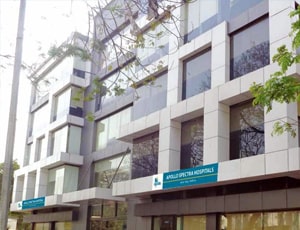
Macular Degeneration Surgery in Apollo Spectra Hospital: Costs, Top Doctors, and Reviews

Pune, India

  • National Accreditation Board for Hospitals & Healthcare Providers (NABH)
  • National Accreditation Board for Testing and Calibration Laboratories (NABL)

Apollo Spectra Hospital located in Pune, India is accredited by JCI. Also listed below are some of the most prominent infrastructural details:

  • Present in a 30000 sq. ft. area
  • 5 beds are for critical care
  • 5 ultra-modern modular OTs
  • World class rehabilitation center
  • In-house pharmacy
  • Beautifully designed In-patients waiting area
  • 80 plus healthcare professionals which also includes 45 specialist consultants
Macular Degeneration Surgery in Rajagiri Hospital: Costs, Top Doctors, and Reviews

Kochi, India

  • Joint Commission International, or JCI
  • Rajagiri Hospital, Kochi, Kerala, is a leading multi-speciality tertiary care hospital known for providing world-class medical services with advanced technology and compassionate care.
  • Accredited by JCI, NABH, and NABL, the hospital offers comprehensive treatment across specialities like Cardiology, Oncology, Neurology, Gastroenterology, Orthopaedics, Nephrology, Urology, and Paediatrics, making it a trusted healthcare destination in South India.
Macular Degeneration Surgery in IClinix Advanced Eye Care: Costs, Top Doctors, and Reviews

New Delhi, India

  • National Accreditation Board for Hospitals & Healthcare Providers (NABH)
  • Refractive surgery: LASIK (including bladeless LASIK, femtosecond LASIK, customized LASIK), Contoura Vision, Trans-PRK. They state that they do painless, stitchless and flapless procedures with quick recovery.
  • Premium intraocular lenses / Refractive Lens Exchange / ICL: They perform surgeries to replace or augment lenses, primarily in patients who are probably not worthy candidates for laser alone.
  • Medical & Surgical Retina Services: Treatment of diabetic retinopathy, retinal detachment, age-related macular degeneration; vitreoretinal surgeries; and uveitis and ocular inflammatory management.
  • Other Ophthalmic Specialities: Glaucoma diagnosis & treatment, squint (strabismus) correction, cataract surgery (including advanced types), ocular imaging & diagnostics, and others.
Macular Degeneration Surgery in Marengo Asia Hospitals, Faridabad: Costs, Top Doctors, and Reviews

Faridabad, India

  • National Accreditation Board for Hospitals & Healthcare Providers (NABH)
  • National Accreditation Board for Testing and Calibration Laboratories (NABL)

Marengo Asia Hospitals, located in Faridabad, is a multispecialty, state-of-the-art, and patient-friendly facility that combines the greatest services available in the healthcare segment. With 325 beds now, the hospital can accommodate up to 550 beds. It has first-rate medical facilities including a Critical Care Medicine department for patients with life-threatening conditions. Furthermore, our highly skilled medical staff and cutting-edge software system make us the perfect facility for patients from various backgrounds. We always aim to exceed expectations and are always looking for ways to boost our performance.

Need Some Advice From Our Experts?

Request a Call Back Now!

Our team of healthcare experts would be happy to assist you

trusted Patientstrusted Patients+99
Trusted by 50000+ Patients
Required | alphabets and spaces
Required | A valid, working email address
Required | A valid contact

Process Involved for Macular Degeneration Surgery in India

  • Preoperative stage: It includes a comprehensive eye exam (OCT, fundus photography), as well as an overall health check.
  • Surgical Stage: Anesthesia is delivered, followed by operations such as macular hole surgery, retinal laser therapy, and retinal repair if necessary.
  • Immediate postoperative recovery: This includes impaired vision and discomfort, which should improve within a few days to weeks.
  • Follow-up care: This includes regular check-ups to assess healing, complications, and vision development.
  • Long-Term Recovery: Vision restoration takes weeks or months, with steady improvement.
  • Wet Age-Related Macular Degeneration (AMD)
  • Macular Hole
  • Subretinal Neovascularization
  • Retinal Pigment Epithelial Detachment
  • Individuals diagnosed with age-related macular degeneration (AMD), particularly those with wet AMD who have not responded to other treatments like injections.
  • Patients with advanced stages of macular degeneration experience significant vision loss.
  • Candidates who have not experienced adequate results from laser therapy or intravitreal injections.
  • General health should be stable to undergo surgery and anesthesia.
  • Laser Therapy
  • Vitrectomy
  • Intravitreal Injections
  • Vision Preservation: Prevents more vision loss in wet AMD.
  • Improved Vision: Restores or stabilises vision.
  • Reduced Injections: Reduces or eliminates the necessity for injections.
  • Ophthalmologist
  • Fill out the inquiry form: Fill out the form to provide us with the relevant information about your condition.
  • Consult with Our Healthcare Expert: One of our qualified specialists will contact you for a consultation.
  • Receive a Detailed Treatment Plan: After examining your situation, we will provide you with a detailed treatment plan that includes expert views and cost breakdowns for various choices.
  • Choose your preferred option: Choose the treatment option that suits you the best.

Instantly Connect with our Macular Degeneration Surgery Specialists

Doctor 1
Doctor 2
Doctor 3
Doctor 4
Doctor 5
Doctor 6
Doctor 7
Doctor 8
Our Services to Better your Experience

Opinion & Option

We submit the most accurate opinion and options from one or more countries for your review

Consult Privately

Consult with a certified specialist privately on our telemedicine platform even before you decide to travel

Logistics

We handle flights, visas, transfers, and accommodation—so you can focus on your health.

Recovery

Our In-house rehabilitation service packages to better your recovery and treatment outcome

Other Popular Countries for Macular Degeneration Surgery

Our network connects you with the leading medical tourism destinations globally, offering a wide range of cities, top doctors, and flexible pricing options.

United Arab Emirates
Spain
United Kingdom
Thailand

Conditions treated by Macular Degeneration Surgery

Frequently Asked Questions

Macular Degeneration Surgery cost in India varies from one hospital to the other. There are many hospital that cover the cost of pre-surgical investigations of the patient in the treatment package. The treatment cost usually includes the expenses related to hospitalization, surgery, nursing, medicines, and anesthesia. There are many things that may increase the cost of Macular Degeneration Surgery in India, including prolonged hospital stay and complications after the procedure.

There are many hospitals that perform Macular Degeneration Surgery in India. Some of the best hospitals for Macular Degeneration Surgery in India include the following:

  1. Max Super Specialty Hospital, Vaishali
  2. Max Super Speciality Hospital, Patparganj

The recovery of the patient many vary, depending on several factors. However, on an average, patient is supposed to stay for about 14 days in the country after discharge. This time frame is important to ensure that the surgery was successful and the patient is fit to fly back.

Apart from the cost of Macular Degeneration Surgery, the patient is also required to pay additionally for daily meals and guest house accommodation. These charges starts from USD 50 per person.

There are many cities that offer Macular Degeneration Surgery in India, including the following:

  • Noida
  • Bangalore
  • New Delhi
  • Chennai
  • Gurugram
  • Mumbai
  • Hyderabad

The average duration of stay at the hospital after Macular Degeneration Surgery is about 1 days for proper care and monitoring. The doctors team review the patient's recovery during this time with the help of blood tests and imaging scans. Once they feel that everything is on track, the patient is discharged.

The average rating for Macular Degeneration Surgery hospitals in India is 3.9. This rating is automatically calculated on the basis of several parameters such as the infrastructure of the hospital, quality of services, nursing support and other services.

There are more than 2 hospitals that offer Macular Degeneration Surgery in India. The above listed clinics are approved to perform the surgery and have proper infrastructure to handle Macular Degeneration Surgery patients. Apart from good services, the hospitals are known to follow all standard and legal guidelines as dictated by the local medical affairs body or organization.

Some of the best medical specialists for Macular Degeneration Surgery in India are:

  1. Dr. Shibal Bhartiya
  2. Dr. Pallavee Rajbongshi Goswami
  3. Dr. Sreedhara Naik
  4. Dr. Uma Malliah
  5. Dr. Mahesh Kumar Gupta
  6. Dr. Neetu Sharma

Macular degeneration is of two types:

  • Dry Macular degeneration (atrophic)- Approximately 90% of people around the world suffer from dry macular degeneration. In this condition, there is a formation of tiny yellow protein deposits, known as drusen, under your macula. As a result, this built of deposits gets dry and the macula gets thinner. Gradually, dry macular degeneration leads to vision loss. Most people don’t lose complete central vision. In some exceptional cases, dry macular degeneration can change into a wet form.
  • Wet Macular Degeneration (exudative)- Wet (exudative) macular degeneration develops when abnormal blood vessels develop beneath the retina and macula. Blood and fluid leak from the blood vessels. The term "exudative" refers to the way fluids ooze. A bulge forms in the macula as a result of fluid buildup. There may be some dark spots in your field of vision. A wet form of macular degeneration affects about 10% of people. This is a more severe type. It can quickly result in complete loss of central vision.

There are three stages of dry macular degeneration. Symptoms such as vision loss are frequently not apparent until the disease is advanced. However, an eye specialist can detect signs during an exam.

  • Early: Your macula changes, but your vision remains unaffected.
  • Intermediate: Your vision may become hazy or wavy.
  • Late (advanced): Central vision completely fails.

Wet macular degeneration is already progressed to an advanced stage.

Advanced age does not always inevitably cause macular degeneration. However, the normal aging process can lead to changes in the blood flow and structure, predisposing patients in progressing age to age-related macular degeneration.

The risks of macular degeneration significantly rise with age. People are more likely to be affected by it as they get older. However, there are other reasons which can lead to the development of macular degeneration at young ages. This includes-

  • Family history of macular degeneration
  • Being Overweight
  • High blood pressure/ Hypertension
  • Consuming high amounts of saturated fats
  • Smoking

At present, there is no cure for macular degeneration. However, there are a lot of preventative measures to avoid the risk of getting the disease and prevent loss of vision. As per research, following some healthy choices can reduce the chances of AMD. These include-

  • Stop Smoking
  • Include regular exercise into your schedule
  • Maintain healthy cholesterol and blood pressure levels
  • Include greens, leafy vegetables, and other healthy food items in your diet

At early stages, macular degeneration may not have any signs or symptoms. The early signs of macular degeneration include a sudden or gradual change in the quality of vision or the straight lines may start looking distorted to you. This may eventually lead to a dramatic loss in your central vision.

Some other symptoms of macular degeneration include:

  • The appearance of dark, blurry, or whiteout areas in the center of your vision.
  • In certain rare cases, you may observe changes in the perception of color

There is currently no cure for dry age-related macular degeneration, but vision rehabilitation programs and low-vision devices can be used to improve visual skills, learn new ways to perform daily living activities, and adjust to life with age-related macular degeneration.

Treatment for AMD is determined by the stage and type of the condition. There is currently no treatment for early AMD. An eye specialist will simply monitor how your eyes are doing through regular eye exams. Eating healthy, exercising regularly, and quitting smoking can all help.

If you have intermediate AMD in one or both eyes, dietary supplements (vitamins and minerals) may help prevent it from progressing to late AMD. If you have late AMD in only one eye, these supplements may help slow the progression of AMD in the other eye. If you have wet AMD, you may be able to stop further vision loss with the following treatments:

  • Anti-VEGF drugs (Injections)
  • Photodynamic therapy (PDT) (injections and laser treatment)

There is currently no treatment for late dry AMD, but researchers are working hard to find one.

Author

Dr. Abdullah Rahil

MPT (Neuro)

5 Years of Experience

Dr. Abdullah Rahil, M.P.T. (Neurology), is a dedicated physiotherapy professional specializing in orthopedic, neurological, and musculoskeletal rehabilitation. With strong clinical expertise, he focuses on improving patient mobility, reducing pain, and restoring functional independence through evidence-based rehabilitation techniques. He is skilled in advanced therapeutic approaches that support effective rehabilitation and recovery for a wide range of musculoskeletal and neurological conditions, focusing on improving mobility, reducing pain, and restoring functional independence. Dr. Rahil has extensive experience managing diverse rehabilitation cases. His patient-centered approach emphasizes personalized treatment plans, continuous assessment, and comprehensive rehabilitation to achieve optimal recovery outcomes. . View More