


Pushpawati Singhania Research Institute
Delhi, India
4.2 2465 Reviews
2 Accreditations
Hospital Certificates of Services
Hospital Certificates of Services
Delhi, India
4.2 2465 Reviews
Pushpavati Singhania Hospital, also known as Pushpavati Singhania Research Institute, is one of the most prestigious hospitals in India. It is situated in New Delhi, in the pleasant surroundings of Sheikh Sarai. It caters to a large number of patients and specializes in surgical as well as medical gastrointestinal treatment.
Founded in 1996 and promoted by the JK Group, this hospital is a well-known name in the field of gastrointestinal treatment and patients are treated for the diseases of the liver, intestines, gallbladder, and the gastrointestinal tract. Headed by specialist surgeons and doctors with extensive experience in the field of preventive and medical care, the hospital is well-equipped with modern facilities and latest technology.
Operational round the clock, it has sufficient capacity to handle a number of patients. It has over 100 beds, multiple laboratories, intensive care units, operation theatres, and every medical amenity that makes a multi-speciality hospital a sought-after choice for patients. Certified and accredited by NABL (National Accreditation
Board for Testing and Calibration Laboratories), it is trusted by patients across the country. Pushpavati Singhania Hospital has become synonymous with excellent healthcare and anyone who wishes to get cost-effective treatment in a quality-driven hospital would find it a suitable place.
The hospital has progressed at an impressive pace in more than twenty years of its existence and continues to reach new milestones as it provides the best gastrointestinal healthcare to people. In the coming years, it is set to expand its operations into other medical fields, further strengthening its commitment to providing the best healthcare.
Press Enclave Marg, J Pocket, Phase II, Sheikh Sarai, New Delhi, Delhi 110017
Distance from Airport : 14.5 km
Distance from Railway Station : 10 km
Get priority response from Pushpawati Singhania Research Institute Center

Pushpawati Singhania Research Institute (PSRI) in India provides comprehensive cardiac care, covering diagnosis, treatment, surgery, recovery, and rehabilitation. The hospital offers preventive screenings, 2D Echo, ECG, TMT, and advanced diagnostics like 3D echocardiography, coronary angiography, cardiac MRI, CT scans, stress testing, and Holter monitoring. Minimally invasive procedures are performed in catheterisation labs, alongside advanced surgeries like bypass and valve replacements. With a focus on holistic, patient-centred care, the hospital offers pre- and post-operative support and cardiac rehabilitation. Supported by experienced cardiologists and advanced technology,
Pushpawati Singhania Research Institute (PSRI) , New Delhi, is accredited by the Joint Commission International (JCI) and the National Accreditation Board for Hospitals & Healthcare Providers (NABH), reflecting its commitment to excellence in healthcare services.
Pushpawati Singhania Research Institute provides advanced Angiography (Including Non-Ionic Contrast) using modern imaging technology and internationally accepted diagnostic protocols. Established in 1996, the NABH, NABL accredited hospital is located in Delhi, India, and has 201 beds, offering comprehensive diagnostic and cardiac care for local and international patients.
Angiography (Including Non-Ionic Contrast) is a diagnostic imaging procedure used to examine blood vessels and identify narrowing, blockages, or other vascular abnormalities. A non-ionic contrast agent is injected to improve the visibility of blood vessels during imaging. Before the procedure, the specialist reviews the patient's medical history, kidney function, allergies, and imaging requirements. Patients are monitored during and after the procedure, with hydration and post-procedure instructions.
Pushpawati Singhania Research Institute provides specialized Angioplasty with a focus on minimally invasive treatment, patient safety, and effective restoration of blood flow. Established in 1996, the NABH, NABL accredited hospital is located in Delhi, India and operates 201 beds with modern cardiac infrastructure.
Angioplasty is a minimally invasive procedure used to open narrowed or blocked blood vessels, particularly coronary arteries. The cardiologist guides a catheter through a blood vessel to the site of the blockage and inflates a small balloon to widen the artery. A stent may then be placed to provide ongoing support and maintain blood flow. Before the procedure, the medical team reviews the patient's symptoms, medical history, angiography findings, and overall health to determine the appropriate treatment strategy. After angioplasty, follow-up care and prescribed medications are important for maintaining the benefits of treatment.
Pushpawati Singhania Research Institute offers advanced Atrial Septal Defect (ASD) Repair using modern cardiac techniques and internationally accepted treatment protocols. Established in 1996, the NABH, NABL accredited hospital is located in Delhi, India, with 201 beds, providing specialised cardiac care for local and international patients.
Atrial Septal Defect (ASD) Repair is performed to close an abnormal opening between the heart's upper chambers. Depending on the defect's size and location, treatment may involve catheter-based device closure or open-heart surgery. The specialist evaluates the patient's heart condition and selects the appropriate approach. Follow-up monitoring helps assess heart function and recovery.
Pushpawati Singhania Research Institute provides Cardiac Valve Replacement using contemporary cardiac treatment techniques and evidence-based care. Founded in 1996, the NABH, NABL accredited hospital is based in Delhi, India, with 201 beds and services for domestic and international patients.
The procedure is used to treat severe valvular heart disease, particularly when symptoms or impaired heart function significantly affect the patient. Valve replacement may involve open-heart surgery or selected minimally invasive approaches such as transcatheter valve replacement. Before treatment, specialists assess valve function through echocardiography and other cardiac investigations to determine the most suitable option.
At Pushpawati Singhania Research Institute, Closed Heart Surgery is performed using specialised cardiac surgical techniques and comprehensive preoperative cardiovascular assessment. Established in 1996, this NABH, NABL accredited hospital in Delhi, India has 201 beds and offers advanced pediatric and cardiothoracic surgical services.
Closed Heart Surgery may be considered for selected conditions such as patent ductus arteriosus, coarctation of the aorta, vascular rings, or certain congenital heart abnormalities that can be treated without directly opening the heart chambers. The surgical approach depends on the patient's diagnosis, age, anatomy, and overall health. Preoperative evaluation may include echocardiography, CT or MRI, cardiac catheterisation, and other cardiovascular tests, as appropriate.
At Pushpawati Singhania Research Institute, Coronary Artery Bypass Grafting (CABG) is performed using advanced cardiac surgery techniques and personalized treatment planning. Established in 1996, this NABH, NABL accredited hospital in Delhi, India has 201 beds and offers comprehensive cardiovascular and post-operative care.
Coronary Artery Bypass Grafting (CABG) may be recommended for patients with severe coronary artery disease, particularly when multiple coronary vessels are affected or when other treatments are not suitable. During CABG, surgeons use grafts from blood vessels such as the internal mammary artery or veins from the leg to bypass narrowed coronary segments. The new pathways allow blood to reach the heart muscle more effectively. The surgical approach and number of grafts depend on the location and severity of the blockages.
Choosing Pushpawati Singhania Research Institute for PDA Closure gives patients access to experienced pediatric cardiac specialists, advanced echocardiography and catheterisation facilities, intensive care support, and structured follow-up care. Established in 1996, the NABH, NABL accredited hospital in Delhi, India has 201 beds and provides specialised congenital cardiac services.
PDA Closure may be performed under sedation or general anaesthesia depending on the patient's age, treatment method, and clinical circumstances. During transcatheter closure, a catheter is guided through a blood vessel to deliver a closure device into the PDA. Surgical closure may be considered when catheter-based treatment is unsuitable, particularly in some small infants. After treatment, patients are monitored for blood pressure, heart function, residual blood flow, and potential complications before discharge and follow-up.
Pushpawati Singhania Research Institute offers specialised Ross Procedure using modern cardiac surgical technology and established valve treatment protocols. Established in 1996, the NABH, NABL accredited hospital is situated in Delhi, India, with 201 beds, serving local and international patients.
The Ross procedure is a specialised form of aortic valve replacement in which the patient's own pulmonary valve is transferred to the aortic position. A donor pulmonary valve is then used to replace it. The technique may be considered for selected patients based on age, valve disease, anatomy, and overall health. Detailed cardiac imaging and specialist assessment are performed before treatment.
Choosing Pushpawati Singhania Research Institute for VSD Closure / Repair (Adult) gives patients access to experienced congenital heart specialists, advanced cardiac imaging, and comprehensive perioperative care. Established in 1996, the NABH, NABL accredited hospital in Delhi, India has 201 beds and provides specialized treatment for adult heart defects.
VSD Closure / Repair (Adult) is considered when a ventricular septal defect has a clinically important effect on heart function or circulation. Some adults may have a VSD that was not repaired during childhood, while others may require treatment because of symptoms or complications that develop later. Doctors use echocardiography and, when needed, cardiac catheterization or advanced imaging to assess the defect. Treatment may involve surgical patch closure or transcatheter device closure in carefully selected patients. Follow-up care helps assess heart function and confirm successful closure.
In India, Pushpawati Singhania Research Institute (PSRI) provides a wide range of ENT treatments, including advanced surgeries and expert consultations for ear, nose, and throat conditions. Specialised services include FESS, otology, and head and neck surgery, supported by diagnostic tools like laryngoscopy, nasal endoscopy, and audiometry. Surgeries such as microsurgery of the larynx and ear, as well as treatments like wax removal and grommet insertion, are offered by notable ENT specialists.
Accredited by NABH and NABL, PSRI maintains high standards of quality and patient safety. It serves individuals worldwide with comprehensive surgical expertise and patient-centred care. Reflecting its commitment to excellence in healthcare services.
Pushpawati Singhania Research Institute is a trusted healthcare provider for Cochlear Implant, offering specialized cochlear implantation supported by experienced ENT surgeons, audiologists, and advanced hearing technology. Established in 1996, the NABH, NABL accredited hospital is situated in Delhi, India and has 201 beds.
Cochlear Implant can provide access to sound for selected individuals with severe to profound sensorineural hearing loss by directly stimulating the auditory nerve through electrical signals. Unlike a hearing aid, which amplifies incoming sounds, a cochlear implant bypasses damaged portions of the inner ear and electrically stimulates the auditory pathway. The treatment involves a surgical implantation stage followed by device activation and rehabilitation. The expected benefit varies depending on factors such as the duration of hearing loss, age at implantation, and auditory experience.
Tympanoplasty is performed at the ENT hospital in Delhi, India using advanced surgical techniques. This hospital has been in service since 1996 and is accredited by NABH, NABL.
Tympanoplasty is an operation that is essential for treating ears that are not functioning properly. The ENT doctor assesses the condition of the ear using diagnostic tests to determine the severity of the case and the appropriate treatment.
In India, Pushpawati Singhania Research Institute (PSRI) offers specialised gastroenterology care through its Institute of Gastrointestinal & Hepatobiliary Sciences, focusing on digestive system diseases, liver, pancreas, and biliary tract diseases. With expert gastroenterologists in India, the hospital provides consultations, advanced diagnostics, and personalised treatment plans. It features advanced medical and surgical gastroenterology technology, including GI oncology and bariatric surgery led by renowned gastroenterologists.
Accredited by NABH and NABL, PSRI maintains high standards of quality and patient safety. It serves individuals worldwide with comprehensive surgical expertise and patient-centred care. Reflecting its commitment to excellence in healthcare services.
At Pushpawati Singhania Research Institute, Foregut Surgery is performed using specialized upper gastrointestinal surgical techniques and comprehensive diagnostic evaluation. Established in 1996, this NABH, NABL accredited hospital in Delhi, India has 201 beds and offers advanced gastrointestinal, bariatric, thoracic, and minimally invasive surgical services.
Foregut Surgery may be considered when medical treatment or less invasive approaches do not adequately manage certain disorders of the esophagus or stomach. The specific procedure depends on the underlying condition and may include anti-reflux surgery, hiatal hernia repair, Heller myotomy, esophageal or gastric resection, or other reconstructive procedures. Preoperative evaluation may include endoscopy, imaging, manometry, pH testing, and other investigations when clinically indicated.
At Pushpawati Singhania Research Institute, Laparoscopic Ventral Hernia Repair is performed using specialized laparoscopic abdominal wall repair techniques and comprehensive preoperative assessment. Established in 1996, this NABH, NABL accredited hospital in Delhi, India has 201 beds and offers advanced general surgery, minimally invasive surgery, and abdominal wall reconstruction services.
Laparoscopic Ventral Hernia Repair may be considered for selected patients with symptomatic or enlarging ventral hernias, including incisional and other abdominal wall hernias. Before surgery, the specialist evaluates the hernia's size, location, symptoms, previous abdominal operations, and overall health. During the procedure, the hernia is reduced and the weakened abdominal wall is reinforced to provide greater structural support and reduce the likelihood of recurrence.
Pushpawati Singhania Research Institute offers advanced Robotic Hernia Surgery using modern robotic-assisted and minimally invasive surgical techniques and individualized abdominal wall care plans. Established in 1996, the NABH, NABL accredited hospital is located in Delhi, India and has 201 beds, providing comprehensive general, laparoscopic, and robotic surgical care for local and international patients.
Robotic Hernia Surgery is a minimally invasive approach used to repair selected abdominal wall and groin hernias. During the procedure, the surgeon operates robotic instruments through small incisions to return the protruding tissue to its normal position and reinforce the weakened area, often with surgical mesh when appropriate. The robotic system provides enhanced visualization and precise instrument control while the surgeon remains in direct control of the operation.
Choosing Pushpawati Singhania Research Institute for Total Colectomy gives patients access to experienced colorectal specialists, modern surgical technology, and comprehensive post-operative care. Established in 1996, the NABH, NABL accredited hospital in Delhi, India has 201 beds and provides specialized gastrointestinal surgical services.
Total Colectomy is used when removal of the entire colon is required to manage extensive or serious colonic disease. The procedure may be recommended for medically refractory ulcerative colitis, familial adenomatous polyposis, certain cancers, or other conditions in which the colon is severely affected. Surgical reconstruction is individualized; some patients may have the small intestine connected to the rectum, while others may need an ileostomy. Before surgery, doctors assess the patient's bowel condition and general health and discuss the expected changes in bowel function and recovery.
In India, Pushpawati Singhania Research Institute (PSRI) offers advanced general surgery services, focusing on laparoscopic, bariatric, and colorectal procedures. The department features experienced surgeons and is supported by advanced infrastructure, including multiple operating rooms. The hospital emphasises minimally invasive techniques and multidisciplinary care through collaboration with related specialities such as gastroenterology, urology, and neurosurgery. Procedures include appendicitis, hernia, gallbladder disease, and obesity-related surgeries.
Accredited by NABH and NABL, PSRI maintains high standards of quality and patient safety. It serves individuals worldwide with comprehensive surgical expertise and patient-centred care. Reflecting its commitment to excellence in healthcare services.
At Pushpawati Singhania Research Institute, Kasai Procedure is performed using specialized pediatric surgical techniques and multidisciplinary care for infants with biliary disorders. Established in 1996, the NABH, NABL accredited hospital in Delhi, India has 201 beds and provides comprehensive pediatric hepatology and surgical services.
Kasai Procedure is intended to establish bile flow in infants affected by biliary atresia. The surgeon removes the scarred or obstructed bile duct remnants and brings a loop of the small intestine up to the liver, allowing bile to drain directly into the intestine. Before surgery, the infant undergoes clinical assessment, blood tests, imaging, and other investigations to confirm the diagnosis and evaluate liver function. After the procedure, ongoing monitoring is needed for bile flow, nutrition, infection, and liver health.
With advanced hepatopancreatobiliary infrastructure, Pushpawati Singhania Research Institute offers Whipple's Procedure for eligible patients requiring complex pancreatic or upper gastrointestinal surgery. Established in 1996, the NABH, NABL accredited hospital is located in Delhi, India, and has 201 beds.
The procedure removes the head of the pancreas and may include removal of the duodenum, gallbladder, and part of the bile duct. The digestive tract is then reconstructed to restore the flow of food and digestive fluids. Before surgery, a multidisciplinary team evaluates the disease, imaging findings, nutritional status, and overall health.
Pushpawati Singhania Research Institute (PSRI), New Delhi, offers comprehensive neurology treatment with advanced diagnostic and therapeutic services for various neurological disorders in India. The department of neurology is equipped with advanced technology for managing stroke, epilepsy, Parkinson’s disease, multiple sclerosis, headaches, and neuromuscular conditions. A multidisciplinary team of neurologists, neurosurgeons, and rehabilitation specialists ensures personalised care in India. Services include EEG, EMG, nerve conduction studies, neuroimaging, and neurorehabilitation. Emergency care for stroke and seizures is available 24/7, with dedicated stroke units and intensive care support. The hospital in India emphasises early diagnosis, advanced intervention, and continuous patient support to enhance recovery and improve quality of life for neurological patients.
Pushpawati Singhania Research Institute (PSRI) in New Delhi holds NABH and NABL accreditations, ensuring high hospital and laboratory services standards and reflecting its commitment to national healthcare quality and patient safety standards.
Pushpawati Singhania Research Institute offers dedicated ALIF - Anterior Lumbar Interbody Fusion supported by experienced spine surgeons, advanced imaging technology, and modern operating facilities. Established in 1996, the NABH, NABL accredited hospital is situated in Delhi, India and has 201 beds supporting specialized spinal care.
ALIF (Anterior Lumbar Interbody Fusion) is used to stabilize selected lumbar spinal segments by accessing the spine from the front of the body. During the procedure, the affected disc is removed and an interbody cage containing or accompanied by bone graft is placed between the vertebrae. Additional fixation, such as screws or rods, may be used when greater stability is required. The goal is to restore spinal structure and allow bone fusion to develop during recovery.
Pushpawati Singhania Research Institute is a trusted healthcare provider for Brain Tumour Treatment, offering multidisciplinary brain tumour management supported by experienced neurosurgeons, neurologists, radiation oncologists, and medical specialists. Established in 1996, the NABH, NABL accredited hospital is situated in Delhi, India and has 201 beds.
Brain Tumour Treatment is tailored to whether the tumour is benign or malignant and whether it is located in an area that can be safely accessed. Surgical removal or biopsy may be performed to establish the diagnosis and reduce tumour burden. Radiation techniques such as stereotactic radiosurgery or fractionated radiotherapy may be used for selected tumours. Certain malignant brain tumours may also require systemic medicines. Regular MRI or other imaging is used to evaluate treatment response and monitor for recurrence or progression.
The Craniotomy service is available at Pushpawati Singhania Research Institute, offering highly sophisticated surgical techniques and the most modern therapeutic protocols. It was opened in the year 1996. The hospital is located in Delhi, India and possesses 201 beds certified by NABH, NABL. This facility is renowned for providing the highest-quality neurosurgical care to both local and international patients.
Craniotomy is a surgical procedure that involves removing part of the skull to make the brain accessible. It can be performed in case of brain tumors, hemorrhaging, aneurysms, infections, or any other disease of the nervous system. Before the operation, the brain surgeon must first assess the images and the patient's overall health to choose the safest surgical technique. After surgical interventions, monitoring and rehabilitation may be necessary depending on the procedure.
At Pushpawati Singhania Research Institute, Deep Brain Stimulation is performed using advanced stereotactic navigation, brain imaging, and individualized treatment planning. Established in 1996, this NABH, NABL accredited hospital in Delhi, India has 201 beds and offers specialized neurology, neurosurgery, and rehabilitation services.
Deep Brain Stimulation (DBS) may be considered when disabling neurological symptoms continue despite appropriate medical treatment or when medication causes troublesome fluctuations or side effects. During the procedure, electrodes are precisely positioned within a selected brain target and connected to an implanted neurostimulator. After surgical recovery, the stimulation settings are programmed and adjusted over time according to the patient's symptoms and response. DBS does not cure the underlying neurological disorder but can help reduce certain motor symptoms in appropriately selected patients.
Pushpawati Singhania Research Institute is a trusted healthcare provider for Epilepsy Treatment, offering comprehensive epilepsy care supported by experienced neurologists, epileptologists, neurosurgeons, neurophysiology specialists, and multidisciplinary teams. Established in 1996, the NABH, NABL- accredited hospital is situated in Delhi, India and has 201 beds.
Epilepsy Treatment aims to reduce or prevent seizures while minimizing treatment-related effects and maintaining quality of life. Antiseizure medicines are selected according to seizure type and patient-specific factors. For individuals whose seizures remain uncontrolled despite appropriate medication, specialized evaluation may identify whether epilepsy surgery, vagus nerve stimulation, responsive neurostimulation, deep brain stimulation, or dietary therapy could be appropriate.
At Pushpawati Singhania Research Institute, patients can access Kyphoplasty supported by advanced spinal imaging and experienced spine specialists. Established in 1996, the NABH, NABL accredited hospital is located in Delhi, India, and has 201 beds.
Kyphoplasty is performed to stabilise fractured vertebrae and help relieve pain caused by compression fractures. Through a small incision, the surgeon guides instruments into the affected vertebra, where a balloon may be used before injecting medical bone cement. Imaging guidance helps the specialist accurately target the fractured vertebra during the procedure.
Choosing Pushpawati Singhania Research Institute for Laminectomy gives patients access to experienced spine surgeons, advanced spinal imaging, modern operating facilities, and structured postoperative rehabilitation. Established in 1996, the NABH, NABL accredited hospital in Delhi, India has 201 beds and provides specialised neurosurgical and orthopedic spine services.
Laminectomy is generally performed under general anaesthesia through an incision over the affected portion of the spine. The surgeon carefully exposes the vertebra and removes the required portion of the lamina to relieve pressure on the spinal cord or nerve roots. Depending on spinal stability, decompression may be combined with fusion and instrumentation. After surgery, patients are monitored for neurological function, pain, wound healing, and mobility, with activity and rehabilitation recommendations based on the extent of the procedure.
Pushpawati Singhania Research Institute is a trusted healthcare provider for Management of Seizures, offering comprehensive seizure and epilepsy care supported by experienced neurologists, epileptologists, neurosurgeons, neurophysiology specialists, and multidisciplinary teams. Established in 1996, the NABH, NABL- accredited hospital is situated in Delhi, India and has 201 beds.
Management of Seizures aims to control seizure activity, reduce the risk of injury and recurrence, and address the underlying condition when identifiable. Antiseizure medications are commonly used, with the choice depending on seizure type, age, medical history, potential drug interactions, and other patient-specific factors. For drug-resistant epilepsy, selected patients may be evaluated for epilepsy surgery, vagus nerve stimulation, responsive neurostimulation, or other advanced treatment options.
Pushpawati Singhania Research Institute offers advanced Microdiscectomy using modern minimally invasive spinal techniques and internationally accepted treatment protocols. Established in 1996, the NABH, NABL accredited hospital is located in Delhi, India, with 201 beds, providing comprehensive spine care for local and international patients.
Microdiscectomy is a minimally invasive procedure used to remove part of a herniated spinal disc that is pressing on a nerve, commonly in the lower back. It may help relieve leg pain, numbness, or weakness caused by nerve compression. Before surgery, the spine specialist reviews symptoms and imaging studies to determine the affected disc and appropriate treatment approach.
Choosing Pushpawati Singhania Research Institute for Scoliosis Surgery gives patients access to experienced spine surgeons, advanced surgical technology, and comprehensive medical care. Established in 1996, the NABH, NABL accredited hospital in Delhi, India has 201 beds and provides specialized spinal care.
Scoliosis Surgery may be advised when a spinal curvature is severe or continues to progress despite non-surgical management such as observation, physiotherapy, or bracing when appropriate. The surgical procedure generally aims to improve spinal alignment and prevent further progression of the deformity. Depending on the patient's condition, the surgeon may use spinal instrumentation and fusion to maintain correction. Post-operative rehabilitation and follow-up help support mobility and recovery.
Pushpawati Singhania Research Institute provides specialized Spinal Fusion with a focus on restoring spinal stability, correcting structural problems, and supporting long-term functional recovery. Established in 1996, the NABH, NABL accredited hospital is located in Delhi, India and operates 201 beds with modern spine-care infrastructure.
Spinal Fusion involves joining selected vertebrae so that they heal into a single stable segment. It may form part of treatment for spinal deformities, instability, vertebral injuries, or specific degenerative and structural disorders. Depending on the patient's condition, the surgeon may also decompress nearby nerves before stabilizing the spine with bone graft material and surgical hardware. The treatment plan is based on the affected spinal levels, severity of the condition, neurological findings, and overall health. Follow-up imaging and rehabilitation are commonly used to monitor fusion and recovery.
Pushpawati Singhania Research Institute offers advanced VP Shunt placement using modern neurosurgical techniques and individualized treatment protocols. Established in 1996, the NABH, NABL accredited hospital is located in Delhi, India and has 201 beds, providing comprehensive neurological and neurosurgical care for local and international patients.
VP Shunt (Ventriculoperitoneal Shunt) is a surgical system used to divert excess cerebrospinal fluid (CSF) from the brain's ventricles to the abdominal cavity, where the fluid can be absorbed. It is commonly used to treat hydrocephalus, which can occur due to obstruction of CSF flow, impaired absorption, congenital conditions, bleeding, infection, or other neurological disorders. The system generally consists of a ventricular catheter, a valve, and a distal catheter. Before surgery, brain imaging and clinical assessment help determine the need for shunt placement.
Pushpawati Singhania Research Institute (PSRI) in New Delhi offers comprehensive cancer care through its oncology department, featuring medical, surgical, and radiation oncology. The hospital follows a multidisciplinary approach involving oncologists, surgeons, and specialists to deliver personalised treatment. Services include chemotherapy, targeted therapy, immunotherapy, precision medicine, and genetic counselling. Specialised care is available for oral and hereditary cancers, preventive oncology, and complete diagnostic facilities. Supportive services such as psychological counselling, nutrition guidance, and rehabilitation are provided. Involved in research and clinical trials, the hospital ensures advanced cancer treatment.
Pushpawati Singhania Research Institute (PSRI) in New Delhi holds NABH and NABL accreditations, ensuring high hospital and laboratory services standards and reflecting its commitment to national healthcare quality and patient safety standards.
Choosing Pushpawati Singhania Research Institute for Brain Cancer Treatment gives patients access to experienced specialists, advanced neurosurgical technology, and comprehensive cancer care. Established in 1996, the NABH, NABL accredited hospital in Delhi, India has 201 beds and provides specialized neurological and oncology services.
Patients with brain cancer may require different treatment approaches depending on the tumor's location, grade, size, molecular features, and whether it has spread. Treatment options may include surgical tumor removal, radiation therapy, chemotherapy, targeted therapy, or combinations of these treatments. Before treatment, doctors may perform neurological assessments, MRI scans, and tissue testing to understand the tumor and plan the safest and most effective treatment approach. Rehabilitation may also be recommended when neurological functions are affected.
Pushpawati Singhania Research Institute offers advanced Breast Cancer Treatment using modern diagnostic, surgical, radiation, and medical oncology techniques. Established in 1996, the NABH, NABL accredited hospital is located in Delhi, India and has 201 beds, providing comprehensive cancer care for local and international patients.
Breast Cancer Treatment is selected based on the type, stage, size, location, and biological characteristics of the cancer. Treatment may include surgery such as breast-conserving surgery or mastectomy, chemotherapy, radiation therapy, hormone therapy, targeted therapy, or immunotherapy for eligible patients. Before treatment, doctors may perform breast imaging, biopsy, and biomarker testing to determine the diagnosis and guide an individualized treatment plan.
Pushpawati Singhania Research Institute offers advanced Cervical Cancer Treatment using modern diagnostic, surgical, radiation, and medical oncology techniques. Established in 1996, the NABH, NABL accredited hospital is located in Delhi, India and has 201 beds, providing comprehensive cancer care for local and international patients.
Cervical Cancer Treatment is determined by the cancer's stage, tumor characteristics, location, and the patient's overall health. Early-stage disease may be treated with procedures such as conization or surgery to remove the cancer, while more advanced disease may require radiation therapy combined with chemotherapy. Selected patients with recurrent or metastatic cervical cancer may receive targeted therapy or immunotherapy. Doctors generally use pelvic examination, biopsy, imaging, and staging tests to develop an appropriate treatment plan.
Choosing Pushpawati Singhania Research Institute for Chemotherapy gives patients access to experienced medical oncologists, modern infusion facilities, and comprehensive supportive care. Established in 1996, the NABH, NABL accredited hospital in Delhi, India has 201 beds and provides specialized cancer treatment services.
Chemotherapy may form an important part of treatment for cancers that have spread or for tumors where systemic treatment is needed. Some chemotherapy regimens are given before surgery to reduce tumor size, while others are administered after surgery to target cancer cells that may remain in the body. Treatment is usually organized into cycles, with the duration and number of cycles varying according to the cancer and selected regimen. Patients are monitored for possible side effects such as fatigue, nausea, changes in blood counts, or increased infection risk.
Pushpawati Singhania Research Institute is a trusted healthcare provider for Colorectal Cancer ( Colon Cancer ) Treatment, offering specialized colorectal cancer management supported by experienced colorectal surgeons, medical oncologists, and multidisciplinary teams. Established in 1996, the NABH, NABL accredited hospital is situated in Delhi, India and has 201 beds.
Colorectal Cancer Treatment depends on whether the disease is confined to the colon or has spread to lymph nodes or distant organs. Early-stage tumors are commonly managed through surgical removal of the affected bowel segment, while chemotherapy may be added when there is a higher risk of recurrence. When colorectal cancer has metastasized, treatment can include systemic medicines and, in selected patients, surgery or other local treatments for removable metastases. Doctors use pathology, imaging, staging investigations, and molecular testing to guide treatment decisions.
Pushpawati Singhania Research Institute is a trusted healthcare provider for Gamma Knife Radiosurgery, offering precision intracranial radiation treatment supported by experienced neurosurgeons, radiation oncologists, neurointerventional specialists, medical physicists, and multidisciplinary neuro-oncology teams. Established in 1996, the NABH, NABL- accredited hospital is situated in Delhi, India and has 201 beds.
Gamma Knife Radiosurgery works by directing numerous narrow radiation beams toward a precisely defined intracranial target. Although the individual beams have limited effects on their path through normal tissue, their combined dose at the target produces the intended therapeutic effect. The treatment does not involve an incision into the brain, and the patient's suitability depends on factors such as lesion size, location, type, symptoms, and previous treatments.
Pushpawati Singhania Research Institute offers advanced HIPEC (Hyperthermic Intraperitoneal Chemotherapy) using modern cancer surgery techniques and internationally accepted treatment protocols. Established in 1996, the NABH, NABL accredited hospital is located in Delhi, India, with 201 beds, providing specialised oncology care for local and international patients.
HIPEC is a specialised treatment in which heated chemotherapy is circulated directly inside the abdominal cavity after visible cancer deposits have been surgically removed. It may be considered for selected cancers that have spread within the abdomen, including certain colorectal, ovarian, gastric, and appendiceal cancers. Patient selection depends on tumour type, disease extent, and overall health.
At Pushpawati Singhania Research Institute, Immunotherapy is delivered through individualized oncology treatment plans and modern diagnostic and therapeutic facilities. Established in 1996, the NABH, NABL accredited hospital in Delhi, India has 201 beds and provides comprehensive cancer care.
Immunotherapy is a form of cancer treatment designed to stimulate or enhance the immune system's ability to fight malignant cells. It may be used alone or combined with treatments such as chemotherapy, radiation therapy, targeted therapy, or surgery, depending on the patient's diagnosis. Treatment is selected according to factors such as cancer type, stage, molecular characteristics, and previous therapies. Regular clinical assessments and laboratory tests help monitor response and safety.
At Pushpawati Singhania Research Institute, Intensity-modulated radiotherapy (IMRT) is performed using specialised radiation planning and delivery systems with comprehensive pre-treatment assessment. Established in 1996, this NABH, NABL accredited hospital in Delhi, India has 201 beds and offers advanced radiation oncology services.
Intensity-modulated Radiotherapy (IMRT) may be considered when precise radiation delivery is important because a tumour is located close to sensitive organs or structures. Before treatment, the radiation oncology team uses imaging, such as CT, MRI, or PET scans, as appropriate, to define the treatment area and create a personalised radiation plan. During each session, the patient is carefully positioned while the treatment system delivers radiation from multiple directions at controlled beam intensity.
Pushpawati Singhania Research Institute offers dedicated Kidney Cancer Treatment with experienced cancer specialists, advanced imaging facilities, and multidisciplinary treatment planning. Established in 1996, the NABH, NABL accredited hospital is situated in Delhi, India and has 201 beds supporting specialized renal oncology services.
Kidney Cancer Treatment aims to control the tumor while preserving kidney function whenever clinically possible. Depending on the tumor's characteristics, treatment may include partial nephrectomy, radical nephrectomy, thermal ablation, or active surveillance in selected cases. Patients with advanced or metastatic disease may receive targeted therapy or immunotherapy based on their cancer characteristics. CT or MRI scans and other evaluations help determine the extent of disease before treatment begins.
Pushpawati Singhania Research Institute offers advanced Lung Cancer Treatment using modern oncology techniques and internationally accepted treatment protocols. Established in 1996, the NABH, NABL accredited hospital is located in Delhi, India, with 201 beds, providing comprehensive cancer care for local and international patients.
Lung cancer treatment is planned according to the type, stage, genetic characteristics, and overall health of the patient. Treatment may include surgery, chemotherapy, radiation therapy, targeted therapy, immunotherapy, or a combination of these approaches. Before treatment, the oncology team performs diagnostic imaging, biopsy, molecular testing, and staging assessments to develop an individualised treatment plan.
Pushpawati Singhania Research Institute offers specialised Ovarian Cancer Treatment using modern surgical and medical oncology technologies and established treatment protocols. Established in 1996, the NABH, NABL accredited hospital is situated in Delhi, India, with 201 beds, serving local and international patients.
Ovarian cancer treatment may involve surgery followed by chemotherapy, although the sequence can vary depending on the stage and clinical circumstances. Targeted medicines may also be considered for eligible patients based on tumour characteristics or genetic findings. Before treatment, the multidisciplinary team conducts comprehensive imaging, pathology, staging, and health assessments to create a personalised treatment plan.
Pushpawati Singhania Research Institute is a trusted healthcare provider for Prostate Cancer Treatment, offering modern cancer treatment options supported by experienced specialists and advanced medical infrastructure. Established in 1996, the NABH, NABL accredited hospital is situated in Delhi, India and has 201 beds.
Prostate Cancer Treatment can help manage localized, locally advanced, or advanced prostate cancer based on the patient's individual condition. Treatment options may include surgery to remove the prostate, radiation therapy, hormone therapy, chemotherapy, targeted medicines, or active surveillance in appropriate cases. A multidisciplinary team may assess PSA results, biopsy reports, imaging, cancer stage, and overall health before developing an individualized treatment plan.
Pushpawati Singhania Research Institute is a trusted healthcare provider for Robotic Cancer Surgery, offering advanced robotic-assisted oncology procedures supported by experienced surgeons and modern medical infrastructure. Established in 1996, the NABH, NABL hospital is situated in Delhi, India and has 201 beds.
Robotic Cancer Surgery is a minimally invasive approach that can be used for tumors in different parts of the body. During the procedure, the surgeon controls robotic instruments designed to provide precise movement and enhanced visualization. Depending on the cancer type and stage, robotic surgery may be used for procedures involving the prostate, kidney, colon, rectum, uterus, or other organs. Imaging, biopsy, and multidisciplinary evaluation help determine the appropriate surgical approach.
At Pushpawati Singhania Research Institute, Skin Cancer Treatment is provided using advanced dermatological and oncology techniques with personalized treatment plans. Established in 1996, this NABH, NABL accredited hospital in Delhi, India has 201 beds and offers comprehensive cancer services.
Skin Cancer Treatment may be recommended for patients diagnosed with basal cell carcinoma, squamous cell carcinoma, melanoma, or other types of skin cancer. Depending on the cancer type and stage, treatment may involve excision, Mohs surgery, cryotherapy, topical therapy, radiation therapy, immunotherapy, or targeted medicines. A dermatologist or oncologist generally evaluates the lesion and may perform a biopsy before deciding on the appropriate treatment approach.
Pushpawati Singhania Research Institute provides specialized Stomach Cancer Treatment with a focus on patient safety, individualized treatment planning, and comprehensive cancer care. Established in 1996, the NABH, NABL accredited hospital is located in Delhi, India and operates 201 beds with modern healthcare infrastructure.
Stomach Cancer Treatment is selected based on factors including the cancer stage, tumor location, extent of spread, and the patient's overall condition. Depending on these factors, doctors may recommend endoscopic treatment, surgery, chemotherapy, radiation therapy, targeted therapy, immunotherapy, or combined treatment approaches. Before treatment, specialists typically use endoscopy and biopsy along with appropriate imaging and other tests to confirm the diagnosis, determine the stage, and plan treatment.
Pushpawati Singhania Research Institute aims at providing Targeted Therapy using advanced precision medicine technology and patient-centric oncology care techniques. The NABH, NABL accredited hospital was established in 1996 in Delhi, India and has 201 beds to care for both domestic and international patients.
Targeted Therapy is a treatment option that targets specific human DNA and proteins that play a critical role in the growth and survival of cancerous cells. The therapy can be used as a standalone treatment or in combination with chemotherapy, radiotherapy, and other medications, depending on the patient's diagnostic results. Before proceeding with a treatment, medical experts conduct biopsy analyses and molecular tests to identify which treatment is most effective.
In India, Pushpawati Singhania Research Institute (PSRI) offers comprehensive ophthalmology services, including medical, surgical, and reconstructive eye care. The ophthalmology department provides laser cataract surgery, phacoemulsification with advanced lenses, strabismus surgery, glaucoma therapy, LASIK eye surgery and keratoconus treatment. It also addresses common eye conditions such as blurred vision, floaters, red or watery eyes, and eye trauma. Services include consultations by specialised ophthalmologists, contact lens prescriptions, and general vision care. The Pushpawati Singhania Research Institute (PSRI) features advanced technology and emphasises patient comfort and personalised care.
Accredited by NABH and NABL, PSRI maintains high standards of quality and patient safety. It serves individuals worldwide with comprehensive surgical expertise and patient-centred care. Reflecting its commitment to excellence in healthcare services.
At Pushpawati Singhania Research Institute, LASIK is performed using specialised laser vision-correction technology and comprehensive preoperative eye assessment. Established in 1996, this NABH, NABL accredited hospital in Delhi, India has 201 beds and offers advanced ophthalmology and refractive surgery services.
LASIK may be considered for adults with a stable refractive error who meet appropriate corneal and ocular health criteria. Before treatment, the ophthalmologist evaluates visual acuity, refractive error, corneal thickness and shape, tear-film health, pupil characteristics, and other factors that may affect surgical suitability. The laser treatment is then customized according to the patient's individual corneal measurements and vision-correction requirements.
Pushpawati Singhania Research Institute (PSRI) in Delhi offers extensive orthopaedic care through a multidisciplinary team of specialists, including doctors, nurses, and physical therapists. The department covers subspecialties such as spine, sports medicine, pediatric orthopaedics, ortho-oncology, and more. Services include diagnosis, treatment, surgery, rehabilitation, and follow-up care using advanced techniques. Specialised procedures include arthroscopic ACL reconstruction, shoulder stabilisation, limb salvage surgery, and joint replacements. The orthopaedic oncology unit treats musculoskeletal tumours and cancers. With a patient-centric approach, the Pushpawati Singhania Research Institute (PSRI) aims to restore mobility and improve the quality of life for individuals with various musculoskeletal conditions, both surgically and non-surgically.
Pushpawati Singhania Research Institute (PSRI) , New Delhi, is accredited by the Joint Commission International (JCI) and the National Accreditation Board for Hospitals & Healthcare Providers (NABH), reflecting its commitment to excellence in healthcare services.
The Pushpawati Singhania Research Institute performs state-of-the-art Ankle Fusion Surgery using advanced orthopaedic procedures and international best practices. Founded in 1996, the facility is accredited by NABH, NABL and is situated in Delhi, India. It provides comprehensive orthopaedic services to both local and international clients and operates as a hospital with 201 beds.
Ankle Fusion Surgery is intended to alleviate serious ankle problems, including arthritis or chronic pain that hasn't been addressed through other means. It includes removing damaged cartilage and joining the ankle bones together. In preparation for the procedure, the orthopaedic surgeon assesses the joint condition, bone quality, mobility, and any other health issues.
Pushpawati Singhania Research Institute is a trusted healthcare provider for Anterior Cruciate Ligament (ACL) Reconstruction, offering specialized ligament reconstruction supported by experienced orthopedic surgeons, sports medicine specialists, and advanced arthroscopy facilities. Established in 1996, the NABH, NABL accredited hospital is situated in Delhi, India and has 201 beds.
ACL Reconstruction is designed to restore mechanical stability to a knee affected by a torn anterior cruciate ligament. It is generally considered after clinical examination and imaging confirm the injury and when rehabilitation alone is unlikely to provide adequate stability. Graft options include the patellar tendon, hamstring tendon, quadriceps tendon, or donor tissue depending on the patient's circumstances. During arthroscopic surgery, the graft is positioned along the anatomical course of the original ACL. Structured rehabilitation helps reduce stiffness, rebuild strength, and prepare the knee for normal or athletic activity.
Pushpawati Singhania Research Institute is a trusted healthcare provider for Bow Leg Correction, offering lower-limb deformity correction supported by experienced orthopedic surgeons, pediatric orthopedic specialists, limb reconstruction teams, advanced imaging, and multidisciplinary rehabilitation care. Established in 1996, the NABH, NABL- accredited hospital is situated in Delhi, India and has 201 beds.
Bow Leg Correction aims to restore more appropriate alignment of the lower limbs and distribute mechanical forces more evenly across the knee and ankle joints. The treatment approach depends on whether the deformity originates from the femur, tibia, or both and whether it is related to growth, previous injury, metabolic disease, or another underlying condition. Detailed standing X-rays and clinical measurements help the orthopedic team determine the location and degree of the deformity before treatment.
At Pushpawati Singhania Research Institute, patients can access Knee Arthroscopy supported by advanced surgical facilities and experienced orthopaedic specialists. Established in 1996, the NABH, NABL accredited hospital is located in Delhi, India, and has 201 beds.
Knee arthroscopy allows surgeons to examine the inside of the knee through small incisions and treat selected joint problems during the same procedure. It may be recommended for meniscus injuries, damaged cartilage, loose bodies, or certain ligament conditions. Before surgery, the specialist reviews the patient's symptoms, physical examination, and diagnostic imaging to determine the most suitable approach.
Pushpawati Singhania Research Institute provides specialised Meniscectomy with a focus on precise meniscal treatment, advanced arthroscopic techniques, and individualised postoperative care. Established in 1996, the NABH, NABL accredited hospital is located in Delhi, India and operates 201 beds, with modern orthopaedic, arthroscopic, and rehabilitation infrastructure.
Meniscectomy can improve knee function by removing damaged or unstable meniscal tissue that contributes to pain and mechanical symptoms. Whenever clinically appropriate, surgeons generally aim to preserve as much healthy meniscus as possible because the meniscus contributes to load distribution and joint stability. A detailed preoperative assessment helps the orthopaedic team determine the location and severity of the tear and whether partial meniscectomy, meniscal repair, or another treatment approach is most suitable.
Pushpawati Singhania Research Institute provides specialised Meniscus Repair with a focus on precise meniscal preservation, advanced arthroscopic repair techniques, and individualised postoperative care. Established in 1996, the NABH, NABL accredited hospital is located in Delhi, India and operates 201 beds, with modern orthopedic, arthroscopic, and rehabilitation infrastructure.
Meniscus Repair can help preserve the shock-absorbing and stabilizing functions of the knee by repairing suitable tears rather than removing damaged tissue. The success of repair depends on factors such as tear location, tissue quality, blood supply, patient age, associated knee injuries, and adherence to rehabilitation. A detailed preoperative assessment helps the orthopedic team determine whether the tear is repairable and select the most appropriate surgical technique and postoperative rehabilitation plan.
Pushpawati Singhania Research Institute provides ORIF (Open Reduction and Internal Fixation) using contemporary fracture fixation techniques and evidence-based orthopaedic care. Founded in 1996, the NABH, NABL accredited hospital is based in Delhi, India, with 201 beds and services for domestic and international patients.
During ORIF, the surgeon manually repositions the fractured bone fragments and uses internal fixation devices to maintain proper alignment while the bone heals. The technique can be used for fractures involving the limbs, joints, or other bones when stable alignment cannot be achieved through conservative treatment. Imaging and clinical assessment help determine the appropriate approach.
At Pushpawati Singhania Research Institute, Osteotomy is performed using advanced orthopedic techniques and individualized surgical planning. Established in 1996, the NABH, NABL accredited hospital in Delhi, India has 201 beds and provides comprehensive orthopedic and musculoskeletal care.
Osteotomy may be recommended for patients with bone deformities, abnormal joint alignment, or selected cases of joint degeneration. During the procedure, the surgeon makes a controlled cut in the bone and changes its position or shape to achieve the planned correction. Depending on the condition, a wedge of bone may be removed, added, or repositioned. Imaging helps guide the correction, while postoperative rehabilitation supports recovery of strength and movement.
Pushpawati Singhania Research Institute is a trusted healthcare provider for Shoulder Arthroscopy, offering minimally invasive shoulder surgery supported by experienced orthopedic specialists and advanced medical infrastructure. Established in 1996, the NABH, NABL accredited hospital is situated in Delhi, India and has 201 beds.
Shoulder Arthroscopy is performed through small incisions rather than a large surgical opening, allowing specialists to visualize and treat structures within the shoulder joint. It can be used for selected rotator cuff tears, labral injuries, shoulder instability, impingement, and other conditions affecting the joint. Before surgery, doctors assess the patient's symptoms, physical examination findings, and imaging results to determine the appropriate arthroscopic procedure. Post-operative rehabilitation is an important part of recovery.
Pushpawati Singhania Research Institute provides specialised Shoulder Replacement with a focus on precise joint reconstruction, advanced shoulder arthroplasty techniques, and individualised postoperative care. Established in 1996, the NABH, NABL accredited hospital is located in Delhi, India and operates 201 beds, with modern orthopedic, surgical, imaging, and rehabilitation infrastructure.
Shoulder Replacement can improve pain and functional limitations caused by advanced damage to the shoulder joint. Depending on the patient's anatomy and the condition of the rotator cuff, the orthopedic team may recommend anatomic or reverse shoulder replacement. A detailed preoperative assessment helps evaluate bone condition, joint damage, shoulder stability, rotator cuff function, and the patient's functional goals before selecting the most appropriate implant and surgical technique.
The use of advanced orthopaedic technology at Pushpawati Singhania Research Institute has made it possible for people experiencing severe hip pain and limited mobility to undergo a Bilateral Total Hip Replacement procedure. This NABH, NABLaccredited hospital was founded in 1996 and is located in Delhi, India. It has a current capacity of 201 beds.
The entire procedure involves swapping the two damaged hips with artificial implants. It is possible to perform bilateral replacement in one single operation or as two separate ones depending on the patient’s condition. The orthopedic doctors conduct a thorough assessment before the procedure starts to decide whether the patient is suitable for it.
Choosing Pushpawati Singhania Research Institute for Total Hip Replacement U/L gives patients access to experienced joint-replacement specialists, modern operating facilities, and comprehensive post-operative rehabilitation. Established in 1996, the NABH, NABL accredited hospital in Delhi, India has 201 beds and provides specialized hip surgery services.
Total Hip Replacement U/L may be advised for patients experiencing advanced degeneration or structural damage in a single hip. The procedure removes the diseased femoral head and replaces the joint surfaces with artificial components to improve stability and movement. Depending on the surgical approach, the operation may use different methods to access the hip while minimizing disruption to surrounding tissues. Patients typically begin movement soon after surgery under medical supervision, followed by exercises designed to strengthen the muscles around the hip and improve walking ability.
Pushpawati Singhania Research Institute provides Total Knee Replacement B/L using contemporary joint replacement techniques and evidence-based orthopaedic care. Founded in 1996, the NABH, NABL accredited hospital is based in Delhi, India, with 201 beds and services for domestic and international patients.
Bilateral knee replacement may be considered for patients with advanced osteoarthritis, severe joint degeneration, or significant bilateral knee damage. During surgery, damaged bone and cartilage are removed and replaced with artificial components. Detailed imaging and pre-operative assessment help the specialist select suitable implants and develop an individualised surgical and rehabilitation plan.
Pushpawati Singhania Research Institute is a trusted healthcare provider for Total Knee Replacement Surgery U/L, offering specialized knee arthroplasty supported by experienced orthopedic surgeons and modern joint-replacement infrastructure. Established in 1996, the NABH, NABL accredited hospital is situated in Delhi, India and has 201 beds.
Total Knee Replacement Surgery U/L replaces the damaged surfaces of a single knee when conservative treatment is no longer sufficient. Patients may be considered for surgery when medicines, physiotherapy, injections, and lifestyle modifications fail to control significant pain or disability. The procedure involves preparing the femoral and tibial surfaces and placing prosthetic components with a spacer between them to allow smooth movement. Following surgery, early mobilization and a structured exercise program are used to support functional recovery.
Pushpawati Singhania Research Institute (PSRI) offers an extensive transplant program covering liver, heart, kidney, bone marrow, and corneal transplants in India. The hospital features dedicated transplant operating rooms and ICUS, equipped with advanced technology to ensure optimal care. With a team of experienced surgeons and specialists, including haematologists for bone marrow transplants, the hospital provides expert care for complex cases. Since 2004, the hospital has completed 1000 kidney transplants, including complex procedures like ABO-incompatible and swap transplants. Highlighting patient-centric and affordable care, Pushpawati Singhania Research Institute (PSRI) delivers high-quality treatment outcomes.
Accredited by NABH and NABL, PSRI maintains high standards of quality and patient safety. It serves individuals worldwide with comprehensive surgical expertise and patient-centred care. Reflecting its commitment to excellence in healthcare services.
Pushpawati Singhania Research Institute provides Kidney Transplant using contemporary transplant surgery techniques and evidence-based clinical care. Founded in 1996, the NABH, NABL accredited hospital is based in Delhi, India, with 201 beds and services for domestic and international patients.
During transplantation, a functioning donor kidney is implanted into the recipient and connected to the major blood vessels and bladder to restore kidney function. Depending on the circumstances, a living or deceased donor kidney may be used. Before treatment, specialists assess kidney function, cardiovascular health, infection status, and donor-recipient compatibility.
With advanced transplant infrastructure, Pushpawati Singhania Research Institute offers liver transplantation for patients requiring definitive treatment for severe liver disease. Established in 1996, the NABH, NABL accredited hospital is located in Delhi, India, and has 201 beds.
Liver transplantation may be considered for end-stage liver disease, acute liver failure, and selected liver tumours when transplantation is medically appropriate. The procedure can involve a deceased-donor liver or a portion of a living donor's liver. A multidisciplinary transplant team conducts detailed assessments before surgery and provides long-term follow-up after transplantation.
Pushpawati Singhania Research Institute (PSRI) provides comprehensive urology services in India, covering diagnosis and treatment of urinary and male reproductive system disorders. The department offers advanced care in uro-oncology, kidney transplantation, robotic surgery, and pediatric urology. Treatments include management of kidney stones, prostate issues, urinary tract infections, and various urological cancers using medical, surgical, chemotherapy, and radiation methods. The hospital also offers andrology services for male infertility and addresses lower urinary symptoms in women. With a focus on less invasive techniques and expert care.
Accredited by NABH and NABL, PSRI maintains high standards of quality and patient safety. It serves individuals worldwide with comprehensive surgical expertise and patient-centred care. Reflecting its commitment to excellence in healthcare services.
Choosing Pushpawati Singhania Research Institute for Inguinal Hernia Repair gives patients access to specialist-led surgical care, modern technology, and comprehensive recovery support. Established in 1996, the NABH, NABL accredited hospital is located in Delhi, India and operates 201 beds with advanced general surgery infrastructure.
Inguinal Hernia Repair is used to treat a hernia that develops in the groin when abdominal tissue pushes through a weakened portion of the abdominal wall. The surgeon repairs the defect and may reinforce the area with mesh to provide additional strength. Laparoscopic repair may offer smaller incisions in suitable patients, while open surgery may be preferred in certain cases. Medical assessment before surgery helps determine the safest and most appropriate approach.
Pushpawati Singhania Research Institute offers dedicated Kidney Stone Removal services with experienced urologists, modern diagnostic technology, and minimally invasive treatment options. Established in 1996, the NABH, NABL accredited hospital is situated in Delhi, India and has 201 beds supporting comprehensive urological care.
Kidney Stone Removal aims to clear stones from the kidney or urinary tract and restore normal urine flow. Depending on the clinical situation, stones may be broken into smaller fragments using shock waves or removed through instruments inserted into the urinary tract. For larger kidney stones, a procedure such as percutaneous nephrolithotomy may be considered. Follow-up evaluation helps check for remaining stones and reduce the risk of recurrence.
Pushpawati Singhania Research Institute offers Transurethral Resection of Bladder Tumour (TURBT), performed using various minimally invasive techniques alongside practical urological treatment. 1996 founded NABH, NABL accredited hospital located in Delhi India. The hospital has 201 beds and also offers treatment options to both international and domestic patients.
TURBT helps doctors to see and remove the bladder tumour from its natural path. The extracted tissue will be examined under a microscope to determine the type and grade of the tumour and the extent of its penetration.
At Pushpawati Singhania Research Institute, we have state-of-the-art urology infrastructure that includes the option of Transurethral Resection of the Prostate (TURP) for patients with serious urinary symptoms caused by an enlarged prostate. The NABH, NABL accredited hospital was established in 1996 and is located in Delhi, India, with 201 beds.
The physical procedure of TURP involves the removal of the obstructing part of the prostate tissue blocking the urine. This surgery is performed in case the patient does not respond to medical treatment of BPH-related symptoms or in a situation where complications have arisen. The physician conducts all necessary tests before surgery and provides postoperative information.

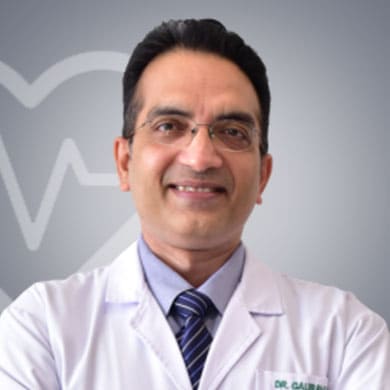

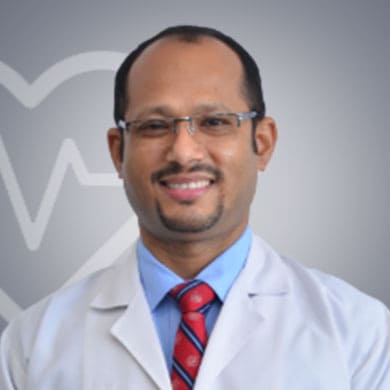
Gastroenterologist
Delhi, India
20 Years of experience
USD43 for video consultation
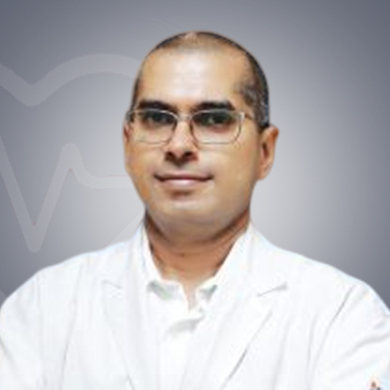
Gastrointestinal Surgeon
Delhi, India
27 Years of experience
USD32 for video consultation
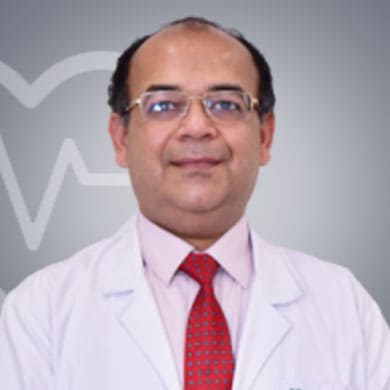
Cardiologist
Delhi, India
20 Years of experience
USD42 for video consultation

Orthopedic Surgeon
Delhi, India
26 Years of experience
USD32 for video consultation




Real experiences from patients who trusted MediGence for their healthcare journey.


