Your Notifications
All done, no notifications

Macular Degeneration Surgery: Symptoms, Classification, Diagnosis & Recovery

Macular degeneration is an age-related retinal condition that comes in two types: wet and dry. This eye disease causes loss of central vision, but it typically does not lead to total blindness. While there are treatments available, there is no cure.

Macular degeneration is a common condition in people over the age of 50. It affects the macula, the central part of the retina, which is located at the back of the eye and controls central vision. Individuals with macular degeneration retain their peripheral vision (the ability to see things off to the sides).

Types

The two types of macular degeneration are: Dry and wet.

  • Dry (Atrophic) Macular Degeneration: It is the most common type, affecting nearly 90% of individuals with the condition. It develops when tiny yellow protein deposits, known as drusen, accumulate under the macula. These deposits cause the macula to dry out and thin.

Vision loss in dry macular degeneration typically occurs gradually, and most people do not completely lose their central vision. However, in some cases, the dry form can progress to the wet form.

  • Wet (Exudative) Macular Degeneration: Wet macular degeneration, also known as exudative macular degeneration, occurs when abnormal blood vessels form under the retina and macula. These blood vessels leak blood and fluid, leading to fluid buildup and a bulge in the macula.

This type of macular degeneration is more severe and can rapidly lead to significant loss of central vision. About 10% of individuals with macular degeneration have a wet form. Symptoms may include seeing dark spots in the center of vision.

Following are the signs and symptoms of Macular Degeneration:

  • Being less able to see in low light.
  • Blurred vision.
  • difficulties with your color perception.
  • Low vision.
  • Blank spots in your field of vision.

During an eye examination, your eye doctor will assess changes to your retina and macula using various tests:

Amsler Grid Test: The Amsler grid consists of straight lines with a central dot. Your provider may ask you to identify blurry, wavy, or broken lines on the grid, as these may indicate macular degeneration or its progression. This test can also be used at home for symptom monitoring.

Dilated Eye Exam: Eye drops are used to dilate your pupils, allowing your provider to examine the inside of your eyes using a special lens.

Fluorescein Angiography: A yellow dye called fluorescein is injected into a vein in your arm. A specialized camera tracks the dye as it travels through the blood vessels in your eye, revealing any leakage under the macula.

Optical Coherence Tomography (OCT):

This non-invasive imaging machine captures detailed images of the back of your eye, including the retina and macula. You simply look into a lens while the machine takes pictures.

Optical Coherence Tomography Angiography (OCTA):

This diagnostic tool utilizes laser light reflection instead of fluorescein dye, combined with the OCT scanning device. It rapidly produces 3D images of blood flow through your eye.

Recovery from macular degeneration varies depending on the type and severity of the condition. While there may not be a complete recovery, treatments aim to slow progression and preserve remaining vision. Lifestyle changes, nutritional supplements, and surgical interventions may help manage symptoms and improve quality of life. Regular monitoring and follow-up appointments with an eye care specialist are essential for optimal management and adjustment of treatment strategies

Best Macular Degeneration Surgery Hospitals
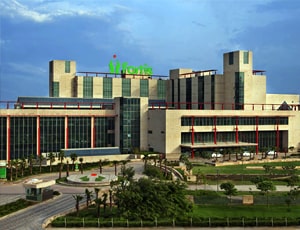
Fortis Healthcare Limited is a premier integrated healthcare delivery provider in India, with a netw...more

FACILITIES

Post-Surgery Care Services

special dietery food Choice of Meals

Online Doctor Consultation

Diet on Request

Joint Commission International, or JCINational Accreditation Board for Hospitals & Healthcare Providers (NABH)National Accreditation Board for Testing and Calibration Laboratories (NABL)
Prince Court Medical Centre

Prince Court Medical Centre

Kuala Lumpur, Malaysia

At the center of Kuala Lumpur, Malaysia, lies a 270-bed private medical facility called Prince Court...more

FACILITIES

Rehabilitation

Foreign Currency Exchange

Religious Facilities

Free Wifi

Consult Online with World’s Best Macular Degeneration Surgery

View All Doctors
Dr. Prashaant Chaudhry

Ophthalmologist

Delhi, India

15 of experience

USD  32 for video consultation

Dr. Jonathan Dowler
Dr. Jonathan Dowler

Ophthalmic Surgeon

London, United Kingdom

42 of experience

USD  645 for video consultation

Dr. Moin Mohamed
Dr. Moin Mohamed

Ophthalmic Surgeon

London, United Kingdom

34 of experience

USD  645 for video consultation

Dr. Rahila Zakir
Dr. Rahila Zakir

Ophthalmic and Vitreoretinal Surgeon

London, United Kingdom

35 of experience

USD  645 for video consultation

Explore Top Hospitals Worldwide for Macular Degeneration Surgery

Explore Top Hospitals for Macular Degeneration Surgery

Author

Dr. Abdullah Rahil

MPT (Neuro)

5 Years of Experience

Dr. Abdullah Rahil, M.P.T. (Neurology), is a dedicated physiotherapy professional specializing in orthopedic, neurological, and musculoskeletal rehabilitation. With strong clinical expertise, he focuses on improving patient mobility, reducing pain, and restoring functional independence through evidence-based rehabilitation techniques. He is skilled in advanced therapeutic approaches that support effective rehabilitation and recovery for a wide range of musculoskeletal and neurological conditions, focusing on improving mobility, reducing pain, and restoring functional independence. Dr. Rahil has extensive experience managing diverse rehabilitation cases. His patient-centered approach emphasizes personalized treatment plans, continuous assessment, and comprehensive rehabilitation to achieve optimal recovery outcomes. . View More