Your Notifications
All done, no notifications

Heart Double Valve Replacement Cost in Turkey

USD 5500 - USD 20000

Affordable World-class Treatment - Accredited Hospitals - Free Treatment Plan in 24 Hrs

7
Days in Hospital
14
Post-Hospital
85 - 95%
Success Rate
Heart Double Valve Replacement: Cost, Procedure and Clinics | MediGence
JCI/ISO 100,000+ Patients 24X7 Coordinator Visa & Travel handled
Your all-in-one medical travel platform for treatment, recovery & care.

Get Your Personalised Treatment Plan in Just 24 Hours.

Share your details to receive a personalised treatment plan, estimated costs, hospital recommendations, and expert guidance, “completely free.”

Required | alphabets and spaces
Required | A valid, working email address
Required | A valid contact
Connect with an Expert

Your information is protected with HIPAA-compliant security standards. We only share your details with hospitals after your consent.

Estimated Treatment Cost
USD 5500 - USD 20000
All-inclusive • Hospital + Medications + Recovery Assistance + Dedicated Care Coordinator

International Quality. Affordable Care.

How Much Does Double Valve Replacement Treatment Cost in Turkey?

The cost of Double Valve Replacement Treatment in Turkey typically ranges between USD 5500 - USD 20000. However, this cost can vary depending on several factors, including the type and severity of the condition, treatment techniques chosen, the healthcare facility's location and reputation, the treating professionals' experience and specialisation, and the patient's overall health status.

Additionally, factors like the duration of treatment, the need for follow-up care, and the use of advanced technologies or specialised treatments can further influence the overall cost.

Factors Influencing the Cost of Double Valve Replacement Treatment:

  • Type of Treatment: The cost can be influenced by the type of valve (mechanical or biological), with biological valves often costing more because of production and material expenses.
  • Hospital and Location: Hospitals in urban areas or those with higher operating expenses may charge more than rural hospitals.
  • Pre-Treatment Tests: Before surgery, diagnostic tests, such as imaging (e.g., CT scan, echocardiography) and laboratory workups, increase the overall cost.
  • Post-Treatment Care: The cost of the treatment might be significantly increased by post-operative care, which includes follow-up appointments, physical therapy, medications, and possible complications.
  • Length of Hospital Stay: Hospital stays may become more expensive due to complicated surgeries or complications.

Heart valve replacement surgery is the common term for double valve replacement surgery. The heart's valves must be changed when they stop working correctly. Replacement stops more damage to the heart's muscles and enables the heart to work effectively.

The aortic, mitral, pulmonary, and tricuspid valves are the heart's valves that allow blood to pass through the heart and out of the body. Any irreparable damage to the valves can result in valvular heart disease, which may worsen existing heart diseases if treatment is not received. Consequently, patients are frequently asymptomatic in the early stages. However, treatment should be started right away if symptoms are minimal.

What's included in your Heart Double Valve Replacement quote?

Heart Double Valve Replacement
Open-heart surgery to replace two damaged heart valves and restore normal heart function
Cardiac surgeon consultation
Pre-surgery evaluation, treatment planning, and follow-up consultations
Hospital stay & supportive care
Surgery, anaesthesia, ICU/ward care, nursing support, and recovery monitoring
Follow-up monitoring
ECG, echocardiography, anticoagulation review, and routine follow-up visits
Visa & medical-visa invite letter
Airport pickup & transfers

Cost of Heart Double Valve Replacement in Major Cities of Turkey

City Cost (USD)
Ankara $5,500 – $20,000 Explore More
Antalya $5,500 – $20,000 Explore More
Bursa $5,500 – $20,000 Explore More
Canakkale $4,950 – $18,000 Explore More
Elazig $4,950 – $18,000 Explore More
Istanbul $5,500 – $20,000 Explore More
Izmir $5,500 – $20,000 Explore More
Kocaeli $5,500 – $20,000 Explore More
Konya $5,500 – $20,000 Explore More
Ordu $5,500 – $20,000 Explore More
Samsun $5,500 – $20,000 Explore More
Tokat $4,950 – $18,000 Explore More
Trabzon $4,950 – $18,000 Explore More
Usak $4,950 – $18,000 Explore More
Zonguldak $4,950 – $18,000 Explore More

Double Valve Replacement - Turkey Vs the World

$0 - $0
$6k - $20k
$7k - $74k
$8k - $10k
$9k - $12k
$12k - $18k
$14k - $39k
$15k - $25k
$20k - $30k
$23k - $40k
$23k - $40k
$32k - $55k
$38k - $55k
Tanya Bose
Author

MSc Biotechnology

4 Years of Experience

Last Reviewed - June 2026

Tanya Bose is a medical content specialist with a strong medical background. She has completed her Bachelor's and Master’s in Biotechnology from Amity University. With a deep understanding of biomedical sciences and research, she develops authoritative and patient-focused medical content covering treatments, surgical procedures, and healthcare innovations. Her writing emphasizes accuracy, clarity, and evidence-based information to help readers better understand complex medical topics. She is dedicated to improving patient awareness and supporting informed healthcare decisions by delivering trustworthy medical insights in a clear and accessible format.
View More
Dr. Naresh Kumar Goyal
Reviewer

Cardiologist

21 Years of Experience

Last Reviewed - June 2026

Dr. Naresh Kumar Goyal is highly trained as a cardiologist with exposure in virtually all aspects of cardiology. He qualified with an MD in internal medicine in 1999 from SMS Medical College, Jaipur, and served in the Cardiology Department as an honorary resident. From this stage, he also started with training in the temporary pacing of the pacemaker as well as interventional services.
View More

Need Help Choosing the Right Treatment? Talk to a Medical Advisor

Our dedicated Medical Patient Advisors are here to answer your questions, help you compare treatment options, estimate costs, and guide you through every step of your healthcare journey.

15 min
Average response time

Serving Patients Worldwide in Multiple Languages.

Double valve surgery is described as a surgical procedure where two heart valves are repaired or replaced during the same operation. The heart has four valves—two atrioventricular valves (mitral and tricuspid) and two semilunar valves (aortic and pulmonary). These valves play a crucial role in ensuring blood flows in the correct direction through the heart. The heart valves play a crucial role in allowing nutrient-rich blood to flow through the heart's chambers. Ideally, each valve should close completely after guiding blood flow. However, when heart valves are diseased, they may not function properly.

Double valve surgery becomes necessary when both the aortic and mitral valves or both the mitral and tricuspid valves are affected by disease or dysfunction. The reasons for double valve surgery include:

Stenosis, which is the narrowing of blood vessels, reduces the normal blood flow to the heart, making the muscle work harder. Leaky valves, known as regurgitation, occur when a valve doesn't close tightly, allowing blood to flow backward. This can lead to symptoms of valvular heart disease, including fatigue, dizziness, lightheadedness, shortness of breath, cyanosis, chest pain, and fluid retention, especially in the lower limbs.

Heart valve repair is an option for treating valvular heart disease, but in some cases where the damage is severe, a total replacement of the affected valve may be the only solution.

There are two main types of replacement valves for treating faulty heart valves: mechanical and biological valves

Mechanical Valves: These are artificial components made from materials like carbon and polyester, well-tolerated by the human body. They serve the same purpose as natural heart valves and have a lifespan of 10 to 20 years. However, a drawback is the risk of blood clots. If you get a mechanical heart valve, you'll need to take blood thinners for life to reduce the risk of stroke.

Biologic Valves (Bioprosthetic Valves): These valves are crafted from human or animal tissue. There are three types:

  • Allograft or Homograft: Made from tissue taken from a human donor's heart.
  • Porcine Valve: Crafted from pig tissue, it can be implanted with or without a frame (stent).
  • Bovine Valve: Made from cow tissue and connected to the heart with silicone rubber.

This procedure occurs when the aortic and mitral valves are so severely damaged or diseased that they cannot function and sustain life. Rheumatic heart disease, calcific degeneration, infective endocarditis, or congenital abnormalities of the valves are some common causes of such damage. Following this operation, more blood flows through the heart, thus enhancing the cardiac output and alleviating the symptoms, namely, breathlessness and fatigue.

If you have persistent symptoms of shortness of breath, chest pain, palpitations, leg swelling, and/or unexplained tiredness, you must see a cardiologist. A heart murmur or an abnormality detected in the echocardiogram may lead to further evaluation of valve disease.

Before surgery, you will undergo an echocardiography, cardiac catheterisation, blood tests, an ECG, and maybe a chest X-ray or CT scan. You should stop some medications, such as blood thinners, from that point. The doctor will examine your overall health and fitness for surgery. Fasting will be required before the operation, and a consent form will be signed after briefing the person about the risks and benefits.

The procedure is performed under general anesthesia, and a median sternotomy (chest opening) is performed. The heart is stopped temporarily while an extracorporeal circulation system (heart-lung machine) takes over circulation. The damaged aortic and mitral valves are replaced with mechanical or bioprosthetic valves. Once this is done, the heart is restarted, and the chest is closed.

Double valve replacement surgery usually takes between 5 and 7 hours to complete, depending on the patient's status and technical considerations.

Appropriate valve replacement improves heart functioning, relieves symptoms, increases exercise capacity, and improves quality of life. It also prevents further damage to the heart and reduces the possibility of heart failure.

The patient undergoes 1\u20132 days of intensive care monitoring, followed by 7\u201310 days of in-hospital care after the surgery. Full recovery takes about 6\u201312 weeks, during which there is a gradual increase in physical activity. Cardiac rehabilitation is therefore indicated, as is routine follow-up. Medications might be used to control heart rhythm, anticoagulation, and sickness.

Generally, the success rate for double valve replacement is high, ranging between 85% and 95% for well-selected patients. Patients benefit more with timely surgery and good care following surgery. Risk increases with advanced age or the presence of severe conditions.

90–95%

Success rate for valve replacement surgery in suitable candidates

7–10 days

Typical hospital stay

6–12 weeks

Return to normal daily activities depending on recovery and cardiac rehabilitation
Explore Hospitals ( 48 )

Konya, Turkey

JCI
Starting
USD 15500

Bursa, Turkey

JCI ISO
Starting
USD 17000

Istanbul, Turkey

JCI
Starting
USD 20000

Istanbul, Turkey

JCI
Starting
USD 20000

Istanbul, Turkey

JCI
Starting
USD 20000

Kocaeli, Turkey

JCI
Starting
USD 17000

Ankara, Turkey

GHA
Starting
USD 18000
Starting
USD 19000

Kocaeli, Turkey

JCI ISO
Starting
USD 18000
Starting
USD 18000

Get Your Heart Double Valve Replacement
Plan in 24 hrs.

Our experienced Medical Patient Advisors have supported 100,000+ patients across 120+ countries with personalised treatment plans, hospital recommendations, cost estimates, and travel assistance, all free.

HIPAA-Compliant Data SecurityShared Only with Your Consent

Free Consultation No Obligation Personalized Treatment Plan Response Within 24 Hours

Required | alphabets and spaces
Required | A valid, working email address
Required | A valid contact

Your medical info has is HIPAA-style confidential. We never share with hospitals without your consent.

Process Involved for Heart Double Valve Replacement in Turkey

  • Pre-Surgery Evaluation & Preparation: ECG, echocardiogram, angiography, blood tests
  • Anesthesia & Surgical Incision: Sternotomy
  • Cardiopulmonary Bypass Initiation
  • Valve Removal & Replacement
  • Weaning from Bypass and Closure
  • Post-Surgery Recovery & Rehabilitation: ICU monitoring, Cardiac rehabilitation, Lifestyle modifications
  • Severe Aortic and Mitral Valve Stenosis or Regurgitation
  • Rheumatic Heart Disease (RHD)
  • Infective Endocarditis
  • Congenital Heart Defects
  • Degenerative Valve Disease
  • Heart Failure with Valve Dysfunction
  • Severe Valve Disease
    • Severe stenosis (narrowing)
    • Regurgitation (leakage)
  • Heart Failure Symptom
    • Shortness of breath
    • Fatigue
    • Swelling or chest pain
  • Rheumatic Heart Disease
  • Infective Endocarditis
  • Congenital Valve Defects
  • Mechanical Valves are composed of durable materials like Carbon and Titanium.
  • Biological Valves are composed of animal tissues like cow and pig.
  • Coronary Artery Bypass Grafting (CABG)
  • Valve Repair
  • Pacemaker Implantation
  • Aortic Aneurysm Repair
  • Endocarditis Treatment
  • Improves Heart Function
  • Relieves Symptoms of Breathlessness, fatigue, chest pain, swelling
  • Prevents Heart Failure and Stroke
  • Enhances Energy & Activity Levels
  • Boosts Longevity & Quality of Life
  • Cardiac Surgeon
  • Cardiologist
  • Perfusionist
  • Intensive Care Specialists
  • Physiotherapist
  • Rehabilitation Specialists
  • Fill out the inquiry form: Fill out the form to provide us with the relevant information about your condition.
  • Consult with Our Healthcare Expert: One of our qualified specialists will contact you for a consultation.
  • Receive a Detailed Treatment Plan: After examining your situation, we will provide you with a detailed treatment plan that includes expert views and cost breakdowns for various choices.
  • Choose your preferred option: Choose the therapy option that best suits you.
Jenny Wilson
Your Dedicated Medical Patient Advisor
Treatment planning • Hospital coordination • Multilingual support • Response within 15 minutes.
Our Services to Better your Experience

Opinion & Option

We submit the most accurate opinion and options from one or more countries for your review

Consult Privately

Consult with a certified specialist privately on our telemedicine platform even before you decide to travel

Logistics

We handle flights, visas, transfers, and accommodation—so you can focus on your health.

Recovery

Our In-house rehabilitation service packages to better your recovery and treatment outcome

Patient Stories

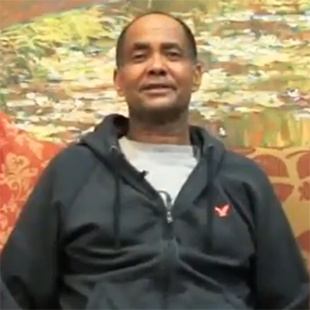
Mr Hailu Kassa : CABG Surgery
Mr Hailu Kassa
Mr Hailu Kassa : CABG Surgery

Mr. Hailu Kassa underwent Coronary Artery Bypass Surgery in Vejthani Hospital, Thailand under the supervision of Dr. Piya, Cardio-Thoracic Surgeon

Rod Schaubroeck
Rod Schaubroeck
Rod Schaubroeck : Double Valve Replacement

Patient Testimonial: Rod Schaubroeck from United States (U.S.A) underwent heart valve replacement at Fortis Hospital, India

Conditions treated by Heart Double Valve Replacement

Frequently Asked Questions

A. The cost of a Heart Double Valve Replacement procedure starts from USD 15000 in Turkey. Only some of the best and most certified hospitals in Turkey perform Heart Double Valve Replacement for international patients.

A. During a double valve replacement treatment, two of the heart's four valves are substituted with artificial valves. Though it can involve any two severely damaged or failing valves, this operation is usually performed to treat serious valve disorders that affect the aortic and mitral valves. Types of valves:

  • Mechanical Valves: These long-lasting valves are made of sturdy materials like carbon or titanium, but they need to be taken with blood thinners (anticoagulants) for the rest of one's life to prevent clots.
  • Biological (Tissue) Valves: These valves are typically not in need of long-term anticoagulation, although they can require replacement after ten to fifteen years if they are made from human or animal tissues (such as those from pigs or cows).

A. For individuals suffering from severe valve disease that affects both of the heart's valves, usually the aortic and mitral valves, double valve replacement surgery provides numerous important advantages. The main advantages are as follows:

  • Enhanced Blood Flow: By substituting healthy artificial valves for defective ones, the heart's ability to pump blood back into its chambers is increased, lessening the burden on its heart and enhancing cardiac health in general.
  • Decreased Symptoms: A significant decrease in symptoms like exhaustion, chest discomfort, and dyspnea is often seen by patients, improving their quality of life.
  • Lower Risk of Heart Failure: By treating severe valve dysfunction, the operation lessens the chance that heart failure—a dangerous and perhaps fatal condition—will develop.
  • Increased Activity: Many patients discover that they can resume their prior levels of exercise and physical activity following their recovery, which can enhance general health and well-being.
  • Normalization of Heart Rhythm: By treating valve failure, surgery can assist in bringing the heart's rhythm back to normal, which can lessen the need for drugs or other treatments to treat arrhythmias.

A. After double valve replacement surgery, several phases in the healing process can differ depending on a patient's health overall, the kind of valve replacement (mechanical or biological), and whether problems are present. Here's a broad rundown of things to anticipate during recovery:

  • Duration: Following surgery, patients usually stay in the Intensive Care Unit (ICU) for one to two days to get close monitoring. Breathing support, or mechanical ventilation, is utilized during surgery and may be needed for a brief period afterward. In a few hours to a day, the majority of patients stop using the ventilator.
  • Medication: They will be used to control pain and discomfort. As the healing process advances, pain levels should progressively decline.
  • Activity: To enhance circulation and avoid issues like blood clots, you will begin to move around and walk with assistance as soon as possible.
  • Incision: The chest surgical incision(s) will be watched for indications of infection or other problems. You'll get instructions on how to take care of the area where you were cut.
  • Physical Therapy: To help you rebuild strength and enhance cardiovascular fitness, cardiac rehabilitation or physical therapy may be suggested.
  • Appointments: Your cardiologist or surgeon will arrange for routine follow-up visits to monitor heart function, evaluate valve performance, and make any necessary medication adjustments.
  • Normalization: Individual recovery times can vary, but most patients return to their regular activities and lifestyle within 6 to 12 months.

A. Indeed, there are several long-term dangers and factors to take into account when undergoing double valve replacement surgery. The kind of valves utilized (mechanical vs. biological), the patient's general health, and the outcome of the surgery are some of the variables that can affect these risks. An outline of a few such long-term risks is provided below:

  • Anticoagulant Treatment: To prevent blood clots, mechanical valves need to take anticoagulation (blood-thinning) medication for the rest of their lives. This necessitates routine monitoring of blood clotting levels and can raise the risk of bleeding problems.
  • Thrombosis: Blood clots on the mechanical valve can still form despite anticoagulation medication, which increases the risk of stroke or other embolic events.
  • Dysfunction of the Valve: Although mechanical valves are made to endure a long time, there is a tiny chance that they will malfunction and need to be fixed further.
  • Biological valves, which are composed of tissue from humans or animals, usually have a lifespan of 10 to 15 years before they begin to degrade. This implies that patients may eventually require valve replacement or repair.
  • Less Anticoagulation: Patients with biological valves often need less anticoagulation than those with mechanical valves, but they still need to be closely watched for any potential bleeding or clotting issues.
  • Endocarditis: Even after valve replacement, there remains a chance of developing infective endocarditis, which is an infection of the heart valves. To lower this risk, prophylactic antibiotics could be advised before specific medical or dental operations.
  • Irregular Heart Rhythms: Following surgery, some patients may experience arrhythmias, or irregular heartbeats, which may call for medication or further therapies. After surgery, changes in the heart's structure or scar tissue may result in arrhythmias.
  • Hypertension: Controlling blood pressure is essential since elevated levels can put stress on the heart and interfere with the replacement valves' ability to function.
  • Regular Follow-Ups: To evaluate the replacement valves' performance, manage medication, and handle any new health concerns, a cardiologist's follow-up is required for life.

The main causes of this procedure's necessity are usually severe valve disease that impairs the heart's capacity to pump blood effectively. The following typical circumstances and causes that may call for a double valve replacement are listed:

A. The narrowing of the aortic valve, known as aortic stenosis, prevents blood from flowing from the left ventricle into the aorta. This may result in symptoms like fainting, chest discomfort, and dyspnea.

  • Aortic regurgitation: Blood from the aorta leaks back into the left ventricle as a result of a malfunctioning valve, taxing the heart more and possibly resulting in heart failure.
  • A narrowing of the mitral valve that prevents blood from flowing from the left atrium to the left ventricle is known as mitral stenosis. Symptoms of this illness include exhaustion, breathing difficulties, and leg swelling.
  • Mitral regurgitation: A malfunctioning valve that causes blood to flow backward from the left ventricle into the left atrium. This may result in symptoms such as heart palpitations, exhaustion, and dyspnea.
  • Concurrent Disease: Double valve replacement may be required to treat simultaneous dysfunction when the aortic and mitral valves are both significantly impacted, either by stenosis, regurgitation, or a mix of the two.
  • Conditions that are inherited or developmental: A few congenital disorders can result in many heart valve abnormalities, necessitating replacement to return the heart to normal function.
  • Age-Related Degeneration: As we age, our valve tissues may calcify or degenerate, which can result in regurgitation or stenosis. If both of the valves are impacted, replacement might be necessary.

A. The patient's general health, the kind of valves used, the degree of heart disease, and the patient's adherence to post-operative treatment are some of the variables that determine the patient's life expectancy following double valve replacement surgery. Although exact forecasts are not always accurate, many patients report considerable increases in their life expectancy and quality of life after surgery.

A. Long-term care after double valve replacement includes:

  • Imaging Tests: To assess the anatomy and function of the heart valves, routine echocardiograms or other imaging investigations may be planned.
  • Anticoagulation Therapy: To avoid blood clots, people with mechanical valves must take anticoagulants (blood thinners) for the rest of their lives. This entails routinely checking blood clotting levels (INR) and modifying medicine dosages as necessary.
  • Medication Adherence: Take all prescribed drugs as instructed, particularly those for heart health, blood pressure, and cholesterol. When beginning or discontinuing any medication, make sure you have spoken with your doctor to avoid missing any doses.
  • Imaging Tests: To assess the anatomy and function of the heart valves, routine echocardiograms or other imaging investigations may be planned.
  • Exercise: To increase cardiovascular fitness, follow your healthcare provider's recommendations and engage in frequent, moderate exercise. Steer clear of high-impact activities that raise the possibility of problems or injuries.
  • Prevention of Infections: Pay close attention to any indications of infection, particularly if your valve is mechanical. Notify your physician if you experience any symptoms, such as chills or fever.
  • Bleeding Risks: If you take anticoagulants, be mindful of the possibility of bleeding and take extra care when you cut or bruise yourself. If you are taking anticoagulants, wear a medical alert bracelet to let people know.
  • Immunizations: To avoid infections that could make your condition worse, make sure you are up to date on recommended immunizations, such as pneumococcal and flu shots.
  • Patient Education: Learn as much as you can about your health, prescription drugs, and lifestyle modifications. Being aware of your health enables you to follow your treatment plan and make wise decisions.

A. Different hospitals have different pricing policies when it comes to the cost of Heart Double Valve Replacement in Turkey. The Heart Double Valve Replacement package cost usually includes all the expenses related to pre and post-surgery expenses of the patient. The Heart Double Valve Replacement cost in Turkey includes the cost of anesthesia, medicines, hospitalization, and the surgeon's fee. A prolonged hospital stay due to delayed recovery, new diagnosis, and complications after surgery may increase the cost of Heart Double Valve Replacement in Turkey.

A. Many hospitals across the country offer Heart Double Valve Replacement to international patients. The top hospitals for Heart Double Valve Replacement in Turkey include the following:

A. While the speed of recovery may vary from patient to patient, they are still required to stay for about 21 days after discharge. This duration of stay is recommended to complete all the necessary follow-ups and control tests to ensure that the surgery was successful.

A. There are certain additional costs that the patient has to pay apart from the Heart Double Valve Replacement cost. These charges start from USD 50 per person.

A. Some of the popular cities in Turkey that offer Heart Double Valve Replacement include the following:

  • Istanbul
  • Antalya
  • Ankara
  • Fethiye

A. The average duration of stay at the hospital after Heart Double Valve Replacement is about 5 days for proper care and monitoring. This phase is important to ensure that the patient is recovering well and is clinically stable. During this time, several tests are performed before the patient is deemed suitable for discharge.

A. The average rating for Heart Double Valve Replacement hospitals in Turkey is 3.6. This rating is automatically calculated based on several parameters such as the infrastructure of the hospital, quality of services, nursing support, and other services.

A. There are more than 40 hospitals that offer Heart Double Valve Replacement in Turkey. The above-listed hospitals are approved to perform the surgery and have the proper infrastructure to handle Heart Double Valve, Replacement patients. Apart from good services, the hospitals are known to follow all standard and legal guidelines as dictated by the local medical affairs body or organization.

A. Some of the renowned medical specialists for Heart Double Valve Replacement in Turkey are:

Not Sure About Your Treatment Plan? Get a Free Second Opinion

Have your reports reviewed by independent oncology experts to help you make a confident treatment decision, all online within 48 hours.

Upload Your Reports
Free second opinion on your CAR-T plan