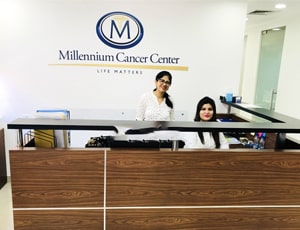
The Oncology Department at Millenium Cancer Center in India offers cancer diagnosis, treatment, and management, employing medical, surgical, and radiation interventions. The subspeciality is concerned with diverse cancers, including breast, lung, cervical, prostate, and gastrointestinal cancer. Oncology treatment may involve chemotherapy, radiation therapy, immunotherapy, hormone therapy, or surgery, usually conducted through multidisciplinary tumor boards.
New technologies like robotic surgery and molecular diagnostics enable precise and effective treatment. Early detection using public campaigns and screening services has led to improved outcomes. Oncology units closely coordinate with pathology, radiology, and genetics to offer customised treatment protocols in India. Rehabilitation and nutrition counselling are also provided to help patients recover better.

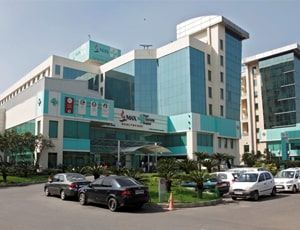
The Oncology Department at Max Super Speciality Hospital (Patparganj) in India deals with cancer diagnosis, treatment, and management, employing medical, surgical, and radiation interventions. The subspeciality is concerned with diverse cancers, including breast, lung, cervical, prostate, and gastrointestinal cancer. Treatment may involve chemotherapy, radiation therapy, immunotherapy, hormone therapy, or surgery, usually conducted through multidisciplinary tumor boards.
New technologies like linear accelerators, robotic surgery, and molecular diagnostics enable precise and effective treatment in India. Palliative medicine is also an important area of oncology, which brings relief and quality of life to late-stage patients. It closely coordinates with pathology, radiology, and genetics to offer customised treatment protocols.

The Oncology Department at Srikara Hospitals in India offers cancer prevention, diagnosis, and treatment. Medical oncology (chemotherapy, immunotherapy), surgical oncology (surgery for tumor removal), and radiation oncology (radiotherapy) fall under this. Oncologists practice in a multidisciplinary team to treat cancers involving multiple organs, such as the lungs, breasts, colon, prostate, etc.
The oncology department includes early detection, staging, and tailored treatment plans depending on the biology of the tumor. It also enables palliative care in symptom control and improvement of the quality of life in stage-advanced patients. PET-CT, targeted therapy, and precision medicine are essential technologies in India. Oncologists work with pathologists, radiologists, and surgeons for a multidisciplinary approach.

The Oncology Department at Tx Hospitals Banjara Hills in India deals with cancer diagnosis, treatment, and management, employing medical, surgical, and radiation interventions. The subspeciality is concerned with diverse cancers, including breast, lung, cervical, prostate, and gastrointestinal cancer. Treatment may involve chemotherapy, radiation therapy, immunotherapy, hormone therapy, or surgery, usually conducted through multidisciplinary tumor boards.
New technologies like linear accelerators, robotic surgery, and molecular diagnostics enable precise and effective treatment in India. Palliative medicine is also an important area of oncology, which brings relief and quality of life to late-stage patients. It closely coordinates with pathology, radiology, and genetics to offer customised treatment protocols.

Sharda Hospital, Noida, offers comprehensive cancer care through its oncology department, featuring medical, surgical, and radiation oncology. The hospital follows a multidisciplinary approach involving oncologists, surgeons, and specialists to deliver personalised treatment. Services include chemotherapy, targeted therapy, immunotherapy, precision medicine, and genetic counselling. Specialised care is available for oral and hereditary cancers, preventive oncology, and complete diagnostic facilities. Supportive services such as psychological counselling, nutrition guidance, and rehabilitation are provided. Involved in research and clinical trials, the hospital ensures advanced cancer treatment.
It is NABL and NABH-accredited, upholding global healthcare standards.

The Oncology Department at Fortis Hospital, Mohali in India, deals with cancer diagnosis, treatment, and management, employing medical, surgical, and radiation interventions. The subspeciality is concerned with diverse cancers, including breast, lung, cervical, prostate, and gastrointestinal cancer. Treatment may involve chemotherapy, radiation therapy, immunotherapy, hormone therapy, or surgery, usually conducted through multidisciplinary tumor boards.
New technologies like linear accelerators, robotic surgery, and molecular diagnostics enable precise and effective treatment in India. Palliative medicine is also an important area of oncology, which brings relief and quality of life to late-stage patients. It closely coordinates with pathology, radiology, and genetics to offer customised treatment protocols.

The Oncology Department at Fortis Flt. Lt. Rajan Dhall Hospital in India offers a full range of treatment modalities for solid and blood-based cancers, including medical (chemotherapy), surgical, and radiation therapy. Patient-centred care is achieved through a patient care team comprising an oncologist, surgeon, radiologist, nurse, and palliative care provider who work together to create an individualised care plan for each patient, with input from all team members.
It utilises technologies such as precision oncology, genomics, immunotherapy, targeted therapies, surgical robotics, and minimally invasive surgery, like MR Linac and Gamma Knife, to deliver accurate, effective radiotherapy while advancing cancer research, prevention and awareness, and the development of new cancer treatments. The Institute's governance is overseen by the Molecular Tumour Board in India.

The Oncology Department at Medeor Hospital is a specialised medical field that involves cancer prevention, diagnosis, and treatment. Medical oncology (chemotherapy, immunotherapy), surgical oncology (surgery for tumor removal), and radiation oncology (radiotherapy) are included. Oncologists practice in a multidisciplinary team to treat cancers involving multiple organs, such as the lungs, breasts, colon, prostate, etc.
The oncology department includes early detection, staging, and tailored treatment plans depending on the biology of the tumor. PET-CT, targeted therapy, and precision medicine are essential technologies for cancer treatment. In India, oncologists work with pathologists, radiologists, and surgeons to take a multidisciplinary approach. Follow-up and survivorship care programs are also integral to oncology.

The Oncology Department at Asian Institute of Medical Sciences in India offers comprehensive cancer prevention, diagnosis, and treatment services. Medical oncology (chemotherapy, immunotherapy), surgical oncology (surgery for tumor removal), and radiation oncology (radiotherapy) fall under this. Oncologists collaborate with pathologists, radiologists, and surgeons to employ a multidisciplinary approach to treat cancers involving multiple organs, such as the lungs, breasts, colon, prostate, etc.
The oncology department includes early detection, staging, and tailored treatment plans depending on the biology of the tumor. It also enables palliative care in symptom control and improvement of the quality of life in stage-advanced patients. PET-CT, targeted therapy, and precision medicine are essential technologies in India.

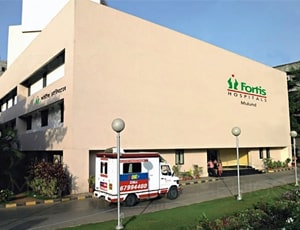
One of the finest locations to get state-of-the-art oncology treatment is Fortis Hospital in Mumbai, India. A team of experienced radiation, medical, and surgical oncologists at the Fortis Cancer Centre provides interdisciplinary care, developing personalised treatment plans for each patient. The hospital maintains precision and efficiency in addressing intricate tumours, including gastrointestinal, thoracic, and head and neck cancers, by applying advanced technologies such as the Radixact 9 TomoTherapy system and robotic surgery techniques. Early diagnosis, innovative treatments, genetic counselling, and palliative care are all included in its holistic strategy for cancer treatment in India.


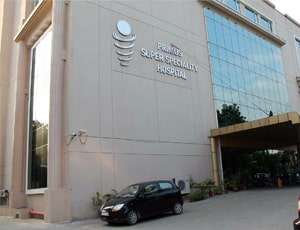
Max Super Speciality Hospital in India (Saket) is a top choice for full-range oncology care in India. The hospital provides a multidisciplinary model of cancer care, combining surgical, medical, and radiation oncology services. Sophisticated treatments include chemotherapy, immunotherapy, targeted therapy, and innovative radiation methods such as IMRT, IGRT, and SRS/SRT. The hospital is also well-equipped with advanced technologies like the Da Vinci XI robotic system for laparoscopic surgeries. Max Oncology staff specialises in treating breast, lung, gastrointestinal, and head and neck cancers. The hospital believes in delivering excellence, as seen by its accreditations from NABH and JCI, and in maintaining the highest standards of patient care.
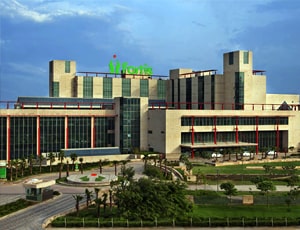
One of the finest locations to get state-of-the-art oncology treatment is Manipal Hospital in India. A team of experienced radiation, medical, and surgical oncologists at the hospital's Manipal Cancer Centre provides interdisciplinary care, developing personalised treatment plans for each patient. The hospital maintains precision and efficiency in addressing intricate tumours, including gastrointestinal, thoracic, and head and neck cancers, by applying advanced technologies such as the Radixact 9 TomoTherapy system and robotic surgery techniques. Early diagnosis, innovative treatments, genetic counselling, and palliative care are all included in its holistic strategy for cancer treatment in India.

ClearMedi Healthcare is a well-established Indian provider of oncology services that provides comprehensive cancer care. Their centres offer medical, surgical, and radiation oncology therapy. Treatment services include chemotherapy, targeted therapy, immunotherapy, and advanced radiation therapy such as IMRT, IGRT, and PET-based planning. Surgical oncology encompasses different cancer surgeries, and haemato-oncology provides bone marrow transplantation. ClearMedi also cares for the patients by providing pain management, palliative care, cancer screening, and rehabilitation. They deliver precise treatment by employing the latest technology, such as Linear Accelerators and PET-CT. In association with all over India, ClearMedi is spreading its oncology services, making special treatment easily accessible in cities like Delhi and beyond.
Ask your healthcare adviser for the best multiple options and choose the one that meets your expectations

Regarding cancer treatment, India offers some of the best care, utilising advanced technologies such as CyberKnife, Proton Therapy, and Immunotherapy. Hospitals here provide effective treatments for many types of cancer, such as breast, lung, brain, and prostate cancer, at a much lower cost compared to other countries. Skilled oncologists and modern medical equipment make it easier for patients to get the care they need quickly and safely.
Top cities, such as Delhi, Mumbai, Chennai, Bangalore, and Hyderabad, are renowned for their high-quality oncology services. These hospitals also assist international patients with everything from travel arrangements to finding accommodations, ensuring a smooth and stress-free experience. Choosing a hospital in these cities provides access to excellent care, comfort, and affordable treatment options for anyone battling cancer.
Here are some simple reasons why you should go to an oncology hospital in India:
Leading Oncology hospitals in India offer exceptional care to international patients, ensuring a seamless and comfortable experience. These dedicated services include:
| Doctor Name | Cost | Book Appointment |
|---|---|---|
| Dr. Anil Thakwani | 32 USD | Book Now |
| Dr. Hemkant Verma | 32 USD | Book Now |
| Dr. Dinesh Chandra Katiyar | 35 USD | Book Now |
| Dr. Vedant Kabra | 23 USD | Book Now |
| Dr. Pushpinder Gulia | 23 USD | Book Now |
| Procedure Name | Cost | Length of Hospital Stay |
|---|---|---|
| Chemotherapy | USD 700 | 1 Day |
| Cervical Cancer Treatment | USD 4500 | 1 Day |
| IMRT | USD 3800 | 2 Days |
| SRT | USD 4500 | 1 Day |
| Gamma Knife Radiosurgery | USD 5500 | 2 Days |
| CAR-T | Price on Request | 1 Day |
| Immunotherapy | USD 1800 | 1 Day |
| Hormonal Therapy | USD 700 | 1 Day |
| Mastectomy | USD 3000 | Not Required |
| Brachytherapy | USD 5000 | 1 Day |
| Abdominoperineal Resection | USD 6500 | 2 Days |
| Brain Cancer Treatment | USD 5500 | 1 Day |
| Prostatectomy | USD 3500 | 1 Day |
| Colon Cancer Treatment | USD 8000 | 1 Day |
.png)
Kidney cancer is a multifaceted disease that requires innovative medical skills, accurate diagnostic tools, and state-of-the-art treatment modalities. International patients must consider factors such as the quality of care
India has two accreditation standards for its healthcare organisations.
India is home to several large multispecialty care hospitals that offer first-class care; many of these are reputed for their facilities and the staff's skill set for Oncology surgery. Some of the healthcare facilities are:
The top oncology surgery hospital in India is a fully accredited, patient-friendly facility with highly skilled surgeons and cutting-edge technology. These include highly qualified medical teams before and after surgery, successful minimally invasive procedures, high success rates, affordable costs, and transparent pricing guidelines. These facilities are appropriate for local and foreign patients because some also provide follow-up services to ensure that patients maintain their new, healthy appearance and/or control their newly acquired chronic diseases.
There are several reasons for selecting Indian healthcare, especially for international patients seeking high-quality, affordable treatment. India is a well-liked medical tourism destination for the main reasons listed below:
When selecting a Oncology surgery hospital in India, consider the following factors:
Hospitals in India that specialise in Oncology have the following services aimed at helping international patients. Some of the key services available include:
Yes, Oncology hospitals in India provide the best pre-operative and post-operative care for patients undergoing various gynaecological treatments.
Pre-Operative Care-
Post-Operative Care-
There are numerous cancer treatments available. Several variables will affect how you are treated. These include your overall health, your preferences, and the type and stage of your cancer. To choose the best cancer treatment for you, you and your medical team can assess the advantages and disadvantages of each option.
Options for treating cancer include:
Some of the diagnostic services available at the Oncology Hospitals are mentioned below:
Since most doctors in India have gained international experience and education from renowned medical institutes, they are generally highly calibre. They adhere to international standards of care since they are experts and have knowledge in various fields. They are professional and up to date with the latest findings through attending workshops and international seminars. There are numerous acclaimed doctors in India.
The length of hospital stay varies depending on the type of cancer and treatment. Chemotherapy or radiation therapy is usually carried out on an outpatient basis, so patients are not required to stay overnight. However, surgical treatments such as tumour removal or more complicated surgeries require 1-3 days for minor procedures and 5-7 days for major surgeries. Extended stays are required for complications or post-operative care.
The most advanced treatments of oncology in India include:
The oncology hospitals of India offer various types of surgery as well as therapy to treat multiple types of cancers, such as:
One is them National Accreditation Board for Hospitals & Healthcare Providers (NABH) Standards. A benchmark has been set by National Accreditation Board for Hospitals & Healthcare Providers (NABH). The second accreditation is Joint Commission International whose quality benchmark is sought after by so many different healthcare providers. To accredite healthcare providers, two standards exist in India.
The general medical needs of patients are also taken care of by these hospitals. The topmost multispecialty hospitals in India are Max Super Specialty Hospital, Delhi, Medanta Medicity Hospital, Gurgaon, Artemis Hospital, Gurgaon, Fortis Hospital, Noida, Indraprastha Apollo Hospital Delhi and Nanavati Hospital, Mumbai. Indian multispecialty hospitals offer world class medical treatment at affordable cost. Many different kinds of surgeries are performed at these hospitals and they have several specialties.
Some of the other important factors that contribute to making India one of the most favored destinations for medical tourism are ease of travel, ease of communication, availability of alternative treatment, and visa assistance. India is synonymous with quality healthcare at affordable cost. Indian healthcare infrastructure is equivalent to international health standards and equate to high end technologies at par with the western world. The strengths of Indian pool of doctors are their professionalism, competence and the high level of precision and accuracy they bring to the treatment.
The doctors and surgeons in India provide you with the best of medical care and you feel right at home under their care. The doctors in India have been educated at premier educational institutions in the world. The proficiency of Indian doctors is well considered the world over considering their excellent skills and the precision with which they apply the skills to treat patients. Their confidence in meeting and overcoming newer healthcare challenges has ensured that doctors in India are sought after by patients all over the world.
Packing is always an important part when you are traveling to another country for medical treatment. Documents such as medical history, test reports, medical records, doctor referral notes, passport copies, residence/ driver's license/bank statement and health insurance details need to be carried to India for your medical treatment. The documents can be country specific so please check the documents before traveling. You can start your travel journey by making a list of things and ensuring that you pack them all before leaving.
The popular procedures performed in India are upgraded regularly with the increasing advancements in the medical and surgical fields. The steep rise in the number of popular procedures performed regularly in India is also because of a number of good hospitals and related healthcare facilities. The good quality of doctors who are providing treatment and performing surgeries at economical prices has led to the growth in procedures like heart surgeries, orthopaedic procedures, organ transplants and in treatment of cancer in India. Pacemaker Implantation Robotic Heart Surgery Coronary Heart Disease Treatment Coronary Angioplasty Bariatric Surgery Chemotherapy Ankle Replacement Kidney Transplant Valvular Heart Surgery Knee Replacement Surgery Bone Marrow Transplant Lung Transplant Thoracic Surgery LVAD Implantation Meniscus Repair Surgery CT Coronary Angiogram Hand Surgery Heart Blockage Treatment Hip Resurfacing Surgery Interventional Cardiography, Angioplasty Cochlear Implant
Vaccinations and up-to-date immunizations are important for any international travel. Please remain updated with the travel advisory issued by the Government of India or remain in touch with the hospital in India to get complete information on vaccination guidelines. Even those medical tourists coming to India must get it done. Your India visit would be safer if you have vaccinated yourself with hepatitis A, hepatitis B, Covid, typhoid fever, Japanese encephalitis, rabies, DPT, measles, yellow fever medicines.
Some of the facilities available at hospitals in India are room reservation, visa assistance, embassy assistance, hotel services/apartment bookings, language interpretation services, tele-consults, and pre departure evaluation. The health care providers in India are committed to giving their all to make your stay in the hospital comfortable. Any kind of travel, stay and treatment related assistance for medical tourists coming to India is provided by international patient care centers present in hospitals here. The comfort and safety provided by Indian hospitals is unmatched among all medical tourism destinations.
Affordable medical care with world-class facilities, impeccable patient care, and easily available medical visas make the country a foremost choice for international patients. Medical tourism sector in India is growing well also owing to the heavy promotion by the Government of India in collaboration with the private players in the sector. India is most definitely a medical tourism hub owing to its excellent medical services. The capital cities of Delhi, Mumbai. Hyderabad, Bengaluru, Kolkata are medical tourism centers in India.