Your Notifications
All done, no notifications

Breast Cancer Treatment Cost in India

USD 3000 - USD 20000

Affordable World-class Treatment - Accredited Hospitals - Free Treatment Plan in 24 Hrs

2
Days in Hospital
2-5 hrs
Procedure Time
75 - 95%
Success Rate
Breast Cancer Treatment: Cost, Procedure and Clinics | MediGence
JCI/ISO 100,000+ Patients 24X7 Coordinator Visa & Travel handled
Your all-in-one medical travel platform for treatment, recovery & care.

Get Your Personalised Treatment Plan in Just 24 Hours.

Share your details to receive a personalised treatment plan, estimated costs, hospital recommendations, and expert guidance, “completely free.”

Required | alphabets and spaces
Required | A valid, working email address
Required | A valid contact
Connect with an Expert

Your information is protected with HIPAA-compliant security standards. We only share your details with hospitals after your consent.

Estimated Treatment Cost
USD 3000 - USD 20000
All-inclusive • Hospital + Medications + Recovery Assistance + Dedicated Care Coordinator

International Quality. Affordable Care.

How Much Does Breast Cancer Treatment Cost in India?

The cost of a Breast Cancer Treatment in India typically ranges between USD 4500 - USD 6000.

However, this cost can vary depending on several factors, including the type and severity of the condition, treatment techniques chosen, the healthcare facility's location and reputation, the treating professionals' experience and specialization, and the patient's overall health status.

Additionally, factors like the duration of treatment, the need for follow-up care, and the use of advanced technologies or specialized treatments can further influence the overall cost.

Factors Influencing the Cost of Breast Cancer Treatment:

  • Type of Treatment: Mastectomy, radiation Therapy, Chemotherapy, Targeted Therapy, and immunotherapy.
  • Hospital and Location: This is equivocal because of the increased overhead cost that accompanies operations in large cities or urban areas compared to the countryside. It often costs more to stay in a private hospital or clinic.
  • Surgeon’s Expertise: Very experienced or specialized surgeons, particularly those acknowledged as regional or international experts, may well be more expensive than the average.
  • Pre-treatment tests: clinical investigations, mainly including imaging studies, blood tests, endoscopic examinations, and heart, lung, and kidney function tests. The performance of these tests enables the assessment of the general well-being of the patient and the possibility of surgery. These tests include X-ray, MRI, and CT.
  • Post-Surgical Care: In addition to the price, the costs of aftercare, such as hospitalization, physiotherapy, anesthesia and pain medication, follow-up visits, and possible complications, will also be included.
  • Length of Hospital Stay: Complex surgeries or complications may increase hospitalization costs.

What's included in your Breast Cancer Treatment quote?

Breast Cancer Treatment
Personalised treatment including surgery, chemotherapy, radiotherapy, hormone therapy, or targeted therapy as recommended
Oncology consultation
Pre-treatment evaluation, treatment planning, and follow-up consultations
Hospital stay & supportive care
Treatment, nursing care, pain management, and recovery monitoring
Follow-up monitoring
Imaging, lab tests, and routine oncology follow-up visits
Visa & medical-visa invite letter
Airport pickup & transfers

Cost of Breast Cancer Treatment in Major Cities of India

CityCost (USD)
Ahmedabad $4,050 – $5,400 Explore More
Amroha $3,600 – $4,800 Explore More
Bangalore $4,500 – $6,000 Explore More
Chennai $4,500 – $6,000 Explore More
Delhi $4,500 – $6,000 Explore More
Delhi / NCR $3,600 – $4,800 Explore More
Faridabad $4,500 – $6,000 Explore More
Ghaziabad $4,500 – $6,000 Explore More
Gurgaon $4,500 – $6,000 Explore More
Gurugram $4,500 – $6,000 Explore More
Hyderabad $4,500 – $6,000 Explore More
Kochi $4,500 – $6,000 Explore More
Kolkata $4,500 – $6,000 Explore More
Mohali $4,050 – $5,400 Explore More
Mumbai $4,500 – $6,000 Explore More
Noida $4,500 – $6,000 Explore More
Panjim $4,050 – $5,400 Explore More
Pune $4,050 – $5,400 Explore More

Breast Cancer Treatment - India Vs the World

$0 - $0
$0 - $0
$3k - $17k
$4k - $6k
$5k - $20k
$5k - $15k
$5k - $15k
$8k - $28k
$8k - $18k
$8k - $23k
$8k - $9k
$12k - $28k
$13k - $18k
$20k - $100k
Fauzia Zeb Fatima
Author

M.Pharm

4 Years of Experience

Fauzia Zeb is a distinguished medical and scientific content writer with a robust academic foundation in pharmaceutical sciences, holding a B.Pharm and M.Pharm degree from prestigious institutions, including MIT and Jamia Hamdard University. Her comprehensive expertise in pharmacology, clinical sciences, and biomedical research enables her to translate complex medical and scientific concepts into precise, evidence-based content tailored for diverse audiences. Specializing in peer-reviewed articles, clinical blog posts, and research-driven publications, she demonstrates a consistent ability to bridge the gap between advanced medical science and accessible, audience-specific communication.
View More
Dr Prateek Varshney
Reviewer

Surgical Oncologist

15 Years of Experience

Last Reviewed - June 2026

Dr. Prateek Varshney is a renowned Surgical Oncologist. He has experience of more than 15+ years in surgical Oncology. He is currently practicing as a consultant at Metro Mass Hospital and Cancer Institute. He was also previously associated as a consultant with Sir Ganga Ram Hospital and as a professor at Gujarat Cancer Research Institute.
View More

Need Help Choosing the Right Treatment? Talk to a Medical Advisor

Our dedicated Medical Patient Advisors are here to answer your questions, help you compare treatment options, estimate costs, and guide you through every step of your healthcare journey.

15 min
Average response time

Serving Patients Worldwide in Multiple Languages.

Breast cancer is a type of cancer that originates in the cells of the breast. While it can occur in men as well, it is far more prevalent in women.

Following skin cancer, breast cancer stands as the second most frequently diagnosed cancer among women in the United States. However, it's crucial to recognize that breast cancer is not exclusive to women, as everyone is born with some breast tissue, making it a condition that can affect individuals of any gender.

Improved breast cancer screening techniques enable healthcare providers to detect the presence of breast cancer at an earlier stage. Early cancer detection greatly increases the chances of effective therapy and recovery.

The exact reason that causes breast cancer is unclear, even though every eighth woman suffers from it. However, several factors have been associated with the development of breast cancer. Some of the breast cancer risk factors include:

  • Prolonged use of birth control pills
  • Obesity
  • Use of hormone replacement therapy
  • High breast density
  • Alcohol addiction
  • No history of pregnancy
  • Pregnancy after 35
  • Exposure to radiation

The risk of breast cancer naturally increases as women age. The risk is also higher in women who have a family history of breast or ovarian cancer, possess BRCA1 and BRCA2 genes, or have had their periods before the age of 12.

The main types of breast cancer are based on where the cancer begins, whether it's in the ducts or lobules of the breast, and whether it has spread beyond its original location. The two broad categories are in situ (confined to the site of origin) and invasive (has spread beyond the original location). Here are some common types:

  • Ductal Carcinoma In Situ (DCIS): This is a non-invasive cancer where abnormal cells are found in the lining of a breast duct but have not invaded nearby tissues.
  • Lobular Carcinoma In Situ (LCIS): LCIS is a non-invasive condition where abnormal cells are found in the lobules, but they do not penetrate the lobular walls
  • Invasive Ductal Carcinoma (IDC): This is the most common type of breast cancer, representing about 80% of invasive cases. IDC begins in the milk ducts but then invades nearby tissues in the breast.
  • Invasive Lobular Carcinoma (ILC): ILC starts in the milk-producing glands (lobules) but can invade nearby tissues in the breast. It is the second most common type of invasive breast cancer.

Breast cancer surgery, such as lumpectomy or mastectomy, removes cancerous tissue and adjacent tissues. A lymph node biopsy or axillary lymph node dissection would determine if the cancer has spread to the lymph nodes under the arm. Surgery can restore the shape of the breast after the removal of cancer.

Any changes in the breast, such as lumps, nipple, or skin changes, should be reported to a health professional immediately. Earlier detection and treatment result in better outcomes.

Inform your doctor about any medications, allergies, and medical conditions. It will be necessary for you to fast from midnight the night before the surgery. Inform your surgeon about all medicines you are taking, including blood thinners. Your doctor may suggest altering your diet or lifestyle in preparation for surgery.

Radiologists perform imaging using mammography and ultrasound to localise the tumor. A chip or wire marks the tumor site for the surgeon. The tumor with a margin of surrounding tissue will be extracted by the surgeon. Lymph node biopsies may be performed.

The length of surgery depends on the type of procedures, with total surgery times extending for several hours.

  • Pain
  • Infection
  • Metastasis
  • Fatigue
  • Infection

  • Surgery may physically separate the cancerous cells, thereby minimising the chance of progression.
  • A possibly successful outcome and cure for breast cancer may result from very early detection and treatment.
  • The treatment can help in symptom management and improve overall well-being.

Pain medications and other techniques are used to treat pain. Consistent follow-up with your physician is essential to monitoring for recurrence and ongoing assistance with side effects. You should continue with physical activity gradually, but always follow your doctor's instructions.

The success rate of treating breast cancer varies with the stage of cancer, the type of treatment, and the individual.

80–99%

Five-year survival rate (depends on cancer stage and subtype)

2–7 days

Typical hospital stay (varies by treatment)

4–8 weeks

Return to normal daily activities depending on treatment and recovery
Explore Hospitals ( 67 )

Delhi, India

5.0 - 1 review · 650+ Beds · 302+ Procedures
JCI NABH
Starting
USD 4500

Gurgaon, India

3.3 - 4 reviews · 750+ Beds · 306+ Procedures
JCI NABH
Starting
USD 4000

Gurgaon, India

3.4 - 1 review · 1250+ Beds · 281+ Procedures
JCI NABH
Starting
USD 5000

Mumbai, India

450+ Beds · 291+ Procedures
JCI
Starting
USD 8000

Ghaziabad, India

4.9 - 1 review · 370+ Beds · 277+ Procedures
NABL NABH
Starting
USD 4000

Gurgaon, India

104+ Beds · 272+ Procedures
ISO NABH NABL
Starting
USD 4500

Delhi, India

4.4 - 5 reviews · 710+ Beds · 304+ Procedures
JCI
Starting
USD 6160

Hyderabad, India

550+ Beds · 281+ Procedures
JCI
Starting
USD 5260

Hyderabad, India

435+ Beds · 249+ Procedures
NABH NABL
Starting
USD 5090

Mumbai, India

225+ Beds · 241+ Procedures
NABL
Starting
USD 4000

Get Your Breast Cancer Treatment
Plan in 24 hrs.

Our experienced Medical Patient Advisors have supported 100,000+ patients across 120+ countries with personalised treatment plans, hospital recommendations, cost estimates, and travel assistance, all free.

HIPAA-Compliant Data SecurityShared Only with Your Consent

Free Consultation No Obligation Personalized Treatment Plan Response Within 24 Hours

Required | alphabets and spaces
Required | A valid, working email address
Required | A valid contact

Your medical info is kept HIPAA-style confidential. We never share with hospitals without your consent.

Process Involved for Breast Cancer Treatment in India

  • Consultation: Share information about the diagnosis, staging, and treatment options with a specialist in breast cancer, an oncologist, or a surgeon.
  • Preoperative evaluation: Imaging procedures and biopsy are conducted to evaluate the tumour's size, site, and metastasis to lymph nodes or distant organs.
  • Discussion with Treatment: Treatment is discussed, which can be surgery, chemotherapy, radiation therapy, hormone therapy, targeted therapy, immunotherapy, or a combination depending on the type and stage of the cancer.
  • Planning Surgery: If surgery is needed, information about the procedure is discussed.
  • Post-Surgery, Follow-up: Regular follow-up visits and imaging are done to assess recovery, look for recurrence, and treat side effects or complications.
  • Invasive ductal carcinoma (IDC)
  • Invasive lobular carcinoma (ILC)
  • Early-stage breast cancer
  • Locally advanced breast cancer
  • Hormone receptor-positive breast cancer
  • HER2-positive breast cancer
  • Triple-negative breast cancer
  • Breast cancer therapy is advised in those patients diagnosed with a variety of breast cancer subtypes, such as invasive ductal carcinoma, invasive lobular carcinoma, and other subtypes.
  • The suitability for treatment would also vary according to the location, stage, and type of the tumor and the patient's general well-being, hormone receptor status, HER2 status, and other medical factors.
  • Surgical resection (lumpectomy, mastectomy)
  • Chemotherapy
  • Radiation therapy
  • Hormone therapy
  • Targeted therapy
  • Immunotherapy
  • Reduces mortality by excising or eliminating the tumor and deterring recurrence.
  • It can decrease symptoms like pain, swelling, and skin changes.
  • Offers reconstructive surgery options for enhancing aesthetic results following mastectomy.
  • Improves the quality of life by enabling early discovery and tailored treatment methods.
  • Medical Oncologist
  • Radiation Oncologist
  • Surgical Oncologist
  • Fill out the inquiry form: Fill out the form to provide us with the relevant information about your condition.
  • Consult with Our Healthcare Expert: One of our qualified specialists will contact you for a consultation.
  • Receive a Detailed Treatment Plan: After examining your situation, we will provide you with a detailed treatment plan that includes expert views and cost breakdowns for various choices.
  • Choose your preferred option: Choose the treatment option that suits you the best.
Jenny Wilson
Your Dedicated Medical Patient Advisor
Treatment planning • Hospital coordination • Multilingual support • Response within 15 minutes.
Our Services to Better your Experience

Opinion & Option

We submit the most accurate opinion and options from one or more countries for your review

Consult Privately

Consult with a certified specialist privately on our telemedicine platform even before you decide to travel

Logistics

We handle flights, visas, transfers, and accommodation—so you can focus on your health.

Recovery

Our In-house rehabilitation service packages to better your recovery and treatment outcome

Patient Stories

Marie Lebon
Marie Lebon
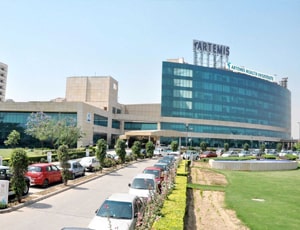
Marie Lebon Underwent Breast Cancer Surgery in Artemis Hospital, Gurgaon, India

My sister and I are both very appreciative to the medical staff at Artemis Hospital for making the procedure easy…

Patient from Bangladesh underwent Breast Cancer Treatment in India
Yeanur Begum
Patient from Bangladesh underwent Breast Cancer Treatment in India

This is the story of how Yeanur from Bangladesh successfully underwent Breast Cancer Treatment in India at Pratiksha Hospital in…

Frequently Asked Questions

The cost of breast cancer treatment in India is USD 4500 - 6000 and varies depending on the cancer stage, tumour characteristics, diagnostic tests, treatment plan, hospital, and whether surgery, chemotherapy, radiation therapy, targeted therapy, immunotherapy, or hormone therapy is required. International patients should obtain an individualized treatment estimate after medical evaluation.

Choose a doctor based on their experience treating your specific type and stage of breast cancer, oncology specialisation, surgical expertise where applicable, treatment outcomes, access to multidisciplinary care, and experience with advanced treatment techniques. A doctor who works within a multidisciplinary cancer team can help coordinate surgery, systemic therapy, and radiation when required.

Breast-conserving surgery, also called lumpectomy, may be suitable for selected patients, particularly when the tumour can be removed with clear margins while preserving most of the breast. It is often followed by radiation therapy. Suitability depends on tumour size, location, number of tumours, breast size, cancer characteristics, and other clinical factors.

Mastectomy may be recommended when the tumour is extensive, there are multiple tumours, breast-conserving surgery is not appropriate, or there are specific genetic or clinical risk factors. The decision is individualised and may include options for immediate or delayed breast reconstruction.

Yes, breast reconstruction may be available following mastectomy or, in selected cases, other breast cancer surgeries. Reconstruction can use implants or the patient's own tissue. It may be performed immediately during cancer surgery or later, depending on the patient's cancer treatment plan and medical condition.

The type of breast cancer is established through diagnostic imaging and tissue biopsy. Pathology testing can determine tumour characteristics, including hormone receptor status and HER2 status. Additional molecular or genetic tests may be recommended for selected patients to help guide treatment decisions.

Follow-up depends on the type and stage of cancer and the treatments received. It generally includes regular consultations, physical examinations, appropriate breast imaging, monitoring for treatment-related effects, and assessment for recurrence. The treating oncology team will establish an individualised follow-up schedule.

The success rate of breast cancer treatment is , and it depends largely on the cancer stage, tumour biology, receptor status, genetic characteristics, overall health, and response to treatment. Early-stage breast cancer generally has a much better prognosis than advanced disease. Rather than relying on a single success-rate figure, patients should ask the treating cancer team about expected outcomes for their specific diagnosis.

Treatment may include digital mammography, breast ultrasound, breast MRI, image-guided biopsy, molecular and genetic testing, breast-conserving surgery, mastectomy, sentinel lymph node biopsy, chemotherapy, radiotherapy, hormone therapy, targeted therapy, and immunotherapy in India. Some centres may also offer advanced radiation planning, genomic testing, and reconstructive breast surgery.

Risks depend on the treatment used. Surgery may cause pain, infection, bleeding, scarring, changes in breast sensation, or lymphoedema. Chemotherapy can cause fatigue, nausea, hair loss, infection risk, and other side effects. Radiation may cause skin changes and fatigue, while targeted, hormonal, and immunotherapies have their own potential adverse effects.

Before travelling, patients should collect pathology and biopsy reports, imaging scans, medical records, previous treatment details, medication lists, and relevant laboratory results. An online consultation with the oncology team can help establish the diagnosis and preliminary treatment plan. Patients should also arrange travel, accommodation, insurance, and medical visa requirements where applicable.

Yes. Many hospitals and international-patient services offer online consultations before travel. The oncologist can review pathology reports, imaging, previous treatment records, and other medical information to determine whether additional investigations are required and provide a preliminary treatment recommendation.

International patients should generally carry their passport, medical records, biopsy and pathology reports, imaging reports and scans, laboratory results, previous treatment summaries, medication list, referral letters, and relevant insurance or financial documents. Original pathology slides or tissue blocks may also be requested for review in some cases.

The duration depends on the treatment plan. Surgery may require a shorter stay, while radiation therapy, chemotherapy, or combined treatments may require several weeks or repeated visits. The treating team can provide a more accurate timeline after reviewing the patient's diagnosis, treatment stage, and planned therapies.

Recovery varies according to the treatment received. After breast surgery, many patients gradually resume normal activities within a few weeks, although complete recovery can take longer. Recovery from chemotherapy and radiation depends on the treatment schedule and individual response. Rehabilitation and follow-up care may continue after active treatment ends.

Complications should be reported promptly to the treating medical team. The hospital can assess the problem and provide appropriate treatment, such as medication, wound care, additional investigations, or further intervention. International patients should also have a clear follow-up plan and emergency contact before returning home.

International patients can typically begin by submitting their medical records, pathology reports, imaging, and treatment history for review. After evaluation, the hospital or international healthcare coordinator can help arrange an online consultation, treatment plan, cost estimate, hospital appointment, travel assistance, and follow-up schedule.

India may be considered by international patients because of its availability of specialized oncology centres, experienced cancer specialists, modern diagnostic and treatment facilities, multidisciplinary cancer care, and access to different treatment modalities. Patients should compare hospitals based on clinical expertise, accreditation, treatment capabilities, outcomes, and international-patient support rather than cost alone.

Treatment depends on the type and stage of breast cancer and may include breast-conserving surgery, mastectomy, sentinel lymph node biopsy or lymph node surgery, chemotherapy, radiation therapy, hormone therapy, targeted therapy, immunotherapy, and reconstructive surgery in India. Some patients may also be eligible for clinical trials or newer precision-oncology approaches.

Not Sure About Your Treatment Plan? Get a Free Second Opinion

Have your reports reviewed by independent oncology experts to help you make a confident treatment decision, all online within 48 hours.

Upload Your Reports
Free second opinion on your CAR-T plan

Get Insight with our Blogs

Mrs. Ringcook Devi Underwent Mastectomy Surgery in BLK - MAX Hospital, Delhi, India
Patient Stories

Mrs. Ringcook Devi Underwent Mastectomy Surgery in BLK - MAX Hospital, Delhi, India

Although it can happen to both men and women, breast cancer is more common in women. Breast cells are the source of breast cancer. One of the most typical cancers in women is breast cancer.

Published: 06 Oct, 2023
Updated: 02 Mar, 2026