
BLK-Max Super Speciality Hospital
Delhi, India
In India, BLK Super Speciality Hospital is one of the leading medical institutions, famous for its quality in neurology and neuroscience. The hospital's Department of Neurology diagnoses and treats many neurological issues, including stroke, epilepsy, Parkinson's disease, multiple sclerosis, and neuromuscular disorders, using the latest technology.
BLK is considered to be one of India's best neurology centres. It has advanced neuroimaging, neurocritical care units, and an experienced team of neurologists and neurosurgeons. The hospital is famous for offering personalised care, modern treatment methodologies, and a multispecialty approach, which attracts patients from across India and internationally.
Please Enquire
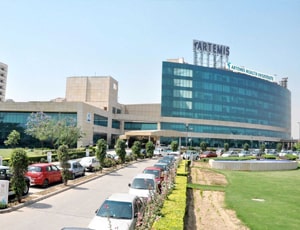
The Neurology Department at Artemis Health Institute Hospitals in India offer treatment for brain, spinal cord, and nervous system diseases. Neurologists also diagnose and provide treatment for conditions such as epilepsy, stroke, Parkinson's disease, multiple sclerosis, Alzheimer's disease, headaches, neuropathy, and movement disorders. Neurologists utilise diagnostic modalities such as MRI, CT scans, EEGs, and nerve conduction studies to assess brain and nerve function.
Emergency neurological service is crucial during acute stroke and traumatic brain injury. Long-term management involves a combination of medication therapy, physiotherapy, occupational therapy, and speech therapy. Subspecialties such as pediatric neurology, neuroimmunology, and neurocritical care enable focused treatment in India. The department also manages sleep disorders, dizziness, and balance problems.

The Neurology Department at Medanta-The Medicity (JCI and NABH-accredited) in India is a medical speciality concerning brain, spinal cord, and nervous system diseases. Neurologists also diagnose and provide treatment for conditions such as epilepsy, stroke, Parkinson's disease, multiple sclerosis, Alzheimer's disease, headaches, neuropathy, and movement disorders. Neurologists evaluate brain and nerve function using diagnostic modalities such as MRI, CT scans, EEGs, and nerve conduction studies.
Emergency neurological service is crucial during acute stroke and traumatic brain injury. Long-term management involves drug therapy, physiotherapy, occupational therapy, and speech therapy. Subspecialties such as pediatric neurology, neuroimmunology, and neurocritical care enable focused treatment in India. The department also manages sleep disorders, dizziness, and balance problems.

Gleneagles Hospitals in Mumbai is renowned for its comprehensive neurology departments, which offer advanced care for various neurological conditions. The Mumbai centre's services include diagnosis, treatment, and management of conditions like epilepsy, movement disorders, and neurodegenerative diseases. The hospitals ensure precise care by utilising advanced technology such as awake craniotomy and gamma knife radiosurgery. A multidisciplinary approach integrates neuroradiology, neuro-intervention, and intensive care. It is also engaged in research, driving innovation in neurological treatment.
Gleneagles Hospitals, India, is accredited by JCI, reflecting international patient care and safety standards.

Max Super Specialty Hospital, Vaishali
Ghaziabad, India
Comprehensive neurology care is offered by Max Super Speciality Hospital in Vaishali, Ghaziabad, which treats a variety of neurological conditions, including multiple sclerosis, stroke, epilepsy, Parkinson's disease, and neuropathies.
Advanced diagnostic technologies such as MRI, CT, EEG, and EMG support the neurology department at Max Super Speciality Hospital, guaranteeing precise and prompt diagnosis. The hospital maintains the highest clinical performance and patient safety standards and is accredited by both NABH and NABL.
To provide individualised care to enhance patient outcomes and quality of life, Max Super Speciality Hospital employs a multidisciplinary approach, combining the knowledge of neurologists, neurosurgeons, and rehabilitation specialists.
Please Enquire

The Neurology Department at Max Hospital (Gurugram), India, provides comprehensive evaluation, diagnosis, and treatment of disorders affecting the brain, spinal cord, and nervous system. Staffed by experienced neurologists and supported by advanced diagnostic technology, the department delivers high-quality, patient-focused care.
Common conditions treated include stroke, epilepsy, multiple sclerosis, Parkinson’s disease, migraines, neuropathies, and neurodegenerative disorders. The department utilises state-of-the-art tools, including EEG, EMG, MRI, CT scans, and nerve conduction studies, to ensure accurate assessments. Acute stroke care, seizure management, and long-term neurological rehabilitation are key services, with a multidisciplinary team approach involving neurologists, radiologists, physiotherapists, and speech therapists. Patients benefit from personalised treatment plans designed to manage symptoms, slow disease progression, and improve quality of life.

The Neurology Department at Fortis Escorts Heart Institute, Okhla in India offer treatment for brain, spinal cord, and nervous system diseases. Neurologists also diagnose and provide treatment for conditions such as epilepsy, stroke, Parkinson's disease, multiple sclerosis, Alzheimer's disease, headaches, neuropathy, and movement disorders. Neurologists use diagnostic modalities like MRI, CT scan, EEG, and nerve conduction studies to evaluate brain and nerve function.
Emergency neurological service is crucial during acute stroke and traumatic brain injury. Long-term management involves medication therapy, physiotherapy, occupational therapy, and speech therapy. Subspecialties such as pediatric neurology, neuroimmunology, and neurocritical care enable focused treatment in India. The department also manages sleep disorders, dizziness, and balance problems.

Indraprastha Apollo Hospital in Delhi's Neurology Department provides thorough diagnosis and treatment for various neurological conditions. The department treats ailments like stroke, epilepsy, Parkinson's disease, multiple sclerosis, migraines, and neuromuscular disorders and is outfitted with cutting-edge neuroimaging, electrophysiology, and neuro-navigation devices.
Through medicinal management, surgical intervention, and neuro-rehabilitation, a multidisciplinary team of neurologists, neurosurgeons, rehabilitation specialists, and therapists guarantees individualised care. For precise diagnosis and efficient treatment planning, the hospital also offers specialised stroke care units and epilepsy monitoring systems. Supported by JCI accreditation and emphasising clinical excellence and patient safety, the department provides top-notch neurological care for adult and pediatric patients, drawing patients from all across India and abroad.

Please Enquire
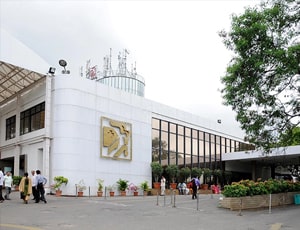
The Neurology Department at Apollo Hospitals (NABH and JCI-accredited) in India offer treatment for brain, spinal cord, and nervous system diseases. Neurologists also diagnose and provide treatment for conditions such as epilepsy, stroke, Parkinson's disease, multiple sclerosis, Alzheimer's disease, headaches, neuropathy, and movement disorders. Neurologists utilise diagnostic modalities such as MRI, CT scans, EEGs, and nerve conduction studies to assess brain and nerve function.
Emergency neurological service is crucial during acute stroke and traumatic brain injury. Long-term management involves a combination of medication therapy, physiotherapy, occupational therapy, and speech therapy. Subspecialties such as pediatric neurology, neuroimmunology, and neurocritical care enable focused treatment in India.

The Neurology Department at Sterling Wockhardt Hospital in India specialises in treating diseases affecting the brain, spinal cord, and nervous system. Neurologists also diagnose and provide treatment for conditions such as epilepsy, stroke, Parkinson's disease, multiple sclerosis, Alzheimer's disease, headaches, neuropathy, and movement disorders. Neurologists utilise diagnostic modalities such as MRI, CT scan, EEG, and nerve conduction studies to assess brain and nerve function.
Emergency neurological service is crucial during acute stroke and traumatic brain injury. Long-term management involves physiotherapy, occupational therapy, and speech therapy. Subspecialties such as pediatric neurology, neuroimmunology, and neurocritical care enable focused treatment in India. The neurology department also manages sleep disorders, dizziness, and balance problems.

The Neurology Department at Star Hospitals in India treats brain, spinal cord, and nervous system diseases. Neurologists also diagnose and provide treatment for conditions such as epilepsy, stroke, Parkinson's disease, multiple sclerosis, Alzheimer's disease, headaches, neuropathy, and movement disorders. Neurologists use diagnostic modalities like MRI, CT scan, EEG, and nerve conduction studies to evaluate brain and nerve function.
Emergency neurological service is crucial during acute stroke and traumatic brain injury. Long-term management involves drug therapy, physiotherapy, occupational therapy, and speech therapy. Subspecialties such as pediatric neurology, neuroimmunology, and neurocritical care enable focused treatment in India. The department also manages sleep disorders, dizziness, and balance problems.

Please Enquire

The Neurology Department at Venkateshwar Hospital (NABH and NABL-accredited) in India treats brain, spinal cord, and nervous system diseases. Neurologists also diagnose and provide treatment for conditions such as epilepsy, stroke, Parkinson's disease, multiple sclerosis, Alzheimer's disease, headaches, neuropathy, and movement disorders. Neurologists utilise diagnostic modalities such as MRI, CT scans, EEGs, and nerve conduction studies to assess brain and nerve function.
Emergency neurological service is crucial during acute stroke and traumatic brain injury. Long-term management involves physiotherapy, occupational therapy, and speech therapy. Subspecialties such as pediatric neurology, neuroimmunology, and neurocritical care enable focused treatment in India.
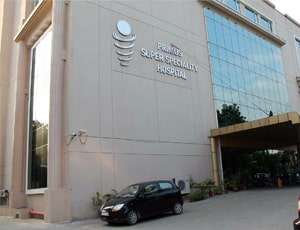
Primus Super Speciality Hospital
Delhi, India


.png)