Your Notifications
All done, no notifications

Hormonal Therapy Cost in India

USD 500 - USD 260000

Affordable World-class Treatment - Accredited Hospitals - Free Treatment Plan in 24 Hrs

15-60 min
Procedure Time
70 - 90%
Success Rate
Hormone Therapy
JCI/ISO 100,000+ Patients 24X7 Coordinator Visa & Travel handled
Your all-in-one medical travel platform for treatment, recovery & care.

Get Your Personalised Treatment Plan in Just 24 Hours.

Share your details to receive a personalised treatment plan, estimated costs, hospital recommendations, and expert guidance, “completely free.”

Required | alphabets and spaces
Required | A valid, working email address
Required | A valid contact
Connect with an Expert

Your information is protected with HIPAA-compliant security standards. We only share your details with hospitals after your consent.

Estimated Treatment Cost
USD 500 - USD 260000
All-inclusive • Hospital + Medications + Recovery Assistance + Dedicated Care Coordinator

International Quality. Affordable Care.

How Much Does Hormone Therapy Treatment Cost in India?

The cost of Hormone Therapy Treatment in India typically ranges between USD 3500 - USD 5500.

However, the overall cost may vary depending on the type of cancer, hormone therapy medication used, treatment duration, dosage schedule, healthcare facility, and the patient’s individual clinical needs.

Additional expenses, such as diagnostic tests, specialist consultations, treatment monitoring, supportive medications, and follow-up care, may also affect the total treatment cost.

Factors Influencing the Cost of Hormone Therapy Treatment:

  • Type of Hormone Therapy: Costs may vary depending on the medication used, such as anti-oestrogen therapy, aromatase inhibitors, or androgen-deprivation therapy.
  • Cancer Type and Stage: The type, stage, and hormone-receptor status of the cancer may influence the treatment plan and overall cost.
  • Treatment Duration and Medication: The prescribed medication, dosage, route of administration, and duration of therapy can affect the total expense.
  • Diagnostic and Monitoring Tests: Blood tests, imaging studies, and hormone or tumour-related assessments may be required before and during treatment.
  • Hospital and Specialist Fees: Costs may differ depending on the healthcare facility, oncologist consultations, treatment administration, and follow-up requirements.
  • Follow-Up and Supportive Care: Regular monitoring, medication adjustments, and supportive treatment for therapy-related side effects may increase the overall cost.

What's included in your Hormonal Therapy quote?

Hormonal therapy
Endocrinologist fee, medications
Endocrinology consultations
Pre-treatment evaluation, dose planning, and follow-up consultations
Key: Day-care treatment sessions
Clinic visits
5–7-day in-country follow-up
Value: monitoring, blood tests, and treatment review
Visa & medical-visa invite letter
Airport pickup & transfers

Cost of Hormonal Therapy in Major Cities of India

CityCost (USD)
Amroha $2,800 – $4,400 Explore More
Bangalore $3,500 – $5,500 Explore More
Calicut $2,800 – $4,400 Explore More
Chennai $3,500 – $5,500 Explore More
Delhi $3,500 – $5,500 Explore More
Faridabad $3,500 – $5,500 Explore More
Ghaziabad $3,500 – $5,500 Explore More
Gurgaon $3,500 – $5,500 Explore More
Gurugram $3,500 – $5,500 Explore More
Hyderabad $3,500 – $5,500 Explore More
Kochi $3,500 – $5,500 Explore More
Kolkata $3,500 – $5,500 Explore More
Mohali $3,150 – $4,950 Explore More
Mumbai $3,500 – $5,500 Explore More
Noida $3,500 – $5,500 Explore More
Panjim $3,150 – $4,950 Explore More

Hormone Therapy - India Vs the World

$100 - $300
$230 - $2k
$300 - $4k
$1k - $5k
$1k - $3k
$2k - $6k
$2k - $10k
$2k - $5k
$4k - $6k
Dr. Vijita Jayan
Author

BPT, MPT (Neuro)

18 Years of Experience

With over 18 years of distinguished clinical experience, Dr. Vijita Jayan is a highly accomplished Clinical Director and Rehabilitation Specialist, renowned for her expertise in neuro-rehabilitation, functional recovery, and mobility-dependent case management. Her extensive practical knowledge enables her to design and implement individualized, evidence-based rehabilitation protocols that consistently yield measurable patient outcomes. A prolific researcher and academic writer, she has authored numerous peer-reviewed articles and research papers, significantly advancing the field of rehabilitative medicine. The recipient of multiple prestigious accolades, Dr. Jayan is widely regarded as one of the foremost authorities in Physical Medicine and Rehabilitation, continually shaping neuro-rehabilitative care through research, innovation, and clinical excellence.
View More
Dr Prateek Varshney
Reviewer

Surgical Oncologist

15 Years of Experience

Last Reviewed - June 2026

Dr. Prateek Varshney is a renowned Surgical Oncologist. He has experience of more than 15+ years in surgical Oncology. He is currently practicing as a consultant at Metro Mass Hospital and Cancer Institute. He was also previously associated as a consultant with Sir Ganga Ram Hospital and as a professor at Gujarat Cancer Research Institute.
View More

Need Help Choosing the Right Treatment? Talk to a Medical Advisor

Our dedicated Medical Patient Advisors are here to answer your questions, help you compare treatment options, estimate costs, and guide you through every step of your healthcare journey.

15 min
Average response time

Serving Patients Worldwide in Multiple Languages.

Hormonal therapy is a treatment option utilized by doctors to manage various hormone-sensitive cancers, such as breast, prostate, ovarian, and endometrial cancers. Also known as endocrine therapy, hormone withdrawal therapy, or hormone manipulation therapy, it aims to alter hormone levels to inhibit cancer growth. It's essential to distinguish hormonal therapy from hormone replacement therapy, which is not recommended for cancer management but rather addresses post-menopausal symptoms like hot flashes.

In hormonal therapy, various methods are employed to suppress or block the secretion of specific hormones, thereby slowing or halting cancer cell proliferation. Oncologists may combine this therapy with radiation or surgery, sometimes administering it before these procedures to shrink tumors and minimize treatment-related side effects. Additionally, hormonal therapy may be used alongside primary treatments to reduce the risk of cancer recurrence.

Types:

The following are different types of Hormonal therapy:

  • surgery
  • Radiotherapy
  • Hormonal Drug therapy

Hormone treatment blocks or lowers hormone levels to prevent or stop the growth of cancers that are sensitive to hormones, such as endometrial, prostate, or breast cancer. Additionally, it reduces symptoms and stops recurrence, particularly in hormone receptor-positive tumours that are early-stage or metastatic.

Consult a doctor if you experience unexplained weight changes, fatigue, abnormal bleeding, or symptoms related to hormone-sensitive organs. Reporting any new or worsening symptoms while receiving cancer therapy is important since immediate action can enhance treatment results.

Imaging scans, blood work, and hormone receptor testing (such as ER/PR for breast cancer) are all part of the preparation process. Your doctor will evaluate your existing medications, other medical issues, and menopausal status (for women). Lifestyle changes and side effect management plans may also be discussed before therapy begins.

Hormone therapy may be administered as oral tablets, injections, or in rare cases, surgery (e.g., ovarian removal). For breast cancer, certain inhibitors block estrogen & for prostate cancer, certain hormones are used as agonists/antagonists to reduce testosterone production or block its action.

Hormone therapy durations vary significantly depending on the purpose and the patient's needs.

  • Hot flashes
  • Fatigue & mood changes
  • Sexual dysfunction
  • Bone thinning or joint pain
  • Blood clots

For hormone receptor-positive cancers, hormone therapy can enhance survival, lower the chance of recurrence, and delay or stop the growth of the malignancy. It is often less invasive and well-tolerated compared to chemotherapy or surgery.

While not a surgical treatment, hormone therapy involves long-term management of side effects such as hot flashes, weight gain, and mood swings. Patients need routine blood tests, bone density monitoring, emotional support, and lifestyle adjustments.

Depending on the kind and stage of the cancer, success varies. Hormone therapy dramatically increases survival rates, reducing the chance of recurrence in hormone-positive breast cancer by up to 50% and effectively controlling up to 90% of early-stage prostate tumours.

70–90%

Symptom and hormone balance improvement

: Same day

Outpatient treatment or clinic visit

1–4 weeks

Stabilization of hormone levels
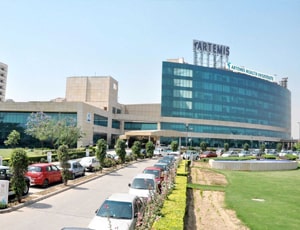
Explore Hospitals ( 46 )

Delhi, India

5.0 - 1 review · 650+ Beds · 302+ Procedures
JCI NABH
Starting
USD 5000

Gurgaon, India

3.3 - 4 reviews · 750+ Beds · 306+ Procedures
JCI NABH
Starting
USD 2000

Gurgaon, India

3.4 - 1 review · 1250+ Beds · 281+ Procedures
JCI NABH
Starting
USD 9000

Mumbai, India

450+ Beds · 291+ Procedures
JCI
Starting
USD 7000

Ghaziabad, India

4.9 - 1 review · 370+ Beds · 277+ Procedures
NABL NABH
Starting
USD 14000

Gurgaon, India

104+ Beds · 272+ Procedures
ISO NABH NABL
Starting
USD 8000

Delhi, India

4.4 - 5 reviews · 710+ Beds · 304+ Procedures
JCI

Hyderabad, India

550+ Beds · 281+ Procedures
JCI

Hyderabad, India

435+ Beds · 249+ Procedures
NABH NABL
Starting
USD 6500

Mumbai, India

225+ Beds · 241+ Procedures
NABL
Starting
USD 9000

Get Your Hormonal Therapy
Plan in 24 hrs.

Our experienced Medical Patient Advisors have supported 100,000+ patients across 120+ countries with personalised treatment plans, hospital recommendations, cost estimates, and travel assistance, all free.

HIPAA-Compliant Data SecurityShared Only with Your Consent

Free Consultation No Obligation Personalized Treatment Plan Response Within 24 Hours

Required | alphabets and spaces
Required | A valid, working email address
Required | A valid contact

Your medical info is kept HIPAA-style confidential. We never share with hospitals without your consent.

Process Involved for Hormonal Therapy in India

  • Preoperative Stage: Imaging and biopsy are used to diagnose and stage the condition, followed by a thorough medical evaluation and discussion of the potential negative effects of hormone therapy.
  • Therapy Stage: Hormonal therapy (oral, injections, or implants) is given (often in combination with targeted therapy for hormone-sensitive tumors), with regular monitoring for efficacy and side effects.
  • Post-Therapy Stage: Continued care of adverse effects and evaluation of therapy efficacy.
  • Long-Term Recovery: Continuous monitoring of hormone levels and health to track therapy efficacy over time.
  • Hormone Receptor-Positive Breast Cancer
  • Prostate Cancer
  • Endometrial Cancer
  • Ovarian Cancer
  • Advanced or Metastatic Cancer (Hormone-Dependent)
  • Individuals with hormone receptor-positive cancers (such as breast, prostate, and endometrial).
  • Patients with recurring or metastatic malignancies that respond to hormone therapy.
  • Women diagnosed with hormone receptor-positive breast cancer.
  • Men with prostate cancer benefit from reduced testosterone levels.
  • Surgical Options
  • Radiation Therapy
  • Chemotherapy
  • Hormone Blockage: Hormonal therapy helps block the hormones that fuel the growth of hormone-sensitive cancers, slowing or stopping cancer growth.
  • Reduced Recurrence Risk: Inhibiting hormone-driven cancer cell growth lowers the chances of cancer recurrence, particularly after surgery or radiation.
  • Less Invasive: Compared to surgery, hormonal therapy is less invasive and offers a non-surgical option for managing hormone-sensitive cancers.
  • Medical Oncologist
  • Radiation Oncologist
  • Gynecologist
  • Urologist
  • Fill out the inquiry form: Fill out the form to provide us with the relevant information about your condition.
  • Consult with Our Healthcare Expert:One of our qualified specialists will contact you for a consultation
  • Receive a Detailed Treatment Plan:After examining your situation, we will provide you with a detailed treatment plan that includes expert views and cost breakdowns for various choices.
  • Choose your preferred option: Choose the treatment option that suits you the best.
Jenny Wilson
Your Dedicated Medical Patient Advisor
Treatment planning • Hospital coordination • Multilingual support • Response within 15 minutes.
Our Services to Better your Experience

Opinion & Option

We submit the most accurate opinion and options from one or more countries for your review

Consult Privately

Consult with a certified specialist privately on our telemedicine platform even before you decide to travel

Logistics

We handle flights, visas, transfers, and accommodation—so you can focus on your health.

Recovery

Our In-house rehabilitation service packages to better your recovery and treatment outcome

Patient Stories

Ms. Monica
Ms. Monica
Monica from Ghana for AV Malformation Treatment in India

Monica from Ghana suffered from AV malformation. She decided to look for options for medical treatment when she started experiencing…

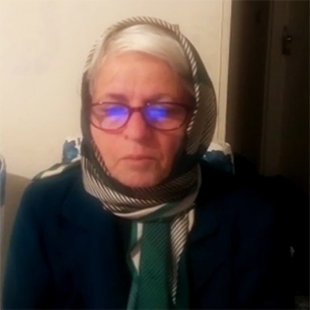
Silim Shabani
Silim Shabani
Patient Testimonial: Silim Shabani for Ovarian Cancer Treatment in Turkey

Nasrin (Sister of the patient ) explains the journey of how MediGence helped for the treatment of Silim Shabani for…

Conditions treated by Hormonal Therapy

Frequently Asked Questions

The cost of Hormone Therapy in India typically ranges between USD 3500 - 5500, depending on the type and stage of cancer, hormone therapy used, treatment duration, hospital, and specialist's experience. The total cost may include consultations, diagnostic tests, medications, treatment administration, monitoring, and follow-up care. The final cost varies based on the patient's individual treatment plan.

Choose an experienced medical oncologist who specializes in hormone-sensitive cancers and has expertise in hormone therapy. Reviewing the doctor's qualifications, experience, treatment outcomes, and patient feedback can help you make an informed decision. Seeking a second opinion is also recommended.

Hormone Therapy, also known as endocrine therapy, is a cancer treatment that blocks or reduces the effect or production of certain hormones that can stimulate the growth of hormone-sensitive cancer cells. It is commonly used for cancers such as breast and prostate cancer.

Hormone Therapy works by either lowering the body's production of specific hormones or preventing hormones from attaching to cancer cells. This helps slow or stop the growth of hormone-sensitive tumors and may be used before, after, or along with other cancer treatments.

Hormone Therapy is commonly used to treat hormone-sensitive breast cancer and prostate cancer. It may also be used in selected cases of other hormone-dependent cancers, depending on the tumor's hormone receptor status and the patient's individual treatment plan.

Hormone Therapy is suitable for patients whose cancer cells depend on hormones for growth. Doctors usually perform hormone receptor or biomarker testing to determine whether the cancer is likely to respond to endocrine treatment.

Hormone Therapy has an overall success rate of approximately 50-90%, depending on the type and stage of cancer, hormone receptor status, treatment used, and the patient's response. Outcomes are generally better when hormone therapy is appropriately matched to hormone-sensitive cancer.

Hospitals in India use advanced pathology, hormone receptor testing, immunohistochemistry, molecular diagnostics, and imaging techniques to guide treatment. Depending on the cancer, hormone therapy may involve tablets, injections, or medicines that suppress hormone production or block hormone receptors.

Hormone Therapy is generally well tolerated, but possible side effects include hot flashes, sweating, fatigue, mood changes, weight changes, sexual difficulties, bone thinning, and changes in cholesterol or cardiovascular health. Side effects vary depending on the medicine and duration of treatment.

Before travelling, gather your medical records, biopsy and pathology reports, hormone receptor test results, imaging scans, laboratory reports, and passport. Complete an online consultation if available, confirm your treatment schedule, accommodation, and visa requirements, and follow your oncologist's instructions.

Yes, MediGence provides online consultations for international patients before travel. Specialists review your medical records, pathology reports, and hormone receptor test results to determine whether Hormone Therapy is appropriate. This also helps with treatment planning, estimated costs, and travel guidance.

Patients should bring a valid passport, visa, medical records, biopsy and pathology reports, hormone receptor test results, imaging scans, recent laboratory results, previous treatment records, and a list of current medications.

The duration of stay depends on the type of hormone therapy, treatment schedule, and monitoring requirements. Some patients may require only a few days for consultation and treatment initiation, while others may need to stay longer or return periodically for follow-up appointments.

Hormone Therapy generally does not require a long recovery period because many treatments are administered on an outpatient basis. Patients can often continue their daily activities, although side effects may occur during treatment. Regular follow-up is important to monitor treatment response and overall health.

If complications or significant side effects occur, the oncology team will evaluate the patient and may adjust the medication, modify the treatment schedule, or prescribe supportive medicines. Regular monitoring helps identify and manage potential complications early.

  • Submit your medical records through the MediGence platform.
  • Get connected with experienced oncologists and leading hospitals.
  • Compare treatment plans and estimated costs.
  • Coordinate consultations, diagnostic tests, and treatment appointments.
  • Receive assistance with medical visas, travel, accommodation, and follow-up care.
  • India offers advanced cancer care facilities, experienced oncologists, modern diagnostic technologies, and access to various hormone therapy medicines. Patients can also benefit from multidisciplinary cancer care and comprehensive treatment support.

    Not Sure About Your Treatment Plan? Get a Free Second Opinion

    Have your reports reviewed by independent oncology experts to help you make a confident treatment decision, all online within 48 hours.

    Upload Your Reports
    Free second opinion on your CAR-T plan