Browse verified doctors or let our care team help you find the doctor best suited to your condition, treatment goals, and budget.

Delhi, India
BLK-Max Super Speciality Hospital is a trusted healthcare provider for Bone Marrow Transplant, offering specialized stem cell transplantation supported by experienced hematologists, oncologists, and advanced medical infrastructure. Established in 1959, the JCI, NABH accredited hospital is situated in Delhi, India and has 650 beds.
Bone Marrow Transplant can help restore healthy blood-forming cells in selected patients with serious hematological and other disorders. The treatment may involve high-dose chemotherapy or other conditioning therapies followed by infusion of healthy stem cells. In an autologous transplant, the patient's own previously collected cells are used, while an allogeneic transplant uses cells from a compatible donor. Careful pre-transplant testing and close monitoring after transplantation are essential for managing potential complications and supporting recovery.
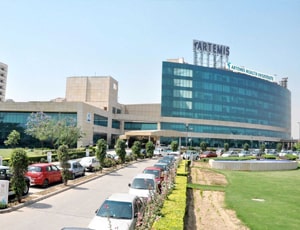
Artemis Health Institute offers advanced Bone Marrow Transplant using modern transplant technology and internationally accepted treatment protocols. Established in 2007, the JCI, NABH accredited hospital is located in Gurgaon, India and has 750 beds, providing comprehensive care for local and international patients.
Bone Marrow Transplant is a treatment that replaces damaged or diseased blood-forming stem cells with healthy stem cells. It may be used for conditions such as leukemia, lymphoma, multiple myeloma, myelodysplastic syndromes, and certain inherited or immune-related disorders. Depending on the patient's condition, the transplant may be autologous, using the patient's own stem cells, or allogeneic, using stem cells from a suitable donor. Before transplantation, doctors perform detailed evaluations and conditioning treatment to prepare the body for the procedure.
Choosing Medanta - The Medicity for Bone Marrow Transplant gives patients access to experienced transplant specialists, advanced technology, and comprehensive medical care. Established in 2009, the JCI, NABH accredited hospital in Gurgaon, India has 1250 beds and provides specialized transplant services.
Bone Marrow Transplant may be considered for patients with conditions such as leukemia, lymphoma, multiple myeloma, aplastic anemia, and selected inherited blood disorders. The transplant process generally includes disease assessment, stem cell collection, conditioning therapy, stem cell infusion, and close follow-up. Depending on the clinical situation, patients may receive their own stem cells or cells obtained from a suitable donor. The transplant team monitors blood counts, infections, organ function, and other factors throughout recovery.
Gleneagles Hospital Mumbai provides specialized Bone Marrow Transplant with a focus on patient safety, individualized treatment planning, and comprehensive transplant care. Established in 1996, the JCI accredited hospital is located in Mumbai, India and operates 450 beds with modern healthcare infrastructure.
Bone Marrow Transplant involves replacing unhealthy or damaged blood-forming stem cells with healthy hematopoietic stem cells to help restore normal blood cell production. It may be used as part of treatment for various blood cancers and other serious disorders affecting the bone marrow or immune system. Before transplantation, specialists evaluate the patient's diagnosis, disease status, overall health, and donor compatibility when applicable. After the stem cell infusion, patients require close medical monitoring to manage infections, graft-related complications, blood count changes, and other potential effects of treatment.
Ghaziabad, India
At Max Super Specialty Hospital, Vaishali, Bone Marrow Transplant is performed using advanced stem cell transplant facilities and individualized treatment plans. Established in 2008, this NABL, NABH accredited hospital in Ghaziabad, India has 370 beds and offers comprehensive hematology and oncology services.
Bone Marrow Transplant may be recommended when the bone marrow is affected by cancer, severe blood disorders, or certain immune and genetic conditions. The treatment involves collecting healthy blood-forming stem cells and administering them to the patient after appropriate conditioning therapy. Depending on the diagnosis, an autologous or allogeneic transplant may be considered. Before treatment, specialists assess the patient's disease status, organ function, infection risk, and donor compatibility when a donor transplant is planned.
Max Hospital, Gurgaon offers advanced Bone Marrow Transplant using modern transplant technology and internationally accepted treatment protocols. Established in 2007, the ISO, NABH, NABL accredited hospital is located in Gurgaon, India and has 104 beds, providing comprehensive care for local and international patients.
Bone Marrow Transplant is a treatment that replaces damaged or diseased blood-forming stem cells with healthy stem cells. It may be used for conditions such as leukemia, lymphoma, multiple myeloma, myelodysplastic syndromes, and certain inherited or immune-related disorders. Depending on the patient's condition, the transplant may be autologous, using the patient's own stem cells, or allogeneic, using stem cells from a suitable donor. Before transplantation, doctors perform detailed evaluations and conditioning treatment to prepare the body for the procedure.
Indraprastha Apollo Hospital provides specialized Bone Marrow Transplant with a focus on patient safety, individualized treatment planning, and comprehensive transplant care. Established in 1996, the JCI accredited hospital is located in Delhi, India and operates 710 beds with modern healthcare infrastructure.
Bone Marrow Transplant involves replacing unhealthy or damaged blood-forming stem cells with healthy hematopoietic stem cells to help restore normal blood cell production. It may be used as part of treatment for various blood cancers and other serious disorders affecting the bone marrow or immune system. Before transplantation, specialists evaluate the patient's diagnosis, disease status, overall health, and donor compatibility when applicable. After the stem cell infusion, patients require close medical monitoring to manage infections, graft-related complications, blood count changes, and other potential effects of treatment.
Choosing Apollo Hospitals for Bone Marrow Transplant gives patients access to experienced transplant specialists, advanced technology, and comprehensive medical care. Established in 1988, the JCI accredited hospital in Hyderabad, India has 550 beds and provides specialized transplant services.
Bone Marrow Transplant may be considered for patients with conditions such as leukemia, lymphoma, multiple myeloma, aplastic anemia, and selected inherited blood disorders. The transplant process generally includes disease assessment, stem cell collection, conditioning therapy, stem cell infusion, and close follow-up. Depending on the clinical situation, patients may receive their own stem cells or cells obtained from a suitable donor. The transplant team monitors blood counts, infections, organ function, and other factors throughout recovery.
Sterling Wockhardt Hospital is a trusted healthcare provider for Bone Marrow Transplant, offering specialized stem cell transplantation supported by experienced hematologists, oncologists, and advanced medical infrastructure. Established in 2001, the NABL accredited hospital is situated in Mumbai, India and has 225 beds.
Bone Marrow Transplant can help restore healthy blood-forming cells in selected patients with serious hematological and other disorders. The treatment may involve high-dose chemotherapy or other conditioning therapies followed by infusion of healthy stem cells. In an autologous transplant, the patient's own previously collected cells are used, while an allogeneic transplant uses cells from a compatible donor. Careful pre-transplant testing and close monitoring after transplantation are essential for managing potential complications and supporting recovery.
Global Health City provides specialized Bone Marrow Transplant with a focus on patient safety, individualized treatment planning, and comprehensive transplant care. Established in 1999, the NABH, NABL accredited hospital is located in Chennai, India and operates 200 beds with modern healthcare infrastructure.
Bone Marrow Transplant involves replacing unhealthy or damaged blood-forming stem cells with healthy hematopoietic stem cells to help restore normal blood cell production. It may be used as part of treatment for various blood cancers and other serious disorders affecting the bone marrow or immune system. Before transplantation, specialists evaluate the patient's diagnosis, disease status, overall health, and donor compatibility when applicable. After the stem cell infusion, patients require close medical monitoring to manage infections, graft-related complications, blood count changes, and other potential effects of treatment.
nanavati Super Speciality Hospital is a trusted healthcare provider for Bone Marrow Transplant, offering specialized stem cell transplantation supported by experienced hematologists, oncologists, and advanced medical infrastructure. Established in 1950, the NABH accredited hospital is situated in Mumbai, India and has 350 beds.
Bone Marrow Transplant can help restore healthy blood-forming cells in selected patients with serious hematological and other disorders. The treatment may involve high-dose chemotherapy or other conditioning therapies followed by infusion of healthy stem cells. In an autologous transplant, the patient's own previously collected cells are used, while an allogeneic transplant uses cells from a compatible donor. Careful pre-transplant testing and close monitoring after transplantation are essential for managing potential complications and supporting recovery.
Delhi, India
At Max Super Speciality Hospital, Patparganj, Bone Marrow Transplant is performed using advanced stem cell transplant facilities and individualized treatment plans. Established in 2005, this NABH, NABL, AACI accredited hospital in Delhi, India has 400 beds and offers comprehensive hematology and oncology services.
Bone Marrow Transplant may be recommended when the bone marrow is affected by cancer, severe blood disorders, or certain immune and genetic conditions. The treatment involves collecting healthy blood-forming stem cells and administering them to the patient after appropriate conditioning therapy. Depending on the diagnosis, an autologous or allogeneic transplant may be considered. Before treatment, specialists assess the patient's disease status, organ function, infection risk, and donor compatibility when a donor transplant is planned.
Venkateshwar Hospital provides specialized Bone Marrow Transplant with a focus on patient safety, individualized treatment planning, and comprehensive transplant care. Established in 2016, the NABL, NABH accredited hospital is located in Delhi, India and operates 325 beds with modern healthcare infrastructure.
Bone Marrow Transplant involves replacing unhealthy or damaged blood-forming stem cells with healthy hematopoietic stem cells to help restore normal blood cell production. It may be used as part of treatment for various blood cancers and other serious disorders affecting the bone marrow or immune system. Before transplantation, specialists evaluate the patient's diagnosis, disease status, overall health, and donor compatibility when applicable. After the stem cell infusion, patients require close medical monitoring to manage infections, graft-related complications, blood count changes, and other potential effects of treatment.
Fortis Hospital, Mulund provides specialized Bone Marrow Transplant with a focus on patient safety, individualized treatment planning, and comprehensive transplant care. Established in 2002, the JCI, NABH accredited hospital is located in Mumbai, India and operates 315 beds with modern healthcare infrastructure.
Bone Marrow Transplant involves replacing unhealthy or damaged blood-forming stem cells with healthy hematopoietic stem cells to help restore normal blood cell production. It may be used as part of treatment for various blood cancers and other serious disorders affecting the bone marrow or immune system. Before transplantation, specialists evaluate the patient's diagnosis, disease status, overall health, and donor compatibility when applicable. After the stem cell infusion, patients require close medical monitoring to manage infections, graft-related complications, blood count changes, and other potential effects of treatment.
Choosing Manipal Hospital, Hebbal for Bone Marrow Transplant gives patients access to experienced transplant specialists, advanced technology, and comprehensive medical care. Established in 1991, the NABL, NABH accredited hospital in Bangalore, India has 280 beds and provides specialized transplant services.
Bone Marrow Transplant may be considered for patients with conditions such as leukemia, lymphoma, multiple myeloma, aplastic anemia, and selected inherited blood disorders. The transplant process generally includes disease assessment, stem cell collection, conditioning therapy, stem cell infusion, and close follow-up. Depending on the clinical situation, patients may receive their own stem cells or cells obtained from a suitable donor. The transplant team monitors blood counts, infections, organ function, and other factors throughout recovery.

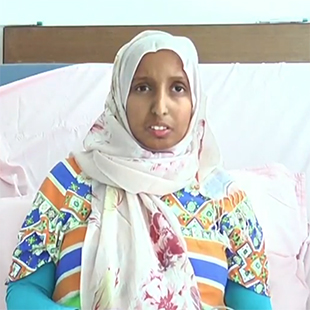
Patient Testimonial: Bushra Masoud for Brain Marrow Treatment from Apollo Hospitals

Marsha Akatu from Kenya was suffering from Sickle Cell Anaemia. She got her treatment done at Medanta Hospital, Gurgaon, India.
| Speciality | Transplants |
| Procedure | Bone Marrow Transplant |
| Success Rate | Varies by condition |
| Recovery Time | 6-12 months |
| Treatment Time | Several hours to days |
| Chances of Recurrence | Varies by condition |
Yes, most bone marrow transplant hospitals in India are well-equipped with the latest medical technology. The top-notch hospitals utilise the latest diagnostic equipment, excellent lab facilities, and state-of-the-art equipment for autologous and allogeneic bone marrow transplants.
The top hospitals that provide Bone Marrow Transplants in India have the following features:
The success rate for an allogenic bone marrow transplant with an unrelated donor is between 36% and 65%. Autologous bone marrow transplants have a high success rate ranging from 50% to 80%.
You can explore the list of trustworthy, accredited hospitals in India that provide Bone Marrow Transplants on the MediGence platform. It also shows the profiles of bone marrow specialist by their experience, success rates, and reviews to help you find the best ones to connect with. This results in a seamless and informed journey to find the most personalised medical solutions for any treatment.
Few hospitals in India offer Bone Marrow Transplants:
The cost of a Bone Marrow Transplant in India typically ranges from (USD 25000 - 35000), depending on the hospital, location, and the severity of the condition.
Many hospitals in India offering Bone Marrow Transplants specialise in treating international patients. They arrange travel and accommodation and plan treatment. Even Top-Notch Hospitals like Artemis, Fortis, and Medanta provide excellent treatment and care for their global patients.
There are some of the risks associated with Bone Marrow transplant such as:
Infection: Patients undergoing bone marrow transplants are more likely to become infected due to immune system breakdown.
Graft versus host disease (GVHD): Sometimes, the donor's immune system recognises the recipient's cells as foreign and attacks them, leading to GVHD, a serious and potentially lethal complication.
Side effects: The chemotherapy and radiation treatment used to prepare for the transplant can cause nausea, vomiting, hair loss, and exhaustion.
Failure to engraft: In certain instances, the donor cells may not engraft or settle into the recipient's body, resulting in therapy failure.
Relapse: Sometimes, the disease may reappear after bone marrow transplantation.
Recovery from a Bone Marrow Transplant in India typically takes 6 to 12 weeks. The patient is usually hospitalised and monitored for 7-10 days after surgery, and the lethargy and discomfort last at least several weeks. After 6-8 weeks, you can generally resume light activities, and full recovery takes 3 to 6 months, depending on individual variables and difficulties.
You can consult with a Bone marrow specialist before travelling to India for a Bone Marrow Transplant through the MediGence platform. MediGence offers teleconsultations with experienced experts, allowing you to discuss your medical condition, treatment options, and expert advice.
In India, post-operative care for Bone Marrow Transplant patients involves immunosuppressive medications to prevent organ rejection, regular testing of kidney function, and infection control measures because of the suppressed immune system. The patient should follow a specific diet, avoid heavy lifting, and gradually return to moderate activity.
India is one of the most sought-after destinations for Bone Marrow Transplants due to its advanced healthcare facilities, well-qualified doctors, and cost-effective treatment. The country has world-class medical technology and internationally accredited hospitals. MediGence ensures a hassle-free experience with personalised assistance from selecting the hospital, travel, and post-treatment care.
MediGence will contact you to arrange a Bone Marrow Transplant appointment in India. Our case manager will connect you with the top hospitals, schedule consultations with the specialists, and guide you throughout the process, including travel and treatment planning.
Bone marrow transplants require a hospital stay of approximately 3-4 weeks in hospitals, and follow-ups in India take approximately 2 months.
Before a bone marrow transplant, you will receive conditioning treatment, which is chemotherapy or radiation, to prepare your body. On the day of the transplant, healthy stem cells are given through a central line, which is a painless procedure. After that, you will be closely followed up in the hospital as the new cells produce healthy blood. The recovery period can be several weeks, with regular follow-up visits to check for complications and control side effects.
MediGence will assist you in preparing for a Bone Marrow Transplant in India by providing end-to-end assistance for a hassle-free experience. We connect you with the best hospitals and experienced specialists for an initial consultation, make necessary diagnostic tests, and provide a treatment plan tailored to your needs.
Our Case Manager will help you coordinate travel, visas, and accommodation and provide personalised support during your stay. MediGence offers the best and safest care in state-of-the-art medical facilities.

Beyond life-saving treatment, BMT, or stem cell transplant, offers a cure for various blood cancers, blood disorders, and immune system diseases. Conditions such as leukemia, lymphoma, multiple myeloma, aplastic anemia