Your Notifications
All done, no notifications

Skin Cancer Treatment Cost in India

USD 2000 - USD 40000

Affordable World-class Treatment - Accredited Hospitals - Free Treatment Plan in 24 Hrs

1
Days in Hospital
30 min-3 hrs
Procedure Time
90 - 98%
Success Rate
Skin Cancer: Cost, Procedure and Clinics | MediGence
JCI/ISO 100,000+ Patients 24X7 Coordinator Visa & Travel handled
Your all-in-one medical travel platform for treatment, recovery & care.

Get Your Personalised Treatment Plan in Just 24 Hours.

Share your details to receive a personalised treatment plan, estimated costs, hospital recommendations, and expert guidance, “completely free.”

Required | alphabets and spaces
Required | A valid, working email address
Required | A valid contact
Connect with an Expert

Your information is protected with HIPAA-compliant security standards. We only share your details with hospitals after your consent.

Estimated Treatment Cost
USD 2000 - USD 40000
All-inclusive • Hospital + Medications + Recovery Assistance + Dedicated Care Coordinator

International Quality. Affordable Care.

How Much Does Skin Cancer Cost in India?

The cost of Skin Cancer in India typically ranges between USD 5500 - USD 7000.

However, the total cost varies depending on the type and stage of skin cancer, the recommended treatment approach, the hospital's location and reputation, the expertise of the treating specialist, and the patient's overall health condition.

Additionally, expenses may vary depending on the duration of treatment, follow-up care, advanced treatment technologies, reconstructive procedures, and supportive therapies.

Factors Influencing the Cost of Skin Cancer:

  • Type of Treatment: The overall cost depends on whether treatment includes surgical excision, Mohs micrographic surgery, radiation therapy, chemotherapy, immunotherapy, targeted therapy, photodynamic therapy, cryotherapy, or a combination of these approaches.
  • Hospital and Location: Treatment costs vary among hospitals and cities. Specialised cancer centres and private hospitals may charge more than general healthcare facilities.
  • Diagnostic Tests: Skin biopsy, dermoscopy, blood tests, CT scans, MRI, PET-CT scans (when required), and other investigations contribute to the overall treatment cost.
  • Post-Treatment Care: Follow-up consultations, wound care, medications, rehabilitation, and routine monitoring add to the total expense.
  • Hospital Stay: Although many skin cancer procedures are performed on an outpatient basis, complex surgeries or reconstructive procedures may require hospitalisation, increasing the overall cost.

What's included in your Skin Cancer Treatment quote?

Skin Cancer Treatment
Personalised treatment including surgery, immunotherapy, radiotherapy, or targeted therapy as recommended
Oncology consultation
Pre-treatment evaluation, treatment planning, and follow-up consultations
Hospital stay & supportive care
Treatment, nursing care, pain management, and recovery monitoring
Follow-up monitoring
Skin examination, imaging, lab tests, and routine follow-up visits
Visa & medical-visa invite letter
Airport pickup & transfers

Cost of Skin Cancer Treatment in Major Cities of India

CityCost (USD)
Ahmedabad $4,950 – $6,300 Explore More
Amroha $4,400 – $5,600 Explore More
Bangalore $5,500 – $7,000 Explore More
Chennai $5,500 – $7,000 Explore More
Delhi $5,500 – $7,000 Explore More
Faridabad $5,500 – $7,000 Explore More
Ghaziabad $5,500 – $7,000 Explore More
Gurgaon $5,500 – $7,000 Explore More
Gurugram $5,500 – $7,000 Explore More
Hyderabad $5,500 – $7,000 Explore More
Kochi $5,500 – $7,000 Explore More
Kolkata $5,500 – $7,000 Explore More
Mohali $4,950 – $6,300 Explore More
Mumbai $5,500 – $7,000 Explore More
Noida $5,500 – $7,000 Explore More
Panjim $4,950 – $6,300 Explore More
Pune $4,950 – $6,300 Explore More

Skin Cancer - India Vs the World

$0 - $0
$390 - $2k
$500 - $10k
$1k - $20k
$1k - $12k
$2k - $5k
$2k - $144k
$4k - $12k
$5k - $20k
$6k - $7k
$6k - $10k
$6k - $20k
$8k - $25k
Alvina Hasan
Author

M.Pharm

2 Year of Experience

Alvina Hasan is a dedicated medical researcher and scientific writer with a strong foundation in pharmaceutical sciences. She holds a B.Pharm from Jamia Hamdard University and an M.Pharm in Quality Assurance from DIPSAR University.

With deep medical expertise and a strong interest in healthcare communication, she focuses on transforming complex clinical and scientific information into clear, engaging, and easy-to-understand narratives. She develops insightful healthcare articles and research-driven content designed to support both medical professionals and patients, helping bridge the gap between advanced medical knowledge and practical understanding.

Readers can explore her published research and articles here:

https://carcinogenesis.com/index.php/JOC/article/view/868

https://carcinogenesis.com/index.php/JOC/article/view/870

View More
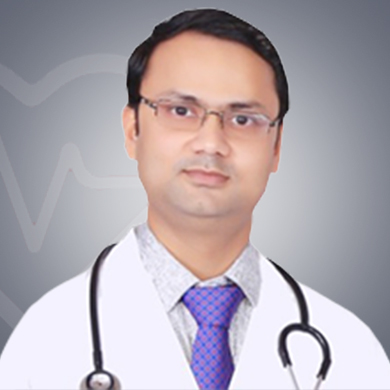
Dr Prateek Varshney
Reviewer

Surgical Oncologist

15 Years of Experience

Last Reviewed - June 2026

Dr. Prateek Varshney is a renowned Surgical Oncologist. He has experience of more than 15+ years in surgical Oncology. He is currently practicing as a consultant at Metro Mass Hospital and Cancer Institute. He was also previously associated as a consultant with Sir Ganga Ram Hospital and as a professor at Gujarat Cancer Research Institute.
View More

Need Help Choosing the Right Treatment? Talk to a Medical Advisor

Our dedicated Medical Patient Advisors are here to answer your questions, help you compare treatment options, estimate costs, and guide you through every step of your healthcare journey.

15 min
Average response time

Serving Patients Worldwide in Multiple Languages.

Skin cancer is the most common type of cancer. It typically affects people with lighter skin tones. It is the uncontrolled and abnormal growth of destructive malignant skin cells. It occurs when unrepairable DNA damage that occurs in the skin cells triggers a mutation that makes them multiply rapidly and form malignant skin tumors.

Skin cancer is mostly caused by ultraviolet radiation from sunshine or tanning beds. Skin cancers have a limited potential to spread to other parts of the body and may become life-threatening if not treated on time. They are common and can be effectively treated but the treatment of some forms of skin cancers can be difficult. However, early diagnosis and treatment can increase the survival rate.

Types of Skin Cancer

The following are the three common types of skin cancers:

  • Basal cell skin cancer: This type of skin cancer is present in sun-exposed areas of the skin. Basal cell skin cancer rarely spreads to other body parts (metastasize) and does not cause death. They are very common and easily treatable.
  • Squamous cell skin cancer: These skin cancers are also common but less common than basal cell cancers. They can metastasize but the metastasis rate is very low. They are also non-life threatening and can be treated easily.
  • Melanoma: This type of skin cancer originates from the pigment that gives color to the skin called melanocyte. It is less common and more dangerous than the first two types of skin cancer. However, if melanoma is recognized and treated early, it is almost curable. Advanced-stage melanoma can spread to other parts of the body and is hard to treat. It can be life-threatening as well.

Skin cancer treatment aims to remove or destroy cancerous cells, prevent further spread, and relieve symptoms like skin lesions, bleeding, or ulceration. Surgical, radiation, chemotherapy, immunotherapy, and targeted therapy are among the alternatives available, depending on the stage and type of cancer (melanoma, squamous cell carcinoma, or basal cell carcinoma).

You should see a doctor if you observe any new skin growths, changes in the size, shape, or colour of moles, bleeding spots, or lesions with irregular borders or colours. Effective treatment depends on early evaluation.

Preparation involves a skin biopsy to confirm the diagnosis and possibly imaging tests (e.g., CT, MRI, PET scans) to assess spread. In addition to following pre-surgical or pre-therapy recommendations like fasting or avoiding the sun, your doctor could advise you to stop taking specific drugs (such blood thinners).

Treatment differs depending on the location, stage, and kind of cancer:

  • Surgery: The most popular method consists of large local excision, Mohs micrographic surgery (exact layer-by-layer removal), or excision.
  • Radiation: For deeper tumours or in situations when surgery is not an option, radiation therapy targets and eliminates cancer cells.
  • Chemotherapy: The use of topical or systemic medications, especially in cases that are progressed or metastasised.
  • Immunotherapy: Boosts the immune system to fight cancer, often used in advanced melanoma..
  • Targeted therapy: Used for tumours with specific mutations (e.g., BRAF mutation in melanoma).

While more intricate or staged treatments may need many hours, Minor surgeries can take 30 minutes to an hour.

  • Bleeding or infection at the surgery location
  • Skin pigmentation changes or scarring
  • Immune responses, fatigue, or nausea (particularly with immunotherapy)
  • Allergic reactions to topical drugs

Treatment for skin cancer, particularly when identified early, can completely eradicate the disease in its early stages, stop it from spreading, lessen its symptoms, and significantly improve survival.

Recovery depends on the treatment type but may include wound care, managing pain, avoiding sun exposure, and follow-up exams. When receiving systemic therapy, patients may have to control side effects and monitor organ function. Cosmetic concerns may require dermatologic or plastic surgical help.

Early-stage skin cancers have a high success rate; with the right care, basal and squamous cell carcinomas can be cured in over 90% of cases. Although melanoma survival varies by stage, 98% of patients with early-stage melanoma survive for 5 years.

90–99%

Five-year survival rate for early-stage skin cancer (depends on cancer type and stage)

1–3 days

Typical hospital stay (varies by treatment)

2–6 weeks

Return to normal daily activities depending on treatment and recovery
Explore Hospitals ( 63 )

Delhi, India

5.0 - 1 review · 650+ Beds · 302+ Procedures
JCI NABH
Starting
USD 2000

Gurgaon, India

3.3 - 4 reviews · 750+ Beds · 306+ Procedures
JCI NABH
Starting
USD 8000

Gurgaon, India

3.4 - 1 review · 1250+ Beds · 281+ Procedures
JCI NABH
Starting
USD 14000

Mumbai, India

450+ Beds · 291+ Procedures
JCI
Starting
USD 10000

Ghaziabad, India

4.9 - 1 review · 370+ Beds · 277+ Procedures
NABL NABH
Starting
USD 11000

Gurgaon, India

104+ Beds · 272+ Procedures
ISO NABH NABL
Starting
USD 15000

Delhi, India

4.4 - 5 reviews · 710+ Beds · 304+ Procedures
JCI
Starting
USD 4000

Hyderabad, India

550+ Beds · 281+ Procedures
JCI
Starting
USD 4000

Hyderabad, India

435+ Beds · 249+ Procedures
NABH NABL
Starting
USD 12000

Mumbai, India

225+ Beds · 241+ Procedures
NABL
Starting
USD 8000

Get Your Skin Cancer Treatment
Plan in 24 hrs.

Our experienced Medical Patient Advisors have supported 100,000+ patients across 120+ countries with personalised treatment plans, hospital recommendations, cost estimates, and travel assistance, all free.

HIPAA-Compliant Data SecurityShared Only with Your Consent

Free Consultation No Obligation Personalized Treatment Plan Response Within 24 Hours

Required | alphabets and spaces
Required | A valid, working email address
Required | A valid contact

Your medical info is kept HIPAA-style confidential. We never share with hospitals without your consent.

Process Involved for Skin Cancer Treatment in India

  • Consultation: Talk with a surgical oncologist, oncologist, or dermatologist about the available treatment, diagnosis, and stage.
  • Assessment Before Treatment: Where the cancer of the skin is located and how extensive it is can be determined with the help of imaging tests and a clinical exam. Sentinel lymph node biopsy is recommended in a few cases of melanoma.
  • Treatment Discussion: Depending on the type and extent of the skin cancer, treatment options are considered and may involve surgery, chemotherapy, radiation therapy, immunotherapy, or targeted therapy.
  • Delivery of Treatment: Surgical removal is often the first line of treatment for local tumors, and Chemotherapy, immunotherapy, or targeted therapy treatments can be used for metastatic cancer or advanced melanoma.
  • Follow up: After treatment, regular follow-up visits are scheduled to address any potential side effects, look for recurrence, and assess.
  • Basal cell carcinoma (BCC)
  • Squamous cell carcinoma (SCC)
  • Melanoma
  • Merkel cell carcinoma
  • Rare types of skin cancer
  • Skin cancer metastasis
  • Patients diagnosed with melanoma, squamous cell carcinoma (SCC), basal cell carcinoma (BCC), or other rare types of skin cancer are recommended to undergo therapy.
  • The type, phase, and site of the cancer, the overall health of the patient, and any other underlying medical diseases all influence the patient's candidacy for treatment.
  • Surgical excision or Mohs surgery
  • Chemotherapy
  • Radiation therapy
  • Immunotherapy
  • Targeted therapy
  • Improves survival and quality of life by eliminating or lessening the tumor.
  • Minimises the chance of cancer metastasis, mainly if carried out early and treated.
  • Keeps metastases and recurrences at bay, particularly in malignant forms such as melanomas.
  • Improves the appearance and feel of the skin, particularly after reconstructive surgery or surgical removal.
  • Surgical Oncologist
  • Medical Oncologist
  • Radiation Oncologist
  • Fill out the inquiry form: Fill out the form to provide us with the relevant information about your condition.
  • Consult with Our Healthcare Expert: One of our qualified specialists will contact you for a consultation.
  • Receive a Detailed Treatment Plan: After examining your situation, we will provide you with a detailed treatment plan that includes expert views and cost breakdowns for various choices.
  • Choose your preferred option: Choose the treatment option that suits you the best.
Jenny Wilson
Your Dedicated Medical Patient Advisor
Treatment planning • Hospital coordination • Multilingual support • Response within 15 minutes.
Our Services to Better your Experience

Opinion & Option

We submit the most accurate opinion and options from one or more countries for your review

Consult Privately

Consult with a certified specialist privately on our telemedicine platform even before you decide to travel

Logistics

We handle flights, visas, transfers, and accommodation—so you can focus on your health.

Recovery

Our In-house rehabilitation service packages to better your recovery and treatment outcome

Patient Stories

Ms. Monica
Ms. Monica
Monica from Ghana for AV Malformation Treatment in India

Monica from Ghana suffered from AV malformation. She decided to look for options for medical treatment when she started experiencing…

Silim Shabani
Silim Shabani
Patient Testimonial: Silim Shabani for Ovarian Cancer Treatment in Turkey

Nasrin (Sister of the patient ) explains the journey of how MediGence helped for the treatment of Silim Shabani for…

Frequently Asked Questions

The cost of skin cancer treatment in India is USD 5500 - 7000, depending on the type and stage of cancer, the size and location of the tumour, the treatment approach, the hospital, the specialist's expertise, diagnostic tests, and medications. The total cost may vary significantly if surgery is combined with radiation therapy, chemotherapy, immunotherapy, or targeted therapy.

Choose a dermatologist, surgical oncologist, or medical oncologist with experience treating the specific type and stage of skin cancer. Consider the doctor's expertise in melanoma or non-melanoma skin cancers, experience with the recommended treatment, multidisciplinary support, hospital facilities, and treatment outcomes.

The three most common types are basal cell carcinoma, squamous cell carcinoma, and melanoma. Other less common skin cancers can also occur. Each type has different biological characteristics and may require a different treatment approach.

Skin cancer is commonly evaluated through a clinical skin examination and dermoscopy, followed by a biopsy when cancer is suspected. The tissue is examined by a pathologist to determine the cancer type. Additional imaging, lymph-node evaluation, or molecular testing may be recommended for selected cancers.

No. Surgery is a common treatment, particularly for localised skin cancers, but it is not always the only option. Depending on the type, location, size, and stage of the cancer, doctors may recommend radiation, topical treatment, cryotherapy, immunotherapy, targeted therapy, or other approaches.

Mohs micrographic surgery is a specialised technique in which thin layers of cancerous tissue are removed and examined microscopically during the procedure. Additional layers are removed until no cancer cells remain in the examined margins. It can be particularly useful for selected skin cancers in areas where preserving healthy tissue and appearance is important.

Yes. Skin cancer can recur at the original treatment site or develop as a new cancer elsewhere on the skin. The risk varies according to the cancer type, stage, tumour characteristics, and treatment. Regular dermatological examinations and self-monitoring of the skin are important after treatment.

Skin cancer treatment can have high success rates, such as {success -rate}, particularly when the disease is detected and treated at an early stage. Outcomes vary considerably depending on the cancer type, stage, tumour characteristics, location, patient's overall health, and treatment response. Your specialist can provide a more individualised prognosis after reviewing the diagnostic results.

Hospitals may use advanced diagnostic imaging, dermoscopy, digital pathology, molecular testing, and image-guided treatment planning. Depending on the cancer, treatment may include advanced surgical techniques, Mohs micrographic surgery, radiation therapy, immunotherapy, targeted therapy, chemotherapy, or other localised treatments.

Surgery may cause bleeding, infection, scarring, wound-healing problems, or nerve injury. Radiation and systemic treatments can cause skin reactions, fatigue, or other treatment-specific side effects. Immunotherapy and targeted therapy can also cause significant systemic reactions requiring medical monitoring.

Before travelling, share your biopsy and pathology reports, imaging, photographs of the affected area when available, previous treatment records, medication list, and medical history with the treating team. The specialist may recommend additional pathology review, imaging, or molecular testing before finalising the treatment plan.

Yes. International patients can usually arrange an online consultation with a dermatologist or oncology specialist in India. The doctor can review pathology reports, imaging, previous treatment records, and other medical information to determine the likely treatment approach and whether additional investigations are required.

Patients should generally bring their passport, biopsy and pathology reports, histopathology slides or blocks if available, imaging reports and scans, previous treatment records, laboratory results, medication list, allergy information, and relevant insurance or referral documents.

The required stay depends on the type and stage of skin cancer and the treatment plan. Minor procedures may require only a short stay, while patients undergoing major surgery, radiation therapy, chemotherapy, immunotherapy, or combined treatment may need to remain in India for several weeks or return for subsequent treatment cycles.

Recovery varies according to the treatment. Recovery after a small skin procedure may take days to weeks, while extensive surgery can require several weeks for wound healing and rehabilitation. Radiation and systemic therapies may involve longer treatment and recovery periods. Your treating team can provide a personalised timeline.

If complications occur, the treating oncology or dermatology team can assess the problem and provide appropriate management. This may involve medication, wound care, additional investigations, treatment adjustments, or further intervention. International patients should have a clear follow-up plan before returning home.

International patients can submit their medical records, pathology reports, and imaging for specialist review. Once the case is evaluated, the hospital or medical travel provider can coordinate specialist consultation, diagnostic review, treatment planning, cost estimation, hospital admission, travel arrangements, and postoperative or oncology follow-up.

India may offer access to experienced dermatologists and oncology specialists, multidisciplinary cancer teams, advanced diagnostic facilities, modern surgical techniques, radiation therapy, and newer systemic treatments. Patients should compare specialist expertise, hospital infrastructure, treatment options, expected outcomes, total costs, and international patient support.

Treatment depends primarily on the type and stage of skin cancer. Options may include surgical excision, Mohs micrographic surgery, curettage and electrodessication, cryotherapy, topical therapies for selected early lesions, radiation therapy, chemotherapy, targeted therapy, immunotherapy, or combinations of these treatments.

Not Sure About Your Treatment Plan? Get a Free Second Opinion

Have your reports reviewed by independent oncology experts to help you make a confident treatment decision, all online within 48 hours.

Upload Your Reports
Free second opinion on your CAR-T plan