Your Notifications
All done, no notifications

Castleman Disease Treatment Cost in India

USD 1500 - USD 30000

Affordable World-class Treatment - Accredited Hospitals - Free Treatment Plan in 24 Hrs

2
Days in Hospital
2-6 hrs
Procedure Time
70 - 95%
Success Rate
JCI/ISO 100,000+ Patients 24X7 Coordinator Visa & Travel handled
Your all-in-one medical travel platform for treatment, recovery & care.

Get Your Personalised Treatment Plan in Just 24 Hours.

Share your details to receive a personalised treatment plan, estimated costs, hospital recommendations, and expert guidance, “completely free.”

Required | alphabets and spaces
Required | A valid, working email address
Required | A valid contact
Connect with an Expert

Your information is protected with HIPAA-compliant security standards. We only share your details with hospitals after your consent.

Estimated Treatment Cost
USD 1500 - USD 30000
All-inclusive • Hospital + Medications + Recovery Assistance + Dedicated Care Coordinator

International Quality. Affordable Care.

How Much Does Castleman Disease Treatment Cost in India?

The cost of Castleman Disease Treatment in India typically ranges between USD 7000 - USD 20000 .

These are approximate costs and can vary based on the hospital, location, and individual patient needs. Additionally, factors like the duration of treatment, the need for follow-up care, and the use of advanced technologies or specialised treatments can further influence the overall cost.

Factors Influencing the Cost of Castleman Disease Treatment in India

  • Type of Castleman Disease: Treatment costs differ based on whether the patient has unicentric Castleman disease (UCD) or multicentric Castleman disease (MCD). MCD generally requires more extensive and long-term treatment, making it more expensive.
  • Treatment Approach: The choice of treatment, such as surgical removal of affected lymph nodes, targeted biologic therapy, corticosteroids, chemotherapy, or supportive care, can significantly affect the overall cost.
  • Hospital, Specialist, and Diagnostic Evaluation: The hospital's reputation, location, the expertise of haematologists and oncologists, and the need for diagnostic tests such as blood tests, CT or PET scans, lymph node biopsy, and other investigations contribute to the total treatment cost.
  • Hospitalisation and Follow-up Care: The duration of hospital stay, medications, monitoring, management of treatment-related complications, and long-term follow-up can further increase the overall cost.

What's included in your Castleman Disease Treatment quote?

Castleman disease treatment
consultation, plan, therapy, hospital charges
Hematology & oncology consultations
Pre evaluation, treatment planning, follow-ups
2–7-day hospital stay
management
7–14-day in-country follow-up
Treatment response assessment
Visa & medical-visa invite letter
Airport pickup & transfers

Cost of Castleman Disease Treatment in Major Cities of India

CityCost (USD)
Ahmedabad $6,300 – $18,000 Explore More
Bangalore $7,000 – $20,000 Explore More
Chennai $7,000 – $20,000 Explore More
Delhi $7,000 – $20,000 Explore More
Faridabad $7,000 – $20,000 Explore More
Gurgaon $7,000 – $20,000 Explore More
Gurugram $7,000 – $20,000 Explore More
Hyderabad $7,000 – $20,000 Explore More
Kochi $7,000 – $20,000 Explore More
Kolkata $7,000 – $20,000 Explore More
Mohali $6,300 – $18,000 Explore More
Mumbai $7,000 – $20,000 Explore More
Noida $7,000 – $20,000 Explore More
Pune $6,300 – $18,000 Explore More

Castleman Disease Treatment - India Vs the World

$2k - $11k
$4k - $6k
$5k - $0
$7k - $20k
$8k - $25k
$8k - $15k
$11k - $44k
$12k - $25k
$18k - $40k
$18k - $40k
$25k - $50k
$25k - $50k
Tanya Bose
Author

MSc Biotechnology

4 Years of Experience

Tanya Bose is a medical content specialist with a strong medical background. She has completed her Bachelor's and Master’s in Biotechnology from Amity University. With a deep understanding of biomedical sciences and research, she develops authoritative and patient-focused medical content covering treatments, surgical procedures, and healthcare innovations. Her writing emphasizes accuracy, clarity, and evidence-based information to help readers better understand complex medical topics. She is dedicated to improving patient awareness and supporting informed healthcare decisions by delivering trustworthy medical insights in a clear and accessible format.
View More
Dr Prateek Varshney
Reviewer

Surgical Oncologist

15 Years of Experience

Last Reviewed - June 2026

Dr. Prateek Varshney is a renowned Surgical Oncologist. He has experience of more than 15+ years in surgical Oncology. He is currently practicing as a consultant at Metro Mass Hospital and Cancer Institute. He was also previously associated as a consultant with Sir Ganga Ram Hospital and as a professor at Gujarat Cancer Research Institute.
View More

Need Help Choosing the Right Treatment? Talk to a Medical Advisor

Our dedicated Medical Patient Advisors are here to answer your questions, help you compare treatment options, estimate costs, and guide you through every step of your healthcare journey.

15 min
Average response time

Serving Patients Worldwide in Multiple Languages.

Castleman disease is a group of rare disorders characterized by enlarged lymph nodes and a wide range of symptoms. The most common form of the disorder involves a single enlarged lymph node, typically found in the chest or neck, but it can occur in other areas of the body as well. This form is known as Unicentric Castleman Disease (UCD).

Multicentric Castleman Disease (MCD), on the other hand, involves multiple regions of enlarged lymph nodes, along with inflammatory symptoms and problems with organ function.

The goals of treating Castleman's illness are to reduce inflammation, alleviate symptoms, control aberrant lymph node cell growth, and avoid significant side effects, including cancer or infections. Whether the disease is widespread (Multicentric Castleman Disease, or MCD) or limited (Unicentric Castleman Disease, or UCD), the objective is to control it and enhance quality of life.

Consult a physician if you have fever, night sweats, enlarged organs, unexplained weight loss, swollen lymph nodes, or chronic exhaustion. MediGence's team of professionals can help you get an accurate diagnosis and a condition-specific care plan.

Preparation includes blood testing, imaging (CT, PET, or MRI scans), and lymph node biopsy to determine the disease subtype (ucd, HHV-8-associated MCD, or idiopathic MCD). Consult your doctor about all of your current medications and medical history. In multicentric instances, further HIV and HHV-8 screening might be necessary.

  • Surgical Removal: The afflicted lymph node is usually removed during surgery for UCD.
  • Medications: Corticosteroids, immunotherapy, antiviral medications (if HHV-8 positive), or chemotherapy are some of the medicines used to treat MCD.
  • Supportive Care: Monitoring organ function, preventing infections, and managing discomfort are all included in supportive care.
  • Follow-up: Continuous assessment using imaging and labs to evaluate response and modify therapy.

Surgical removal in UCD may require a brief hospital stay and a few weeks of recovery. Treatment for MCD involves continuous medication or therapy for several months under close observation. The length of treatment varies according to the severity and response of the disease.

There are no known risk factors for Unicentric Castleman Disease (UCD) or Idiopathic Multicentric Castleman Disease (iMCD), but individuals with HIV or weakened immune systems are at higher risk for Human Herpesvirus 8 (HHV-8) associated Multicentric Castleman Disease (MCD). In rare instances, Castleman disease can result in paraneoplastic pemphigus (PNP) in UCD patients and raise the risk of malignancies like lymphoma. Additionally, MCD may increase the risk of serious infections, which, if left untreated, can result in potentially fatal organ damage.

With timely and focused treatment, effective symptom management, lymph node reduction, prevention of complications, and general quality of life can all be achieved. While continuous therapy aids in maintaining disease control and stability in MCD, surgery frequently leads to a full recovery in Unicentric Castleman Disease.

Following UCD surgery, recovery includes wound care and pain management, along with follow-up to make sure there is no recurrence. Patients with MCD may require ongoing care and routine monitoring for immune system activity, infections, and medication response.

Surgical treatment for UCD has a high success rate and is often curative. Modern treatments for MCD, such as monoclonal antibodies, have greatly enhanced results and provided efficient long-term disease management.

70–95%

Effective disease control

2–7 days

Typical hospital stay

4–8 weeks

to typical return to work
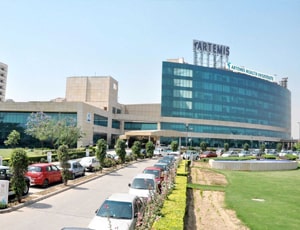
Explore Hospitals ( 52 )

Delhi, India

5.0 - 1 review · 650+ Beds · 302+ Procedures
JCI NABH
Starting
USD 2000

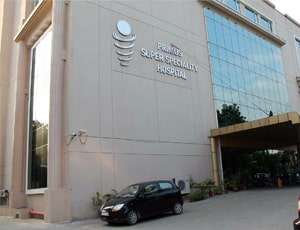
Gurgaon, India

3.3 - 4 reviews · 750+ Beds · 306+ Procedures
JCI NABH
Starting
USD 2000

Gurgaon, India

3.4 - 1 review · 1250+ Beds · 281+ Procedures
JCI NABH
Starting
USD 4500

Gurgaon, India

104+ Beds · 272+ Procedures
ISO NABH NABL
Starting
USD 12000

Delhi, India

310+ Beds · 126+ Procedures
NABL
Starting
USD 14000

Delhi, India

4.4 - 5 reviews · 710+ Beds · 304+ Procedures
JCI

Hyderabad, India

550+ Beds · 281+ Procedures
JCI

Mumbai, India

225+ Beds · 241+ Procedures
NABL
Starting
USD 4500

Chennai, India

200+ Beds · 233+ Procedures
NABH NABL
Starting
USD 5000

Chennai, India

180+ Beds · 169+ Procedures
NABH
Starting
USD 12000

Get Your Castleman Disease Treatment
Plan in 24 hrs.

Our experienced Medical Patient Advisors have supported 100,000+ patients across 120+ countries with personalised treatment plans, hospital recommendations, cost estimates, and travel assistance, all free.

HIPAA-Compliant Data SecurityShared Only with Your Consent

Free Consultation No Obligation Personalized Treatment Plan Response Within 24 Hours

Required | alphabets and spaces
Required | A valid, working email address
Required | A valid contact

Your medical info is kept HIPAA-style confidential. We never share with hospitals without your consent.

Process Involved for Castleman Disease Treatment in India

Diagnosis and Evaluation

  • Medical History and Physical Exam: Review of patient's medical history and physical examination.
  • Blood and Urine Tests: Identifies anemia and changes in blood proteins.
  • Imaging Tests: CT scans, MRI, and PET scans locate enlarged lymph nodes or organs.
  • Lymph Node Biopsy: Confirms diagnosis by examining a tissue sample.

Treatment Planning

  • Consultation with Specialists: Development of a comprehensive treatment plan.
  • Discussion of Treatment Options: Evaluation of surgery, medication, and radiation therapy along with potential risks and benefits.

Treatment Implementation

  • Unicentric Castleman Disease (UCD):
    • Surgery: Removal of affected lymph node, usually curative.
    • Medication: Alternative if surgery isn't possible.
    • Radiation Therapy: Option if surgery and medications are ineffective.
  • Multicentric Castleman Disease (MCD):
    • HHV-8-positive MCD: Rituximab (Rituxan) is highly effective; may include antiviral medications and chemotherapies.
    • Idiopathic MCD: Siltuximab (Sylvant) blocks interleukin-6; corticosteroids and chemotherapy may also be used.
  • Castleman Disease

Patients who are suffering from Castleman Disease.

  • Bone Marrow Biopsy: This procedure may be performed to assess bone marrow involvement and guide treatment decisions.
  • Plasmapheresis: A procedure to remove excess antibodies from the blood, helping to manage symptoms and improve the patient's condition.
  • Intravenous Immunoglobulin (IVIG) Therapy: Involves infusing antibodies into the bloodstream to boost the immune system and manage symptoms.
  • Symptom Relief: Effective treatment can alleviate symptoms such as fever, night sweats, fatigue, and enlarged lymph nodes, improving the patient's overall quality of life.
  • Disease Control: Treatment can help control the overgrowth of lymphatic cells, preventing the disease from progressing and reducing the risk of complications.
  • Improved Organ Function: For patients with Multicentric Castleman Disease (MCD), treatment can enhance the function of affected organs, such as the liver and spleen.
  • Reduced Risk of Infections: By managing the disease and its symptoms, treatment can help reduce the risk of infections, which are more common in patients with weakened immune systems.
  • Enhanced Longevity: Timely and effective treatment can improve the patient's prognosis and increase their chances of long-term survival.
  • Better Quality of Life: Overall, successful treatment can lead to a better quality of life, allowing patients to resume their daily activities and enjoy a more normal lifestyle.
  • Oncologist
  • Hematologist
  • Radiation Oncologist
  • Fill out the inquiry form: Fill out the form to provide us with the relevant information about your condition.
  • Consult with Our Healthcare Expert: One of our qualified specialists will contact you for a consultation.
  • Receive a Detailed Treatment Plan: After examining your situation, we will provide you with a detailed treatment plan that includes expert views and cost breakdowns for various choices.
  • Choose your preferred option: Choose the therapy option that best suits you.
  • Seamless Organization: We will manage all the details, including visas, flights, accommodations, and transfers, for a stress-free journey.
Jenny Wilson
Your Dedicated Medical Patient Advisor
Treatment planning • Hospital coordination • Multilingual support • Response within 15 minutes.
Our Services to Better your Experience

Opinion & Option

We submit the most accurate opinion and options from one or more countries for your review

Consult Privately

Consult with a certified specialist privately on our telemedicine platform even before you decide to travel

Logistics

We handle flights, visas, transfers, and accommodation—so you can focus on your health.

Recovery

Our In-house rehabilitation service packages to better your recovery and treatment outcome

Patient Stories

Ms. Monica
Ms. Monica
Monica from Ghana for AV Malformation Treatment in India

Monica from Ghana suffered from AV malformation. She decided to look for options for medical treatment when she started experiencing…

Silim Shabani
Silim Shabani
Patient Testimonial: Silim Shabani for Ovarian Cancer Treatment in Turkey

Nasrin (Sister of the patient ) explains the journey of how MediGence helped for the treatment of Silim Shabani for…

Frequently Asked Questions

The cost of Castleman disease treatment in India may vary depending on the type of disease, the number and location of affected lymph nodes, the treatment approach, hospital charges, specialist fees, and the need for surgery, medicines, or long-term monitoring. The overall cost may include diagnostic tests, imaging, biopsy, hospitalisation, medications, specialist consultations, supportive care, and follow-up visits.MediGence can help international patients explore suitable hospitals and obtain an estimated treatment plan based on their diagnosis and medical requirements.

The best hospitals for Castleman disease treatment in India are those with experienced haematologists, medical oncologists, pathologists, surgeons, and multidisciplinary teams familiar with rare lymphoproliferative disorders. Patients should consider hospitals with advanced diagnostic facilities, specialised haematology and oncology services, intensive care support, and access to targeted or immunomodulatory therapies.

Patients should seek care from a haematologist or medical oncologist experienced in diagnosing and managing Castleman disease. Depending on the disease type and treatment plan, the care team may also include a pathologist, surgeon, infectious disease specialist, or other specialists.Important factors include the doctor’s qualifications, experience with rare blood and lymph node disorders, expertise in interpreting pathology findings, hospital affiliation, and ability to explain the diagnosis, treatment options, expected outcomes, and possible risks.

Treatment outcomes depend on the type of Castleman disease, the extent of lymph node involvement, associated conditions, the patient’s overall health, and response to therapy. Unicentric Castleman disease may often be effectively treated with complete surgical removal of the affected lymph node or mass. Multicentric Castleman disease usually requires systemic treatment and long-term monitoring.The treating specialist can provide a more individualised outlook after reviewing the patient’s pathology results, imaging findings, laboratory tests, and clinical condition.

Hospitals in India may use advanced imaging, including CT, MRI, and PET scans, along with lymph node biopsy, histopathological examination, immunohistochemistry, blood tests, and specialised laboratory assessments.Treatment may involve surgical removal of localised disease, monoclonal antibody therapy, immunotherapy, corticosteroids, chemotherapy, antiviral treatment in selected cases, or supportive care. A multidisciplinary team determines the most appropriate treatment plan based on the type and severity of the disease.

The risks and complications depend on the disease type and treatment approach. Possible complications may include:
  • Bleeding, infection, or injury to nearby structures after surgery
  • Infusion-related or allergic reactions
  • Reduced immunity and an increased risk of infection
  • Fatigue, nausea, or other treatment-related side effects
  • Low blood cell counts
  • Organ dysfunction in severe cases
  • Disease recurrence or progression
  • Need for long-term treatment and monitoring
  • The treating team will explain the potential risks based on the patient’s condition and planned treatment.

    Before travelling, patients should undergo a detailed medical evaluation and share all relevant records with the treating haematology or oncology team. These may include lymph node biopsy and pathology reports, CT, MRI, or PET scan results, blood test findings, previous treatment records, and details of current medications and allergies.Patients should also discuss the expected treatment duration, hospital stay, caregiver requirements, and follow-up plan before making travel arrangements.

    Yes. International patients can arrange an online consultation with a haematologist or medical oncologist before travelling to India. The specialist may review pathology reports, imaging findings, laboratory results, medical history, and previous treatments to recommend further evaluation or an appropriate treatment approach.MediGence can help coordinate online consultations and facilitate the sharing of relevant medical records with suitable specialists.

    International patients should carry a valid passport and all relevant medical documents, including:
  • Lymph node biopsy and pathology reports
  • Immunohistochemistry or specialised laboratory reports, if available
  • CT, MRI, PET, or other imaging reports
  • Recent blood test results
  • Previous treatment or surgical records
  • Current prescriptions and medication details
  • Allergy and medical history records
  • The required stay in India depends on the type and extent of Castleman disease, the treatment approach, response to therapy, and follow-up requirements. Patients undergoing surgery for localised disease may require a shorter stay, while those receiving systemic therapy may need a longer or repeated stay. The treating team will recommend an appropriate timeline based on the individual treatment plan.

    Recovery varies according to the treatment received. Recovery after surgery may take several weeks, while systemic therapy may require ongoing treatment and monitoring over a longer period. Patients may need regular blood tests, imaging, medication adjustments, and supportive care during recovery.

    If complications occur, patients should contact the treating haematology or oncology team or seek prompt medical attention. Urgent evaluation may be required for high fever, severe weakness, breathing difficulty, unusual bleeding, persistent vomiting, signs of infection, or sudden worsening of symptoms.Patients should receive clear discharge instructions and a follow-up plan before returning home.

    International patients can begin by submitting their medical details and relevant reports through the MediGence website. After an initial review, the MediGence care team can help patients explore suitable hospitals and specialists, coordinate consultations, and support treatment planning and medical travel arrangements.The final treatment recommendation is made by the treating haematology or multidisciplinary care team after a detailed clinical evaluation.

    International patients may choose India for access to experienced haematologists and oncologists, specialised centres for rare diseases, advanced diagnostic facilities, and comprehensive treatment services. The destination should be evaluated based on clinical expertise, access to appropriate therapies, patient safety standards, and the availability of long-term follow-up care.

    Treatment options depend on whether the disease is unicentric or multicentric, the extent of lymph node involvement, associated conditions, and the patient’s overall health. Depending on the diagnosis, options may include:
  • Surgical removal of the affected lymph node or mass
  • Monoclonal antibody therapy
  • Immunomodulatory treatment
  • Corticosteroids
  • Chemotherapy in selected cases
  • Antiviral treatment when clinically indicated
  • Supportive care and long-term monitoring
  • The treating specialist will recommend the most suitable treatment plan after reviewing the patient’s diagnostic findings.

    International patients may choose India for access to specialised haematology and oncology centres, experienced multidisciplinary teams, advanced diagnostic services, and comprehensive treatment and follow-up care.MediGence can assist international patients with hospital and specialist selection, medical report coordination, consultation scheduling, treatment planning, and travel-related support. The final destination should be selected according to the patient’s diagnosis, treatment needs, and the hospital’s expertise in managing Castleman disease.

    Not Sure About Your Treatment Plan? Get a Free Second Opinion

    Have your reports reviewed by independent oncology experts to help you make a confident treatment decision, all online within 48 hours.

    Upload Your Reports
    Free second opinion on your CAR-T plan