Your Notifications
All done, no notifications

Ovarian Cancer Treatment Cost in Turkey

USD 5000 - USD 27000

Affordable World-class Treatment - Accredited Hospitals - Free Treatment Plan in 24 Hrs

3
Days in Hospital
3-6 hrs
Procedure Time
70 - 90%
Success Rate
Ovarian Cancer: Cost, Procedure and Clinics | MediGence
JCI/ISO 100,000+ Patients 24X7 Coordinator Visa & Travel handled
Your all-in-one medical travel platform for treatment, recovery & care.

Get Your Personalised Treatment Plan in Just 24 Hours.

Share your details to receive a personalised treatment plan, estimated costs, hospital recommendations, and expert guidance, “completely free.”

Required | alphabets and spaces
Required | A valid, working email address
Required | A valid contact
Connect with an Expert

Your information is protected with HIPAA-compliant security standards. We only share your details with hospitals after your consent.

Estimated Treatment Cost
USD 5000 - USD 27000
All-inclusive • Hospital + Medications + Recovery Assistance + Dedicated Care Coordinator

International Quality. Affordable Care.

How Much Does Ovarian Cancer Treatment Cost in Turkey?

The cost of Ovarian Cancer in Turkey typically ranges between USD 5000 - USD 27000.

However, this cost can vary depending on several factors, including the type and severity of the condition, treatment techniques chosen, the healthcare facility's location and reputation, the treating professionals' experience and specialisation, and the patient's overall health status.

Additionally, factors like the duration of treatment, the need for follow-up care, and the use of advanced technologies or specialised treatments can further influence the overall cost.

Factors Influencing the Cost of Ovarian CancerTreatment:

  • Type of Treatment: Surgery, chemotherapy, radiation therapy, or a combination of these. Advanced techniques like proton therapy may cost more.
  • Hospital and Location: Healthcare costs vary by location. Hospitals in urban areas or those with higher operating expenses may charge more than rural hospitals.
  • Pre-Treatment Tests: Diagnostic imaging such as MRI, CT, and PET scans can add to the cost.
  • Post-Treatment Care: Rehabilitation, medications, and follow-up consultations also impact the expenses.
  • Length of Hospital Stay: Hospital stays may become more expensive due to complicated surgeries or complications.

Ovarian cancer is a growth of cells that form in the ovaries. These cells can invade and kill healthy tissue in the body, growing and multiplying quickly.

The female reproductive system has two ovaries on each side of the uterus. Each almond-sized ovary produces the hormones progesterone, estrogen, and eggs (ovaries).

Typically, chemotherapy and surgery are used to treat ovarian cancer.

What's included in your Ovarian Cancer Treatment quote?

Ovarian Cancer Treatment
Personalized treatment plan including surgery, chemotherapy, targeted therapy, or immunotherapy as recommended
Gynecologic oncology consultation
Pre-treatment evaluation, treatment planning, and post-treatment follow-up consultations
Hospital stay & supportive care
Inpatient care, nursing support, pain management, and recovery monitoring
Follow-up monitoring
Value: Imaging, blood tests, treatment response assessment, and routine follow-up visits
Visa & medical-visa invite letter
Airport pickup & transfers

Cost of Ovarian Cancer Treatment in Major Cities of Turkey

City Cost (USD)
Ankara $5,000 – $27,000 Explore More
Bursa $5,000 – $27,000 Explore More
Istanbul $5,000 – $27,000 Explore More
Izmir $5,000 – $27,000 Explore More
Kocaeli $5,000 – $27,000 Explore More
Konya $5,000 – $27,000 Explore More
Ordu $5,000 – $27,000 Explore More
Samsun $5,000 – $27,000 Explore More
Tokat $4,500 – $24,300 Explore More

Ovarian Cancer - Turkey Vs the World

$0 - $0
$0 - $0
$25 - $2k
$3k - $100k
$5k - $27k
$5k - $15k
$6k - $38k
$8k - $10k
$10k - $30k
$15k - $35k
$15k - $45k
$20k - $100k
$20k - $40k
$50k - $200k

Find the Right Destination for Your Ovarian Cancer Treatment Journey

Tanya Bose
Author

MSc Biotechnology

4 Years of Experience

Last Reviewed - June 2026

Tanya Bose is a medical content specialist with a strong medical background. She has completed her Bachelor's and Master’s in Biotechnology from Amity University. With a deep understanding of biomedical sciences and research, she develops authoritative and patient-focused medical content covering treatments, surgical procedures, and healthcare innovations. Her writing emphasizes accuracy, clarity, and evidence-based information to help readers better understand complex medical topics. She is dedicated to improving patient awareness and supporting informed healthcare decisions by delivering trustworthy medical insights in a clear and accessible format.
View More
Dr Prateek Varshney
Reviewer

Surgical Oncologist

15 Years of Experience

Last Reviewed - June 2026

Dr. Prateek Varshney is a renowned Surgical Oncologist. He has experience of more than 15+ years in surgical Oncology. He is currently practicing as a consultant at Metro Mass Hospital and Cancer Institute. He was also previously associated as a consultant with Sir Ganga Ram Hospital and as a professor at Gujarat Cancer Research Institute.
View More

Need Help Choosing the Right Treatment? Talk to a Medical Advisor

Our dedicated Medical Patient Advisors are here to answer your questions, help you compare treatment options, estimate costs, and guide you through every step of your healthcare journey.

15 min
Average response time

Serving Patients Worldwide in Multiple Languages.

Ovarian cancer is the abnormal growth of cells in the ovaries, which are an important part of the female reproductive system. Ovaries are two small glands, located on either side of the uterus. They help produce female sex hormones and store or release eggs. An ovarian tumor is it is the eighth most common type of cancer among women. It is the fifth most common cause of cancer deaths in women around the world. Ovarian cancer can be life-threatening if not diagnosed and treated on time, however, the chances of survival are great in the case of early diagnosis.

Ovarian cancer forms when normal ovarian cell growth fails, and there is an uncontrolled growth of cells. Most of the ovarian cancers arise from the lining cells (epithelium) of the ovary. The ovarian tumor can metastasize and spread to other organs of the body.

Ovarian Cancer Causes: There is no identified and known cause of ovarian cancer. However, there are some risk factors associated with the disease. Family history (genetics) of ovarian cancer, older age, breast cancer, obesity, and endometriosis are some of the known ovarian cancer risk factors. Other than these, menstrual cycles play a major role in ovarian cancer. The higher the number of total lifetime ovulations, the greater the risk of ovarian cancer. That is, women who have had their periods before the age of 12 are at an increased risk of ovarian cancer.

The risk of ovarian cancer is also high in women suffering from familial melanoma, which is characterized by the presence of certain genes. These genes are inherited from parents and mostly occur when two or more relatives suffer from the aggressive form of melanoma or skin cancer.

The kind of ovarian cancer you have depends on where the cancer starts in the body. There are three main types:

  • Epithelial Ovarian Cancer: This is the most common type and has different subtypes like serous carcinoma and mucinous carcinoma.
  • Stromal Tumors: These are uncommon, but they are often found at an earlier stage compared to other ovarian cancers.
  • Germ Cell Tumors: These rare cancers happen more often in younger people.

The primary aims of treatment for ovarian cancer include eliminating or destroying cancer cells, halting the development of the disease, alleviating symptoms, and improving quality of life and survival rates. Successful outcomes rely on early detection and treatment.

If any symptoms or indicators bother you, schedule a visit with your physician.

Transvaginal ultrasonography, imaging studies, blood test, pelvic exam, and perhaps a biopsy are all included in the diagnosis and treatment planning. A patient's healthcare providers may recommend that they discontinue certain medications, fast before surgery, and discuss lifestyle modification and fertility concerns.

  • Surgery entails the removal of the uterus (hysterectomy), fallopian tubes, one or both ovaries (oophorectomy), and any adjacent tissues or lymph nodes.
  • Chemotherapy: Often employed to shrink a tumour either as neoadjuvant or as an adjuvant post-surgery.
  • Targeted Therapy: PARP inhibitors and other drugs act on specific genetic mutations in cancer cells.
  • Hormone therapy: Sometimes used for slow-growing cancers that respond to shifts in hormone levels.
  • Radiation Therapy: While not often utilised, radiation therapy is sometimes employed to treat localised diseases in certain situations.

Hospital stays vary from three to ten days, and surgical procedures may take three to five hours. Chemotherapy tends to be three to six cycles over several months. Based on the response, hormonal or targeted therapies can last for extended periods.

  • Blood clots
  • Infection
  • Haemorrhage
  • Damage to surrounding organs,
  • Early menopause

Effectively treated, especially if diagnosed early, cancer can be eliminated, reduce tumour burden, control spread, reduce symptoms, and improve survival.

Recovery from ovarian cancer treatment typically involves hospitalisation, pain management, and a gradual return to normal. Nutritional support and hydration are crucial after surgery, and follow-up visits are needed to monitor recurrence and side effects. During healing, psychological and emotional support may also be required.

The success rate of the treatment depends on the stage of ovarian cancer at diagnosis. Up to 90% of women with early-stage ovarian cancer live for five years.

70–90%

Treatment success rate for early-stage ovarian cancer

3–7 days

Typical hospital stay (depending on treatment)

4–8 weeks

Return to normal daily activities depending on treatment and recovery
Explore Hospitals ( 36 )

Istanbul, Turkey

144+ Beds · 239+ Procedures
JCI
Starting
USD 6800

Konya, Turkey

223+ Beds · 195+ Procedures
JCI
Starting
USD 14000

Istanbul, Turkey

102+ Beds · 189+ Procedures
JCI
Starting
USD 15000

Istanbul, Turkey

364+ Beds · 201+ Procedures
JCI
Starting
USD 7600

Istanbul, Turkey

138+ Beds · 239+ Procedures
JCI
Starting
USD 15000

Kocaeli, Turkey

120+ Beds · 239+ Procedures
JCI
Starting
USD 7270

Ankara, Turkey

254+ Beds · 296+ Procedures
GHA
Starting
USD 16000

Kocaeli, Turkey

268+ Beds · 243+ Procedures
JCI ISO
Starting
USD 15000

Istanbul, Turkey

300+ Beds · 245+ Procedures
JCI
Starting
USD 16000

Istanbul, Turkey

0.5 - 1 review · 242+ Beds · 171+ Procedures
JCI
Starting
USD 15000

Get Your Ovarian Cancer Treatment
Plan in 24 hrs.

Our experienced Medical Patient Advisors have supported 100,000+ patients across 120+ countries with personalised treatment plans, hospital recommendations, cost estimates, and travel assistance, all free.

HIPAA-Compliant Data SecurityShared Only with Your Consent

Free Consultation No Obligation Personalized Treatment Plan Response Within 24 Hours

Required | alphabets and spaces
Required | A valid, working email address
Required | A valid contact

Your medical info is kept HIPAA-style confidential. We never share with hospitals without your consent.

Process Involved for Ovarian Cancer Treatment in Turkey

  • Consultation: Talk to a gynecologic oncologist or oncologist about the diagnosis and staging of ovarian cancer.
  • Preoperative Evaluation: Imaging studies and a physical examination are done to identify the tumour's location, size, and extent.
  • Treatment Discussion: The treatment options consist of chemotherapy, radiation (when necessary), immunotherapy, targeted therapy, surgery, or more than one of these.
  • Planning a Surgery: If surgery is advised, details of the surgery, like resection of the tumor or oophorectomy, will be explained.
  • Follow-up, After Surgery: Schedule regular follow-up appointments to monitor recovery, check for recurrence, and manage any persistent symptoms or issues.
  • Ovarian cancer
  • Fallopian tube cancer
  • Peritoneal cancer
  • Metastatic ovarian cancer
  • Patients diagnosed with ovarian cancer are recommended to do so. Whether the patient is a candidate for treatment will depend on the type, stage, and location of the tumor, the overall health of the patient and any other medical conditions.
  • Surgical resection (oophorectomy, hysterectomy)
  • Chemotherapy
  • Radiation therapy (in some cases)
  • Immunotherapy
  • Targeted therapy
  • Biopsy and staging procedures
  • Enhances the survival prospects by either removing or decreasing the tumor.
  • Decreases symptoms like abdominal pain, bloating, and pelvic pressure.
  • It prevents metastasis and regulates the growth of cancer.
  • Enhances the quality of life, primarily when detected and treated.
  • Medical Oncologist
  • Surgical Oncologist
  • Radiation Oncologist
  • Fill out the inquiry form: Fill out the form to provide us with the relevant information about your condition.
  • Consult with Our Healthcare Expert:One of our qualified specialists will contact you for a consultation
  • Receive a Detailed Treatment Plan:After examining your situation, we will provide you with a detailed treatment plan that includes expert views and cost breakdowns for various choices.
  • Choose your preferred option: Choose the treatment option that suits you the best.
Jenny Wilson
Your Dedicated Medical Patient Advisor
Treatment planning • Hospital coordination • Multilingual support • Response within 15 minutes.
Our Services to Better your Experience

Opinion & Option

We submit the most accurate opinion and options from one or more countries for your review

Consult Privately

Consult with a certified specialist privately on our telemedicine platform even before you decide to travel

Logistics

We handle flights, visas, transfers, and accommodation—so you can focus on your health.

Recovery

Our In-house rehabilitation service packages to better your recovery and treatment outcome

Patient Stories

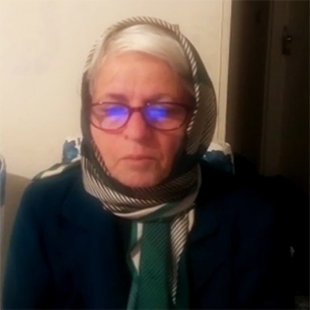
Silim Shabani
Silim Shabani
Patient Testimonial: Silim Shabani for Ovarian Cancer Treatment in Turkey

Nasrin (Sister of the patient ) explains the journey of how MediGence helped for the treatment of Silim Shabani for…

Conditions treated by Ovarian Cancer Treatment

Frequently Asked Questions

A.Treatment of ovarian cancer generally involves a combination of surgery, Chemotherapy,Targeted therapy, Immunotherapy and Palliative care

A. In general the ovarian cancer treatment cost in range of USD 5000 to 27000

A. The cost of Ovarian Cancer Treatment in Turkey may differ from one medical facility to the other. The cost quoted by some of the best hospitals for Ovarian Cancer Treatment in Turkey generally covers the pre-surgery investigations of the patient. The Ovarian Cancer Treatment cost in Turkey includes the cost of anesthesia, medicines, hospitalization and the surgeon's fee. There are many things that may increase the cost of Ovarian Cancer Treatment in Turkey, including prolonged hospital stay and complications after the procedure.

A.The recovery process after ovarian cancer treatment is multifaceted and varies depending on the type of treatment received, the stage of the cancer, and the individual patient’s overall health. Here’s an overview of what to expect during the recovery process:

Immediately After Surgery:

  • Hospital Stay is required after surgery. Depending on the extent of the surgery, patients typically stay in the hospital for several days to a week. During this time, the medical team will monitor their recovery, manage their pain, and watch for any complications.
  • Pain and discomfort are common after surgery, but medications can manage them.
  • The patient will receive instructions on how to care for surgical wounds to prevent infection. Follow-up visits are usually scheduled to ensure proper healing.

Recovery from Surgery:

  • Gradually increasing physical activity is important for recovery. Initially, you may need to avoid heavy lifting and strenuous activities, but light walking is encouraged to improve circulation and prevent blood clots.
  • Surgery can temporarily affect bowel and bladder function. It's common to experience constipation or difficulty urinating, which usually resolves over time with appropriate care and medications.
  • A balanced diet is essential for recovery. Your doctor or a dietitian may provide dietary guidelines to support healing and manage any digestive issues.

Recovery After Chemotherapy:

  • Fatigue is a common side effect of chemotherapy, and it may persist for weeks or months after treatment ends. Gradual increases in physical activity, rest, and a healthy diet can help manage fatigue.
  • Chemotherapy can weaken the immune system, making you more susceptible to infections. It’s important to follow your doctor’s advice on how to protect yourself during this period, such as avoiding large crowds and practicing good hygiene.

A. Yes, there are alternative treatments for ovarian cancer, though it's important to note that these should not replace conventional medical treatments like surgery, chemotherapy, or targeted therapy. Instead, they can be used as complementary approaches to support overall well-being. Here are some alternative treatments that may be considered:

  • Nutritional Therapy:
  • Herbal Supplements:Certain herbs, like turmeric (curcumin), green tea, and ginger, are believed to have anti-cancer properties.
  • Mind-Body Practices: Techniques like yoga, meditation, and tai chi can help reduce stress, improve mood, and enhance overall well-being.Guided imagery and relaxation exercises are also used to manage anxiety and pain.
  • Massage Therapy:Therapeutic massage can reduce stress, anxiety, and pain, and improve quality of life.Specialized oncology massage is available for cancer patients to address their specific needs.

A. Ovarian cancer can be diagnosed by the different test and procedures for instance;

During a pelvic exam, your doctor will insert gloved fingers into your vagina while pressing on your abdomen with the other hand to feel (palpate) your pelvic organs. The doctor will also visually inspect your external genitalia, vagina, and cervix.

Imaging tests, such as ultrasound or CT scans of your abdomen and pelvis, may be used to assess your ovaries' size, shape, and structure.

Blood tests may be performed to evaluate organ function and provide insight into your overall health. Additionally, your doctor might check for tumor markers in your blood that could indicate ovarian cancer. For instance, the cancer antigen (CA) 125 test can detect a protein often found on the surface of ovarian cancer cells.

A. Ovarian cancer treatment, while essential for managing the disease, comes with several risks and potential complications. These can vary depending on the type of treatment, the patient's overall health, and the stage of the cancer. Here are the common risks and complications associated with ovarian cancer treatment:

Surgery: It includes Infection, Bleeding, Damage to Nearby Organs

Blood Clots: Postoperative patients are at an increased risk of developing deep vein thrombosis (DVT) or pulmonary embolism (PE), both of which can be life-threatening.

Early Menopause: If both ovaries are removed, patients will enter menopause prematurely, leading to symptoms such as hot flashes, night sweats, and an increased risk of osteoporosis.

Chemotherapy: It includes Nausea and Vomiting, Hair Loss, Fatigue, Increased Infection Risk

Anemia and Low Platelets: Chemotherapy can cause anemia (low red blood cell count) and thrombocytopenia (low platelet count), leading to fatigue, weakness, and an increased risk of bleeding or bruising.

Peripheral Neuropathy: Some chemotherapy drugs can cause nerve damage, resulting in numbness, tingling, or pain in the hands and feet.

Organ Damage

Targeted Therapy: It includes; Hypertension (High Blood Pressure).,Blood Clots, Gastrointestinal Perforation

Making certain lifestyle changes can help reduce the risk of ovarian cancer recurrence and support overall health. While no changes can guarantee that cancer will not return, the following practices are recommended to help lower the risk:

Maintain a Healthy Diet:

  • immune function and overall health.
  • Limit Processed Foods: Reduce the intake of processed and red meats, sugary foods, and refined carbohydrates, as these can contribute to inflammation and other health issues.
  • Incorporate Healthy Fats: Include sources of healthy fats, such as olive oil, avocados, nuts, and fatty fish, which have anti-inflammatory properties.

Engage in Regular Physical Activity:

  • Regular exercise, such as walking, swimming, or cycling, can help maintain a healthy weight, reduce inflammation, and improve overall well-being.
  • Maintain a Healthy Weight:

Avoid Tobacco Use:

  • Quit Smoking: If you smoke, quitting is one of the most important steps you can take to reduce the risk of cancer recurrence and improve your overall health. Seek support from your healthcare provider, support groups, or smoking cessation programs.

Limit Alcohol Consumption:

  • Limit alcohol consumption, as excessive drinking can increase the risk of cancer recurrence. It's generally recommended to limit alcohol to no more than one drink per day for women.

Manage Stress: Chronic stress can negatively affect your immune system and overall health. Incorporate stress-reduction techniques such as meditation, deep breathing exercises, yoga, or mindfulness practices into your daily routine.

Get Regular Medical Follow-Ups:Regular check-ups with your oncologist are crucial for monitoring your health and catching any signs of recurrence early.

Consider Hormonal Management:If your ovarian cancer treatment has led to early menopause, work with your healthcare provider to manage symptoms and reduce associated risks, such as osteoporosis, which can also impact overall health.

A. There are several best hospitals for Ovarian Cancer Treatment in Turkey. Some of the most renowned hospitals for Ovarian Cancer Treatment in Turkey include the following:

  1. Acibadem University Hospital Atakent
  2. Medical Park Ankara Hospital
  3. Anadolu Medical Center
  4. Acibadem International Hospital
  5. Medicana International Samsun
  6. Acibadem Maslak Hospital

A. Upon discharge from the hospital after Ovarian Cancer Treatment in Turkey, the patients are advised to stay for about 21 days for recovery. This duration of stay is recommended to complete all the necessary follow-ups and control tests to ensure that the surgery was successful.

A.There are many cities that offer Ovarian Cancer Treatment in Turkey, including the following:

  • Antalya
  • Istanbul
  • Fethiye
  • Ankara

A. Patients can also avail to attend a video teleconsultation with the Ovarian Cancer Treatment surgeon in Turkey. the following are some of the top doctors offering Ovarian Cancer Treatment in Turkey:

A. There are more than 31 hospitals that offer Ovarian Cancer Treatment in Turkey. The above listed hospitals are approved to perform the surgery and have proper infrastructure to handle Ovarian Cancer Treatment patients. Additionally, these hospitals are known to comply with the international standards as well as local legal requirements for the treatment of patients.

Some of the renowned medical specialists for Ovarian Cancer Treatment in Turkey are:

  1. Dr. Nadire Kucukoztas
  2. Dr. Feza Yabug Karakayali

Not Sure About Your Treatment Plan? Get a Free Second Opinion

Have your reports reviewed by independent oncology experts to help you make a confident treatment decision, all online within 48 hours.

Upload Your Reports
Free second opinion on your CAR-T plan