Your Notifications
All done, no notifications

Spinal Fusion Cost in Turkey

USD 10000 - USD 22000

Affordable World-class Treatment - Accredited Hospitals - Free Treatment Plan in 24 Hrs

3
Days in Hospital
3-6 hrs
Procedure Time
70 - 90%
Success Rate
Spinal Fusion: Cost, Procedure and Clinics | MediGence
JCI/ISO 100,000+ Patients 24X7 Coordinator Visa & Travel handled
Your all-in-one medical travel platform for treatment, recovery & care.

Get Your Personalised Treatment Plan in Just 24 Hours.

Share your details to receive a personalised treatment plan, estimated costs, hospital recommendations, and expert guidance, “completely free.”

Required | alphabets and spaces
Required | A valid, working email address
Required | A valid contact
Connect with an Expert

Your information is protected with HIPAA-compliant security standards. We only share your details with hospitals after your consent.

Estimated Treatment Cost
USD 10000 - USD 22000
All-inclusive • Hospital + Medications + Recovery Assistance + Dedicated Care Coordinator

International Quality. Affordable Care.

How Much Does Spinal Fusion Cost in Turkey?

The cost of Spinal Fusion in Turkey typically ranges between USD 10000 - USD 22000.

However, this cost can vary depending on several factors, including the type and severity of the condition, treatment techniques chosen, the healthcare facility's location and reputation, the treating professionals' experience and specialisation, and the patient's overall health status.

Additionally, factors like the duration of treatment, the need for follow-up care, and the use of advanced technologies or specialised treatments can further influence the overall cost.

Factors Influencing the Cost of Spinal Fusion:

  • Type of Surgery: The cost varies depending on the type of spinal fusion surgery performed and the specific techniques used.
  • Hospital and Location: Healthcare costs vary by location. Hospitals in urban areas or those with higher operating expenses may charge more than rural hospitals.
  • Pre-Treatment Tests: Diagnostic imaging such as X-rays and electrocardiograms can add to the cost.
  • Post-Treatment Care: Rehabilitation, medications, and follow-up consultations also impact the expenses.
  • Length of Hospital Stay: Hospital stays may become more expensive due to complicated surgeries or complications.

Spinal fusion refers to surgery joining two or more bones in any spine section. If the bones are joined, then they cannot move. Pain may be avoided because movement is reduced.

A surgeon places bone, or a material that looks like bone, between two spinal bones in spinal fusion. The bones can be stabilised with metal rods, screws, or plates. Then, the bones can fuse and heal as one.

What's included in your Spinal Fusion quote?

Spinal Fusion
Surgery to join two or more vertebrae to stabilize the spine and relieve pain
Spine surgeon consultation
Pre-surgery evaluation, treatment planning, and follow-up consultations
Hospital stay & supportive care
Surgery, anesthesia, nursing care, and recovery monitoring
Follow-up monitoring
X-rays, rehabilitation guidance, and routine follow-up visits
Visa & medical-visa invite letter
Airport pickup & transfers

Cost of Spinal Fusion in Major Cities of Turkey

City Cost (USD)
Ankara $10,000 – $22,000 Explore More
Antalya $10,000 – $22,000 Explore More
Bursa $10,000 – $22,000 Explore More
Canakkale $9,000 – $19,800 Explore More
Fethiye $9,000 – $19,800 Explore More
Istanbul $10,000 – $22,000 Explore More
Kocaeli $10,000 – $22,000 Explore More
Konya $10,000 – $22,000 Explore More
Sakarya $10,000 – $22,000 Explore More
Samsun $10,000 – $22,000 Explore More
Sivas $9,000 – $19,800 Explore More
Tokat $9,000 – $19,800 Explore More
Trabzon $9,000 – $19,800 Explore More
Usak $9,000 – $19,800 Explore More
Zonguldak $9,000 – $19,800 Explore More

Spinal Fusion 1 Level - Turkey Vs the World

$0 - $0
$5k - $15k
$6k - $12k
$6k - $10k
$8k - $14k
$10k - $22k
$12k - $17k
$12k - $17k
$14k - $28k
$15k - $32k
$17k - $45k
$20k - $30k
$50k - $100k

Find the Right Destination for Your Spinal Fusion Journey

Dr. Vijita Jayan
Author

BPT, MPT (Neuro)

18 Years of Experience

Last Reviewed - June 2026

With over 18 years of distinguished clinical experience, Dr. Vijita Jayan is a highly accomplished Clinical Director and Rehabilitation Specialist, renowned for her expertise in neuro-rehabilitation, functional recovery, and mobility-dependent case management. Her extensive practical knowledge enables her to design and implement individualized, evidence-based rehabilitation protocols that consistently yield measurable patient outcomes. A prolific researcher and academic writer, she has authored numerous peer-reviewed articles and research papers, significantly advancing the field of rehabilitative medicine. The recipient of multiple prestigious accolades, Dr. Jayan is widely regarded as one of the foremost authorities in Physical Medicine and Rehabilitation, continually shaping neuro-rehabilitative care through research, innovation, and clinical excellence.
View More
⁠Dr Rakesh Kumar Dua
Reviewer

Spine & Neurosurgeon

25 Years of Experience

Last Reviewed - June 2026

Dr. Rakesh Dua has more than 25+ years of clinical experience in spine surgeries. He is currently providing his services as Director, Neuro & Spine Surgery at Fortis Hospital, Shalimar Bagh. Before joining Fortis Hospital, he was associated with Max super-specialist Hospital, Shalimar Bagh as Director Neurosurgery & Head Neuro Spine, and with UCMS & GTB hospital as head of the neurosurgery department.
View More

Need Help Choosing the Right Treatment? Talk to a Medical Advisor

Our dedicated Medical Patient Advisors are here to answer your questions, help you compare treatment options, estimate costs, and guide you through every step of your healthcare journey.

15 min
Average response time

Serving Patients Worldwide in Multiple Languages.

Spinal fusion surgery is a type of spinal procedure used to join two or more bones permanently in the spine and to prevent movement between them. The bones that are joined are called vertebrae. Spinal fusion surgery is performed along with other surgical procedures such as foraminotomy or laminectomy and after diskectomy in the neck. It is required if the patient has an injury or a fracture of the vertebrae. The spine will become weak due to an infection or tumors. Spinal fusion is also performed in abnormal curvatures that result from scoliosis or kyphosis.

Why is spinal fusion surgery required

Spinal fusion is a procedure that links two or more bones in the spine to enhance stability, address issues, or alleviate pain. It can be employed for various purposes:

Reshaping the Spine: Spinal fusion helps correct spine formation abnormalities, such as sideways curvature (scoliosis).

Addressing Weakness or Instability: When excessive movement between two spinal bones causes instability, often due to severe arthritis, spinal fusion makes the spine more secure.

Dealing with Damaged Disks: After removing a damaged disk, spinal fusion may stabilize the spine and promote overall structural integrity.

In spinal fusion, two or more vertebrae in the spinal column are stitched together surgically to create a single, stable unit. It is usually done to correct spinal instability, slipped discs, spinal abnormalities (like scoliosis), chronic back pain, or spinal injuries. The goals are to minimise pain and inhibit harmful bone-to-bone motion. However, it is not suitable for all, especially those with infections or certain bone disorders, and it does not enhance flexibility.

In spinal fusion, two or more vertebrae in the spinal column are stitched together surgically to create a single, stable unit. It is usually done to correct spinal instability, slipped discs, spinal abnormalities (like scoliosis), chronic back pain, or spinal injuries. The goals are to minimise pain and inhibit harmful bone-to-bone motion. However, it is not suitable for all, especially those with infections or certain bone disorders, and it does not enhance flexibility.

Your physician will review your medical history, check for any previous back problems or surgery, and discuss your symptoms before surgery. MRIS, CT scans, and X-rays are often needed imaging studies. If a transfusion is required, you may need to temporarily discontinue certain medications, avoid food before surgery, and even donate your blood. The physician will explain the risks, fusion type, and rehabilitation plan.

  • Anaesthesia: You\u2019ll be asleep during surgery.
  • Incision: A cut is made in your back, neck, or side, depending on where the problem is.
  • Disc or bone removal: Damaged discs or bone pieces may be removed.
  • Bone graft placement: A piece of bone or bone-like material is placed between the vertebrae to help them grow together.
  • Metal hardware: Screws, rods, or plates can be employed to hold the bones in position as they fuse.
  • Closure: The wound is closed using stitches or staples.

Spinal fusion typically takes two to six hours, depending on how many vertebrae are involved.

Complications may involve infection, bleeding, blood clotting, nerve damage, or incorrect bone fusion. In the future, individuals may need further surgery or develop pain near the transplant. Following fusion, the spine can deteriorate faster in the areas surrounding it.

Spinal fusion stabilises the spine, eliminates or reduces pain, and allows individuals to return to normal activities. In most instances where other therapies fail, it improves quality of life. Most individuals experience general function improvement, even though the fused area does not regain motion.

You may stay two to four days in the hospital. Pain is controlled with medication. You will not be able to lift, bend, or twist for a few weeks. You may be given a back brace. Strength and motion are regained through physical therapy. Although complete healing takes six to twelve months, most individuals recover enough to return to work in four to six weeks.

Depending on your overall health and the reason for the surgery, the success rate of spinal fusion is between 70% and 90%. Most patients notice increased stability and reduced pain. In the event of proper healing, revision surgeries are uncommon, and fusion is generally permanent.

85–95%

Success rate for spinal stability and pain relief

3–5 days

Typical hospital stay

3–6 months

Return to normal daily activities depending on recovery and rehabilitation
Explore Hospitals ( 48 )

Istanbul, Turkey

0.5 - 1 review · 99+ Beds · 196+ Procedures
JCI
Starting
USD 15000

Istanbul, Turkey

364+ Beds · 201+ Procedures
JCI
Starting
USD 15000

Istanbul, Turkey

138+ Beds · 239+ Procedures
JCI
Starting
USD 15000

Kocaeli, Turkey

120+ Beds · 239+ Procedures
JCI
Starting
USD 15000

Ankara, Turkey

254+ Beds · 296+ Procedures
GHA
Starting
USD 15000

Istanbul, Turkey

810+ Beds · 232+ Procedures
JCI
Starting
USD 15000

Kocaeli, Turkey

268+ Beds · 243+ Procedures
JCI ISO
Starting
USD 15000

Istanbul, Turkey

300+ Beds · 245+ Procedures
JCI

Canakkale, Turkey

92+ Beds · 211+ Procedures
ISO JCI
Starting
USD 15000

Istanbul, Turkey

617+ Beds · 241+ Procedures
JCI

Get Your Spinal Fusion
Plan in 24 hrs.

Our experienced Medical Patient Advisors have supported 100,000+ patients across 120+ countries with personalised treatment plans, hospital recommendations, cost estimates, and travel assistance, all free.

HIPAA-Compliant Data SecurityShared Only with Your Consent

Free Consultation No Obligation Personalized Treatment Plan Response Within 24 Hours

Required | alphabets and spaces
Required | A valid, working email address
Required | A valid contact

Your medical info is kept HIPAA-style confidential. We never share with hospitals without your consent.

Process Involved for Spinal Fusion in Turkey

  • Pre-Surgical Management: Imaging (X-rays, MRIs, CT scans) and lab tests; anesthetic workup.
  • Surgery: Bone grafting with the use of metal rods for stabilisation; screws or plates; can be done through an open or minimally invasive technique.
  • Postoperative Recovery: 2-5 day hospital stay for early physical therapy, and full recovery from 3 to 12 months.
  • Individuals with severe spinal instability, scoliosis, herniated disc, fracture, and degenerative disc disease.
  • Chronic back pain unrelieved by conservative treatment.
  • The candidates should be in good state of overall health.
  • Laminectomy
  • Discectomy
  • Kyphoplasty or Vertebroplasty
  • Reduces chronic pain and spinal instability.
  • Corrects deformities (scoliosis).
  • Prevents further spinal damage and improves mobility.
  • Orthopedic spine surgeon
  • Neurosurgeon
  • Rehabilitation Specialist
  • Fill out the inquiry form: Fill out the form to provide us with the relevant information about your condition.
  • Consult with Our Healthcare Expert: One of our qualified specialists will contact you for a consultation.
  • Receive a Detailed Treatment Plan: After examining your situation, we will provide you with a detailed treatment plan that includes expert views and cost breakdowns for various choices.
  • Choose your preferred option: Choose the treatment option that suits you the best.
Jenny Wilson
Your Dedicated Medical Patient Advisor
Treatment planning • Hospital coordination • Multilingual support • Response within 15 minutes.
Our Services to Better your Experience

Opinion & Option

We submit the most accurate opinion and options from one or more countries for your review

Consult Privately

Consult with a certified specialist privately on our telemedicine platform even before you decide to travel

Logistics

We handle flights, visas, transfers, and accommodation—so you can focus on your health.

Recovery

Our In-house rehabilitation service packages to better your recovery and treatment outcome

Patient Stories

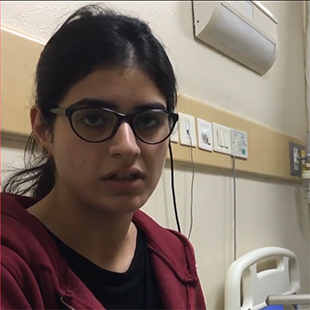
Mrs. Asmina Kauser Shuntoo
Asmina Kauser Shuntoo from India underwent Complicated Spine Surgery

This is the story of how a Patient from Kashmir Region of India, underwent a complicated Spine Surgery at BLK…

Asmina Kauser
Asmina Kauser
Successful Destabilized Neck Joint Treatment

The Patient Care team, at MediGence quickly put up a treatment plan for Mrs Asmina. Out of the given options,…

Conditions treated by Spinal Fusion

Frequently Asked Questions

A. A spinal fusion is a surgical procedure used to fuse two or more vertebrae in the spine. Your body is held upright by an interconnecting column made up of these ring-shaped bones. Combining them will strengthen the structure of your back. Surgeons that specialize in spinal fusion surgery come in several varieties. Depending on your particular demands and the underlying problem, both orthopedics and neurosurgeons can do these. The cost of the procedure starts from USD 10,000.

A. Turkey is the leading country in the field of medical tourism. Reasons for this are that the hospitals in Turkey provide top-of-the-line healthcare services, huge infrastructure, improved and refined technology, and service quality. There are various reasons for undergoing spine surgery in Turkey:

  • More than 1200 neurosurgeons are practicing in Turkish hospitals
  • Well-experienced doctors and surgeons, the latest innovative techniques, and high-quality health services. Some hospitals also provide offer discounts for aesthetic procedures.
  • The high success rate in brain and spine surgery. Some hospital success rates reach up to 91% in brain and spine surgery.
  • Turkey has various multispecialty hospitals. Most hospitals have received a quality certificate by Joint Commission International (JCI)
  • Most of the Turkish doctors and hospital staff speak well in English
  • Treatment and diagnostic costs are low compared to developed countries.
  • Turkish government attracts investors in the healthcare sector.

A. There are the following types of spine surgery conducted in Turkey:

  1. Spine Fusion: Spine fusion is a surgical procedure in which two or more vertebrae are fused permanently with healthy bone. Spine fusion surgery is performed to treat Spinal curve deformity, Spinal stenosis, Spinal disc herniation, Degenerative disc disease, and severe back pain.
  2. Laminectomy: It is a decompression surgery in which a part of the spinal column (called a lamina) is removed and space is created. The main aim of this surgery is to create space in the spinal canal to remove pressure on the spinal cord or nerves.
  3. Discectomy: It is also a decompression surgery, herniated disc surgery, microdiscectomy, and percutaneous discectomy. In these types of spine surgery, the abnormal or damaged disc is removed which compresses the nerves. Discectomy surgery is performed to treat leg weakness and numbness, herniated or ruptured discs, and relieve pressure on the nerve or spinal cord.
  4. Vertebroplasty and kyphoplasty: Vertebroplasty and kyphoplasty are a similar spinal procedure, in which bone cement is injected through a tiny hole into a fractural vertebra. Vertebroplasty and kyphoplasty surgery are performed to treat vertebral compression, and fractures of the spine, improve osteoporosis, and tumor biopsy or cancer in bone.
  5. In a posterior lumbar interbody fusion (PLIF) procedure, the intervertebral disc is extracted through a back incision. To promote fusion, a cage or bone graft material is inserted into the area between the vertebrae.
  6. An anterior lumbar interbody fusion (ALIF) requires making an abdominal incision to reach the spine. After the disc is removed, the space between the vertebrae is filled with a cage or bone graft.
  7. Transforaminal Lumbar Interbody Fusion (TLIF): This procedure is comparable to PLIF, but instead of making an incision from the side, the disc is taken out of the foramen, which is where the nerves leave the spine. A cage or graft is placed to stabilize the spin.
  8. Posterior Cervical Fusion: This procedure involves making an incision at the back of the neck and fusing the damaged vertebrae with screws, plates, or bone transplants.
  9. The anterior neck is cut open during an anterior cervical discectomy and fusion (ACDF). After the injured disc is removed, the vertebrae are fused using an implant or bone transplant.
  10. Thoracic Fusion: To access the thoracic spine, a back or chest incision is done. Discs or sections of vertebrae may be removed during the treatment, and hardware or grafts may be placed in their place.

A. There are several advantages to spinal fusion surgery, especially for those who are severely pained or have functional limits as a result of spinal problems. The following are some of the main benefits:

  • Discomfort Relief: Relieving persistent back or neck discomfort resulting from degenerative disc disease, spinal stenosis, or herniated discs is one of the main objectives of spinal fusion. The pain resulting from instability or aberrant movement can be lessened or eliminated through fused vertebrae.
  • Stability: By permanently joining two or more vertebrae, spinal fusion stabilizes the spine. This can shield the surrounding structures and nerves from further strain or injury, as well as aid in stopping additional damage to the spinal column.
  • Correcting Deformities: Spinal fusion can assist in stabilizing or correcting the curvature of the spine in situations of spinal deformities like kyphosis or scoliosis, hence enhancing posture and alignment.
  • Prevention of Progression: Spinal fusion can help stop some spinal disorders from getting worse by stabilizing the spine. This could help avoid more serious consequences or the need for subsequent procedures.
  • Decreased Medication Need: By treating the underlying cause of pain, a successful spinal fusion procedure might help some patients become less dependent on opioids and other painkillers.
  • Improved Quality of Life: Many patients report an overall improvement in their quality of life, which includes better sleep, an expanded capacity for hobbies and interests, and an improvement in their mental well-being, as a result of pain reduction and improved spine function.

A. In certain cases, one-level spinal fusion is advised when a single vertebral segment is seriously creating problems. The following are some typical situations in which this process might be necessary:

  1. Degenerative Disc Disease: Fusion of the afflicted segment can help stabilize the spine and relieve symptoms when a single disc in the spine deteriorates, causing discomfort, instability, or nerve compression.
  2. Herniated Disc: If a disc herniates and results in excruciating pain or neurological symptoms (such as numbness or weakness) that are limited to one disc level and do not get better with conservative measures, spinal fusion may be an option.
  3. Spinal Stenosis: Fusion can stabilize the spine and relieve pressure on the nerves in situations where spinal stenosis, or narrowing of the spinal canal, affects only one segment and conservative treatments have not worked.
  4. Spondylolisthesis: Fusion can help realign and stabilize the vertebrae when one slips forward over the one below it (usually as a result of a deformity or fracture) and the disease affects only one level.
  5. Fractures: Fusion surgery may be required to restore spinal stability for some types of spinal fractures, particularly those that do not heal properly or cause instability at a single level.
  6. Post-Surgical Stabilization: A fusion of the nearby vertebrae may be necessary following the removal of a troublesome disc or vertebra for stability.

A. Even while spinal fusion surgery is frequently successful, there are several dangers and possible side effects. These can change based on the kind of surgery, the general health of the patient, and other variables. The following are some typical dangers connected to spinal fusion surgery:

  • Infection: There is always a chance of infection, either at the site of the incision or beyond into the surgical area.
  • Blood Clots: If a patient is motionless for an extended period, they may develop deep vein thrombosis (DVT) or pulmonary embolism (PE).
  • Bleeding: Blood transfusions may be necessary if there is significant bleeding during or after surgery.
  • Nerve Damage: During surgery, there is a chance that the nerves will sustain damage that could result in numbness, tingling, or weakening.
  • Pain: Postoperative pain is possible, and it may differ from preoperative pain in that it may last longer in some cases.
  • Non-Union or Pseudarthrosis: If the vertebrae do not fuse as intended, pain may persist and more surgery may be required.
  • Adjacent Segment Disease: Over time, degenerative changes and greater stress may occur in the segments of the spine above or below the fused portion.
  • Loss of Range of Motion: Fusion causes the spine to become less flexible, which may have an impact on a person's total range of motion and function.

A. Apart from the actual surgery period, there are numerous steps you must take throughout your stay in the operating room. The actual spinal fusion procedure may require one to five hours to complete. The best person to estimate how long your operation might take is your physician, as the duration of the procedure can vary based on your unique needs and circumstances.

A. Here is an overview of what to expect, while recovery durations and experiences can vary based on the individual and the particular type of fusion performed:

  1. Hospital Stay: Depending on the intricacy of the surgery and each patient's recuperation, patients usually remain in the hospital for one to four days following surgery.
  2. Pain Management: Pain is treated with medications, starting with opioids and moving on to non-opioid painkillers as the patient's healing advances.
  3. Mobility: To enhance circulation and avoid issues like blood clots, patients are advised to get moving as soon as feasible. Physical therapists can help with low-impact exercises and motions.
  4. Wound Care: It's important to maintain a dry and clean surgical site. Observe for indications of infection and take wound care instructions from your surgeon attentively.
  5. Physical Therapy: Four to six weeks following surgery is usually when an organized physical therapy program starts. The main goals of therapy are to teach good body mechanics, increase flexibility, and strengthen the back.
  6. Fusion Process: It can take many months to a year to complete the fusion process. The course of bone healing can be tracked by X-rays or other imaging tests.
  7. Frequent follow-up appointments keep an eye on the overall health of the spine as well as the fusion process. Changes in therapy or activity levels may be necessary depending on the patient's development and any new symptoms.

A. The success rate of spinal fusion surgery is very high and is at par with developed countries. The success rate varies according to the type of spine surgery performed. For example, lumber herniated surgery has a 95% success rate while brain and spinal cord surgery has a 91% success rate. Some hospitals also perform the surgery through the latest spine technology such as minimally invasive spine surgery which has a success rate of around 90%. Various reasons are depicted for high success rates such as good infrastructure, highly qualified surgeons or medical staff, the latest technologies, and quality of healthcare services.

A. The spine surgery cost in Turkey is lower than in Western and European countries. The average cost of spine surgery in Turkey varies according to the type of spine surgery. Surgeries such as spinal fusion cost around 10,000, herniated disc surgery costs USD 2,500 -31,000, discectomy surgery (removal of lumbar disc) costs USD 6,600-20,000 and the cost of laminectomy surgery is USD 3,400-18,000. Various factors affect the cost of spine surgery in Turkey such as:

  • Types of hospitals
  • Hospitals facilities
  • Location of hospitals
  • Latest Innovative technologies
  • Surgeons fees
  • Availability of technologically advanced instruments for surgery
  • Experienced surgeons and specialized medical team
  • Diagnostic tests fees
  • Patient health condition
  • Duration of hospital stay
  • Types of spine surgery
  • The success rate of the spine surgery
  • Additional treatment procedure

Some of the best hospitals for spinal fusion in Turkey are:

  1. Acibadem Taksim, Istanbul, Turkey
  2. Anadolu Medical Center, Gebze/Kocaeli, Turkey
  3. Medipol Mega University Hospital, Istanbul, Turkey
  4. Memorial Ankara Hospital, Istanbul, Turkey
  5. Hisar Intercontinental Hospital, Istanbul, Turkey
  6. NP Istanbul Brain Hospital, Istanbul, Turkey
  7. LIV Hospital, Istanbul, Turkey
  8. Kadikoy Florence Nightingale Hospital, Istanbul, Turkey
  9. Istanbul Memorial Hospital, Istanbul, Turkey
  10. Acibadem University Atakent Hospital, Istanbul, Turkey
  11. Spine Surgeons Memorial Ankara Hospital, Ankara, Turkey

A. The best cities in Turkey for spine surgery are the following:

  • Istanbul
  • Ankara
  • Antalya
  • Bodrum

Most of the hospitals for spine surgery in Turkey are situated in Istanbul and Ankara. Ankara is the capital of Turkey and Istanbul is the most populous city as well as its cultural and financial hub. Most of the hospitals in these cities have world-class healthcare facilities, internationally well-trained surgeons experienced medical staff teams, and the latest technology.

A. Following are some of the top spine surgeons in Turkey:

  1. Emre Acaroglu, Spine Surgeons Memorial Ankara Hospital, (Ankara) Turkey
  2. Dr. Aylin Özturk, Neurologist, Liv Hospital Group (Istanbul) Turkey
  3. Ali Zırh, Neurologist Medipol Mega Hastaneler Kompleksi (Istanbul) Turkey
  4. Okan Bölükbaş, Neurologist Okan University Hospital, (Istanbul) Turkey
  5. Erdal Karaöz, Neurologist Liv Hospital,(Istanbul) Turkey
  6. Yaşar Kütükçü, NeurologistAnadolu Medical Center, (Istanbul) Turkey
  7. Kursad Aydin, Neurologist Medipol Mega Hastaneler Kompleksi (Istanbul) Turkey
  8. Sinan Çomu, Neurologist Memorial Şişli Hospital (Istanbul) Turkey
  9. Lutfi Hanoglu, Neurologist Medipol Mega Hastaneler Kompleksi (Istanbul) Turkey
  10. Serdar Baki Albayrak, Neurologist, Medical Park Hospitals Group (Istanbul) Turkey
  11. Serdar Baki Albayrak, neurologist, Medical Park Hospitals Group (Istanbul) Turkey

A. Joint Commission International (JCI) is the major healthcare accrediting body in Turkey. All the accredited hospitals in Turkey are bound to ensure top-quality medical care and adhere to international standards set by the accreditation body. The standards act as a framework for hospitals to meet international healthcare standards and focus on the quality of care and patient safety. The standards require continuous monitoring of critical events and a comprehensive corrective action plan to ensure quality.

A. Turkey houses the best doctors in the world who strive to ensure quality medical care and complete patient satisfaction. They have received quality education at premier institutions and have comprehensive training. Doctors in Turkey have deep subject knowledge and their skill set and area of expertise are vast. Doctors in Turkey are highly experienced and board-certified and ensure top-quality care to their patients.

A. Hospitals in Turkey offer all modern facilities to patients to ensure that get treatment in a comfortable environment. To improve patient experience, hospitals in Turkey offer excellent facilities, such as visa assistance, travel arrangements, airport transfers, coordination of all medical appointments, accommodations for patients and companions, international staff translators, shopping and recreational options, Internet with wi-fi, mobile sim cards, lockers, and multiple food options. Hospitals in Turkey help international patients at all stages of their treatment journey, right from queries, to preparations for their travel, arrival, visit to the hospital, and follow-up care.

FAQ's Related to Turkey

Joint Commission International (JCI) is the major healthcare accrediting body in Turkey. All the accredited hospitals in Turkey are bound to ensure top quality medical care and adhere to international standards set by the accreditation body. The standards act as a framework for hospitals to meet international healthcare standards and focus on the quality of care and patient safety. The standards require continuous monitoring of critical events and a comprehensive corrective action plan for ensuring quality.

Turkey houses the best doctors in the world who strive to ensure quality medical care and complete patient satisfaction. They have received quality education at premier institutions and have comprehensive training. Doctors in Turkey have deep subject knowledge and their skill set and area of expertise are vast. Doctors in Turkey are highly experienced and board-certified who ensure top-quality care to their patients.

Some of the popular procedures available at hospitals and clinics in Turkey are:

  1. Ophthalmic surgery,
  2. Dental treatments,
  3. Plastic surgery,
  4. Hair transplant,
  5. IVF,
  6. Hematological oncology,
  7. Stem cell transplantation,
  8. Dermatological treatment,
  9. Bariatric surgery,
  10. Kidney transplant.

The reasons for the popularity of these procedures in Turkey are affordable cost and a high success rate. Most hospitals in Turkey offer world-class treatments in almost every therapeutic areas. The popular procedures available in Turkey have received worldwide attention due to high success rates, affordable cost, and safe treatments.

Hospitals in Turkey offer all modern facilities to patients to ensure that get the treatment in a confortable environment. With an aim to improve patient experience, hospitals in Turkey offer excellent facilities, such as visa assistance, travel arrangements, airport transfers, coordination of all medical appointments, accommodations for patients and companions, international staff translators, shopping and recreational options, Internet with wi-fi, mobile sim cards, lockers, and multiple food options. Hospitals in Turkey help international patients at all stages of their treatment journey, right from queries, preparations for their travel, arrival, visit of the hospital, and follow-up care.

Not Sure About Your Treatment Plan? Get a Free Second Opinion

Have your reports reviewed by independent oncology experts to help you make a confident treatment decision, all online within 48 hours.

Upload Your Reports
Free second opinion on your CAR-T plan

Get Insight with our Blogs

Mr. Wilson Travelled for Spinal Steroid Injection in NP Istanbul Hospital, Turkey
Patient Stories

Mr. Wilson Travelled for Spinal Steroid Injection in NP Istanbul Hospital, Turkey

I am quite content with the treatment plan and outcome offered by Dr. Akin. I am grateful to the medical staff at NP Istanbul Hospital and my treating doctor. I thank MediGence from the bottom of my heart as they have helped me from the very beginning, and managed everything for me so that I could focus on the treatment itself. This included finding the hospital, arranging my consultation, and fixing the appointment dates for the test, hotel stay, managing hospital visits, and airport transfers.

Published: 08 Apr, 2022
Updated: 03 Jul, 2025