Affordable World-class Treatment - Accredited Hospitals - Free Treatment Plan in 24 Hrs
Share your details to receive a personalised treatment plan, estimated costs, hospital recommendations, and expert guidance, “completely free.”
Your information is protected with HIPAA-compliant security standards. We only share your details with hospitals after your consent.
The cost of Spinal Fusion in Malaysia is USD 12000 - USD 17000
However, this cost can vary depending on several factors, including the type and severity of the condition, treatment techniques chosen, the healthcare facility's location and reputation, the treating professionals' experience and specialisation, and the patient's overall health status.
Additionally, factors like the duration of treatment, the need for follow-up care, and the use of advanced technologies or specialised treatments can further influence the overall cost.
Spinal fusion refers to surgery joining two or more bones in any spine section. If the bones are joined, then they cannot move. Pain may be avoided because movement is reduced.
A surgeon places bone, or a material that looks like bone, between two spinal bones in spinal fusion. The bones can be stabilised with metal rods, screws, or plates. Then, the bones can fuse and heal as one.
| City | Cost (USD) | |
|---|---|---|
| Kuala Lumpur | $12,000 – $17,000 | Explore More |


Our dedicated Medical Patient Advisors are here to answer your questions, help you compare treatment options, estimate costs, and guide you through every step of your healthcare journey.
Spinal fusion surgery is a type of spinal procedure used to join two or more bones permanently in the spine and to prevent movement between them. The bones that are joined are called vertebrae. Spinal fusion surgery is performed along with other surgical procedures such as foraminotomy or laminectomy and after diskectomy in the neck. It is required if the patient has an injury or a fracture of the vertebrae. The spine will become weak due to an infection or tumors. Spinal fusion is also performed in abnormal curvatures that result from scoliosis or kyphosis.
Spinal fusion is a procedure that links two or more bones in the spine to enhance stability, address issues, or alleviate pain. It can be employed for various purposes:
Reshaping the Spine: Spinal fusion helps correct spine formation abnormalities, such as sideways curvature (scoliosis).
Addressing Weakness or Instability: When excessive movement between two spinal bones causes instability, often due to severe arthritis, spinal fusion makes the spine more secure.
Dealing with Damaged Disks: After removing a damaged disk, spinal fusion may stabilize the spine and promote overall structural integrity.
In spinal fusion, two or more vertebrae in the spinal column are stitched together surgically to create a single, stable unit. It is usually done to correct spinal instability, slipped discs, spinal abnormalities (like scoliosis), chronic back pain, or spinal injuries. The goals are to minimise pain and inhibit harmful bone-to-bone motion. However, it is not suitable for all, especially those with infections or certain bone disorders, and it does not enhance flexibility.
Your physician will review your medical history, check for any previous back problems or surgery, and discuss your symptoms before surgery. MRIS, CT scans, and X-rays are often needed imaging studies. If a transfusion is required, you may need to temporarily discontinue certain medications, avoid food before surgery, and even donate your blood. The physician will explain the risks, fusion type, and rehabilitation plan.
Spinal fusion typically takes two to six hours, depending on how many vertebrae are involved.
Complications may involve infection, bleeding, blood clotting, nerve damage, or incorrect bone fusion. In the future, individuals may need further surgery or develop pain near the transplant. Following fusion, the spine can deteriorate faster in the areas surrounding it.
Spinal fusion stabilises the spine, eliminates or reduces pain, and allows individuals to return to normal activities. In most instances where other therapies fail, it improves quality of life. Most individuals experience general function improvement, even though the fused area does not regain motion.
You may stay two to four days in the hospital. Pain is controlled with medication. You will not be able to lift, bend, or twist for a few weeks. You may be given a back brace. Strength and motion are regained through physical therapy. Although complete healing takes six to twelve months, most individuals recover enough to return to work in four to six weeks.
Depending on your overall health and the reason for the surgery, the success rate of spinal fusion is between 70% and 90%. Most patients notice increased stability and reduced pain. In the event of proper healing, revision surgeries are uncommon, and fusion is generally permanent.
85–95%
Success rate for spinal stability and pain relief3–5 days
Typical hospital stay3–6 months
Return to normal daily activities depending on recovery and rehabilitationOur experienced Medical Patient Advisors have supported 100,000+ patients across 120+ countries with personalised treatment plans, hospital recommendations, cost estimates, and travel assistance, all free.
✓ Free Consultation ✓ No Obligation ✓ Personalized Treatment Plan ✓ Response Within 24 Hours
Your medical info is kept HIPAA-style confidential. We never share with hospitals without your consent.

Opinion & Option
We submit the most accurate opinion and options from one or more countries for your review
Consult Privately
Consult with a certified specialist privately on our telemedicine platform even before you decide to travel
Logistics
We handle flights, visas, transfers, and accommodation—so you can focus on your health.
Recovery
Our In-house rehabilitation service packages to better your recovery and treatment outcome

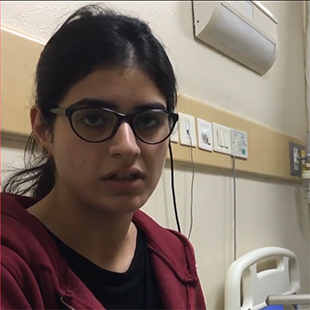
This is the story of how a Patient from Kashmir Region of India, underwent a complicated Spine Surgery at BLK…

The Patient Care team, at MediGence quickly put up a treatment plan for Mrs Asmina. Out of the given options,…
A. Surgery to join two or more bones in any section of the spine is known as spinal fusion. The bones cannot move when they are connected. Pain can be avoided by restricting movement.
A surgeon inserts bone, or a substance that mimics bone, between two spinal bones during spinal fusion. The bones may be joined together by metal rods, screws, or plates. After that, the bones may combine and repair as a single unit.
A. Spinal fusion is performed by surgeons under general anesthesia, which places the patient in a significant sleeplike state. Surgery for spinal fusion can be performed in a variety of methods. The surgeon's method is determined by the position of the bones to be fused on the spine, the reason for the spinal fusion, and sometimes the patient's overall health and shape.
A. The process of recovering from surgery takes time. After surgery, you will be able to return to many of your daily activities in a matter of weeks. Throughout the first several weeks, you will gradually restart mild activities. Your ability to return in a few weeks to a few months will depend on your work. However, the full benefits of spinal fusion surgery typically take a lot longer to achieve. Benefits will start appearing months following surgery. Complete recovery is typical because the fused vertebrae in the back can no longer move as they once did, people frequently experience decreased mobility and flexibility.
A. In general, spinal fusion is safe. However, there are risks associated with spinal fusion, just like with other operations.
Some of the possible risks and complications are:
A. Beyond the actual time for surgery, there are numerous evaluations you must take throughout your time in the operating room. A spinal fusion can take one to five hours to complete. Your provider has the greatest ability to advise you on the approximate duration of your surgery because it can vary based on your specific requirements and circumstances.
A. To strengthen the spine, fix an issue, or reduce discomfort, spinal fusion joins two or more bones. Spinal fusion could alleviate problems brought on by:
The shape of the Spinal: fusion can help fix issues in the structure of the spine. An example would be scoliosis or sideways curvature of the spine.
Instability and Spinal Weakness: The spine may become unstable if there is excessive motion between two spinal bones. A common consequence of severe spine arthritis is this. A more stable spine can result from spinal fusion.
A. In general, spinal fusion is safe. However, there are risks associated with spinal fusion, just like with other procedures. Among the potential side effects include infections, and bleeding.
A. An excellent alternative to spinal fusion surgery is cervical disc replacement. This procedure replaces an injured disc between the vertebrae in the neck with an artificial disc. Also referred to as total disc replacement or anterior cervical disc arthroplasty, CDR is an approach that seeks to minimize pain and improve mobility through the neck.
A. Spinal fusion can be performed without implants, but an implant is used most frequently to stabilize the spine during the healing process.
A. Spinal fusion surgery might take a few weeks but the amount of discomfort and activity restrictions varies at different stages. You would expect to be in some degree of pain and swelling at the site of the surgical intervention after surgery, which would be treated with pain medication. Over the first few weeks, you will be advised to avoid bending, twisting, or lifting and can wear a back brace for support.
A. Many hospitals across the country offer Spinal Fusion to international patients. The top hospitals for Spinal Fusion in Malaysia include the following:
A. After discharge from the hospital, the patient has to stay for at least one week in the country for complete recovery. This time frame is important to ensure that the surgery was successful and the patient is fit to fly back.
A. Apart from the Spinal Fusion cost, the patient may have to pay for additional daily expenses such as for a guest house after discharge and meals. These charges start from USD 100 per person.
A. Spinal Fusion in Malaysia is offered in almost all metropolitan cities, including the following:
A. After Spinal Fusion, the patient is supposed to stay for about four days in the hospital for recovery and monitoring. During the recovery, the patient is carefully monitored and control tests are performed to see that everything is okay. If required, physiotherapy sessions are also planned during recovery in the hospital.
A. Many hospitals offer Spinal Fusion in Malaysia. Such clinics have the required infrastructure and facilities and a dedicated unit where patients can be treated. These hospitals comply with all the rules and regulations as dictated by the regulatory bodies and medical associations in Malaysia.
Have your reports reviewed by independent oncology experts to help you make a confident treatment decision, all online within 48 hours.
Upload Your Reports