Your Notifications
All done, no notifications

Coronary Artery Bypass Grafting (CABG) Cost in Turkey

Costs starts from USD5000 to USD14000
Filters

How Much Does CABG Cost in Turkey?

The cost of a CABG in Turkey typically ranges between USD 5000 - USD 14000. However, this cost can vary depending on several factors, including the type and severity of the condition, treatment techniques chosen, the healthcare facility's location and reputation, the treating professionals' experience and specialization, and the patient's overall health status.

Additionally, factors like the duration of treatment, the need for follow-up care, and the use of advanced technologies or specialized treatments can further influence the overall cost.

Factors Influencing the Cost of CABG:

CABG (Coronary Artery Bypass Grafting) is a surgical intervention carried out in the treatment of coronary artery disease (CAD) involving constriction of the coronary arteries by plaque (atherosclerosis). This blockage reduces the supply of blood to the heart muscle, resulting in chest pain (angina) or chances of a heart muscle attack. CABG is designed to reestablish blood supply to the heart using new routes or what we commonly know as bypasses.

Like other surgeries, CABG has certain risks which include: infection of the surgical site, excessive bleeding, formation of blood clots, a stroke, and/or heart attack. However, CABG is usually very effective in treating the symptoms of CAD, heart function, and, therefore, the quality of life in patients.CABG enhances the blood supply to the heart, relieves symptoms such as chest pain, and increases the life span of the patient with severe CAD disease.

Following is the list of cities and the associated costs for Coronary Artery Bypass Grafting (CABG):

City Minimum Cost (USD) Minimum Cost (TRY) Maximum Cost (USD) Maximum Cost (TRY)
IstanbulUSD 5000 150700 USD 14000 421960
AnkaraUSD 5000 150700 USD 14000 421960
KonyaUSD 4500 135630 USD 12600 379764
KocaeliUSD 4500 135630 USD 12600 379764
BursaUSD 4500 135630 USD 12600 379764

Following is the list of countries and the associated costs for Coronary Artery Bypass Grafting (CABG):

Country Minimum Cost Minimum Local Currency Maximum Cost Maximum Local Currency
IndiaUSD 5000 INR 415750 USD 6000 INR 498900
ThailandUSD 12000 THB 427800 USD 25000 THB 891250

Need Help Planning Your Treatment Abroad?

Your 24/7 AI Health Assistant

Coronary artery bypass grafting (CABG) is an open-heart surgery to improve blood flow to the heart. The procedure involves taking a healthy artery or vein from another part of the body and using it to bypass a blocked coronary artery. This complex yet common surgery helps restore proper blood supply to the heart muscle.

Why CABG is performed?

Coronary artery bypass surgery is performed to restore blood flow around blocked heart arteries, often recommended in cases where other immediate treatments have proven ineffective, especially during a heart attack. Your healthcare provider might suggest this procedure if you have:

  • Blockage in the left main heart artery, which supplies a significant amount of blood to the heart muscle.
  • Severe narrowing of the main heart artery.
  • Severe chest pain occurs due to the narrowing of multiple heart arteries, leading to reduced blood flow even during mild physical activity or while at rest.
  • More than one diseased heart artery, coupled with poor function of the lower left heart chamber.
  • A blocked heart artery is unsuitable for treatment with coronary angioplasty, a less invasive procedure using a balloon-tipped catheter to widen the artery, often supplemented with a stent to maintain openness.
  • Unsuccessful angioplasty, with or without stent insertion, where the artery narrows again after treatment.

CABG is performed to treat severe coronary artery disease, in which arteries are narrowed or blocked while supplying the heart. It improves blood flow through these arteries while reducing chest pain, potentially reducing the chances of a heart attack for the patient. It also enhances the survival of some patients.

If you have chest pain, feel shortness of breath, get fatigued upon exertion, or the medicines seem not to be controlling your heart disease, it is time to see a doctor. CABG would be recommended in most situations following abnormal stress tests, angiograms, or heart attacks.

Preoperative tests will include an ECG, an echocardiogram, and a coronary angiography. You will be required to stop smoking, adjust medications, fast before the surgery, and work on arrangements for support at home during your recovery.

The surgeon uses healthy blood vessels (often from the leg or chest) to bypass blocked coronary arteries. Sometimes during this procedure, the heart is stopped, and a heart-lung machine supports blood circulation and oxygenation. Other times, the procedure may be done on-pump or off-pump with the heart beating.

CABG usually lasts 3 to 6 hours; the more arterial grafts and the patient's condition, the longer it will take.

  • Bleeding
  • Infection
  • Stroke
  • Heart rhythm problems
  • Kidney dysfunction
  • Graft failure

CABG improves coronary blood flow into the heart, relieving angina, improving tolerance to exercise, and grossly increasing life expectancy in situations of multiple blocked coronary arteries or diabetes.

Stay in an ICU after surgery for 1 or 2 days, followed by a week-long hospital stay. You are looking at 6 to 12 weeks for complete recovery, and this is where cardiac rehabilitation comes in to rebuild strength and protect against further heart-related issues.

The good news is that the CABG has an over 95% success rate in most cases. Long-term success, however, rides on lifestyle changes, the unwillingness to stop medications, and controlling the risk factors such as high blood pressure and cholesterol.

Top Selling Packages for Coronary Artery Bypass Grafting (CABG)

Coronary Artery Bypass Grafting Surgery

Sarvodaya Hospital and Research Centre, Faridabad, India

USD 5000 USD 6000

Coronary Artery Bypass Grafting (CABG)

Hisar Intercontinental Hospital, Istanbul, Turkey

USD 17000 USD 19000

CABG endovein
CABG endovein

Manipal Hospital, Dwarka, Delhi, India

USD 5500 USD 6000

Would you like some help? We are available.

Get Help
Explore Hospitals ( 45 )
Coronary Artery Bypass Grafting (CABG) in Memorial Sisli Hospital: Costs, Top Doctors, and Reviews

Istanbul, Turkey

  • Joint Commission International, or JCI
  • National Accreditation Board for Hospitals & Healthcare Providers (NABH)

Types of Coronary Artery Bypass Grafting (CABG) in Memorial Sisli Hospital and its associated cost

Treatment OptionApproximate Cost Range (USD)Approximate Cost Range (TRY)
CABG (Overall)11388 - 28622338214 - 850437
On-Pump CABG11415 - 17165342792 - 515218
Off-Pump CABG13385 - 20445407683 - 612217
Minimally Invasive CABG17052 - 22849498138 - 680920
Robot-Assisted CABG19841 - 28143601642 - 829121
Redo CABG13414 - 20607409480 - 597017
  • Address: Kaptan Paa Mh, Memorial ili Hospital, Halit Ziya T
  • Facilities related to Memorial Sisli Hospital: Choice of Meals, Interpreter, SIM, TV inside room, Accommodation
Coronary Artery Bypass Grafting (CABG) in Hisar Intercontinental Hospital: Costs, Top Doctors, and Reviews

Istanbul, Turkey

  • Joint Commission International, or JCI

Types of Coronary Artery Bypass Grafting (CABG) in Hisar Intercontinental Hospital and its associated cost

Treatment OptionApproximate Cost Range (USD)Approximate Cost Range (TRY)
CABG (Overall)11125 - 27930339630 - 860864
On-Pump CABG11355 - 17100346780 - 507000
Off-Pump CABG13765 - 20229406362 - 610243
Minimally Invasive CABG17111 - 22933502151 - 685555
Robot-Assisted CABG19937 - 27719601971 - 845498
Redo CABG13410 - 20629409903 - 618428
  • Address: Saray Mah, Hisar Intercontinental Hospital, Site Yolu Cad, ?mraniye/Istanbul, Turkey
  • Facilities related to Hisar Intercontinental Hospital: Choice of Meals, Interpreter, SIM, TV inside room, Accommodation
Coronary Artery Bypass Grafting (CABG) in Acibadem Kadikoy Hospital: Costs, Top Doctors, and Reviews

Istanbul, Turkey

  • Joint Commission International, or JCI

Types of Coronary Artery Bypass Grafting (CABG) in Acibadem Kadikoy Hospital and its associated cost

Treatment OptionApproximate Cost Range (USD)Approximate Cost Range (TRY)
CABG (Overall)11045 - 28093342448 - 842746
On-Pump CABG11377 - 16574346753 - 514594
Off-Pump CABG13502 - 20231399204 - 604794
Minimally Invasive CABG16761 - 22841510668 - 667849
Robot-Assisted CABG20355 - 28389621339 - 831393
Redo CABG13208 - 20299409453 - 618332
  • Address: Acbadem Mahallesi, Acbadem Kadk
  • Facilities related to Acibadem Kadikoy Hospital: Choice of Meals, Interpreter, SIM, TV inside room, Accommodation
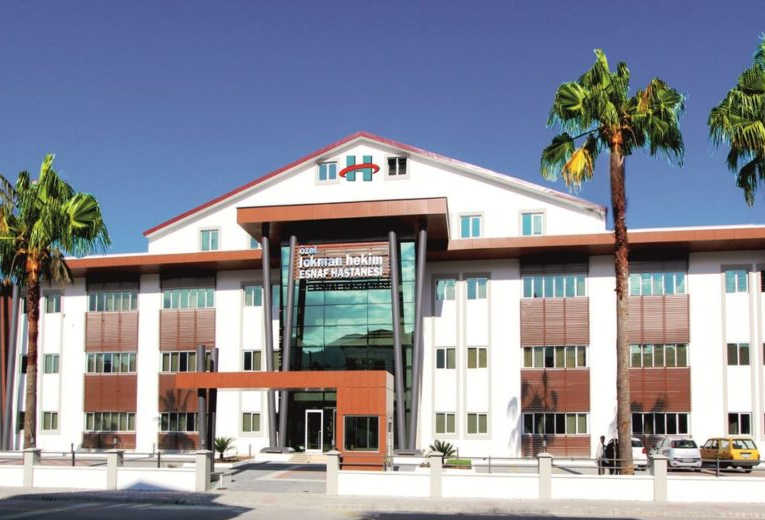
Coronary Artery Bypass Grafting (CABG) in Lokman Hekim Esnaf Hospital: Costs, Top Doctors, and Reviews

Fethiye, Turkey

  • Joint Commission International, or JCI

Types of Coronary Artery Bypass Grafting (CABG) in Lokman Hekim Esnaf Hospital and its associated cost

Treatment OptionApproximate Cost Range (USD)Approximate Cost Range (TRY)
CABG (Overall)11244 - 28564340770 - 849880
On-Pump CABG11508 - 16938341695 - 514950
Off-Pump CABG13737 - 20275411284 - 602369
Minimally Invasive CABG17216 - 22788502626 - 676306
Robot-Assisted CABG20567 - 27849603868 - 844642
Redo CABG13718 - 19887400902 - 603370
  • Address: Tuzla, Private Lokman Hekim Esnaf Hospital, 54. Sokak, Fethiye/Mula, Turkey
  • Facilities related to Lokman Hekim Esnaf Hospital: Choice of Meals, Interpreter, SIM, TV inside room, Accommodation
Coronary Artery Bypass Grafting (CABG) in Medical Park Karadeniz Hospital: Costs, Top Doctors, and Reviews

Trabzon, Turkey

  • Joint Commission International, or JCI

Types of Coronary Artery Bypass Grafting (CABG) in Medical Park Karadeniz Hospital and its associated cost

Treatment OptionApproximate Cost Range (USD)Approximate Cost Range (TRY)
CABG (Overall)11123 - 28285343915 - 843760
On-Pump CABG11453 - 16911348994 - 514032
Off-Pump CABG13360 - 20428413693 - 618348
Minimally Invasive CABG17093 - 22260506357 - 680640
Robot-Assisted CABG20329 - 28137612940 - 831901
Redo CABG13394 - 19842407305 - 602744
  • Address: n
  • Facilities related to Medical Park Karadeniz Hospital: Choice of Meals, Interpreter, TV inside room, Accommodation, Airport Transfer

Need Some Advice From Our Experts?

Request a Call Back Now!

Our team of healthcare experts would be happy to assist you

trusted Patientstrusted Patients+99
Trusted by 50000+ Patients
Required | alphabets and spaces
Required | A valid, working email address
Required | A valid contact

Process Involved for Coronary Artery Bypass Grafting (CABG) in Turkey

  • Pre-Surgery Evaluation & Preparation: ECG, echocardiogram, coronary angiography, blood tests, medical adjustments.
  • Anesthesia & Surgical Incision
  • Graft Harvesting & Placement
  • Weaning from Bypass and Closure: If needed, a heart-lung machine is utilised
  • Post-Surgery Recovery & Rehabilitation: ICU monitoring, gradual rehabilitation, lifestyle modifications.
  • Coronary Artery Disease (CAD)
  • Multi-Vessel Disease
  • Left Main Coronary Artery Disease
  • Severe Angina (Chest Pain)
  • Post-Heart Attack Blockages
  • Single Bypass
  • Double Bypass
  • Triple Bypass
  • Quadruple Bypass
  • Quintuple Bypass
  • Severe Coronary Blockages
  • Failed Angioplasty or Stent
  • Severe Angina or Heart Failure
  • Emergency Heart Attack Cases
  • Diabetic Patients with Complex CAD
  • Coronary Angiography
  • Heart-Lung Bypass (Cardiopulmonary Bypass)
  • Endoscopic Vessel Harvesting (EVH)
  • Valve Repair or Replacement
  • Pacemaker or ICD Implantation
  • Restores Blood Flow
  • Relieves Chest Pain (Angina)
  • Prevents Heart Attack
  • Improves Heart Function
  • Long-Term Survival & Health
  • Cardiac Surgeon
  • Cardiologist
  • Fill out the inquiry form: Fill out the form to provide us with the relevant information about your condition.
  • Consult with Our Healthcare Expert: One of our qualified specialists will contact you for a consultation.
  • Receive a Detailed Treatment Plan : After examining your situation, we will provide you with a detailed treatment plan that includes expert views and cost breakdowns for various choices.
  • Choose your preferred option: Choose the treatment option that suits you the best.

Instantly Connect with our Coronary Artery Bypass Grafting (CABG) Specialists

Doctor 1
Doctor 2
Doctor 3
Doctor 4
Doctor 5
Doctor 6
Doctor 7
Doctor 8
Our Services to Better your Experience

Opinion & Option

We submit the most accurate opinion and options from one or more countries for your review

Consult Privately

Consult with a certified specialist privately on our telemedicine platform even before you decide to travel

Logistics

We handle flights, visas, transfers, and accommodation—so you can focus on your health.

Recovery

Our In-house rehabilitation service packages to better your recovery and treatment outcome

Other Popular Countries for Coronary Artery Bypass Grafting (CABG)

Our network connects you with the leading medical tourism destinations globally, offering a wide range of cities, top doctors, and flexible pricing options.

Vietnam
Malaysia
United Kingdom
Thailand

Conditions treated by Coronary Artery Bypass Grafting (CABG)

Frequently Asked Questions

A. Heart Bypass Surgery or CABG cost in Turkey starts from about $10000. Coronary Artery Bypass Grafting (CABG) in Turkey is conducted across several SAS, JCI, and certified hospitals.

A. Coronary Artery Bypass Grafting (CABG) cost in Turkey varies from one hospital to the other. The cost quoted by some of the best hospitals for Coronary Artery Bypass Grafting (CABG) in Turkey generally covers the pre-surgery investigations of the patient. The Coronary Artery Bypass Grafting (CABG) cost in Turkey includes the cost of anesthesia, medicines, hospitalization, and the surgeon's fee. A prolonged hospital stay due to delayed recovery, new diagnosis, and complications after surgery may increase the cost of Coronary Artery Bypass Grafting (CABG) in Turkey.

A. Many hospitals across the country offer Coronary Artery Bypass Grafting (CABG) to international patients. For quick reference, the following are some of the leading hospitals for Coronary Artery Bypass Grafting (CABG) in Turkey:

A. While the speed of recovery may vary from patient to patient, they are still required to stay for about 21 days after discharge. During this time, the patient undergoes medical tests and consultations. this is to ensure that the treatment was successful and the patient us safe to return.

A. Apart from the cost of Coronary Artery Bypass Grafting (CABG), the patient is also required to pay additionally for daily meals and guest house accommodation. These charges start from USD 50 per person.

A. Some of the best cities in Turkey which offer CABG are:

  • Antalya
  • Istanbul
  • Fethiye
  • Ankara

A. The patient has to spend about 5 days in the hospital after Coronary Artery Bypass Grafting (CABG) for proper recovery and to get clearance for discharge. During the recovery, the patient is carefully monitored and control tests are performed to see that everything is okay. If required, physiotherapy sessions are also planned during recovery in the hospital.

A. The average rating for Heart Bypass Surgery or CABG hospitals in Turkey is 3.6. This rating is calculated based on different parameters such as the nurses' attitude, cleanliness, food quality, and the pricing policy.

A. There are more than 40 hospitals that offer Coronary Artery Bypass Grafting (CABG) in Turkey. The above-mentioned hospitals have the required infrastructure and a dedicated unit to treat patients. These hospitals comply with all the rules and regulations as dictated by the regulatory bodies and medical associations in Turkey

A. Some of the top medical specialists for Heart Bypass Surgery or Coronary Artery Bypass Grafting (CABG) in Turkey are:

A. For CABG, the operation success rate is approximately 92%, and the survival rate can reach 96%. The operation and coronary stenting are coupled in certain circumstances. In general, when medication becomes unsuccessful, the procedure offers patients a good substitute.

A. The complexity of the procedure, the patient's general health, and compliance with postoperative instructions are some of the variables that might affect the recovery period following Coronary Artery Bypass Grafting (CABG) surgery. Here's a general schedule of events and what to anticipate when recovering:

  • Stay in Hospital: After CABG surgery, patients usually stay in the hospital for five to seven days. During this time, the patient will be closely monitored in the Intensive Care Unit (ICU) before being transferred to a general cardiac unit.
  • Limitations on Activities: While light activity, hard lifting, and driving are generally discouraged for the first six weeks, light activities are advised. Light exercise and walking can aid in the healing process.
  • Wound Care: You'll need to take care of your surgical wounds, and while there may be some pain or swelling initially, conditions should get better over time.
  • Heart Rehab: A lot of patients take part in a program that combines support, information on heart-healthy living, and supervised exercise. This often begins six weeks after surgery and lasts for several months.
  • Gradual Increase in Activity: As directed by your healthcare professional, you can progressively get back to your regular activities, such as going back to work or exercising more frequently.
  • Check-Ups: Scheduling frequent check-ups with your cardiologist can help monitor any long-term care requirements and make sure your rehabilitation is proceeding as planned.

A. These tests assist in determining the degree of coronary artery disease, if you are in good enough health for surgery, and whether there are any possible dangers or problems. An outline of typical pre-operative assessments and tests is provided below:

  • ECG, often known as an EKG: evaluates the heart's electrical activity to spot any abnormal beats or indications of cardiac injury. Often carried out as part of the preliminary evaluation, it could be repeated closer to the surgery date.
  • Echocardiogram: This test evaluates heart function and finds any regions of poor function or structural problems by using ultrasonic waves to make images of the heart's chambers and valves.
  • A cardiac stress test measures the heart's response to physical strain, usually by raising the heart rate with medication or a treadmill. This helps in determining the severity of coronary artery disease.
  • Coronary angiography is a specialized form of X-ray that visualizes the heart's blood vessels using contrast dye to identify the location and degree of blockages.
  • An image of the heart, lungs, and chest cavity is provided by a chest X-ray, which is used to look for any anomalies or conditions that can influence surgery.
  • The Complete Blood Count (CBC) measures platelet levels, red and white blood cell counts, and general health.
  • The Comprehensive Metabolic Panel (CMP) or Basic Metabolic Panel (BMP) evaluates the general metabolic condition, renal function, and electrolyte levels.
  • Coagulation Studies: Assess blood coagulation capacity to guarantee appropriate anticoagulant therapy both before and following the operation.
  • Tests for liver function evaluate the organ's capacity to metabolize drugs and support overall healing.
  • Medical History and Physical Examination: Contains a detailed examination of your past medical records, including diagnoses, treatments, and allergies. A physical examination determines your general state of health and surgical preparedness.

A. Your healthcare team, which includes cardiologists and cardiac surgeons, will do a comprehensive evaluation to determine whether Coronary Artery Bypass Grafting (CABG) surgery is appropriate for you. The choice is based on several variables about your general health, symptoms, and heart health. Here's a guide to help you decide if CABG surgery is right for you:

  • Severe Coronary Artery Disease (CAD): Severe coronary artery blockages or narrowing that reduce blood supply to the heart muscle.
  • Symptoms That Are Not Treatable with Medicine: breathlessness, angina, or other symptoms that persist despite receiving the best medical care and making lifestyle adjustments.
  • Complex blockages are those that cannot be adequately addressed by angioplasty and stenting, such as blockages in several coronary arteries or in important locations.
  • Reduced cardiac Function: Severe CAD-related cardiac muscle damage or impaired heart function.
  • High chance of Heart Attack: Severe blockages or unstable angina could increase one's chance of having a heart attack.

A. Like any major surgical treatment, coronary artery bypass grafting (CABG) surgery has risks and potential consequences. Understanding these risks will assist you and your healthcare team in making well-informed decisions, even though CABG is generally safe and effective. The following is an overview of possible risks and side effects related to CABG surgery:

  • Bleeding: If there is severe bleeding during or after the procedure, further surgery or blood transfusions may be necessary.
  • Infection: If veins or arteries from another part of the body were used during surgery, there is a chance that the donor site, which is the chest incision, would get infected.
  • Heart Attack: Due to difficulties or pre-existing heart issues, a heart attack is rare but can happen during or shortly after surgery.
  • Arrhythmias: Following CABG, irregular heartbeats, like atrial fibrillation, are prevalent and may call for medication or other therapies.
  • Stroke: If surgical debris or a blood clot gets into the brain, a stroke may occur.
  • Kidney Dysfunction: If a patient has pre-existing kidney disorders, they may face short-term or, in rare circumstances, long-term renal problems.
  • Pulmonary Complications: If there were previous lung conditions, conditions including pneumonia or breathing difficulties could develop.
  • Graft Failure: Over time, the bypass grafts may narrow or become clogged. Grafts have differing rates of long-term patency; generally, venous grafts are more susceptible to blockage than arterial grafts.

A. In Turkey, the average length of hospital stay following a Coronary Artery Bypass Grafting (CABG) operation is five to seven days. This time frame, however, may differ depending on several variables, such as the intricacy of the procedure, your general health, and the rate at which you recover.

Following Coronary Artery Bypass Grafting (CABG) surgery, there are multiple phases of recovery, each with specific objectives and expectations. The intricacy of the procedure, individual health considerations, and postoperative care compliance can all affect how quickly someone recovers from surgery. Here's a basic rundown of what to anticipate at each stage of recovery:

  • ICU Stay: Usually one or two days. Activities include heart rate, vital signs, and the earliest stages of anesthetic recovery. A careful eye is kept out for any emerging issues.
  • Activity Level: Increase your physical activity over time. Start with walking and other low-impact activities. Skip the intense workouts and heavy weights for roughly six weeks.
  • Wound Care: Continue taking care of your surgical wounds and keep an eye out for any indications of problems or infection.
  • Pain management: Pain is normally tolerable with prescribed drugs, however, you may still experience some discomfort. Painkillers available over the counter might also be advised.
  • Medication: Comply completely with the directions on all prescription medications, such as blood thinners, analgesics, and antibiotics if necessary.
  • Lifestyle Modifications: Start implementing the required lifestyle modifications, like switching to a heart-healthy diet and giving up smoking.
  • Activity Resumption: Depending on their level of recuperation and the demands of their line of employment, most patients can resume their regular daily routines and go back to work in three to six months.
  • Lifestyle: To promote long-term health and lower the chance of a return of coronary artery disease, maintain a heart-healthy lifestyle. A balanced diet, frequent exercise, and abstaining from smoking are all part of this.

Author

Dr. Vijita Jayan

BPT, MPT (Neuro)

18 Years of Experience

With over 18 years of distinguished clinical experience, Dr. Vijita Jayan is a highly accomplished Clinical Director and Rehabilitation Specialist, renowned for her expertise in neuro-rehabilitation, functional recovery, and mobility-dependent case management. Her extensive practical knowledge enables her to design and implement individualized, evidence-based rehabilitation protocols that consistently yield measurable patient outcomes. A prolific researcher and academic writer, she has authored numerous peer-reviewed articles and research papers, significantly advancing the field of rehabilitative medicine. The recipient of multiple prestigious accolades, Dr. Jayan is widely regarded as one of the foremost authorities in Physical Medicine and Rehabilitation, continually shaping neuro-rehabilitative care through research, innovation, and clinical excellence.. View More

Reviewer

Dr. Naresh Kumar Goyal

Cardiologist

21 Years of Experience

Dr. Naresh Kumar Goyal is highly trained as a cardiologist with exposure in virtually all aspects of cardiology. He qualified with an MD in internal medicine in 1999 from SMS Medical College, Jaipur, and served in the Cardiology Department as an honorary resident. From this stage, he also started with training in the temporary pacing of the pacemaker as well as interventional services. View More