Your Notifications
All done, no notifications

Spinal Fusion Cost in India

Costs starts from USD6500 to USD9500
Filters

How Much Does Spinal Fusion Cost in India?

The cost of Spinal Fusion in India typically ranges between USD 6500 - USD 9500.

However, this cost can vary depending on several factors, including the type and severity of the condition, treatment techniques chosen, the healthcare facility's location and reputation, the treating professionals' experience and specialisation, and the patient's overall health status.

Additionally, factors like the duration of treatment, the need for follow-up care, and the use of advanced technologies or specialised treatments can further influence the overall cost.

Factors Influencing the Cost of Spinal Fusion:

Spinal fusion refers to surgery joining two or more bones in any spine section. If the bones are joined, then they cannot move. Pain may be avoided because movement is reduced.

A surgeon places bone, or a material that looks like bone, between two spinal bones in spinal fusion. The bones can be stabilised with metal rods, screws, or plates. Then, the bones can fuse and heal as one.

Cost of Spinal Fusion in Major Cities of India

CityMinimum Cost (USD)Minimum Cost (INR)Maximum Cost (USD)Maximum Cost (INR)
AhmedabadUSD 5850500994USD 8550732222
BangaloreUSD 6500556660USD 9500813580
ChennaiUSD 6500556660USD 9500813580
DelhiUSD 6500556660USD 9500813580
FaridabadUSD 6500556660USD 9500813580
GhaziabadUSD 6500556660USD 9500813580
GurgaonUSD 6500556660USD 9500813580
GurugramUSD 6500556660USD 9500813580
HyderabadUSD 6500556660USD 9500813580
KochiUSD 6500556660USD 9500813580
KolkataUSD 6500556660USD 9500813580
MohaliUSD 5850500994USD 8550732222
MumbaiUSD 6500556660USD 9500813580
NoidaUSD 6500556660USD 9500813580
PanjimUSD 5850500994USD 8550732222
PuneUSD 5850500994USD 8550732222

Spinal Fusion Cost : A Global Comparison

CountryMinimum CostMinimum Local CurrencyMaximum CostMaximum Local Currency
CzechiaUSD 10000CZK 220200USD 25000CZK 550500
IndiaUSD 6500INR 556660USD 9500INR 813580
IsraelUSD 17000ILS 60180USD 45000ILS 159300
LithuaniaUSD 5525LTL 18899USD 8825LTL 30188
MalaysiaUSD 12000MYR 50880USD 17000MYR 72080
PolandUSD 5000PLN 18800USD 15000PLN 56400
Saudi ArabiaUSD 5000SAR 18750USD 15000SAR 56250
SingaporeUSD 50000SGD 64500USD 100000SGD 129000
South AfricaUSD 5000ZAR 89850USD 15000ZAR 269550
South KoreaUSD 14500KRW 19951710USD 28000KRW 38527440
SpainUSD 20000ESP 2940798USD 30000ESP 4411197
Switzerlandget request
ThailandUSD 12000THB 392520USD 17000THB 556070
TunisiaUSD 5000TND 14900USD 15000TND 44700
TurkeyUSD 10000TRY 390600USD 22000TRY 859320
United Arab EmiratesUSD 6000AED 22020USD 17500AED 64225
United KingdomUSD 7500GBP 5550USD 13700GBP 10138

Need Help Planning Your Treatment Abroad?

Your 24/7 AI Health Assistant

Spinal fusion surgery is a type of spinal procedure used to join two or more bones permanently in the spine and to prevent movement between them. The bones that are joined are called vertebrae. Spinal fusion surgery is performed along with other surgical procedures such as foraminotomy or laminectomy and after diskectomy in the neck. It is required if the patient has an injury or a fracture of the vertebrae. The spine will become weak due to an infection or tumors. Spinal fusion is also performed in abnormal curvatures that result from scoliosis or kyphosis.

Why is spinal fusion surgery required

Spinal fusion is a procedure that links two or more bones in the spine to enhance stability, address issues, or alleviate pain. It can be employed for various purposes:

Reshaping the Spine: Spinal fusion helps correct spine formation abnormalities, such as sideways curvature (scoliosis).

Addressing Weakness or Instability: When excessive movement between two spinal bones causes instability, often due to severe arthritis, spinal fusion makes the spine more secure.

Dealing with Damaged Disks: After removing a damaged disk, spinal fusion may stabilize the spine and promote overall structural integrity.

In spinal fusion, two or more vertebrae in the spinal column are stitched together surgically to create a single, stable unit. It is usually done to correct spinal instability, slipped discs, spinal abnormalities (like scoliosis), chronic back pain, or spinal injuries. The goals are to minimise pain and inhibit harmful bone-to-bone motion. However, it is not suitable for all, especially those with infections or certain bone disorders, and it does not enhance flexibility.

In spinal fusion, two or more vertebrae in the spinal column are stitched together surgically to create a single, stable unit. It is usually done to correct spinal instability, slipped discs, spinal abnormalities (like scoliosis), chronic back pain, or spinal injuries. The goals are to minimise pain and inhibit harmful bone-to-bone motion. However, it is not suitable for all, especially those with infections or certain bone disorders, and it does not enhance flexibility.

Your physician will review your medical history, check for any previous back problems or surgery, and discuss your symptoms before surgery. MRIS, CT scans, and X-rays are often needed imaging studies. If a transfusion is required, you may need to temporarily discontinue certain medications, avoid food before surgery, and even donate your blood. The physician will explain the risks, fusion type, and rehabilitation plan.

  • Anaesthesia: You’ll be asleep during surgery.
  • Incision: A cut is made in your back, neck, or side, depending on where the problem is.
  • Disc or bone removal: Damaged discs or bone pieces may be removed.
  • Bone graft placement: A piece of bone or bone-like material is placed between the vertebrae to help them grow together.
  • Metal hardware: Screws, rods, or plates can be employed to hold the bones in position as they fuse.
  • Closure: The wound is closed using stitches or staples.

Spinal fusion typically takes two to six hours, depending on how many vertebrae are involved.

Complications may involve infection, bleeding, blood clotting, nerve damage, or incorrect bone fusion. In the future, individuals may need further surgery or develop pain near the transplant. Following fusion, the spine can deteriorate faster in the areas surrounding it.

Spinal fusion stabilises the spine, eliminates or reduces pain, and allows individuals to return to normal activities. In most instances where other therapies fail, it improves quality of life. Most individuals experience general function improvement, even though the fused area does not regain motion.

You may stay two to four days in the hospital. Pain is controlled with medication. You will not be able to lift, bend, or twist for a few weeks. You may be given a back brace. Strength and motion are regained through physical therapy. Although complete healing takes six to twelve months, most individuals recover enough to return to work in four to six weeks.

Depending on your overall health and the reason for the surgery, the success rate of spinal fusion is between 70% and 90%. Most patients notice increased stability and reduced pain. In the event of proper healing, revision surgeries are uncommon, and fusion is generally permanent.

Top Selling Packages for Spinal Fusion

Spinal Fusion/ Fixation- 1 level

Amrita Hospital, Faridabad, India

USD 6000 USD 6500

Spinal Fusion/ Fixation- 2 level

Amrita Hospital, Faridabad, India

USD 7600 USD 8100

Vertebroplasty
Vertebroplasty

Amrita Hospital, Faridabad, India

USD 6400 USD 7100

Would you like some help? We are available.

Get Help
Explore Hospitals ( 73 )
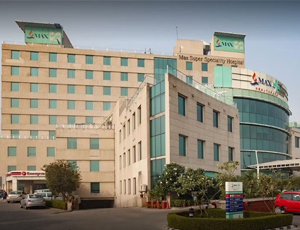
Spinal Fusion in Max Super Specialty Hospital, Shalimar Bagh: Costs, Top Doctors, and Reviews

Delhi, India

  • National Accreditation Board for Hospitals & Healthcare Providers (NABH)
  • National Accreditation Board for Testing and Calibration Laboratories (NABL)

Types of Spinal Fusion in Max Super Specialty Hospital, Shalimar Bagh and its associated cost

Treatment OptionApproximate Cost Range (USD)Approximate Cost Range (INR)
Spinal Fusion (Overall)5090 - 8097415540 - 664449
Anterior Lumbar Interbody Fusion (ALIF)4073 - 8147333473 - 664663
Posterior Lumbar Interbody Fusion (PLIF)6062 - 10101501224 - 832788
Transforaminal Lumbar Interbody Fusion (TLIF)6082 - 10138497449 - 835825
Lateral Lumbar Interbody Fusion (LLIF)3049 - 5077249214 - 414244
Cervical Fusion4049 - 6108331845 - 498793
  • Address: Max Super Speciality Hospital, Shalimar Bagh, Max Wali Road, C and D Block, Shalimar Place Site, Shalimar Bagh, New Delhi, Delhi, India
  • Facilities related to Max Super Specialty Hospital, Shalimar Bagh: Post operative followup, Mobility Accessible Rooms, Online Doctor Consultation, Air Ambulance, Religious Facilities
Spinal Fusion in Amrita Hospital: Costs, Top Doctors, and Reviews

Faridabad, India

  • National Accreditation Board for Hospitals & Healthcare Providers (NABH)

Founded in 1998 by Mata Amritanandamayi (Amma), the Amrita Institute of Medical Sciences and Research Centre is one of India’s leading healthcare institutions, accredited by ISO, NABH, and NABL. With 2 branches, 7 medical colleges, and a network of 800+ doctors and 2,600+ beds, it offers comprehensive care across 81 specialties and 12 super-specialty departments, supported by 60+ modern operating theatres and 534 critical care beds. The Faridabad campus, a world-class multispeciality facility, houses advanced centers for oncology, neurosciences, cardiac sciences, gastro-sciences, mother and child care, and trauma care, along with India’s most comprehensive infectious disease unit. Guided by a mission of compassion and innovation, Amrita Hospitals combine cutting-edge medicine with humanitarian service to empower communities and promote holistic well-being.

Spinal Fusion in Rajagiri Hospital: Costs, Top Doctors, and Reviews

Kochi, India

  • Joint Commission International, or JCI
  • Rajagiri Hospital, Kochi, Kerala, is a leading multi-speciality tertiary care hospital known for providing world-class medical services with advanced technology and compassionate care.
  • Accredited by JCI, NABH, and NABL, the hospital offers comprehensive treatment across specialities like Cardiology, Oncology, Neurology, Gastroenterology, Orthopaedics, Nephrology, Urology, and Paediatrics, making it a trusted healthcare destination in South India.
Spinal Fusion in Jaypee Hospital: Costs, Top Doctors, and Reviews

Noida, India

  • National Accreditation Board for Hospitals & Healthcare Providers (NABH)
  • Joint Commission International, or JCI

Types of Spinal Fusion & Its Cost at Jaypee Hospital

Treatment OptionApproximate Cost Range (USD)Approximate Cost Range (INR)
Spinal Fusion (overall)8,000 - 15,000656000 - 1230000
Cervical Fusion10,000 - 15,000820000 - 1230000
Thoracic Fusion10,000 - 15,000820000 - 1230000
Posterior Lumbar Interbody Fusion (PLIF)8,000 - 12,000656000 - 984000
Anterior Lumbar Interbody Fusion (ALIF)10,000 - 15,000820000 - 1230000
Transforaminal Lumbar Interbody Fusion (TLIF)9,000 - 13,000738000 - 1066000
Lateral Lumbar Interbody Fusion (LLIF)10,000 - 14,000820000 - 1148000
Minimally Invasive Spinal Fusion8,000 - 12,000656000 - 984000
Cervical Spinal Fusion10,000 - 15,000820000 - 1230000
Thoracic Spinal Fusion10,000 - 15,000820000 - 1230000
Revision Spinal Fusion10,000 - 15,000820000 - 1230000

Factors affecting Spinal Fusion cost in Jaypee Hospital

Cost FactorsCost Range (USD)Cost Range (INR)
Hospital Stay 80 - 200 (per day)6560 - 16400 (per day)
Surgeon's Fee2,000 - 4,000164000 - 328000
Anesthesia Fee500 - 1,00041000 - 82000
Operating Room Charges1,000 - 1,50082000 - 123000
Medications200 - 2000 per month16400 - 164000 (per month)
Diagnostic Tests (X-rays, MRI, CT scan)500 - 1,50041000 - 123000
Rehabilitation30 - 100 per session2460 - 8200 (per session)
Doctor Consultation Fees50 - 150 per visit4100 - 12300 (per visit)
Spinal Fusion in Wockhardt Hospital - A new Age Hospital: Costs, Top Doctors, and Reviews

Mumbai, India

  • National Accreditation Board for Hospitals & Healthcare Providers (NABH)
  • National Accreditation Board for Testing and Calibration Laboratories (NABL)

Types of Spinal Fusion in Wockhardt Hospital - A New Age Hospital and its associated cost

Treatment OptionApproximate Cost Range (USD)Approximate Cost Range (INR)
Spinal Fusion (Overall)5053 - 8147415041 - 666486
Anterior Lumbar Interbody Fusion (ALIF)4077 - 8114334160 - 669030
Posterior Lumbar Interbody Fusion (PLIF)6116 - 10196498765 - 836235
Transforaminal Lumbar Interbody Fusion (TLIF)6090 - 10160499933 - 832045
Lateral Lumbar Interbody Fusion (LLIF)3056 - 5053248872 - 416816
Cervical Fusion4047 - 6071332334 - 498791
  • Address: Wockhardt Hospitals, Agripada, Mumbai, Maharashtra, India
  • Facilities related to Wockhardt Hospital - A New Age Hospital: Choice of Meals, Interpreter, SIM, TV inside room, Accommodation
Spinal Fusion in Sri Ramachandra Medical Centre: Costs, Top Doctors, and Reviews

Chennai, India

2.9 ( 1 Reviews )
  • Joint Commission International, or JCI
  • National Accreditation Board for Hospitals & Healthcare Providers (NABH)

Types of Spinal Fusion in Sri Ramachandra Medical Centre and its associated cost

Treatment OptionApproximate Cost Range (USD)Approximate Cost Range (INR)
Spinal Fusion (Overall)5088 - 8156417919 - 664036
Anterior Lumbar Interbody Fusion (ALIF)4072 - 8118332603 - 665279
Posterior Lumbar Interbody Fusion (PLIF)6103 - 10175499055 - 834544
Transforaminal Lumbar Interbody Fusion (TLIF)6104 - 10134500298 - 833802
Lateral Lumbar Interbody Fusion (LLIF)3057 - 5074250849 - 415920
Cervical Fusion4079 - 6066333235 - 497705
  • Address: Sri Ramachandra Medical Centre, Sri Ramachandra Nagar, Porur, Chennai, Tamil Nadu, India
  • Facilities related to Sri Ramachandra Medical Centre : SIM, TV inside room, Accommodation, Choice of Meals
Spinal Fusion in Seven Hills Hospital: Costs, Top Doctors, and Reviews

Mumbai, India

  • National Accreditation Board for Hospitals & Healthcare Providers (NABH)
  • National Accreditation Board for Testing and Calibration Laboratories (NABL)

Types of Spinal Fusion in Seven Hills Hospital and its associated cost

Treatment OptionApproximate Cost Range (USD)Approximate Cost Range (INR)
Spinal Fusion (Overall)5597 - 8830467538 - 731883
Anterior Lumbar Interbody Fusion (ALIF)4543 - 9116374489 - 752212
Posterior Lumbar Interbody Fusion (PLIF)6694 - 11457542909 - 924601
Transforaminal Lumbar Interbody Fusion (TLIF)6737 - 11460550388 - 911865
Lateral Lumbar Interbody Fusion (LLIF)3331 - 5532279705 - 458740
Cervical Fusion4538 - 6734362615 - 562793
  • Address: SevenHills Hospital, Shivaji Nagar JJC, Marol, Andheri East, Mumbai, Maharashtra, India
  • Facilities related to Seven Hills Hospital: Choice of Meals, Interpreter, SIM, TV inside room, Accommodation
Spinal Fusion in Fortis Hospital, Shalimar Bagh: Costs, Top Doctors, and Reviews

Delhi, India

4.5 ( 4 Reviews )
  • National Accreditation Board for Hospitals & Healthcare Providers (NABH)

Types of Spinal Fusion & Its Cost at Fortis Hospital, Shalimar Bagh

Treatment OptionApproximate Cost Range (USD)Approximate Cost Range (INR)
Surgery (overall)6000 - 15000492000 - 1230000
Lumbar Fusion6000 - 12000492000 - 984000
Cervical Fusion8000 - 15000656000 - 1230000
Thoracic Fusion7000 - 13000574000 - 1066000
Minimally Invasive Lumbar Fusion6000 - 10000492000 - 820000
Minimally Invasive Cervical Fusion8000 - 12000656000 - 984000
Minimally Invasive Thoracic Fusion9000 - 15000738000 - 1230000
Traditional Open Lumbar Fusion8000 - 12000656000 - 984000
Traditional Open Cervical Fusion10000 - 15000820000 - 1230000
Traditional Open Thoracic Fusion12000 - 18000984000 - 1476000

Factors affecting Spinal Fusion cost in Fortis Hospital, Shalimar Bagh

Cost FactorsCost Range (USD)Cost Range (INR)
Hospital Stay80 - 200/day6560 - 16400
Surgeon's Fee2000 - 4000164000 - 328000
Anesthesia Fee500 - 150041000 - 123000
Operating Room Charges1000 - 200082000 - 164000
Anesthesia fees800 - 150065600 - 123000
Medications500 - 3000 per month41000 - 246000 (per month)
Diagnostic Tests500 - 150041000 - 123000
Rehabilitation50 - 150/session4100 - 12300
Doctor Consultations100 - 300/consultation8200 - 24600
ICU charges (if required)1500 - 3000123000 - 246000
Spinal Fusion in Marengo Asia Hospitals, Faridabad: Costs, Top Doctors, and Reviews

Faridabad, India

  • National Accreditation Board for Hospitals & Healthcare Providers (NABH)
  • National Accreditation Board for Testing and Calibration Laboratories (NABL)

Marengo Asia Hospitals, located in Faridabad, is a multispecialty, state-of-the-art, and patient-friendly facility that combines the greatest services available in the healthcare segment. With 325 beds now, the hospital can accommodate up to 550 beds. It has first-rate medical facilities including a Critical Care Medicine department for patients with life-threatening conditions. Furthermore, our highly skilled medical staff and cutting-edge software system make us the perfect facility for patients from various backgrounds. We always aim to exceed expectations and are always looking for ways to boost our performance.

Spinal Fusion in Baby Memorial Hospital: Costs, Top Doctors, and Reviews

Calicut, India

  • National Accreditation Board for Hospitals & Healthcare Providers (NABH)
  • BMH (Baby Memorial Hospital) is a prominent tertiary referral hospital located in Kerala India, treating a variety of high-risk complex and multidisciplinary medical cases. BMH has been designated by other hospitals throughout Kerala and several other neighbouring states to provide specialty services for myocardial infarction, cerebrovascular accident, cancer, and more. These patients are referred because of their high level of complexity; thus, BMH has assembled a team of multidisciplinary specialists who provide evidence-based medicine 24 hours a day. As such, BMH provides accurate and optimal diagnosis, treatment, and excellent clinical outcomes.

Need Some Advice From Our Experts?

Request a Call Back Now!

Our team of healthcare experts would be happy to assist you

trusted Patientstrusted Patients+99
Trusted by 50000+ Patients
Required | alphabets and spaces
Required | A valid, working email address
Required | A valid contact

Process Involved for Spinal Fusion in India

  • Pre-Surgical Management: Imaging (X-rays, MRIs, CT scans) and lab tests; anesthetic workup.
  • Surgery: Bone grafting with the use of metal rods for stabilisation; screws or plates; can be done through an open or minimally invasive technique.
  • Postoperative Recovery: 2-5 day hospital stay for early physical therapy, and full recovery from 3 to 12 months.
  • Individuals with severe spinal instability, scoliosis, herniated disc, fracture, and degenerative disc disease.
  • Chronic back pain unrelieved by conservative treatment.
  • The candidates should be in good state of overall health.
  • Laminectomy
  • Discectomy
  • Kyphoplasty or Vertebroplasty
  • Reduces chronic pain and spinal instability.
  • Corrects deformities (scoliosis).
  • Prevents further spinal damage and improves mobility.
  • Orthopedic spine surgeon
  • Neurosurgeon
  • Rehabilitation Specialist
  • Fill out the inquiry form: Fill out the form to provide us with the relevant information about your condition.
  • Consult with Our Healthcare Expert: One of our qualified specialists will contact you for a consultation.
  • Receive a Detailed Treatment Plan: After examining your situation, we will provide you with a detailed treatment plan that includes expert views and cost breakdowns for various choices.
  • Choose your preferred option: Choose the treatment option that suits you the best.

Instantly Connect with our Spinal Fusion Specialists

Doctor 1
Doctor 2
Doctor 3
Doctor 4
Doctor 5
Doctor 6
Doctor 7
Doctor 8
Our Services to Better your Experience

Opinion & Option

We submit the most accurate opinion and options from one or more countries for your review

Consult Privately

Consult with a certified specialist privately on our telemedicine platform even before you decide to travel

Logistics

We handle flights, visas, transfers, and accommodation—so you can focus on your health.

Recovery

Our In-house rehabilitation service packages to better your recovery and treatment outcome

Other Popular Countries for Spinal Fusion

Our network connects you with the leading medical tourism destinations globally, offering a wide range of cities, top doctors, and flexible pricing options.

United Arab Emirates
Vietnam
Turkey
Spain

Get Insight with our Blogs

Mr. John Underwent Spinal Fusion Surgery in BLK Hospital, Delhi, India
Patient Stories

Mr. John Underwent Spinal Fusion Surgery in BLK Hospital, Delhi, India

I am satisfied with the treating doctor and the surgery outcome. Dr. Puneet Girdhar and his team at BLK Hospital have truly excelled in approaching my condition and in providing the solution.

Published: 12 Mar, 2022
Updated: 09 Mar, 2026

Frequently Asked Questions

A. On an average, Spinal Fusion in India costs about USD$ 6500. There are many NABH, JCI certified hospitals in India that offer Spinal Fusion.

A. The cost of Spinal Fusion in India may differ from one medical facility to the other. The top hospitals for Spinal Fusion in India covers all the expenses related to the pre-surgery investigations of the candidate. The cost includes the cost of anesthesia, medicines, hospitalization and the surgeon's fee. Stay outside the package duration, port-operative complications and diagnosis of a new condition may further increase the Spinal Fusion cost in India.

A. Spinal fusion is surgery to permanently connect two or more bones in the spine so there is no mobility between them. Vertebrae are the name for these bones. Stabilizing the spine, can lessen discomfort and enhance function.

A bone transplant separates the vertebrae that need to fuse. This graft may be manufactured (a synthetic bone substitute), derived from the patient's own body (autograft), or obtained from a donor (allograft).

A. A variety of techniques, each customized to the patient's demands and the location of the spinal issue, can be used to accomplish spinal fusion surgery. The main categories are as follows:

  • In a lateral spinal fusion procedure, also known as lateral lumbar interbody fusion, or LLIF, the injured disc is removed, a graft or cage is inserted, and the spine is often accessed through the side using minimally invasive procedures. It is more beneficial than posterior techniques for lumbar spine disorders such as degenerative disc degeneration because it causes less muscle damage.
  • Posterior Spinal Fusion: The surgeon penetrates the spine from the back, puts bone grafts or synthetic material between the vertebrae, and fixes them with metal screws and rods. frequently employed to treat ailments like degenerative disc degeneration, spinal instability, and specific kinds of spinal abnormalities.
  • Anterior Spinal Fusion: The surgeon makes an incision in the abdomen to access the spine from the front, removes damaged discs, and places cages or bone grafts in their place. By using this method, the spinal cord and nerves won't be disturbed. frequently utilized for disorders that benefit from direct access to the disc space, including disc-related lumbar spine difficulties.
  • Extreme Lateral Interbody Fusion (XLIF): A minimally invasive lateral incision is used to access the spine, after which the injured disc is removed and a cage or graft is inserted by the surgeon. minimally invasive treatment for lumbar spine disorders, which frequently leads to accelerated healing and less muscle deterioration.
  • Transforaminal Lumbar Interbody Fusion (TLIF): The goal of this procedure is usually to minimize spinal instability and nerve irritation by removing the disc through a tiny incision and inserting a graft or cage. Effective for treating conditions like degenerative disc disease and spinal stability.
  • Minimally Invasive Spinal Fusion: Through fewer incisions, grafts are inserted, and the spine is secured with less tissue damage thanks to the use of endoscopic instruments and imaging supervision by surgeons. The benefits of using this technique for different kinds of spinal fusions include less discomfort, shorter hospital stays, and quicker recovery.

A. In certain situations where a single spinal segment is causing severe pain or functional problems, a 1-level spinal fusion—where only one segment of the spine is fused—is usually advised. The following are typical reasons for a one-level spinal fusion:

  1. Degenerative Disc Disease: Pain and maybe instability are caused by the degeneration of the intervertebral disc between two vertebrae.
  2. Herniated Disc: Pain, numbness, or weakness can result from a herniated disc pressing on spinal nerves.
  3. Narrowing of the spinal canal that compresses the spinal cord or nerves is known as spinal stenosis.
  4. Spondylolisthesis: A misalignment of one vertebra concerning the neighboring vertebra.
  5. Excessive movement between vertebrae as a result of trauma, degeneration, or other conditions is known as spinal instability.
  6. Post-Surgical Stabilization: Extra stabilization may be required following the removal of a damaged disc or the treatment of a spinal disease.

A. The length of recuperation following spinal fusion surgery varies based on the exact spinal issue addressed, the type of surgery done, and the patient's general health. However, there are several steps and things to keep in mind during the whole rehabilitation process:

  • Duration: Depending on the type of operation and each patient's recuperation, patients usually stay in the hospital for 2-4 days.
  • Pain Management: Medication is used to treat pain and suffering. It's common to feel some muscle tightness and pain at the site of the incision.
  • Limitations on Activities: To prevent overstressing the recovering spine, heavy lifting, bending, and twisting are usually avoided.
  • Check-ups: Periodic follow-up appointments with the surgeon to track the status of the healing process using physical assessments and imaging tests (CT, X-rays).
  • Rehabilitation: To enhance posture, strength, and flexibility, a physical therapy program usually starts in a few weeks. Therapy will be customized based on each patient's unique needs and level of recovery.
  • Full Recovery: In six to twelve months, the majority of patients can resume normal or nearly normal levels of activity. A full recovery could take up to a year, including total bone fusion.
  • Long-Term Check-Ups: Regular check-ins with the surgeon to guarantee the fusion is progressing as planned and the spine stays stable.

A. While spinal fusion surgery is frequently beneficial in treating specific spinal disorders, there are hazards associated with the procedure as well. Here's a thorough rundown:

Benefits:

  1. Reduction of Symptoms: Many patients who suffer from degenerative disc disease, herniated discs, spinal stenosis, or other related problems find that their chronic back pain, leg pain, or other discomfort is significantly relieved.
  2. Enhanced Stability: The spine is stabilized by the fusing of the vertebrae, which might stop further movement that could aggravate pain or cause more spinal problems.
  3. Increased Mobility: Spinal fusion may help certain patients achieve better functional results, enabling them to resume activities they were previously unable to do.
  4. Spinal Alignment: The process can improve posture and alignment by correcting deformities of the spine, such as kyphosis or scoliosis.

Risks:

  1. Neurological Problems: Nerve injury during surgery carries a risk that may cause pain, numbness, or weakness in the legs or other parts of the body.
  2. Blood Loss: Excessive bleeding during or after surgery carries a danger and may necessitate further medical care.
  3. Incomplete Fusion: The vertebrae may occasionally fail to fuse entirely, which can cause chronic discomfort or require another surgery.
  4. Infection at the Surgical Site: An infection at the site of incision or in the deeper tissues of the spine is a danger associated with any operation.
  5. Stress: When there is fusion at one level, the surrounding spinal segments may experience more stress, which could result in new issues or faster degeneration.
  6. Post-Surgical Pain: Although it normally goes away with time, patients may have substantial pain during the first few days of recuperation from surgery.

A. Spinal Fusion in India is offered by multiple hospitals across the country. Some of the most renowned hospitals for Spinal Fusion in India include the following:

  • Fortis Hospital
  • Shanti Mukund Hospital
  • Manipal Hospital, Dwarka
  • Indraprastha Apollo Hospital
  • Star Hospitals
  • BLK-Max Super Speciality Hospital
  • Dharamshila Narayana Superspeciality Hospital
  • Fortis Hospital, Shalimar Bagh
  • Manipal Hospital, Gurugram
  • Manipal Hospital, Hebbal

A. Upon discharge from the hospital after Spinal Fusion in India, the patients are advised to stay for about 25 days for recovery. This period is important to conduct all the follow-up tests to ensure that the surgery was successful and the patient can go back to the home country.

A. India is considered to be one of the best places for Spinal Fusion in the world. This is because of the availability of some of the best doctors, advanced medical technology and good hospital infrastructure. However, some of the other popular destinations for Spinal Fusion include the following:

  1. Israel
  2. Turkey
  3. Poland
  4. Tunisia
  5. Lebanon
  6. Singapore
  7. Lithuania
  8. Malaysia
  9. Spain
  10. Saudi Arabia

A. Apart from the Spinal Fusion cost, the patient may have to pay for additional daily expenses such as for guest house after discharge and meals. The per day extra expenses in India per person is about USD$ 25

A. Spinal Fusion in India is offered in almost all metropolitan cities, including the following:

  • Hyderabad
  • Kolkata
  • New Delhi
  • Gurugram

A. After Spinal Fusion, the patient is supposed to stay for about 4 days in the hospital for recovery and monitoring. This time frame is important for the patient to recover properly and feel comfotable after the surgery. With the help of several tests, it is determined that the patient is doing fine after the surgery and is okay to be discharged.

The overall rating for hospitals providing Spinal Fusion in India is 5.0. Several parameters such as hospital infrastructure, pricing policy, quality of services, politeness of staff etc. contribute to the rating.

A. There are about 63 Spinal Fusion hospitals in India that are best known for their services. Apart from good services, the hospitals are known to follow all standard and legal guidelines as dictated by the local medical affairs body or organization.

A. A Lumbar decompression surgery in India is performed to relieve patients of chronic pain in the lower part of the spine. While a lot of countries house some of the best medical institutions that perform these surgeries, India is a top destination for a variety of reasons:

  1. The cost of the surgery is quite low, as compared to other developed nations.
  2. The technology used is of the highest quality.
  3. The surgery is performed by the best neurosurgeons in India, holding expertise in their area of operation.
  4. The surgery is conducted in some of the best hospitals across the country, and the patients need not wait for days to avail the treatment.
  5. The ratio of personal attention is 1:1 at the hospitals and the aim is to improve the quality of life.

A. India is one of the most preferred destinations for spinal treatments because of the affordability in costs of the same. Depending upon the type of treatment, spinal surgeries vary from $1800 to $11,000. The cost of a spinal fusion starts from $2500 and can vary, depending on the surgery, hospital, and surgeon. Even the best spine surgery hospital in India charges a nominal fee as compared to the hospitals in other nations. On the other hand, spinal fusion surgery in western countries is a lot more expensive than one in India. The cost of spine surgeries in the USA ranges from $50,000 to $80,000. In the case of highly advanced surgeries, the costs can go up to $150,000. The low costs of treatment in India make it a centre for spine surgeries of all kinds.

A. India is home to some of the best hospitals, exhibiting excellence in infrastructure and quality of medical treatments. The treatments are conducted by some of the finest surgeons in the country, internationally certified and recognized. The treatments performed by the surgeons reflect high success rates, matching up to international standards:

Here is a list of the best spine surgery hospitals in India:

  • Apollo Group of Hospitals
  • Medanta Hospital, New Delhi
  • Max Healthcare In India
  • Columbia Asia Hospital
  • Fortis Group of Hospitals

Here is a list of the best neurosurgeons in India:

  • Dr. Yashbir Dewan
  • Dr. Bipin Walia
  • Dr. Rana Patir
  • Dr. Arun Saroha
  • Dr. Sandeep Vaishya

The patients can avail quality treatment by picking the best neurosurgeon in India and sign in for a healthier lifestyle.

A. Spine surgeries in Indian medical centers are focused on relieving the patients from their back pain, and helping them get rid of their spine disorders. With the latest technology and the best surgeons, spine surgeries in India report an accuracy of about 80-90 per cent. Also, the recovery period post the surgery is less, with a considerable improvement in the back pain.

A. Yes, MISS is performed by the top neurosurgeons in the country. It is a complex surgical methodology that is performed by making smaller incisions in the skin, than one large incision. This approach creates lesser damage to the tissues, lesser blood loss, shorter stays at the hospital and speedy recoveries.

Author

Nimra Haseeb

MSc Biochemistry

4 Years of Experience

Miss Nimra Haseeb is a medical researcher and a scientific content writer. She holds a Bachelor’s degree in Biotechnology and a Master’s in Biochemistry from Integral University, Lucknow.With strong experience in healthcare research, she specializes in secondary research, clinical data analysis, and evidence-based medical writing. Her work focuses on transforming complex scientific and medical information into clear, accurate, and reliable healthcare content for patients and healthcare audiences. She is also experienced in interpreting medical studies and healthcare trends to deliver well-researched and informative content that supports better health awareness and decision-making.. View More

Reviewer

⁠Dr Rakesh Kumar Dua

Spine & Neurosurgeon

25 Years of Experience

Dr. Rakesh Dua has more than 25+ years of clinical experience in spine surgeries. He is currently providing his services as Director, Neuro & Spine Surgery at Fortis Hospital, Shalimar Bagh. Before joining Fortis Hospital, he was associated with Max super-specialist Hospital, Shalimar Bagh as Director Neurosurgery & Head Neuro Spine, and with UCMS & GTB hospital as head of the neurosurgery department. View More