Your Notifications
All done, no notifications

Brain Tumour Treatment Cost in Turkey

Costs starts from USD8650 to USD29000
Filters

How Much Does Brain Tumour Cost in Turkey?

The cost of a Brain Tumour in Turkey typically ranges between USD 8650 - USD 29000. However, this cost can vary depending on several factors, including the type and severity of the condition, treatment techniques chosen, the healthcare facility's location and reputation, the treating professionals' experience and specialization, and the patient's overall health status.

Additionally, factors like the duration of treatment, the need for follow-up care, and the use of advanced technologies or specialized treatments can further influence the overall cost.

Factors Influencing the Cost of Brain Tumour:

A brain tumor refers to the uncontrolled growth of cells in the brain or the brain’s tissues. Depending on their nature, it may be benign or malignant and the outcomes may be determined by several factors including size, location, and growth rate of the tumor. The outcome of a brain tumor depends on the nature, position, and size of the tumor, and whether or not it has metastasized. It is, therefore, important that, brain tumors should be diagnosed at an early stage so that treatment can be instituted early enough to enhance the chances of managing or curing the disease.

Cost of Brain Tumour Treatment in Major Cities of Turkey

CityMinimum Cost (USD)Minimum Cost (TRY)Maximum Cost (USD)Maximum Cost (TRY)
AnkaraUSD 8650337869USD 290001132740
AntalyaUSD 8650337869USD 290001132740
FethiyeUSD 7785304082USD 261001019466
IstanbulUSD 8650337869USD 290001132740
IzmirUSD 8650337869USD 290001132740
KocaeliUSD 8650337869USD 290001132740
KonyaUSD 8650337869USD 290001132740
SakaryaUSD 8650337869USD 290001132740
SamsunUSD 8650337869USD 290001132740
TokatUSD 7785304082USD 261001019466
TrabzonUSD 7785304082USD 261001019466
UsakUSD 7785304082USD 261001019466
ZonguldakUSD 7785304082USD 261001019466

Brain Tumour Treatment Cost : A Global Comparison

CountryMinimum CostMinimum Local CurrencyMaximum CostMaximum Local Currency
IndiaUSD 7500INR 642300USD 10000INR 856400
IsraelUSD 30000ILS 106200USD 40000ILS 141600
LithuaniaUSD 5000LTL 17104USD 20000LTL 68414
Moroccoget request
Saudi ArabiaUSD 10000SAR 37500USD 50000SAR 187500
SingaporeUSD 45000SGD 58050USD 75000SGD 96750
South AfricaUSD 10000ZAR 179700USD 30000ZAR 539100
South KoreaUSD 20000KRW 27519600USD 35000KRW 48159300
SpainUSD 20000ESP 2940798USD 150000ESP 22055985
SwitzerlandUSD 10000CHF 8300USD 100000CHF 83000
ThailandUSD 15000THB 490650USD 22000THB 719620
TunisiaUSD 5000TND 14900USD 15000TND 44700
TurkeyUSD 8650TRY 337869USD 29000TRY 1132740
United Arab EmiratesUSD 30000AED 110100USD 65000AED 238550
United Kingdomget request

Need Help Planning Your Treatment Abroad?

Your 24/7 AI Health Assistant

A brain tumor is an abnormal growth of cells in the brain which can be cancerous or non-cancerous. This growth can occur in any part of the brain or originate elsewhere in the body and spread to the brain.

It is a fairly common condition that affects millions of people worldwide. An undiagnosed brain tumor can be fatal, making it crucial to undergo specific tests and begin treatment promptly once the diagnosis is confirmed.

The two most common symptoms of a brain tumor are increasingly severe headaches and blurred vision. Additionally, individuals with this condition may experience seizures, confusion, nausea, vertigo, impaired speech, and loss of balance.

Treatment for a brain tumor depends on several factors, including the type, size, and location of the tumor, as well as the overall health of the patient and age. These considerations are taken by the doctor while preparing a brain tumor treatment plan.

Different treatment modalities can be used to treat brain tumor patients and surgery, chemotherapy, and radiation therapy are among them. Usually, a combination of treatment modalities is used to conduct brain tumor treatment.

Brain tumors are of various types, determined by the cells they consist of. Tumor cell testing in the lab helps identify the type of Tumor. Some are noncancerous or benign, while others are cancerous or malignant. Benign tumors typically grow slowly, while malignant tumors tend to overgrow.

Following are the different types of Brain Tumor:

  • Gliomas: It can be the most common type of malignant brain tumor.
  • Pineal tumors: The tumors that grow around the brain’s Pineal gland.
  • Meningiomas: The brain tumors that start in the membranes around the brain and spinal cord.
  • Nerve tumors: The Tumors refer to the growth of abnormal cells around the nerves.
  • Pituitary tumors: This type of tumor grows in the pituitary gland.
  • Pineal tumors: Tumor that originates in or around the pineal gland.

A brain tumour is treated to remove or shrink it, relieve symptoms like headaches or seizures, and prevent further neurological damage. Treatment may be curative, life-prolonging, or palliative depending on the type.

Those who suffer from ongoing headaches, visual distortions, seizures, unexplained nausea, mental and personality changes, or weakness in one or more limbs should consider early consultation, especially if these symptoms continue to worsen or prevent them from participating in daily activities.

The preparations included neurological examination and multiple imaging procedures, such as an MRI or CT scan. A biopsy may need to be done to ascertain the tumour type. Then, the patient will receive instructions, such as withholding medications, fasting before the procedure, and consultations with various specialists, such as neurosurgeons, oncologists, and anesthetists.

In many brain tumours, surgical resection is deemed the primary mode of treatment. It involves a craniotomy, whereby the surgeon removes part of the skull to gain access to the area and obtain the excised tumour. Lesser forms of surgical intervention are also applied, e.g., stereotactic radiosurgery and endoscopic surgery. Depending on the nature of the tumour, postoperative treatment commonly consists of radiotherapy and/or chemotherapy.

Brain tumour surgery can last 2 to 6 hours or more, depending on the size and location of the tumour. Hospitalisation generally involves 3 to 10 days, with longer durations for more complicated cases.

  • Bleeding
  • Infection
  • Swelling
  • Stroke
  • Damage to the surrounding brain tissue
  • Cognitive impairments

Treatment relieves symptoms and kills the tumour wherever possible. In malignant situations, it also increases the survival time. Treatment also improves comfort and the ability to execute day-to-day activities in non-curable cases.

Rest, physiotherapy, and gradual resumption of normal activities constitute post-operative rehabilitation. Depending on the case, speech therapy or occupational therapy might be required. In most cases, further management involves repeated imaging and oncological treatments such as chemotherapy and radiation.

Success varies by type, grade, and location of the tumor. After the surgical procedure, benign conditions have high rates of cure. Treating malignant tumors may be more difficult, but the ultimate purpose is lifespan extension and symptom control.

Top Selling Packages for Brain Tumour Treatment

Supratentorial Brain Tumor

Amrita Hospital, Faridabad, India

USD 5900 USD 6100

Would you like some help? We are available.

Get Help
Explore Hospitals ( 31 )
Brain Tumour Treatment in Medipol Bahçelievler Hospital: Costs, Top Doctors, and Reviews

Istanbul, Turkey

  • Joint Commission International, or JCI

Medipol Bahcelievler Hospital is a medical institution providing a full range of medical and individualized approaches to its patients. Medipol has the ambition to bring high quality and maximum security to people in need by employing state-of-the-art technologies in medicine. They ensure that the health of the patients is improved by fashioning unique physician specialty treatment programs.

Medipol Bahcelievler Hospital provides an exceptional position in the healthcare industry with a policy of clear communication, professionalism, and reliability to patient expectations. Medipol Bahçelievler Hospital is situated in the European Side of Istanbul, dedicated to 24-hour health care for you and your loved ones, equipped with a fully functional operation theatre and ICUs with state-of-the-art equipment, laboratory, emergency, and advanced treatment rooms

Brain Tumour Treatment in Florence Nightingale Hospital: Costs, Top Doctors, and Reviews

Istanbul, Turkey

  • Joint Commission International, or JCI

The first green hospital in Turkey, Istanbul Florence Nightingale Hospital, was inaugurated in 2013. Group The Florence Nightingale hospitals are the first Turkish hospitals to be granted Joint Commission International (JCI) accreditation, and they continue to be associated and work with esteemed healthcare organizations.

The Florence Nightingale Group treats 250,000 outpatients and 70,000 inpatients annually, demonstrating its excellence. The hospitals have a capacity of 804 inpatient beds, 141 ICU beds, and 40 operating rooms, and perform 20,000+ procedures annually, of which 1,000 are cardiac operations for children and 2,000 are for adults. For conducting difficult orthopedic, general surgery, minimally invasive, and other heart treatments, the facility stands out. All operating rooms can be interconnected by audio-visual to a 300-person conference room and global hubs, enabling interactive medical teaching and scientific activity.

Interpreter and translator services for languages such as Turkish, Azerbaijani, Bulgarian, Arabic, English, Persian, Serbian, Russian, Albanian, Macedonian, German, Bosnian, and Romanian are available.

The hospital has specialized departments such as Cardiology and Cardiac Surgery, IVF and Infertility, Nephrology, Oncology and Oncosurgery, Spine Surgery, Neurology and Neurosurgery, Orthopedics, Gynecology, and Obesity or Bariatric Surgery. With an extensively qualified and experienced team of advisors and interpreters, Florence Nightingale Istanbul is committed to providing one-stop service from beginning to end, 24 hours a day, 7 days a week.

Brain Tumour Treatment in Antalya Anadolu Hastanesi: Costs, Top Doctors, and Reviews

Antalya, Turkey

Types of Brain Tumour Treatment in Antalya Anadolu Hastanesi and its associated cost

Treatment OptionApproximate Cost Range (USD)Approximate Cost Range (TRY)
Brain Tumor Treatment (overall)11209 - 17228345778 - 501098
Biopsy451 - 112913494 - 33750
Radiation Therapy (External Beam)330 - 8999953 - 27251
Chemotherapy562 - 135616958 - 41158
Surgical Resection (Craniotomy)4544 - 9180134182 - 275054
Stereotactic Radiosurgery3308 - 6766101605 - 204748
Targeted Therapy1723 - 400350147 - 118312
Immunotherapy2213 - 509468631 - 155246
  • Address:
  • Facilities related to Antalya Anadolu Hastanesi: Choice of Meals, Interpreter, TV inside room, Accommodation, Airport Transfer
Brain Tumour Treatment in Liv Hospital Ulus: Costs, Top Doctors, and Reviews

Istanbul, Turkey

4.9 ( 1 Reviews )
  • Joint Commission International, or JCI

Types of Brain Tumour Treatment in Liv Hospital Ulus and its associated cost

Treatment OptionApproximate Cost Range (USD)Approximate Cost Range (TRY)
Brain Tumor Treatment (overall)11151 - 16929332146 - 518413
Biopsy453 - 110213399 - 34526
Radiation Therapy (External Beam)336 - 91510317 - 27396
Chemotherapy550 - 134716866 - 41114
Surgical Resection (Craniotomy)4454 - 9019137088 - 274599
Stereotactic Radiosurgery3383 - 6730100509 - 199714
Targeted Therapy1723 - 393250124 - 120815
Immunotherapy2285 - 500467982 - 154402
  • Address: Ulus Mahallesi, Liv Hospital Group, Canan Sokak, Beikta/Istanbul, Turkey
  • Facilities related to Liv Hospital Ulus: Online Doctor Consultation, Post operative followup, Mobility Accessible Rooms, Rehabilitation, Air Ambulance
Brain Tumour Treatment in Medicana International Ankara Hospital: Costs, Top Doctors, and Reviews

Ankara, Turkey

  • Joint Commission International, or JCI

Types of Brain Tumour Treatment in Medicana International Ankara Hospital and its associated cost

Treatment OptionApproximate Cost Range (USD)Approximate Cost Range (TRY)
Brain Tumor Treatment (overall)11003 - 16520335917 - 518225
Biopsy452 - 110413488 - 33394
Radiation Therapy (External Beam)336 - 89110311 - 27053
Chemotherapy550 - 135216821 - 41385
Surgical Resection (Craniotomy)4417 - 9090134832 - 269928
Stereotactic Radiosurgery3439 - 682799817 - 204305
Targeted Therapy1687 - 386550356 - 120658
Immunotherapy2230 - 512667875 - 151491
  • Address: Söğütözü Mahallesi, Medicana International Ankara, Söğütözü Cad Eskişehir Yolu ?zeri, ?ankaya/Ankara, Turkey
  • Facilities related to Medicana International Ankara Hospital: Online Doctor Consultation, Post operative followup, Mobility Accessible Rooms, Rehabilitation, Air Ambulance
Brain Tumour Treatment in Medical Park Usak Hospital: Costs, Top Doctors, and Reviews

Usak, Turkey

  • Joint Commission International, or JCI

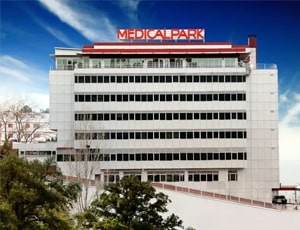
Medical Park is Turkey's largest network of hospitals, with hospitals in 17 cities across the country. The hospitals of Medical Park Group have the latest equipment for accurate diagnosis and effective treatment.

The existence of Medical Park in Uşak, one of the biggest and most reputable healthcare institutions in the nation, is essential to the city's further expansion and transformation into a center of high-quality healthcare. The hospital provides modern medical services, advanced technology, and a staff of highly skilled experts who provide patients in Uşak and the neighboring provinces with compassionate and efficient treatment as part of its dedication to providing high-quality healthcare for everyone.

Brain Tumour Treatment in Medical Park Trabzon Star Hospital: Costs, Top Doctors, and Reviews

Trabzon, Turkey

  • Joint Commission International, or JCI

Types of Brain Tumour Treatment in Medical Park Trabzon Star Hospital and its associated cost

Treatment OptionApproximate Cost Range (USD)Approximate Cost Range (TRY)
Brain Tumor Treatment (overall)11124 - 16776336446 - 513071
Biopsy447 - 114613432 - 34108
Radiation Therapy (External Beam)340 - 90810368 - 26638
Chemotherapy551 - 132017257 - 41302
Surgical Resection (Craniotomy)4550 - 8923136064 - 269459
Stereotactic Radiosurgery3396 - 6899102340 - 205392
Targeted Therapy1686 - 393251766 - 118332
Immunotherapy2272 - 507369132 - 155919
  • Address: Pazarkap, Medical Park Trabzon Hastanesi, Devlet Sahil Yolu Caddesi, Ortahisar/Trabzon, Turkey
  • Facilities related to Medical Park Trabzon Star Hospital: Online Doctor Consultation, Post operative followup, Mobility Accessible Rooms, Rehabilitation, Air Ambulance
Brain Tumour Treatment in VM Medical Park Ankara: Costs, Top Doctors, and Reviews

Ankara, Turkey

  • Joint Commission International, or JCI

Types of Brain Tumour Treatment in VM Medical Park Ankara and its associated cost

Treatment OptionApproximate Cost Range (USD)Approximate Cost Range (TRY)
Brain Tumor Treatment (overall)11482 - 17120333632 - 519041
Biopsy447 - 111613631 - 33416
Radiation Therapy (External Beam)343 - 89610325 - 27322
Chemotherapy572 - 135517295 - 40766
Surgical Resection (Craniotomy)4508 - 8880133475 - 274632
Stereotactic Radiosurgery3351 - 6695101820 - 200236
Targeted Therapy1664 - 393450917 - 117218
Immunotherapy2279 - 496667809 - 153586
  • Address: Kent Koop Mah., Medical Park Ankara Hastanesi, 1868. Sok., Batkent/Yenimahalle/Yenimahalle/Ankara, Turkey
  • Facilities related to VM Medical Park Ankara: Online Doctor Consultation, Post operative followup, Mobility Accessible Rooms, Rehabilitation, Air Ambulance
Brain Tumour Treatment in Medical Park Tokat Hospital: Costs, Top Doctors, and Reviews

Tokat, Turkey

  • Joint Commission International, or JCI

Types of Brain Tumour Treatment in Medical Park Tokat Hospital and its associated cost

Treatment OptionApproximate Cost Range (USD)Approximate Cost Range (TRY)
Brain Tumor Treatment (overall)11495 - 16527335789 - 504764
Biopsy446 - 114213717 - 33836
Radiation Therapy (External Beam)342 - 91510095 - 27522
Chemotherapy567 - 136516983 - 40000
Surgical Resection (Craniotomy)4433 - 9085138130 - 272040
Stereotactic Radiosurgery3380 - 6764103387 - 200731
Targeted Therapy1654 - 398251483 - 116104
Immunotherapy2267 - 515666628 - 152086
  • Address: Yeilrmak, Medical Park Tokat Hastanesi, Vali Zekai G
  • Facilities related to Medical Park Tokat Hospital: Health Insurance Coordination, Mobility Accessible Rooms, Private Rooms, Religious Facilities, Nursery / Nanny Services
Brain Tumour Treatment in VM Medical Park Samsun Hospital: Costs, Top Doctors, and Reviews

Samsun, Turkey

  • Joint Commission International, or JCI

Types of Brain Tumour Treatment in VM Medical Park Samsun Hospital and its associated cost

Treatment OptionApproximate Cost Range (USD)Approximate Cost Range (TRY)
Brain Tumor Treatment (overall)11279 - 17007335975 - 513630
Biopsy449 - 114113649 - 33615
Radiation Therapy (External Beam)340 - 88110187 - 27588
Chemotherapy560 - 136717063 - 40562
Surgical Resection (Craniotomy)4535 - 8974133978 - 270063
Stereotactic Radiosurgery3369 - 6763101801 - 200912
Targeted Therapy1708 - 395751726 - 116301
Immunotherapy2223 - 501868856 - 154152
  • Address: Cumhuriyet, Medical Park, 39. Sokak, Atakum/Samsun, Turkey
  • Facilities related to VM Medical Park Samsun Hospital: Online Doctor Consultation, Post operative followup, Mobility Accessible Rooms, Rehabilitation, Air Ambulance

Need Some Advice From Our Experts?

Request a Call Back Now!

Our team of healthcare experts would be happy to assist you

trusted Patientstrusted Patients+99
Trusted by 50000+ Patients
Required | alphabets and spaces
Required | A valid, working email address
Required | A valid contact

Process Involved for Brain Tumour Treatment in Turkey

  • Consultation: Discuss the diagnosis, staging, and treatment with a neurologist, neurosurgeon, or oncologist.
  • Preoperative Evaluation: Imaging studies (like MRI or CT scans) and a neurologic examination are performed to define the location, size, and effect on brain function of the tumor.
  • Discussion with Treatment: The treatment possibilities, such as surgery, radiation, chemotherapy, targeted therapy, or a combination, are discussed based on the tumor type and stage.
  • Surgical Planning: When surgery is being recommended, the procedure, including removal of the tumor or biopsy, and the risk involved is disclosed.
  • Post-Surgery, Follow-up: Routine follow-up examinations and imaging are arranged to track progress, identify recurrence, and address possible side effects or complications.
  • Primary brain tumors (gliomas, glioblastomas and meningiomas)
  • Metastatic brain tumors
  • Brain lymphoma
  • Pituitary tumors
  • Individuals with primary brain tumors or metastatic brain cancer are recommended to undergo treatment.
  • The type, site, size, and grade of the tumor, as well as the patient's overall health and medical history, all influence the patient's suitability for treatment.
  • Surgical resection
  • Chemotherapy
  • Radiation therapy
  • Immunotherapy
  • Targeted therapy
  • It can prevent or control tumor growth, particularly with initial-stage detection and proper treatment.
  • Enhances quality of life and alleviates symptoms such as headache, seizures, or neurological deficits.
  • Prevents recurrence or metastasis of tumors using combination therapies.
  • Neurologist
  • Neurosurgeon
  • Medical Oncologist
  • Radiation Oncologist
  • Fill out the inquiry form: Fill out the form to provide us with the relevant information about your condition.
  • Consult with Our Healthcare Expert: One of our qualified specialists will contact you for a consultation.
  • Receive a Detailed Treatment Plan: After examining your situation, we will provide you with a detailed treatment plan that includes expert views and cost breakdowns for various choices.
  • Choose your preferred option: Choose the treatment option that suits you the best.

Instantly Connect with our Brain Tumour Treatment Specialists

Doctor 1
Doctor 2
Doctor 3
Doctor 4
Doctor 5
Doctor 6
Doctor 7
Doctor 8
Our Services to Better your Experience

Opinion & Option

We submit the most accurate opinion and options from one or more countries for your review

Consult Privately

Consult with a certified specialist privately on our telemedicine platform even before you decide to travel

Logistics

We handle flights, visas, transfers, and accommodation—so you can focus on your health.

Recovery

Our In-house rehabilitation service packages to better your recovery and treatment outcome

Other Popular Countries for Brain Tumour Treatment

Our network connects you with the leading medical tourism destinations globally, offering a wide range of cities, top doctors, and flexible pricing options.

Spain
Thailand
Malaysia
United Kingdom

Frequently Asked Questions

A. The minimum cost of Brain Tumour Treatment in Turkey is about USD 8650. Brain Tumour Treatment in Turkey is available across many hospitals in different states.

A. Different hospitals have different pricing policies when it comes to the cost of Brain Tumour Treatment in Turkey. The cost quoted by some of the best hospitals for treatment generally covers the pre-surgery investigations of the patient. The treatment cost usually includes the expenses related to hospitalization, surgery, nursing, medicines, and anesthesia. A prolonged hospital stay due to delayed recovery, new diagnosis, and complications after surgery may increase the cost of Brain Tumour Treatment in Turkey.

A. There are several best hospitals for Brain Tumour Treatment in Turkey. The following are some of the most renowned hospitals for Brain Tumour Treatment in Turkey:

  • Eregli Anadolu Hospital
  • Baskent University Istanbul Hospital
  • VM Medical Park Samsun Hospital
  • Antalya Anadolu Hastanesi
  • Medical Park Tokat Hospital
  • Lokman Hekim Esnaf Hospital
  • Medical Park Gebze Hospital
  • Medical Park Canakkale Hospital
  • Anadolu Medical Center
  • VM Medical Park Ankara

A. The recovery of the patient may vary, depending on several factors. However, on average, a patient is supposed to stay for about 30 days in the country after discharge. This is important to ensure that the surgery is successful. During this time, control and follow-up tests take place to check for medical fitness. A full recovery may take more than 8 weeks.

A. Turkey is one of the most popular countries for Brain Tumour Treatment in the world. The country offers the best treatment for brain tumors, the best doctors, and advanced hospital infrastructure. Some of the other top destinations for Brain Tumour Treatment include the following:

  • Tunisia
  • Saudi Arabia
  • Spain
  • Israel
  • Thailand
  • South Korea
  • Greece
  • The United Arab Emirates
  • South Africa
  • Malaysia

A. There are certain expenses additional to the Brain Tumour Treatment cost that the patient may have to pay for. These are the charges for daily meals and hotel stays outside the hospital. The extra charges may vary averaging around USD 40.

A. Brain Tumour Treatment in Turkey is offered in almost all metropolitan cities, including the following:

  • Ankara
  • Trabzon
  • Istanbul
  • Antalya
  • Fethiye

A. After Brain Tumour Treatment, the patient is supposed to stay for about 5 days in the hospital for recovery and monitoring. This time frame is important for the patient to recover properly and feel comfortable after the surgery. With the help of several tests, it is determined that the patient is doing fine after the surgery and is okay to be discharged.

A. The average rating for Brain Tumour Treatment hospitals in Turkey is 4.9. This rating is calculated based on several parameters such as hygiene, politeness of staff, infrastructure, and quality of services.

A. The exact nature of Brain Tumors is difficult to determine and varies on a case-to-case basis. Brain tumors can result from radiation exposure, family history of brain tumors, or cancer cells located anywhere else in the body spread to the brain. Apart from this being overweight, or having a history of cancer.

A. Brain tumors, lesions, and cysts can be classified into more than 120 different forms based on their location and the sorts of cells they consist of. While some tumor forms are usually malignant (cancerous), others are usually benign (noncancerous). Some might have a 50% probability of developing cancer.

  • Meningioma: More than 30% of all brain tumors are meningiomas, which are the most prevalent primary brain tumors. Roughly 85% of meningiomas are slow-growing, noncancerous tumors.
  • Pituitary Adenoma: The most prevalent kind of pituitary tumor is an adenoma, which is a tumor that develops in the gland tissues. Adenomas account for about 10% of primary brain tumor diagnoses.
  • Craniopharyngioma: These benign tumors can take the form of cysts or solid tumors and grow close to the pituitary gland. They can also result in problems with eyesight and endocrinology, similar to adenomas. They typically impact individuals over 50 as well as kids and teenagers.
  • Schwannoma: Vestibular schwannomas, also known as acoustic neuromas, are slow-growing, benign tumors of the nerve that links the ear to the brain. Neuromas account for less than 8% of primary brain tumors. They typically appear in middle-aged individuals.
  • Giant Cell Tumor: They are large and are uncommon bone tumors that typically affect the limbs of the arm and leg. Patients between the ages of 20 and 40 are typically diagnosed with benign giant cell tumors.
  • Osteoma: Osteomas are benign bone tumors, or new growths in the bone, that typically appear near the base of the skull and the face bones. Large osteomas, however, can impair respiration, vision, or hearing if they develop in specific brain regions. The nerve sheath frequently results in hearing loss.
  • Plexus Choroid Tumor: Rare cancers called choroid plexus tumors are located in the region of the brain's ventricles that generates cerebrospinal fluid, or the choroid plexus. Of these tumors, over 90% are benign.
  • Neurofibroma: Anywhere in the body, neurofibromas are benign, usually painless tumors that develop on nerves. These soft, fleshy growths can occasionally form on cranial nerves, the spinal cord, or the brain.

A. A combination of clinical assessment, imaging testing, and occasionally tissue sampling is used to diagnose brain tumors. Usually, the procedure includes the following steps:

  • Symptom Assessment: The physician will inquire about any headaches, seizures, blurred vision, or altered cognitive function.
  • Neurological Examination: To find any anomalies, a comprehensive neurological exam evaluates reflexes, muscle strength, coordination, and mental state.
  • The most used imaging method for identifying brain tumors is magnetic resonance imaging or MRI. It can assist in determining the location, size, and kind of tumor by providing detailed images of the brain.
  • Computed Tomography (CT) Scan: When an MRI is unavailable, or for preliminary evaluation, CT scans are frequently utilized. They offer cross-sectional images of the brain and are fast in detecting problems such as hemorrhage, big tumors, or other problems.
  • A biopsy is a procedure used to remove a sample of the tumor tissue for microscopic examination to determine the type, grade, and specific characteristics of the tumor.
  • Genetic and Molecular Testing: Genetic and molecular tests on the tumor tissue may offer details on specific mutations, genetic changes, or molecular markers, which can help determine the behavior of the tumor and guide treatment options.
  • Positron Emission Tomography (PET): PET scans are less frequently performed but can also help assess the tumor's metabolic processes and differentiate between tumor types or between a tumor and various other conditions.
  • Electroencephalogram (EEG): An EEG can be used to monitor electrical activity in the brain and identify abnormalities such as seizure activity if the patient has seizures or other abnormal neurological findings.
  • If there is a possibility that a tumor has progressed to the cerebrospinal fluid (CSF), a lumbar puncture, often known as a spinal tap, may be used to obtain CSF for examination.
  • Optical Coherence Tomography (OCT): Under some circumstances, OCT can be utilized to assess the optic nerve and retina of the eye for indications of elevated intracranial pressure or tumor impacts.

A. Brain tumors require a multimodal approach to therapy that takes into account the patient's general health as well as the tumor's precise kind, location, grade, and stage. The main treatments for brain tumors are listed below:

  • During a craniotomy, a portion of the skull is removed to provide access to the brain and remove a tumor. After the surgery, the removed bone is usually replaced.
  • Stereotactic Surgery: Minimally invasive procedures that use high-precision imaging to direct the biopsy or excision of tiny tumors. frequently employed for malignancies that are challenging to access during conventional surgery.
  • Endoscopic Surgery: Used to remove or biopsy tumors through tiny incisions using an endoscope, a thin, flexible tube with a camera.
  • Radiotherapy from the outside of the body is focused onto the tumor using external beam radiotherapy. For brain cancers, this is the most often used type of radiation treatment.
  • A very accurate type of radiation therapy known as stereotactic radiosurgery (SRS) can target a tumor with a high radiation dose in one or more sessions. It's frequently applied to little, distinct tumors.
  • Proton Beam Therapy: This technique lessens damage to nearby healthy tissue by accurately targeting malignancies using protons rather than X-rays.
  • Oral chemotherapy is administered by tablet, by infusion into the bloodstream, and straight into the arteries supplying the tumor.
  • Hormone therapy is used to treat hormone-sensitive cancers, which are more frequently pituitary tumors. drug-blocking or hormone-modifying techniques are used to reduce hormone-dependent cancers.

A. Since brain tumor surgery is extremely sensitive and complicated, even though it's frequently useful and required, there are risks involved. The location, size, kind, and general health of the patient, etc. may affect the result. Here is a thorough examination of the possible dangers connected to surgery for brain tumors:

  • Cognitive Changes: Depending on the part of the brain injured, surgery may result in changes to memory, attention, language, or executive function.
  • Motor Deficits: If a tumor is located close to a motor part of the brain, it may cause weakness, paralysis, or problems with coordination and movement.
  • Sensory Impairments: Surgery that affects sensory pathways may cause changes in sensation, such as tingling or numbness.
  • Infection: Following surgery, an infection may develop inside the brain or at the site of the incision. Although this risk is reduced by the use of sterile procedures and preventive medications, infections can still occur.
  • Hemorrhage: During or after the surgery, there may be bleeding into the brain or surrounding the surgical site.
  • Edema, or swelling: Following surgery, there is a chance that brain swelling will occur. This could raise intracranial pressure and result in symptoms like headache, nausea, and altered awareness.
  • Seizures: Following surgery, patients may experience new or worsened seizures, particularly if the tumor is situated in or close to brain regions that regulate electrical activity.
  • Damage to the Brain's Surrounding Tissue: During the removal of a tumor, adjacent healthy brain tissue can sustain accidental damage, which could impair brain function.
  • Leakage of Fluids Leakage of cerebral spinal fluid (CSF) may arise from damage to the protective layers surrounding the brain.
  • Difficulties with Wound Healing: It is possible for there to be issues with wound healing at the location of the incision, such as delayed healing or wound dehiscence (wound separation).

A. Following brain tumor therapy, recovery is a multifaceted process that takes into account the mental, emotional, and cognitive elements of healing. Here is an explanation of the typical recovery steps:

  • Monitoring: Following brain surgery, you'll usually need to stay in the hospital for monitoring to make sure there aren't any bleeding or infection issues right away.
  • Neurological monitoring is the routine evaluation of neurological function to detect any alterations in cognition, movement, or vision.
  • Incision Care: Adhere to the directions for maintaining a clean, dry, and incision site.
  • Infection Warning Signs: Keep an eye out for symptoms including redness, swelling, or discharge. Let your healthcare practitioner know if you have any concerns.
  • Strength, coordination, and motor abilities can all be enhanced with physical therapy. exercises including gait training and balancing exercises that are customized to your needs.
  • Occupational therapy: To help restore independence and support with everyday tasks. methods and assistive devices for activities like clothing, cooking, and taking care of oneself.
  • Speech and Language Therapy: For the treatment of swallowing, speech, and language disorders. activities aimed at enhancing safe swallowing practices and communication abilities.
  • Appointments: Keep track of your progress and look for any tumor recurrence by attending follow-up meetings with your healthcare provider.
  • Imaging: To monitor the tumor's progress and gauge healing, routine MRI or CT scans may be performed.
  • Healthy Eating: To promote general health, eat a balanced diet. Seek advice from a dietician if necessary.
  • Hydration: To aid in healing, continue consuming enough fluids.
  • Exercise Program: To enhance physical health and well-being, follow recommended guidelines for regular, moderate exercise.

Author

Fauzia Zeb Fatima

M.Pharm

4 Years of Experience

Fauzia Zeb is a distinguished medical and scientific content writer with a robust academic foundation in pharmaceutical sciences, holding a B.Pharm and M.Pharm degree from prestigious institutions, including MIT and Jamia Hamdard University. Her comprehensive expertise in pharmacology, clinical sciences, and biomedical research enables her to translate complex medical and scientific concepts into precise, evidence-based content tailored for diverse audiences. Specializing in peer-reviewed articles, clinical blog posts, and research-driven publications, she demonstrates a consistent ability to bridge the gap between advanced medical science and accessible, audience-specific communication. . View More

Reviewer

⁠Dr Rakesh Kumar Dua

Spine & Neurosurgeon

25 Years of Experience

Dr. Rakesh Dua has more than 25+ years of clinical experience in spine surgeries. He is currently providing his services as Director, Neuro & Spine Surgery at Fortis Hospital, Shalimar Bagh. Before joining Fortis Hospital, he was associated with Max super-specialist Hospital, Shalimar Bagh as Director Neurosurgery & Head Neuro Spine, and with UCMS & GTB hospital as head of the neurosurgery department. View More