Affordable World-class Treatment - Accredited Hospitals - Free Treatment Plan in 24 Hrs

Share your details to receive a personalised treatment plan, estimated costs, hospital recommendations, and expert guidance, “completely free.”
Your information is protected with HIPAA-compliant security standards. We only share your details with hospitals after your consent.
The cost of Craniotomy in Turkey typically ranges between USD 12000 - USD 20000. However, this cost can vary depending on several factors, including the type and severity of the condition, treatment techniques chosen, the healthcare facility's location and reputation, the treating professionals' experience and specialization, and the patient's overall health status.
Additionally, factors like the duration of treatment, the need for follow-up care, and the use of advanced technologies or specialized treatments can further influence the overall cost.
A craniotomy is where the surgeon incises the skull to open a space sufficiently large enough for the surgeon to access the patient's Brain. The procedure is common for conditions like; brain tumors, head injury, blood clots, brain hemorrhage or other neurological diseases. In the process, the elimination of the bone flap requires the surgeon to make incisions into the scalp after which he has to remove a piece of the skull. Once the problem with the oedematous bone flap is corrected, it is often replaced and tied using plates or screws, and the scalp is sewn.
A craniotomy is a surgical process that has the potential to face challenges such as infection, bleeding, or injury to neighboring brain tissues due to the nature of the cut. The procedure is usually carried out under general anesthesia and the time required for the recovery will depend on the cause of the surgery and the general health status of the patient.
Specific postoperative management depends on the problem’s severity and may consist of watching for complications, managing pain, and providing therapy to patients to enable function.
| City | Cost (USD) | |
|---|---|---|
| Ankara | $12,000 – $20,000 | Explore More |
| Antalya | $12,000 – $20,000 | Explore More |
| Bursa | $12,000 – $20,000 | Explore More |
| Canakkale | $10,800 – $18,000 | Explore More |
| Fethiye | $10,800 – $18,000 | Explore More |
| Istanbul | $12,000 – $20,000 | Explore More |
| Kocaeli | $12,000 – $20,000 | Explore More |
| Konya | $12,000 – $20,000 | Explore More |
| Sakarya | $12,000 – $20,000 | Explore More |
| Samsun | $12,000 – $20,000 | Explore More |
| Sivas | $10,800 – $18,000 | Explore More |
| Tokat | $10,800 – $18,000 | Explore More |
| Trabzon | $10,800 – $18,000 | Explore More |
| Usak | $10,800 – $18,000 | Explore More |
| Zonguldak | $10,800 – $18,000 | Explore More |


Our dedicated Medical Patient Advisors are here to answer your questions, help you compare treatment options, estimate costs, and guide you through every step of your healthcare journey.
A craniotomy involves surgically removing a portion of the skull to access the brain. During this procedure, specialized instruments are used to extract a section of bone, known as the bone flap. This bone flap is temporarily removed and reattached.
Some craniotomy procedures incorporate computer and imaging technologies, such as magnetic resonance imaging (MRI) or computerized tomography (CT) scans, to accurately target the specific brain area needing treatment. This advanced technique may involve the use of a frame fixed to the skull or a frameless system with surface markers or landmarks on the scalp. When these imaging methods are used in conjunction with the craniotomy, the procedure is referred to as a stereotactic craniotomy.
Elective craniotomies are performed to gain brain access for various non-emergency indications, including tumor resection, aneurysm clipping, AVM repair, epilepsy surgery, or DBS. The target is to address neurological pathologies that are not immediately life-threatening but cause progressive malfunctioning or long-term disability potential.
There is a need for neurological evaluation if a patient presents with persistent headache, seizure, focal neurological deficit (weakness, vision changes, or speech difficulties), or cognitive decline. A space-occupying lesion or vascular anomaly on imaging (MRI or CT) usually places the patient under elective neurosurgical consultation.
The preoperative preparation phase includes neuroimaging (MRI, MR angiography, or functional MRI), neuropsychological testing, and medical checkup (electrocardiogram, laboratory tests, and anesthesia evaluation). Under supervision, anticoagulants and antiplatelet agents are stopped. Patient education about what to expect during and after the procedure, informed consent regarding the risks, and the recovery process are also necessary.
The term craniotomy refers to the removal of the skull to access the brain directly. Under general anaesthesia, a tailored skin incision and bone flap are made to locate the lesion. Intraoperative neuronavigation and electrophysiological monitoring can increase the procedure's precision and prevent collateral damage. Finally, the bone flap is fixed, and the skin incision is sutured.
It is widely variable, sometimes highly depending on the indication for surgery or the case's complexity. Removing a simple tumour generally takes 3-4 hours, but it can take 6-8 hours or even more for complex cases such as AVM excision or functional mapping.
Elective craniotomies performed correctly provide significant opportunities for reducing tumor burden, alleviating neurological symptoms, preventing hemorrhagic events, and improving quality of life. Considerable symptom control and reduced dependency on medications may also be achieved in certain instances of epilepsy surgery and DBS.
Initial postoperative recovery includes ICU monitoring for the first 24 to 48 hours and then transfer to the neurosurgical ward. Most patients are discharged within 5 to 10 days, and complete functional recovery depends on the type of surgery and the patient's preoperative condition. Rehabilitation-physical, occupational, or speech therapies-may be needed. Following this, postoperative imaging is carried out to verify the surgical results.
The success rates depend on the surgical indication but are generally high for elective cases. Removal of tumors can have around 80 to 90% success in relieving symptoms or controlling the disease. Functional operations such as DBS or epilepsy surgery show significant improvement in 60\u201385% of cases in appropriately selected patients.
85–95%
Success rate (depends on the underlying condition and surgical complexity)5–10 days
Typical hospital stay6–12 weeks
Return to normal daily activities (varies by condition and recovery)Our experienced Medical Patient Advisors have supported 100,000+ patients across 120+ countries with personalised treatment plans, hospital recommendations, cost estimates, and travel assistance, all free.
✓ Free Consultation ✓ No Obligation ✓ Personalized Treatment Plan ✓ Response Within 24 Hours
Your medical info has is HIPAA-style confidential. We never share with hospitals without your consent.
It is recommended for individuals with:

Opinion & Option
We submit the most accurate opinion and options from one or more countries for your review
Consult Privately
Consult with a certified specialist privately on our telemedicine platform even before you decide to travel
Logistics
We handle flights, visas, transfers, and accommodation—so you can focus on your health.
Recovery
Our In-house rehabilitation service packages to better your recovery and treatment outcome

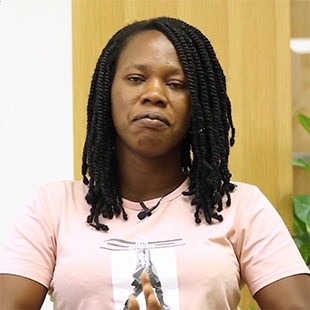
Samuel Uba Udechukwu, a 35-year-old male, resident of Nigeria underwent Craniotomy surgery in U.A.E after being diagnosed with a brain…

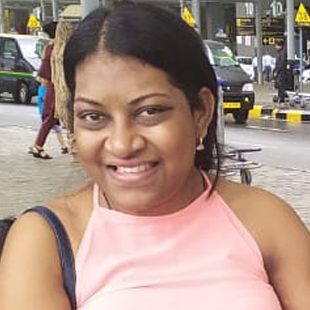
Mauritius patient suffering from Pituitary Gland Tumor underwent successful Craniotomy Surgery in India.
On an average, Craniotomy in Turkey costs about USD$ 9000. In Turkey, Craniotomy is conducted across many multispecialty hospitals.
Different hospitals have different pricing policy when it comes to the cost of Craniotomy in Turkey. The Craniotomy package cost usually includes all the expenses related to pre and post surgery expenses of the patient. The Craniotomy cost in Turkey includes the cost of anesthesia, medicines, hospitalization and the surgeon's fee. Stay outside the package duration, port-operative complications and diagnosis of a new condition may further increase the Craniotomy cost in Turkey.
There are many hospitals across the country that offer Craniotomy to international patients. Some of the most renowned hospitals for Craniotomy in Turkey include the following:
After discharge from the hospital, the patient has to stay for another 28 days in the country for complete recovery. During this time, the patient undergoes medical tests and consultations. this is to ensure that the treatment was successful and the patient us safe to return.
While Turkey is considered to be one of the best destinations for Craniotomy owing to the standard of Hospitals, and expertise of doctors; there are a select few destinations which provide comparable quality of healthcare for this procedure. Some of such countries are:
There are certain additional cost that the patient has to pay apart from the Craniotomy cost. These include the cost of accommodation and meals outside hospital. The per day cost in this case may range around USD$ 40.
Some of the best cities in Turkey which offer Craniotomy are:
The patient is supposed to stay at the hospital for about 5 days after Craniotomy for monitoring and care. During the recovery, the patient is carefully monitored and control tests are performed to see that everything is okay. If required, physiotherapy sessions are also planned during recovery in hospital.
There are about 39 hospitals in Turkey that offer Craniotomy to international patients. These hospitals have the required expertise as well as infrastructure available to handly patients who need Craniotomy
A craniotomy is a type of brain surgery wherein part of the bone from the skull is removed to access the brain. This type of brain surgery is used to treat a brain tumor, blood clot in the brain and various types of other abnormalities related to the brain. In craniotomy surgery, bone flap (a section of the skull) is temporarily removed by specialized surgical tools and are again placed to their exact position after the surgery gets completed. The main aim of the surgeon is to access that particular portion of the brain which is abnormal. For reaching precisely to the affected area without any damage to the healthy tissues, various diagnostic tools such as CT scan and MRI can be used by the surgeon.
There are several common causes for doing a craniotomy surgery such as:
Aneurysm: Aneurysm is characterized by weakening of blood vessel walls and when blood flows through these walls, the vessels bulge like a balloon.
Brain tumor: Brain tumor is a collection of abnormal cells which starts growing uncontrollably in the brain. These cells may interfere in the physiological functioning of the brain. Malignant brain tumors may be metastatic or primary brain tumors.
Arteriovenous malformation: Arteriovenous malformation is a type of abnormalities caused due to the entanglement of arteries and vein results in poor blood flow and reduced oxygen supply.
Brain injury: Brain injury caused by any blood disorder, swelling of brain and damage to brain tissue.
After surgery of craniotomy, the recovery process in depending upon these factors;
When craniotomy surgery is done, the patient is shifted in a recovery room where the vital signs are monitored.
The patient is advised to frequently move fingers, hands, and toes to minimize the risk of deposition of a blood clot.
Medications should be administered as directed by the surgeon or the paramedical staff.
After craniotomy surgery, patients should take rehabilitation therapy under the guidance of rehabilitation specialists. Rehabilitation therapy included physical therapy, occupational therapy, and speech-language therapy.
Drowsiness, headache, nausea may be experienced by the patients undergone craniotomy surgery.
If any infection or increase temperature is observed or there is any inflammation at the site of incision, consult with the doctor.
Patients should avoid strenuous activities.
If the patient experiences any reduction in mental function, seizures, nerve damage or stroke, he should consult with the doctor
Lifemed Medical Center, Istanbul, Turkey
Liv Hospital, Ankara, Turkey
Medicana Hospital Groups, Istanbul, Turkey
Hisar Intercontinental Hospital, Istanbul, Turkey
Anadolu Medical Center, Gebze/Kocaeli, Turkey
Acibadem Taksim, Istanbul, Turkey
Medipol Mega University Hospital, Istanbul, Turkey
Following are the most sought after Neurosurgeons for Craniotomy Surgery in Turkey:
Dr. Ali Zırh, Medipol Mega Hastaneler Kompleksi, Istanbul, Turkey
Dr. Mustafa Kemal Hamamcıoğlu, Liv Hospital, Istanbul, Turkey
Dr. Sait Sirin, Medicana Hospital Groups, Istanbul, Turkey
Dr. Murat Cobanoglu, Hisar Intercontinental Hospital, Istanbul, Turkey
Dr. Prof. Serdar Kahraman, Anadolu Medical Center, Gebze/Kocaeli, Turkey
The success rate of craniotomy in Turkey is at par with the developed countries. The success rate of craniotomy surgery in turkey depends upon the following factors;
Types of brain injury: It is one of the most important factors which determine the overall survival rate. Some brain injuries such as meningioma and oligodendroglioma can be treated with high success rates.
Patients age: Age of the patient also affects the success rate of craniotomy surgery. The recovery is faster in younger patients as compared to older patients.
Grades of tumors: The tumors are categorized as low-grade tumors and high-grade tumors. Patients who are diagnosed with low-grade tumors have better outcomes and high success rates after craniotomy surgery.
Incision planning: A variety of incisions are done during craniotomy surgery. If the number of incisions is less, the patient has early recovery.
Have your reports reviewed by independent oncology experts to help you make a confident treatment decision, all online within 48 hours.
Upload Your Reports