Affordable World-class Treatment - Accredited Hospitals - Free Treatment Plan in 24 Hrs
Share your details to receive a personalised treatment plan, estimated costs, hospital recommendations, and expert guidance, “completely free.”
Your information is protected with HIPAA-compliant security standards. We only share your details with hospitals after your consent.
The cost of a Cervical Cancer Treatment in Turkey typically ranges between USD 4050 - USD 4950. However, this cost can vary depending on several factors, including the type and severity of the condition, treatment techniques chosen, the healthcare facility's location and reputation, the treating professionals' experience and specialization, and the patient's overall health status.
Additionally, factors like the duration of treatment, the need for follow-up care, and the use of advanced technologies or specialized treatments can further influence the overall cost.
The management of cervical cancer differs due to the stage of the cancer and the health status of the patient. Some of the most usual are conization in first-stage cancer, total abdominal hysterectomy in later stages, or less commonly a radical hysterectomy. Surgery may also be used in combination with radiation therapy as an external beam radiation therapy or brachytherapy especially in cases where the disease has advanced or when surgery is not feasible. It is noteworthy that the applicability of chemotherapy for the treatment of the above disease is usually accompanied by combinations with radiation in further phases.
In addition to surgery, targeted therapy and immunotherapy have appeared as more novel approaches to the treatment of advanced cervical cancer in recent years. Selective therapy acts on cancer cells while individual treatment enhances the body’s ability to combat cancer. Other information details include: cervical cancer can still be detected early through Pap smears and HPV testing, consequently, increasing the understanding of, and survival rates from treatment.
| City | Cost (USD) | |
|---|---|---|
| Ankara | $4,050 – $4,950 | Explore More |
| Bursa | $4,050 – $4,950 | Explore More |
| Istanbul | $4,050 – $4,950 | Explore More |
| Izmir | $4,050 – $4,950 | Explore More |
| Kocaeli | $4,050 – $4,950 | Explore More |
| Konya | $4,050 – $4,950 | Explore More |
| Ordu | $4,050 – $4,950 | Explore More |
| Samsun | $4,050 – $4,950 | Explore More |
| Tokat | $3,645 – $4,455 | Explore More |


Our dedicated Medical Patient Advisors are here to answer your questions, help you compare treatment options, estimate costs, and guide you through every step of your healthcare journey.
Cervical cancer is an abnormal growth of cancer cells that starts in the cervix. The cervix is the narrow part of the lower uterus. It is the entrance of the uterus, often referred to as the neck of the womb. Cervical cancer is the fourth most common type of cancer in women around the world. It is the fourth leading cause of death caused by cancer in women. However, the important thing to note is that cervical cancer is also one of the most preventable types of cancer and early diagnosis of the disease can improve the mortality rate amongst patients.
A dramatic reduction in cervical cancer occurrence is primarily due to the widespread use of advanced screening tests such as pap tests to detect cervical abnormalities and allow for early treatment.
Under normal circumstances, the ectocervix is covered with flat, thin cells called squamous cells, and the endocervix is made up of another kind of cells called columnar cells. The area where these cells meet is called the transformation (T) zone. The T zone is the most likely location for cervical cancer cells to develop.
A majority of cervical cancer cases occur because of a virus called human papillomavirus (HPV). HPV is a sexually transmitted virus. It can transfer through sexual contact with an infected male partner.
There are many types of the HPV virus and not all types of HPV cause cervical cancer. Some of the HPV may cause genital warts. Some other cervical cancer risk factors include smoking, weak immune system, oral contraceptives, and multiple pregnancies.
More than 90 percent of the cervical cancers are squamous cell carcinoma. The second most common type of cervical cancer is adenocarcinoma. Adenosquamous carcinomas or mixed carcinomas are some of the rare types of cervical cancer.
Treatment for cervical cancer aims to either remove or destroy cancer cells, preventing further disease progression or spread. Treatment depends on the stage of cancer, its pathology, and the patient's overall well-being and reproductive goals.
Consult your doctor should abnormal vaginal bleeding occur along with pelvic pain, pain on coitus, or if abnormal vaginal discharges develop. Screening methods such as Pap smear and HPV testing are essential in early detection, even in asymptomatic cases.
Preparation involves confirmation of diagnosis by biopsy and appropriate imaging studies, such as MRI versus CT scans. You may have to stop or adjust medications under the care of your doctor. You could consider fertility options for preservation and arrange for transportation and support at home during the recovery.
Treatment depends on the stage of the disease. Surgery is the treatment of choice for early-stage cancer and includes hysterectomy. Radiation and chemotherapy are used together when the patient has more advanced disease. Chemotherapy, targeted drugs, and immunotherapy are advanced or metastatic cancer options.
Surgery takes 1.5 to 4 hours. Radiation treatments are short and given daily over several weeks. Chemotherapy is given in cycles that can last anywhere from a few weeks to several months, depending on the treatment plan in place.
Treatment may be curative in the early stages, while it relieves symptoms, controls the disease, and improves survival and quality of life in the advanced stages. Therapeutic advances continue to improve outcomes even with advanced disease.
Recovery depends on treatment. Surgical recovery classically takes 4 to 8 weeks. On the other hand, the effects of radiation or chemotherapy are prolonged and may require longer periods to resolve. Follow-up is crucial in detecting recurrence in time and managing any side effects.
At a stage, i.e., early cervical cancer, the 5-year survival rate stands at more than 90%. In advanced stages, the survival rates decline yet continue to rise with newer therapies. Early detection holds the key to a better prognosis.
70–90%
Five-year survival rate (early-stage cervical cancer)3–7 days
Typical hospital stay (depending on treatment)4–8 weeks
Typical recovery to normal daily activities (after surgery; varies by treatment)Istanbul, Turkey
Our experienced Medical Patient Advisors have supported 100,000+ patients across 120+ countries with personalised treatment plans, hospital recommendations, cost estimates, and travel assistance, all free.
✓ Free Consultation ✓ No Obligation ✓ Personalized Treatment Plan ✓ Response Within 24 Hours
Your medical info is kept HIPAA-style confidential. We never share with hospitals without your consent.

Opinion & Option
We submit the most accurate opinion and options from one or more countries for your review
Consult Privately
Consult with a certified specialist privately on our telemedicine platform even before you decide to travel
Logistics
We handle flights, visas, transfers, and accommodation—so you can focus on your health.
Recovery
Our In-house rehabilitation service packages to better your recovery and treatment outcome

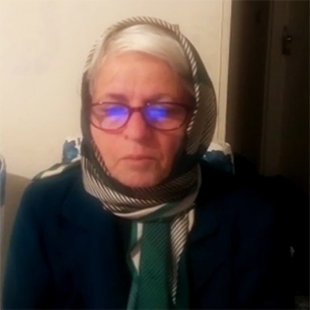
This was the case with a 60-year-old cervical cancer patient from Nigeria, Mrs. Affiong Uko Henshaw. She was diagnosed with…
A. Thegeneral cervical cancer treatment cost in Turkey USD 4050 to 4950.
A. Following are the alternative treatments for cervical cancer:
A. Cervical cancer is diagnosed through several steps, which generally include:
A. The recovery process after cervical cancer treatment varies depending on the type of treatment received, the stage of cancer, and the individual’s overall health.
Post-Surgery Recovery
It requires a Hospital stay for a week or a few days depending on the extent of the surgery.
Pain Management: Pain and discomfort are common after surgery. Pain medications and, in some cases, epidural analgesia may be used to manage pain.
Wound Care: Patients will need to care for surgical incisions, keeping them clean and dry to prevent infection. Follow-up visits will monitor healing.
Activity Restrictions: Patients are usually advised to avoid heavy lifting, strenuous activity, and sexual intercourse for several weeks to allow for proper healing.
Physical Therapy: Some may benefit from physical therapy to regain strength, mobility, and flexibility, especially after extensive surgeries.
Recovery After Radiation Therapy
Many patients experience significant fatigue during and after radiation therapy.
Skin in the treated area may become red, dry, or irritated. Proper skin care, including the use of prescribed creams, is important.
Radiation can cause temporary or long-term bladder and bowel problems, such as increased frequency, urgency, or diarrhea. Dietary adjustments and medications can help manage these symptoms.
Vaginal Changes: Radiation may cause vaginal dryness, narrowing, or scarring. Vaginal dilators or other treatments are recommended to maintain vaginal elasticity and prevent complications.
Emotional and Psychological Recovery
Recovery from cervical cancer treatment can be emotionally challenging. Counseling, support groups, and mental health professionals can provide support.
Many women face challenges related to body image and sexual health after treatment. Open communication with healthcare providers, partners, and counselors can help address these issues.
Coping with Fertility Changes: For women who have undergone treatments affecting fertility, coping with the loss of fertility may require additional emotional support and counseling.
A. In Turkey, Following treatment options for cervical cancer are available
1. Surgery
2. Radiation Therapy
3. Chemotherapy
4. Targeted Therapy
5. Immunotherapy
A. The following risk and complications associated with the cervical cancer are as follows:
A.The cost of Cervical Cancer Treatment in Turkey may differ from one medical facility to the other. Some of the best hospitals for Cervical Cancer Treatment offer a comprehensive package that covers the end-to-end expenses related to investigations and treatment of the patient. The comprehensive Cervical Cancer Treatment package cost includes the cost of investigations, surgery, medicines and consumables. Extended hospital stay, complications after the surgery or new diagnosis may affect the overall cost of Cervical Cancer Treatment in Turkey.
A. There are many hospitals that perform Cervical Cancer Treatment in Turkey. For quick reference, the following are some of the leading hospitals for Cervical Cancer Treatment in Turkey:
A. After discharge from the hospital, the patient has to stay for another 30 days in the country for complete recovery. This duration of stay is recommended to complete all the necessary follow-ups and control tests to ensure that the surgery was successful.
A. There are many cities that offer Cervical Cancer Treatment in Turkey, including the following:
A. There are several doctors who are available for telemedicine consultation for patients requiring Cervical Cancer Treatment in Turkey. The following are some of the best doctors for Cervical Cancer Treatment in Turkey who are available for video consultation:
| Doctor | Cost | Schedule Your Appointment |
|---|---|---|
| Dr. Ertugrul Gazioglu | USD 160 | Schedule Now |
| Dr. Emel Ceylan Gunay | USD 160 | Schedule Now |
| Dr. Meltem Topalgokceli Selam | USD 160 | Schedule Now |
| Dr. Tahir Karadeniz | USD 160 | Schedule Now |
A.The patient has to spend about 5 days in the hospital after Cervical Cancer Treatment for proper recovery and to get clearance for discharge. During the recovery, the patient is carefully monitored and control tests are performed to see that everything is okay. If required, physiotherapy sessions are also planned during recovery in hospital.
A.There are more than 30 hospitals that offer Cervical Cancer Treatment in Turkey. Such hospitals have the required infrastructure and a dedicated unit where patients can be treated. Also, these hospitals follow the necessary guidelines as required by the medical associations for the treatment of Cervical Cancer Treatment patients.
A.Some of the most sought after doctors for Cervical Cancer Treatment in Turkey are:
Have your reports reviewed by independent oncology experts to help you make a confident treatment decision, all online within 48 hours.
Upload Your Reports