Affordable World-class Treatment - Accredited Hospitals - Free Treatment Plan in 24 Hrs

Share your details to receive a personalised treatment plan, estimated costs, hospital recommendations, and expert guidance, “completely free.”
Your information is protected with HIPAA-compliant security standards. We only share your details with hospitals after your consent.
The cost of VSD Closure Repair in India typically ranges between USD 4500 - USD 5500.
However, this cost can vary depending on several factors, including the type and severity of the condition, treatment techniques chosen, the healthcare facility's location and reputation, the treating professionals' experience and specialisation, and the patient's overall health status.
Additionally, factors like the duration of treatment, the need for follow-up care, and the use of advanced technologies or specialised treatments can further influence the overall cost.
Ventricular septal defect (VSD) is the most common congenital (present at birth) heart defect and frequently occurs in conjunction with other heart defects or problems. A small VSD is typically mild and has few or no symptoms, but a larger hole may need to be repaired to prevent permanent damage and complications.
A VSD is a hole or opening (defect) in the septum, the wall that divides the heart's two bottom chambers (ventricles).
The wall separating the chambers usually shuts before the fetus is born, preventing oxygen-rich blood from mingling with oxygen-poor blood at birth. If the hole doesn't seal, the body may receive less oxygen, or the heart may pump more blood.
| City | Cost (USD) | |
|---|---|---|
| Bangalore | $4,500 – $5,500 | Explore More |
| Chennai | $4,500 – $5,500 | Explore More |
| Delhi | $4,500 – $5,500 | Explore More |
| Faridabad | $4,500 – $5,500 | Explore More |
| Ghaziabad | $4,500 – $5,500 | Explore More |
| Gurgaon | $4,500 – $5,500 | Explore More |
| Hyderabad | $4,500 – $5,500 | Explore More |
| Kochi | $4,500 – $5,500 | Explore More |
| Kolkata | $4,500 – $5,500 | Explore More |
| Mohali | $4,050 – $4,950 | Explore More |
| Mumbai | $4,500 – $5,500 | Explore More |
| Noida | $4,500 – $5,500 | Explore More |
| Panjim | $4,050 – $4,950 | Explore More |

Alvina Hasan is a dedicated medical researcher and scientific writer with a strong foundation in pharmaceutical sciences. She holds a B.Pharm from Jamia Hamdard University and an M.Pharm in Quality Assurance from DIPSAR University.
With deep medical expertise and a strong interest in healthcare communication, she focuses on transforming complex clinical and scientific information into clear, engaging, and easy-to-understand narratives. She develops insightful healthcare articles and research-driven content designed to support both medical professionals and patients, helping bridge the gap between advanced medical knowledge and practical understanding.
Readers can explore her published research and articles here:

Our dedicated Medical Patient Advisors are here to answer your questions, help you compare treatment options, estimate costs, and guide you through every step of your healthcare journey.
A ventricular septal defect, or VSD, is a condition where there is a hole in the wall between the two lower chambers of the heart, present from birth. It's the most common congenital heart defect and can occur alongside other heart issues. A small hole usually causes minor or no symptoms, but a larger one may require repair to prevent lasting damage and complications.
Ventricular septal defects (VSD) occur in around one-third of 1% of newborns, but it's less likely for adults to be diagnosed since the defect often closes naturally during childhood in 90% of cases. VSDs linked to heart attacks are exceptionally rare nowadays, with less than 1% of all heart attacks being associated with them, thanks to modern treatment methods.
The exact cause of ventricular septal defects (VSD) at birth remains unknown. However, it can be associated with other heart defects, heart conditions, or genetic disorders. The use of specific anti-seizure medications (sodium valproate and phenytoin) or alcohol consumption during pregnancy may potentially elevate the risk of a child developing VSD, although further research is needed to establish these as definite causes.
A rare known cause of VSD is its occurrence as a side effect of a heart attack.
Closure of VSD improves general heart function, reduces complications such as heart failure or pulmonary hypertension, decreases abnormal blood flow between the heart's ventricles, and facilitates normal child development and growth.
If your child or you have symptoms such as fatigue, poor growth or feeding, shortness of breath, frequent respiratory infections, or a heart murmur on physical exam, visit a doctor. Early identification and treatment improve results and reduce complications.
Physical exam, echocardiogram, chest X-ray, ECG, and possibly cardiac MRI or catheterisation are all components of the preparation process. Risks of anaesthesia, fasting orders, and current medications need to be addressed with patients (or parents). Preoperative counselling is provided, especially in children.
Surgical closure of a VSD usually takes 3\u20135 hours. The hospital stay is five to ten days. The hospital stay for catheter-based procedures is shorter, at one to two days.
Closures of VSD allow children to grow normally, enhance the heart's efficiency, relieve symptoms, prevent heart and lung damage later in life, and reduce the necessity of lifelong medical treatment.
Rest, activity restrictions, echocardiogram, and, as needed, antibiotics or antiarrhythmics form the course of recovery. Children generally get back to their usual activities within several months.
Minimal recurrence occurs, and surgical and catheter-based closure is successful. Outcomes are excellent in the long term, particularly in patients who are managed early before they develop complications.
Surgical success was 91.4%, and success with the VSD closure device was 92.3%. 14.3% of patients died in the hospital.
95–99%
Success rate for complete VSD closure in suitable adult patients3–7 days
Typical hospital staykey : 4–8 weeks
Return to normal daily activities depending on recoveryChennai, India
Our experienced Medical Patient Advisors have supported 100,000+ patients across 120+ countries with personalised treatment plans, hospital recommendations, cost estimates, and travel assistance, all free.
✓ Free Consultation ✓ No Obligation ✓ Personalized Treatment Plan ✓ Response Within 24 Hours
Your medical info is kept HIPAA-style confidential. We never share with hospitals without your consent.

Opinion & Option
We submit the most accurate opinion and options from one or more countries for your review
Consult Privately
Consult with a certified specialist privately on our telemedicine platform even before you decide to travel
Logistics
We handle flights, visas, transfers, and accommodation—so you can focus on your health.
Recovery
Our In-house rehabilitation service packages to better your recovery and treatment outcome

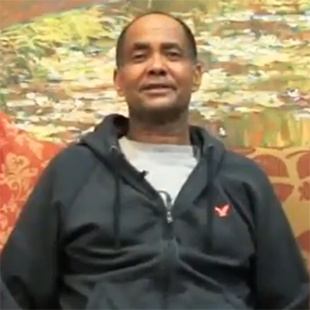
Mr. Hailu Kassa underwent Coronary Artery Bypass Surgery in Vejthani Hospital, Thailand under the supervision of Dr. Piya, Cardio-Thoracic Surgeon

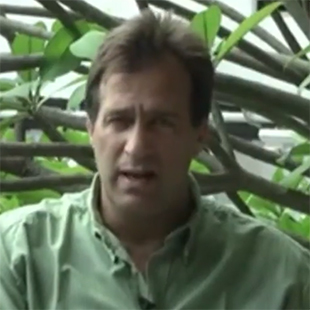
Patient Testimonial: Rod Schaubroeck from United States (U.S.A) underwent heart valve replacement at Fortis Hospital, India
A. On average, VSD Closure / Repair (Adult) in India costs about USD 4500. Many NABH, JCI certified hospitals in India offer VSD Closure / Repair (Adult).
A. The cost of VSD Closure / Repair (Adult) in India may differ from one medical facility to the other. The cost quoted by some of the best hospitals for VSD Closure / Repair (Adult) in India generally covers the pre-surgery investigations of the patient. The comprehensive VSD Closure / Repair (Adult) package cost includes the cost of investigations, surgery, medicines, and consumables. Extended hospital stay, complications after the surgery or new diagnosis may affect the overall cost of VSD Closure / Repair (Adult) in India.
A. A hole in the ventricular septum, the wall separating the heart's left and right ventricles, is a characteristic of a congenital cardiac abnormality known as a Ventricular Septal abnormality (VSD). The normal flow of blood through the heart and to the rest of the body is disrupted by this abnormality, which permits blood to flow irregularly between the ventricles.
A. About two hours will pass throughout the treatment. A tiny, flexible tube called a catheter is inserted into many groin blood vessels by the medical professional. There will be a little device within one of the catheters. The catheter is threaded by the healthcare professional to the ventricular septum within the blood vessel.
A. Depending on the severity of the Ventricular Septal Defect (VSD) and if it has resulted in any consequences or additional cardiac abnormalities, the symptoms of the defect can vary greatly in adults. Many persons with minor VSDs might not exhibit any symptoms and be unaware that they have the condition. When symptoms do appear, though, they may include:
A. Imaging investigations and clinical assessment are used in tandem to diagnose an adult patient with a Ventricular Septal Defect (VSD). This is a detailed flowchart of the diagnostic procedure:
A. The treatment options are as follows:
A. Indeed, there are risks and probable consequences associated with VSD (Ventricular Septal Defect) closure surgery, just like with any major surgical treatment. The following is a summary of possible risks related to VSD closure surgery:
A. The complexity of the Ventricular Septal Defect (VSD), the type of surgical method employed, the patient's general health, and any possible complications can all affect how long it takes to recover from VSD closure surgery. An overview of what to anticipate during the recuperation phase is as follows:
A. Many hospitals perform VSD Closure / Repair (Adult) in India. Some of the most renowned hospitals for VSD Closure / Repair (Adult) in India include the following:
A. After discharge from the hospital, the patient has to stay for another 21 days in the country for complete recovery. During this time, the patient undergoes medical tests and consultations. this is to ensure that the treatment was successful and the patient us safe to return.
A. One of the topmost destinations for VSD Closure / Repair (Adult) is India. It has a variety of accredited hospitals, affordable cost of treatment, and some of the best medical fraternity. Some of the other destinations that are popular for VSD Closure / Repair (Adult) include the following:
A. Apart from the cost of VSD Closure / Repair (Adult), the patient is also required to pay additionally for daily meals and guest house accommodation. These charges may vary starting from USD 25 per person.
A. Some of the best cities in India which offer VSD Closure / Repair (Adult) are:
A. After the VSD Closure / Repair (Adult) takes place, the average duration of stay at the hospital is about 3 days. During the recovery, the patient is carefully monitored and control tests are performed to see that everything is okay. If required, physiotherapy sessions are also planned during recovery in the hospital.
A. VSD Closure / Repair (Adult) hospitals in India have an overall rating of about 5.0. This rating is calculated based on different parameters such as the attitude of the nurses, cleanliness, quality of food, and the pricing policy.
A. Out of all the hospitals in India, there are about 38 best hospitals for VSD Closure / Repair (Adult). These hospitals are approved to perform the surgery and have the proper infrastructure to handle VSD Closure / Repair (Adult) patients.
The average VSD closure surgery cost in India generally is around $4,000 to $6,000. However, the price of the treatment usually depends upon your condition as well as the healthcare unit that you have chosen for your purpose.
A. In essence, only two factors generally affect the VSD closure surgery cost in India. The first one is the severity of the condition. If it isn’t that critical, then a considerably small operation would suffice for you. However, if it is a big and lengthy one, then the price might increase. The other one is the healthcare institution that you are opting for. Naturally, if you are opting for a top-notch institute, then you will have to pay a little bit more than usual.
A. The best surgeon in India for VSD closure surgery is Dr. N. Trehan (Medanta, the Medicity). However, Dr. M. Jothi (Indraprastha Apollo Hospital) and Dr. S. Chandra (BLK Super Specialty Hospital) are quite renowned in the market as well.
A. The best hospitals for VSD closure surgery in India are:
A. The success rate for VSD closure repair in India varies based on the healthcare facility you choose. On average, however, the success rate ranges from 92% to 95%, based on this high level of success.
Have your reports reviewed by independent oncology experts to help you make a confident treatment decision, all online within 48 hours.
Upload Your Reports

Baby Fatima Saleh Haliru, aged 3 years from Nigeria, was born with a Ventricular Septal Defect (VSD). During a routine health check-up, it was found that Baby Fatima Saleh Haliru has a ventricular septal defect (VSD).