Your Notifications
All done, no notifications

VSD Closure / Repair (Adult) Cost in Malaysia

Costs starts from USD10000 to USD15000
Filters

How Much Does VSD Closure / Repair (Adult) Cost in Malaysia?

The cost of VSD Closure / Repair (Adult) in Malaysia is USD 10000 - USD 15000

However, this cost can vary depending on several factors, including the type and severity of the condition, treatment techniques chosen, the healthcare facility's location and reputation, the treating professionals' experience and specialisation, and the patient's overall health status.

Additionally, factors like the duration of treatment, the need for follow-up care, and the use of advanced technologies or specialised treatments can further influence the overall cost.

Factors Influencing the Cost of VSD Closure/Repair:

Ventricular septal defect (VSD) is the most common congenital (present at birth) heart defect and frequently occurs in conjunction with other heart defects or problems. A small VSD is typically mild and has few or no symptoms, but a larger hole may need to be repaired to prevent permanent damage and complications.

A VSD is a hole or opening (defect) in the septum, the wall that divides the heart's two bottom chambers (ventricles).

The wall separating the chambers usually shuts before the fetus is born, preventing oxygen-rich blood from mingling with oxygen-poor blood at birth. If the hole doesn't seal, the body may receive less oxygen, or the heart may pump more blood.

Cost of VSD Closure / Repair (Adult) in Major Cities of Malaysia

CityMinimum Cost (USD)Minimum Cost (MYR)Maximum Cost (USD)Maximum Cost (MYR)
Kuala LumpurUSD 1000042400USD 1500063600

VSD Closure / Repair (Adult) Cost : A Global Comparison

CountryMinimum CostMinimum Local CurrencyMaximum CostMaximum Local Currency
IndiaUSD 4500INR 385380USD 5500INR 471020
LithuaniaUSD 10000LTL 34207USD 15000LTL 51310
MalaysiaUSD 10000MYR 42400USD 15000MYR 63600
MoroccoUSD 5000MAD 46150USD 12000MAD 110760
PolandUSD 5000PLN 18800USD 15000PLN 56400
Saudi ArabiaUSD 10000SAR 37500USD 20000SAR 75000
SingaporeUSD 20000SGD 25800USD 28000SGD 36120
SpainUSD 20000ESP 2940798USD 40000ESP 5881596
SwitzerlandUSD 30000CHF 24900USD 50000CHF 41500
ThailandUSD 10000THB 327100USD 13000THB 425230
Tunisiaget request
TurkeyUSD 9900TRY 386694USD 12100TRY 472626
United Arab EmiratesUSD 15000AED 55050USD 30000AED 110100
United Kingdomget request

Need Help Planning Your Treatment Abroad?

Your 24/7 AI Health Assistant

A ventricular septal defect, or VSD, is a condition where there is a hole in the wall between the two lower chambers of the heart, present from birth. It's the most common congenital heart defect and can occur alongside other heart issues. A small hole usually causes minor or no symptoms, but a larger one may require repair to prevent lasting damage and complications.

Ventricular septal defects (VSD) occur in around one-third of 1% of newborns, but it's less likely for adults to be diagnosed since the defect often closes naturally during childhood in 90% of cases. VSDs linked to heart attacks are exceptionally rare nowadays, with less than 1% of all heart attacks being associated with them, thanks to modern treatment methods.

The exact cause of ventricular septal defects (VSD) at birth remains unknown. However, it can be associated with other heart defects, heart conditions, or genetic disorders. The use of specific anti-seizure medications (sodium valproate and phenytoin) or alcohol consumption during pregnancy may potentially elevate the risk of a child developing VSD, although further research is needed to establish these as definite causes.

A rare known cause of VSD is its occurrence as a side effect of a heart attack.

Ventricular septal defects (VSD) come in four main types, each differing in location and hole structure:
  • Membranous: This is the most common, constituting about 80% of cases. It occurs in the upper part of the ventricular wall.
  • Muscular: Found in approximately 20% of VSD cases in infants, this type often involves multiple holes in the heart wall.
  • Inlet: Positioned just below the tricuspid valve in the right ventricle and the mitral valve in the left ventricle, blood passing through the ventricles must navigate this type of VSD.
  • Outlet (conoventricular): Creating a hole just before the pulmonary valve in the right ventricle and before the aortic valve in the left ventricle, this type connects the two chambers, requiring blood to pass through the VSD on its way through both valves.

Closure of VSD improves general heart function, reduces complications such as heart failure or pulmonary hypertension, decreases abnormal blood flow between the heart's ventricles, and facilitates normal child development and growth.

If your child or you have symptoms such as fatigue, poor growth or feeding, shortness of breath, frequent respiratory infections, or a heart murmur on physical exam, visit a doctor. Early identification and treatment improve results and reduce complications.

Physical exam, echocardiogram, chest X-ray, ECG, and possibly cardiac MRI or catheterisation are all components of the preparation process. Risks of anaesthesia, fasting orders, and current medications need to be addressed with patients (or parents). Preoperative counselling is provided, especially in children.

  • Surgical Closure: After open-heart surgery performed under general anaesthesia, a suture or patch is employed to close the defect.
  • Catheter-Based Closure: A minimally invasive procedure where a device is inserted into a blood vessel via a catheter.
  • Medical Management: Medication can be employed to manage symptoms in minor faults until they resolve spontaneously or further intervention is needed.

Surgical closure of a VSD usually takes 3–5 hours. The hospital stay is five to ten days. The hospital stay for catheter-based procedures is shorter, at one to two days.

  • Bleeding
  • Infection
  • Abnormal heartbeat
  • Insufficient closure, or residual shunt
  • Blockage of the heart

Closures of VSD allow children to grow normally, enhance the heart's efficiency, relieve symptoms, prevent heart and lung damage later in life, and reduce the necessity of lifelong medical treatment.

Rest, activity restrictions, echocardiogram, and, as needed, antibiotics or antiarrhythmics form the course of recovery. Children generally get back to their usual activities within several months.

Minimal recurrence occurs, and surgical and catheter-based closure is successful. Outcomes are excellent in the long term, particularly in patients who are managed early before they develop complications.Surgical success was 91.4%, and success with the VSD closure device was 92.3%. 14.3% of patients died in the hospital.

Would you like some help? We are available.

Get Help
Explore Hospitals ( 7 )
VSD Closure / Repair (Adult) in Prince Court Medical Centre: Costs, Top Doctors, and Reviews

Kuala Lumpur, Malaysia

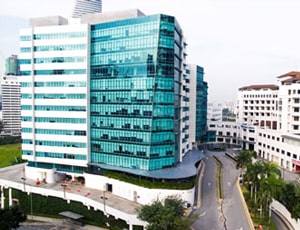
Prince Court is a private medical facility in the center of Kuala Lumpur that has 277 individual beds. Our dedication is to provide you with the best treatment possible from the time you arrive until you depart, healthier and happier. We are well-known for our top-notch facilities, cutting-edge technology, and friendly customer service.

VSD Closure / Repair (Adult) in Parkway Pantai: Costs, Top Doctors, and Reviews

Kuala Lumpur, Malaysia

  • Joint Commission International, or JCI

Parkway Pantai located in Kuala Lumpur, Malaysia is accredited by JCI. Also listed below are some of the most prominent infrastructural details:

  • Capacity of 335 beds
  • 200+ specialist Doctors
  • Critical Care Unit
  • Neonatal Intensive Care Unit
  • Operating Theatre
  • International Patient Care Center
  • Types of rooms available- Premier Suite, Supreme Suite, Deluxe Single Room, 2-bedded room, 4-bedded room, Deluxe Suite, Premier Single room, and Supreme Single room
VSD Closure / Repair (Adult) in Sunway Medical Centre: Costs, Top Doctors, and Reviews

Kuala Lumpur, Malaysia

  • The Australian Council on Healthcare Standards (ACHS)

Sunway Medical Centre has initiated a comprehensive expansion plan close to its current hospital facility to enhance its ability to provide services to the global market. The new Cancer Radiosurgery Center and Nuclear Medicine Center, which will also house additional Centers of Excellence like the Digestive Health Center and Dialysis Center, marked the completion of Tower C's first phase in October 2016.

VSD Closure / Repair (Adult) in ParkCity Medical Centre: Costs, Top Doctors, and Reviews

Kuala Lumpur, Malaysia

  • Joint Commission International, or JCI

In Kuala Lumpur, Malaysia, ParkCity Medical Centre is a 300-bed, cutting-edge, interdisciplinary private hospital that provides award-winning private healthcare in an environment of lush vegetation.

VSD Closure / Repair (Adult) in Subang Jaya Medical Centre: Costs, Top Doctors, and Reviews

Kuala Lumpur, Malaysia

  • Joint Commission International, or JCI

Subang Jaya Medical Center is renowned for pioneering radiation oncology treatments and infrastructure in Malaysia. The hospital also has a state-of-the-art Cancer Radiosurgery Centre (CRC), which is fully furnished with the latest medical technology for cancer detection, monitoring, and treatment.

VSD Closure / Repair (Adult) in Ara Damansara Medical Centre: Costs, Top Doctors, and Reviews

Kuala Lumpur, Malaysia

  • Joint Commission International, or JCI

Situated at the junction of Petaling Jaya and Shah Alam, close to the Oasis Ara, Ara Damansara Medical Centre boasts a serene, luxurious ambiance.

The Centre has been awarded several prestigious awards such as the Global Health Asia Pacific Awards 2023, Newsweek Best Specialized Hospital APAC 2023, Healthcare Asia Awards 2023, and Malaysian Healthcare Wellness Excellence.

VSD Closure / Repair (Adult) in Bukit Tinggi Medical Centre: Costs, Top Doctors, and Reviews

Kuala Lumpur, Malaysia

As a tertiary care hospital, Bukit Tinggi Medical Centre (BTMC) is committed to providing high-quality, reasonably priced healthcare.

With a focus on patient care and a team of committed medical professionals and personnel, we want to realize our ambition of becoming Klang's go-to healthcare provider. Orthopedics, neurosurgery, cardiac surgery, obstetrics and gynecology, pediatrics and rehabilitation, aesthetic surgery, and other specialties are all part of our multidisciplinary team approach. Additionally, BTMC has a Health Screening Center that provides a range of health packages to meet the requirements of diverse patient types.

Need Some Advice From Our Experts?

Request a Call Back Now!

Our team of healthcare experts would be happy to assist you

trusted Patientstrusted Patients+99
Trusted by 50000+ Patients
Required | alphabets and spaces
Required | A valid, working email address
Required | A valid contact

Process Involved for VSD Closure / Repair (Adult) in Malaysia

  • Evaluation & Preparatory Stage: It includes access to detailed history, diagnostic tests and cardiac hypertension evaluation, followed by pre-surgery preparation.
  • Procedure Stage: Catheter-based closure and surgical repair
  • Postoperative Stage: Intensive monitoring and pain & infection management
  • Rehabilitation & Follow-Up Care
  • Significant Left-to-Right Shunting
  • Heart Failure Symptoms
  • Pulmonary Hypertension
  • Endocarditis Risk
  • Progressive Heart Enlargement (LV Dilatation)
  • Patients with Symptoms of Heart Failure or Pulmonary Overload
  • Pulmonary Hypertension
  • Infective Endocarditis
  • Left Ventricular Enlargement
  • Mechanical Valves are composed of durable materials like Carbon and Titanium.
  • Biological Valves are composed of animal tissues like cow and pig.
  • Pulmonary Hypertension Management
  • Valve Repair or Replacement
  • Aneurysm Repair
  • Pacemaker Implantation
  • Coronary Artery Bypass Grafting (CABG)
  • Improves Heart Efficiency
  • Prevents Heart Failure
  • Reduces Pulmonary Hypertension Risk
  • Lowers Endocarditis Risk
  • Enhances Quality of Life & Longevity
  • Cardiac Surgeon
  • Interventional Cardiologist
  • Perfusionist
  • Cardiologist
  • Physiotherapist
  • Rehabilitation Specialists
  • Fill out the inquiry form: Fill out the form to provide us with the relevant information about your condition.
  • Consult with Our Healthcare Expert: One of our qualified specialists will contact you for a consultation.
  • Receive a Detailed Treatment Plan: After examining your situation, we will provide you with a detailed treatment plan that includes expert views and cost breakdowns for various choices.
  • Choose your preferred option: Choose the treatment option that suits you the best.

Instantly Connect with our VSD Closure / Repair (Adult) Specialists

Doctor 1
Doctor 2
Doctor 3
Doctor 4
Doctor 5
Doctor 6
Doctor 7
Doctor 8
Our Services to Better your Experience

Opinion & Option

We submit the most accurate opinion and options from one or more countries for your review

Consult Privately

Consult with a certified specialist privately on our telemedicine platform even before you decide to travel

Logistics

We handle flights, visas, transfers, and accommodation—so you can focus on your health.

Recovery

Our In-house rehabilitation service packages to better your recovery and treatment outcome

Other Popular Countries for VSD Closure / Repair (Adult)

Our network connects you with the leading medical tourism destinations globally, offering a wide range of cities, top doctors, and flexible pricing options.

Singapore
United Arab Emirates
United Kingdom
Vietnam

Conditions treated by VSD Closure / Repair (Adult)

Frequently Asked Questions

A. Surgery for a ventricular septal defect (VSD) is a type of cardiac surgery. It's done to fix a hole that is between the heart's left and right ventricles.

The opening between the lower heart chambers is closed by a surgeon using stitches or a patch. A chest incision and a heart-lung machine are necessary for this type of VSD surgery. catheterization process, Without requiring open heart surgery, some ventricular septal defects can be fixed with thin, flexible tubes called catheters.

A. While surgery for a ventricular septal defect is usually safe and very successful, there are risks associated with its complexity. some few risks involved, including:

  • Bleeding arrhythmias,
  • Infections
  • Valve issues
  • Blood clots
  • Surgical site problems
  • Risks of anesthesia
  • Pulmonary Hypertension
  • Residual VSD

A. Recovery from a VSD repair is dependent upon the technique used. Recovery periods after transcatheter procedures are shorter and are measured in days or weeks. Recovery periods following surgeries are lengthier and are represented in weeks or months. Usually, following surgery or transcatheter repairs, VSD symptoms improve or go entirely.

A. When a person reaches the age of six, almost 90% of VSDs close on their own. The majority of the 10% of VSDs that remain will close by the age of 20. A VSD is not going to collapse by itself after that, though. If an adult with a VSD does not get it repaired, they will have it for the rest of their days.

A. In addition, it lowers the risk of complications that could result from untreated VSDs, including pulmonary hypertension, infective endocarditis, and heart failure. A complete examination is carried out to determine the patient's general health and the physical characteristics of the VSD before the VSD closure surgery.

Here are some key benefits are mentioned below:

Symptoms of relief such as improved physical activity and reduction in heart failure

  • Prevention of Pulmonary Hypertension
  • Prevention of Endocarditisis
  • Improved Cardiac function
  • Prevention of Arrhythmias
  • Reduced risk of stroke
  • Improved lifestyle

A. The most appropriate individual to discuss the probable risks, complications, and side effects of a VSD or associated operations and therapies is generally your healthcare physician. This is especially valid for any prescription drugs that are suggested.

There are some side effects and complications mentioned below:

  • Bleeding.
  • Cardiac infections, especially during the first six months after surgery.
  • disruption of the closest heart valves, resulting in their leakage.
  • Arrhythmias and heart blocks are cardiac rhythm issues that may require a Pacemaker to be implanted or ongoing medication.
  • Procedure to close a persistent hole.

A. Around 90% of VSDs will resolve on their own by the time a child reaches the age of six. Most of the 10% of VSDs that are left will close by the age of 20. But after that, a VSD is unlikely to close by itself. Unless a treatment is performed to fix it, an adult with a VSD will have it for the rest of their life.

A. Ventricular septal defect is infrequent congenital heart disease, and in adults, its closure surgery is generally very successful with an excellent long-term prognosis, but the success rate can vary depending on several factors. These factors include the size and location of the defect, the presence of associated heart conditions, the presence of complications of the defect, overall health, and the timing of the procedure.

A. There are many best hospitals for VSD Closure / Repair (Adult) in Malaysia. The top hospitals for this treatment in Malaysia include the following:

  1. Parkway Pantai
  2. Subang Jaya Medical Centre
  3. Ara Damansara Medical Center
  4. ParkCity Medical Center
  5. Bukit Tinggi Medical Centre
  6. Prince Court Medical Centre

A. After VSD Closure / Repair (Adult) in Malaysia, the patient is supposed to stay in a guest house for another week or more days. During this time, the patient undergoes medical tests and consultations. this is to ensure that the treatment was successful and the patient is safe to return.

A. Apart from the VSD Closure / Repair (Adult) cost, the patient may have to pay for additional daily expenses such as for a guest house after discharge and meals. The per day extra expenses in Malaysia per person are about USD 100 per person.

A. Many cities offer VSD Closure / Repair (Adult) in Malaysia, including the following:

  • Kuala Lumpur
  • Subang Jaya
  • Shah Alam
  • Port Klang

A. After the VSD Closure / Repair (Adult) takes place, the average duration of stay at the hospital is about three days. The patient is subjected to several biochemical tests and radiological scans to see that everything is okay and the recovery is on track. After making sure that the patient is clinically stable, discharge is planned.

A. There are more than one hospitals that offer VSD Closure / Repair (Adult) in Malaysia. These clinics have proper facilities for the treatment of patients who require VSD Closure. These hospitals comply with all the rules and regulations as dictated by the regulatory bodies and medical associations in Malaysia.

Author

Dr. Abdullah Rahil

MPT (Neuro)

5 Years of Experience

Dr. Abdullah Rahil, M.P.T. (Neurology), is a dedicated physiotherapy professional specializing in orthopedic, neurological, and musculoskeletal rehabilitation. With strong clinical expertise, he focuses on improving patient mobility, reducing pain, and restoring functional independence through evidence-based rehabilitation techniques. He is skilled in advanced therapeutic approaches that support effective rehabilitation and recovery for a wide range of musculoskeletal and neurological conditions, focusing on improving mobility, reducing pain, and restoring functional independence. Dr. Rahil has extensive experience managing diverse rehabilitation cases. His patient-centered approach emphasizes personalized treatment plans, continuous assessment, and comprehensive rehabilitation to achieve optimal recovery outcomes. . View More

Reviewer

Dr. Naresh Kumar Goyal

Cardiologist

21 Years of Experience

Dr. Naresh Kumar Goyal is highly trained as a cardiologist with exposure in virtually all aspects of cardiology. He qualified with an MD in internal medicine in 1999 from SMS Medical College, Jaipur, and served in the Cardiology Department as an honorary resident. From this stage, he also started with training in the temporary pacing of the pacemaker as well as interventional services. View More