Disclaimer: Cost range is subject to change based on clinical evaluation.
Affordable World-class Treatment - Accredited Hospitals - Free Treatment Plan in 24 Hrs

Share your details to receive a personalised treatment plan, estimated costs, hospital recommendations, and expert guidance, “completely free.”
Your information is protected with HIPAA-compliant security standards. We only share your details with hospitals after your consent.
| City | Cost (USD) | |
|---|---|---|
| Bangalore | Starting $4.5k | Explore More |
| Chennai | Starting $4.5k | Explore More |
| Delhi | Starting $4.5k | Explore More |
| Faridabad | Starting $4.5k | Explore More |
| Ghaziabad | Starting $5k | Explore More |
| Gurgaon | Starting $4.5k | Explore More |
| Kochi | Starting $5k | Explore More |
| Mohali | Starting $4.5k | Explore More |
| Mumbai | Starting $4.5k | Explore More |
| Panjim | Starting $4.5k | Explore More |


Our dedicated Medical Patient Advisors are here to answer your questions, help you compare treatment options, estimate costs, and guide you through every step of your healthcare journey.
A ventricular septal defect, or VSD, is a condition where there is a hole in the wall between the two lower chambers of the heart, present from birth. It's the most common congenital heart defect and can occur alongside other heart issues. A small hole usually causes minor or no symptoms, but a larger one may require repair to prevent lasting damage and complications.
Ventricular septal defects (VSD) occur in around one-third of 1% of newborns, but it's less likely for adults to be diagnosed since the defect often closes naturally during childhood in 90% of cases. VSDs linked to heart attacks are exceptionally rare nowadays, with less than 1% of all heart attacks being associated with them, thanks to modern treatment methods.
The exact cause of ventricular septal defects (VSD) at birth remains unknown. However, it can be associated with other heart defects, heart conditions, or genetic disorders. The use of specific anti-seizure medications (sodium valproate and phenytoin) or alcohol consumption during pregnancy may potentially elevate the risk of a child developing VSD, although further research is needed to establish these as definite causes.
A rare known cause of VSD is its occurrence as a side effect of a heart attack.
Closure of VSD improves general heart function, reduces complications such as heart failure or pulmonary hypertension, decreases abnormal blood flow between the heart's ventricles, and facilitates normal child development and growth.
If your child or you have symptoms such as fatigue, poor growth or feeding, shortness of breath, frequent respiratory infections, or a heart murmur on physical exam, visit a doctor. Early identification and treatment improve results and reduce complications.
Physical exam, echocardiogram, chest X-ray, ECG, and possibly cardiac MRI or catheterisation are all components of the preparation process. Risks of anaesthesia, fasting orders, and current medications need to be addressed with patients (or parents). Preoperative counselling is provided, especially in children.
Surgical closure of a VSD usually takes 3\u20135 hours. The hospital stay is five to ten days. The hospital stay for catheter-based procedures is shorter, at one to two days.
Closures of VSD allow children to grow normally, enhance the heart's efficiency, relieve symptoms, prevent heart and lung damage later in life, and reduce the necessity of lifelong medical treatment.
Rest, activity restrictions, echocardiogram, and, as needed, antibiotics or antiarrhythmics form the course of recovery. Children generally get back to their usual activities within several months.
Minimal recurrence occurs, and surgical and catheter-based closure is successful. Outcomes are excellent in the long term, particularly in patients who are managed early before they develop complications.
Surgical success was 91.4%, and success with the VSD closure device was 92.3%. 14.3% of patients died in the hospital.
95–99%
Success rate for complete VSD closure in suitable adult patients3–7 days
Typical hospital staykey : 4–8 weeks
Return to normal daily activities depending on recoveryPanjim, India
Our experienced Medical Patient Advisors have supported 100,000+ patients across 120+ countries with personalised treatment plans, hospital recommendations, cost estimates, and travel assistance, all free.
✓ Free Consultation ✓ No Obligation ✓ Personalized Treatment Plan ✓ Response Within 24 Hours
Your medical info is kept HIPAA-style confidential. We never share with hospitals without your consent.

Opinion & Option
We submit the most accurate opinion and options from one or more countries for your review
Consult Privately
Consult with a certified specialist privately on our telemedicine platform even before you decide to travel
Logistics
We handle flights, visas, transfers, and accommodation—so you can focus on your health.
Recovery
Our In-house rehabilitation service packages to better your recovery and treatment outcome

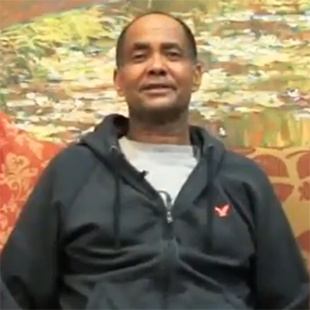
Mr. Hailu Kassa underwent Coronary Artery Bypass Surgery in Vejthani Hospital, Thailand under the supervision of Dr. Piya, Cardio-Thoracic Surgeon

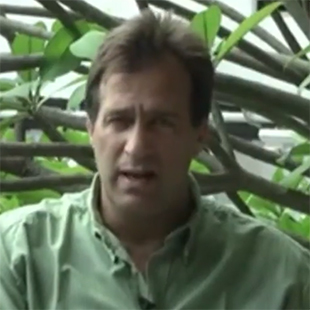
Patient Testimonial: Rod Schaubroeck from United States (U.S.A) underwent heart valve replacement at Fortis Hospital, India
Panjim is the capital of the state of Goa, located in India. The city is fast gaining popularity amongst medical travelers because of the low cost of healthcare offered here. Besides being known for its beaches, Panjim also has a lot to offer in terms of healthcare due to its pool of well-equipped hospitals and distinguished doctors. Some of the top treatments availed in Panjim include cosmetic surgery such as liposuction, tummy tuck, neurology surgery, cancer surgery, knee replacement, cardiac surgery, and dental work. These treatments are performed according to international standards in the hospitals of Panjim. Also, the availability of English-speaking medical staff at the hospitals makes it convenient for international patients to receive treatment. Panjim has well-trained doctors who focus on providing personalized and high-quality care to patients.
The hospitals in Panjim are well-recognized and have state-of-the-art infrastructure for delivering excellent patient care. Some of the top hospitals in Panjim are:
The doctors in Panjim are board-certified, qualified, and experienced professionals who have expertise in providing the latest treatments. Some of the top doctors in Panjim are:
You can reach Panjim by air, road, or rail. The nearest international airport to Panjim is the Dabolim Airport. If you wish to avail treatment in Panjim then we can assist in planning your medical travel.
Get your medical reports reviewed by experienced doctors to help you make a confident treatment decision, all online within 48 hours.
Upload Your Reports