Your Notifications
All done, no notifications

Coronary Artery Bypass Grafting (CABG) Cost in India

USD 5000 - USD 6000

Affordable World-class Treatment - Accredited Hospitals - Free Treatment Plan in 24 Hrs

5
Days in Hospital
3-6 hrs
Procedure Time
95 - 98%
Success Rate
Coronary Artery Bypass Grafting Cost
JCI/ISO 100,000+ Patients 24X7 Coordinator Visa & Travel handled
Your all-in-one medical travel platform for treatment, recovery & care.

Get Your Personalised Treatment Plan in Just 24 Hours.

Share your details to receive a personalised treatment plan, estimated costs, hospital recommendations, and expert guidance, “completely free.”

Required | alphabets and spaces
Required | A valid, working email address
Required | A valid contact
Connect with an Expert

Your information is protected with HIPAA-compliant security standards. We only share your details with hospitals after your consent.

Estimated Treatment Cost
USD 5000 - USD 6000
All-inclusive • Hospital + Medications + Recovery Assistance + Dedicated Care Coordinator

International Quality. Affordable Care.

How Much Does CABG Cost in India?

The cost of a CABG in India typically ranges between USD 5000 - USD 6000. However, this cost can vary depending on several factors, including the type and severity of the condition, treatment techniques chosen, the healthcare facility's location and reputation, the treating professionals' experience and specialization, and the patient's overall health status.

Additionally, factors like the duration of treatment, the need for follow-up care, and the use of advanced technologies or specialized treatments can further influence the overall cost.

Factors Influencing the Cost of CABG:

  • Type of Treatment: Traditional (Open-heart) CABG, Minimally Invasive CABG, Off-Pump CABG (Beating Heart Surgery), and Endoscopic CABG (Keyhole Surgery)
  • Hospital and Location: This is equivocal because of the increased overhead cost that accompanies operations in large cities or urban areas compared to the countryside. It often costs more to stay in a private hospital or clinic.
  • Surgeon’s Expertise: Very experienced or specialized surgeons, particularly those acknowledged as regional or international experts, may well be more expensive than the average.
  • Pre-treatment tests: clinical investigations, mainly including imaging studies, blood tests, endoscopic examinations, and heart, lung, and kidney function tests. The performance of these tests enables the assessment of the general well-being of the patient and the possibility of surgery. These tests include X-ray, MRI, and CT.
  • Post-Surgical Care: In addition to the price, the costs of aftercare, such as hospitalization, physiotherapy, anesthesia and pain medication, follow-up visits, and possible complications, will also be included.
  • Length of Hospital Stay: Complex surgeries or complications may increase hospitalization costs.

CABG (Coronary Artery Bypass Grafting) is a surgical intervention carried out in the treatment of coronary artery disease (CAD) involving constriction of the coronary arteries by plaque (atherosclerosis). This blockage reduces the supply of blood to the heart muscle, resulting in chest pain (angina) or chances of a heart muscle attack. CABG is designed to reestablish blood supply to the heart using new routes or what we commonly know as bypasses.

Like other surgeries, CABG has certain risks which include: infection of the surgical site, excessive bleeding, formation of blood clots, a stroke, and/or heart attack. However, CABG is usually very effective in treating the symptoms of CAD, heart function, and, therefore, the quality of life in patients.CABG enhances the blood supply to the heart, relieves symptoms such as chest pain, and increases the life span of the patient with severe CAD disease.

What's included in your Coronary Artery Bypass Grafting (CABG) quote?

Coronary Artery Bypass Grafting (CABG)
Open-heart surgery to bypass blocked coronary arteries and restore blood flow to the heart
Cardiac surgeon consultation
Pre-surgery evaluation, treatment planning, and follow-up consultations
Hospital stay & supportive care
Surgery, anaesthesia, ICU/ward care, nursing support, and recovery monitoring
Follow-up monitoring
ECG, cardiac assessment, wound care, and routine follow-up visits
Visa & medical-visa invite letter
Airport pickup & transfers

Cost of Coronary Artery Bypass Grafting (CABG) in Major Cities of India

City Cost (USD)
Ahmedabad $4,500 – $5,400 Explore More
Bangalore $5,000 – $6,000 Explore More
Calicut $4,000 – $4,800 Explore More
Chennai $5,000 – $6,000 Explore More
Delhi $5,000 – $6,000 Explore More
Delhi / NCR $4,000 – $4,800 Explore More
Faridabad $5,000 – $6,000 Explore More
Ghaziabad $5,000 – $6,000 Explore More
Gurgaon $5,000 – $6,000 Explore More
Gurugram $5,000 – $6,000 Explore More
Hyderabad $5,000 – $6,000 Explore More
Kochi $5,000 – $6,000 Explore More
Kolkata $5,000 – $6,000 Explore More
Mohali $4,500 – $5,400 Explore More
Mumbai $5,000 – $6,000 Explore More
Noida $5,000 – $6,000 Explore More
Panjim $4,500 – $5,400 Explore More
Pune $4,500 – $5,400 Explore More

Cabg - India Vs the World

$0 - $0
$5k - $6k
$5k - $14k
$8k - $20k
$10k - $20k
$12k - $25k
$18k - $25k
$20k - $35k
$22k - $38k
$25k - $45k
$33k - $37k
$40k - $55k
$70k - $200k

Find the Right Destination for Your Coronary Artery Bypass Grafting (CABG) Journey

Alvina Hasan
Author

M.Pharm

2 Year of Experience

Last Reviewed - June 2026

Alvina Hasan is a dedicated medical researcher and scientific writer with a strong foundation in pharmaceutical sciences. She holds a B.Pharm from Jamia Hamdard University and an M.Pharm in Quality Assurance from DIPSAR University.

With deep medical expertise and a strong interest in healthcare communication, she focuses on transforming complex clinical and scientific information into clear, engaging, and easy-to-understand narratives. She develops insightful healthcare articles and research-driven content designed to support both medical professionals and patients, helping bridge the gap between advanced medical knowledge and practical understanding.

Readers can explore her published research and articles here:

https://carcinogenesis.com/index.php/JOC/article/view/868

https://carcinogenesis.com/index.php/JOC/article/view/870

View More
Dr. Naresh Kumar Goyal
Reviewer

Cardiologist

21 Years of Experience

Last Reviewed - June 2026

Dr. Naresh Kumar Goyal is highly trained as a cardiologist with exposure in virtually all aspects of cardiology. He qualified with an MD in internal medicine in 1999 from SMS Medical College, Jaipur, and served in the Cardiology Department as an honorary resident. From this stage, he also started with training in the temporary pacing of the pacemaker as well as interventional services.
View More

Need Help Choosing the Right Treatment? Talk to a Medical Advisor

Our dedicated Medical Patient Advisors are here to answer your questions, help you compare treatment options, estimate costs, and guide you through every step of your healthcare journey.

15 min
Average response time

Serving Patients Worldwide in Multiple Languages.

Coronary artery bypass grafting (CABG) is an open-heart surgery to improve blood flow to the heart. The procedure involves taking a healthy artery or vein from another part of the body and using it to bypass a blocked coronary artery. This complex yet common surgery helps restore proper blood supply to the heart muscle.

Why CABG is performed?

Coronary artery bypass surgery is performed to restore blood flow around blocked heart arteries, often recommended in cases where other immediate treatments have proven ineffective, especially during a heart attack. Your healthcare provider might suggest this procedure if you have:

  • Blockage in the left main heart artery, which supplies a significant amount of blood to the heart muscle.
  • Severe narrowing of the main heart artery.
  • Severe chest pain occurs due to the narrowing of multiple heart arteries, leading to reduced blood flow even during mild physical activity or while at rest.
  • More than one diseased heart artery, coupled with poor function of the lower left heart chamber.
  • A blocked heart artery is unsuitable for treatment with coronary angioplasty, a less invasive procedure using a balloon-tipped catheter to widen the artery, often supplemented with a stent to maintain openness.
  • Unsuccessful angioplasty, with or without stent insertion, where the artery narrows again after treatment.

CABG is performed to treat severe coronary artery disease, in which arteries are narrowed or blocked while supplying the heart. It improves blood flow through these arteries while reducing chest pain, potentially reducing the chances of a heart attack for the patient. It also enhances the survival of some patients.

If you have chest pain, feel shortness of breath, get fatigued upon exertion, or the medicines seem not to be controlling your heart disease, it is time to see a doctor. CABG would be recommended in most situations following abnormal stress tests, angiograms, or heart attacks.

Preoperative tests will include an ECG, an echocardiogram, and a coronary angiography. You will be required to stop smoking, adjust medications, fast before the surgery, and work on arrangements for support at home during your recovery.

The surgeon uses healthy blood vessels (often from the leg or chest) to bypass blocked coronary arteries. Sometimes during this procedure, the heart is stopped, and a heart-lung machine supports blood circulation and oxygenation. Other times, the procedure may be done on-pump or off-pump with the heart beating.

CABG usually lasts 3 to 6 hours; the more arterial grafts and the patient's condition, the longer it will take.

  • Bleeding
  • Infection
  • Stroke
  • Heart rhythm problems
  • Kidney dysfunction
  • Graft failure

CABG improves coronary blood flow into the heart, relieving angina, improving tolerance to exercise, and grossly increasing life expectancy in situations of multiple blocked coronary arteries or diabetes.

Stay in an ICU after surgery for 1 or 2 days, followed by a week-long hospital stay. You are looking at 6 to 12 weeks for complete recovery, and this is where cardiac rehabilitation comes in to rebuild strength and protect against further heart-related issues.

The good news is that the CABG has an over 95% success rate in most cases. Long-term success, however, rides on lifestyle changes, the unwillingness to stop medications, and controlling the risk factors such as high blood pressure and cholesterol.

95–98%

Success rate for CABG surgery in suitable candidates

5–7 days

Typical hospital stay

6–12 weeks

Return to normal daily activities depending on recovery and cardiac rehabilitation
Explore Hospitals ( 72 )

Noida, India

289+ Beds · 218+ Procedures
NABL NABH ISO
Starting
USD 5280

Noida, India

1200+ Beds · 197+ Procedures
NABH
Starting
USD 3850

Mohali, India

276+ Beds · 218+ Procedures
JCI NABH
Starting
USD 7000

Delhi, India

4.8 - 2 reviews · 162+ Beds · 204+ Procedures
NABH
Starting
USD 5290

Faridabad, India

425+ Beds · 275+ Procedures
NABL NABH
Starting
USD 6000

Mumbai, India

315+ Beds · 258+ Procedures
JCI NABH
Starting
USD 4500

Gurgaon, India

3.5 - 3 reviews · 311+ Beds · 274+ Procedures
JCI NABH NABL
Starting
USD 5270

Delhi, India

539+ Beds · 305+ Procedures
JCI NABH
Starting
USD 5000

Bangalore, India

280+ Beds · 271+ Procedures
NABL NABH
Starting
USD 6000

Delhi, India

100+ Beds · 168+ Procedures
NABH NABL
Starting
USD 5110

Get Your Coronary Artery Bypass Grafting (CABG)
Plan in 24 hrs.

Our experienced Medical Patient Advisors have supported 100,000+ patients across 120+ countries with personalised treatment plans, hospital recommendations, cost estimates, and travel assistance, all free.

HIPAA-Compliant Data SecurityShared Only with Your Consent

Free Consultation No Obligation Personalized Treatment Plan Response Within 24 Hours

Required | alphabets and spaces
Required | A valid, working email address
Required | A valid contact

Your medical info is kept HIPAA-style confidential. We never share with hospitals without your consent.

Process Involved for Coronary Artery Bypass Grafting (CABG) in India

  • Pre-Surgery Evaluation & Preparation: ECG, echocardiogram, coronary angiography, blood tests, medical adjustments.
  • Anesthesia & Surgical Incision
  • Graft Harvesting & Placement
  • Weaning from Bypass and Closure: If needed, a heart-lung machine is utilised
  • Post-Surgery Recovery & Rehabilitation: ICU monitoring, gradual rehabilitation, lifestyle modifications.
  • Coronary Artery Disease (CAD)
  • Multi-Vessel Disease
  • Left Main Coronary Artery Disease
  • Severe Angina (Chest Pain)
  • Post-Heart Attack Blockages
  • Single Bypass
  • Double Bypass
  • Triple Bypass
  • Quadruple Bypass
  • Quintuple Bypass
  • Severe Coronary Blockages
  • Failed Angioplasty or Stent
  • Severe Angina or Heart Failure
  • Emergency Heart Attack Cases
  • Diabetic Patients with Complex CAD
  • Coronary Angiography
  • Heart-Lung Bypass (Cardiopulmonary Bypass)
  • Endoscopic Vessel Harvesting (EVH)
  • Valve Repair or Replacement
  • Pacemaker or ICD Implantation
  • Restores Blood Flow
  • Relieves Chest Pain (Angina)
  • Prevents Heart Attack
  • Improves Heart Function
  • Long-Term Survival & Health
  • Cardiac Surgeon
  • Cardiologist
  • Fill out the inquiry form: Fill out the form to provide us with the relevant information about your condition.
  • Consult with Our Healthcare Expert: One of our qualified specialists will contact you for a consultation.
  • Receive a Detailed Treatment Plan : After examining your situation, we will provide you with a detailed treatment plan that includes expert views and cost breakdowns for various choices.
  • Choose your preferred option: Choose the treatment option that suits you the best.
Jenny Wilson
Your Dedicated Medical Patient Advisor
Treatment planning • Hospital coordination • Multilingual support • Response within 15 minutes.
Our Services to Better your Experience

Opinion & Option

We submit the most accurate opinion and options from one or more countries for your review

Consult Privately

Consult with a certified specialist privately on our telemedicine platform even before you decide to travel

Logistics

We handle flights, visas, transfers, and accommodation—so you can focus on your health.

Recovery

Our In-house rehabilitation service packages to better your recovery and treatment outcome

Patient Stories

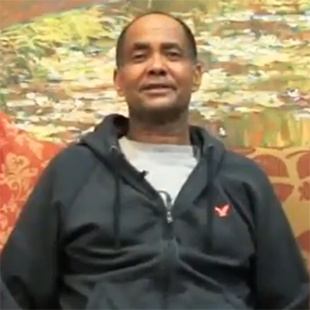
Mr Hailu Kassa : CABG Surgery
Mr Hailu Kassa
Mr Hailu Kassa : CABG Surgery

Mr. Hailu Kassa underwent Coronary Artery Bypass Surgery in Vejthani Hospital, Thailand under the supervision of Dr. Piya, Cardio-Thoracic Surgeon

Mahdi Mohammed
Mahdi Mohammed
Mahdi Mohammed’s Robotic Heart Surgery Journey

Conditions treated by Coronary Artery Bypass Grafting (CABG)

Frequently Asked Questions

A. The cost of Coronary Artery Bypass Grafting (CABG) in India starts from USD 5000. In India, Coronary Artery Bypass Grafting (CABG) is conducted across many multispecialty hospitals.

A. The cost of Coronary Artery Bypass Grafting (CABG) in India may differ from one medical facility to the other. The CABG package cost usually includes all the expenses related to the pre and post-surgery expenses of the patient. The CABG cost in India includes the cost of anesthesia, medicines, hospitalization, and the surgeon's fee. Extended hospital stay, complications after the surgery, or new diagnosis may affect the overall cost of Coronary Artery Bypass Grafting (CABG) in India.

A. Making the complex decision of whether Coronary Artery Bypass Grafting (CABG) surgery is appropriate for you should be done so in consultation with your healthcare provider. The following important factors may help you decide if CABG is the right course of treatment for you:

  • Severity of Blockages: Patients with severe coronary artery blockages that are causing symptoms and impairing heart function are usually advised to undergo CABG. The usual method for evaluating this is coronary angiography.
  • Medication and Lifestyle Adjustments: If you have not reacted favorably to medication, lifestyle adjustments, or other minimally invasive treatments like angioplasty and stenting.
  • Heart Failure or Reduced Function: If symptoms such as dyspnea or decreased exercise tolerance are a result of your heart's function being impaired by clogged arteries, you may have heart failure.

A. Yes, to make sure you are in the best possible condition for the treatment, several pre-operative tests and evaluations are usually necessary before undergoing Coronary Artery Bypass Grafting (CABG) surgery. The tests assist in determining potential risks as well as your general health and the condition of your heart and other organs. It consists of:

  1. To screen for anemia, infections, or other blood-related problems, a complete blood count (CBC) is performed.
  2. Tests for electrolytes, liver function, and renal function (creatinine) are included in the blood chemistry panel.
  3. Coagulation tests: These include the Prothrombin Time (PT) and International Normalized Ratio (INR) tests, which measure how well your blood clots.
  4. Electrocardiogram (ECG or EKG): To assess the electrical activity of your heart and detect any arrhythmias or past myocardial infarctions.
  5. Cardiac Stress Test: Usually carried out to determine how your heart reacts to physical stress or stress brought on by medicine, this test provides data on blood flow and heart function.
  6. An echocardiogram is a diagnostic procedure that uses ultrasonography to produce images of the heart's anatomy and function, including the valves and chambers.
  7. Coronary angiography is a specific type of X-ray that's utilized to see the coronary arteries and identify the location and severity of blockages.
  8. Lung Function Tests: To evaluate your ability to breathe and how well your lungs work, which is crucial for anesthesia and your general healing.
  9. Diabetes Management: Your blood sugar levels will be assessed and controlled if you have diabetes.
  10. Renal Function Tests: To make sure your kidneys functioning properly, particularly if you have a history of renal disorders.

A. The length of recovery following Coronary Artery Bypass Grafting (CABG) surgery can vary based on multiple factors, such as the overall health of the patient, the intricacy of the procedure, and the existence of any problems. It includes:

  • Duration: After CABG surgery, most patients stay in the hospital for four to seven days, though this can vary. The patient's rate of recovery and the occurrence of problems will determine how long they need to stay.
  • Initial Recovery: The goals of early recovery include controlling discomfort, keeping an eye on vital signs, and making sure the heart and lungs are functioning normally. You'll start with simple tasks like sitting up and walking with support.
  • Pain and Discomfort: You can feel some pain and discomfort, especially in the chest and around the incision sites.
  • Activity Restrictions: You must refrain from heavy lifting, vigorous exercise, and some chest-stiffling motions. Short walks and easy activities are recommended to help in the healing process.
  • Physical Activity: In six to eight weeks, the majority of patients can resume their regular activities, including modest exercise. It's crucial to heed your doctor's advice when it comes to picking up particular activities again.
  • Cardiac Rehabilitation: To aid in recovery and enhance cardiovascular health, several patients start a cardiac rehabilitation program. This program consists of counseling, education, and supervised exercise.
  • Follow-Up Appointments: Your cardiologist or surgeon will schedule routine follow-up visits to assess your progress, treat any lingering symptoms, and make any necessary medication adjustments.
  • Complete Recovery: Within three to six months, many patients see significant changes in their symptoms and overall quality of life.

A. While very efficient in treating severe coronary artery disease, coronary artery bypass grafting (CABG) surgery is not without risk and potential consequences. You may make an informed decision and be ready for the surgery by being aware of these dangers.

  1. Bleeding: During or after surgery, there is a chance of bleeding. Blood loss is constantly monitored by surgeons, who may administer blood transfusions as required.
  2. Infection: Infections can happen inside the chest cavity or at the surgical site. This danger is reduced by using appropriate sterile methods and post-operative care.
  3. Arrhythmias: After CABG, abnormal cardiac rhythms like atrial fibrillation are prevalent and may need to be treated.
  4. Heart Attack or Stroke: Due to blood clots or other complications, there is a minor potential for experiencing a heart attack or stroke during or soon after surgery.
  5. Blood Clots: Deep vein thrombosis (DVT) and pulmonary embolism (PE) are two conditions where blood clots can occur. This risk is decreased by using preventive measures like blood thinners and early mobilization.
  6. Scarring: The chest wall and heart function may be impacted by internal and exterior surgical scarring.

A. The length of hospitalization following Coronary Artery Bypass Grafting (CABG) surgery in India may differ based on multiple factors, such as your general health, surgical complexity, and rate of recovery.

  • Average Stay: Following CABG surgery, most patients spend four to seven days in the hospital. This period enables careful observation, pain control, and early recovery.
  • Surgical Complexity: Recovery time may be impacted by the intricacy of the CABG treatment and the number of bypasses carried out. Extended stays may be required for more complicated surgeries.
  • Complications: You may need to stay longer in the hospital if complications, including infections, bleeding, or problems with heart function, occur during or after surgery.

When your health stabilizes and you can perform daily tasks with little help, you'll be released from the hospital. Your medical team will assess your discharge preparedness based on how effectively you are recovering.

A. There are various stages to the healing process following Coronary Artery Bypass Grafting (CABG) surgery, and knowing what to anticipate will help you plan and take charge of your recuperation. The average recovery time after minimally invasive surgery is 2 – 4 weeks; while the average recovery time after traditional surgery is 6 – 8 weeks.

An outline of recovery expectations is provided below:

  1. Hospital Stay: Usually 4–7 days, including a 1- to 2-day stay in the intensive care unit (ICU) for vigilant observation.
  2. Vital Signs: To guarantee stability, heart rate, blood pressure, and other vital signs are continuously monitored.
  3. Wound Care: To avoid infections and track recovery, surgical wounds should receive routine inspections and care.
  4. Pain management: Keep taking the recommended painkillers as needed. The discomfort should lessen with time.
  5. Exercise and Diet: Begin incorporating mild exercise into your routine and stick to a heart-healthy diet. To aid in recuperation, your healthcare practitioner could suggest particular food adjustments and physical activity.
  6. Frequent Check-Ups: Keep track of your progress, modify your prescription, and talk about any concerns or symptoms during all planned follow-up appointments.
  7. Continuous Improvement: After six to twelve months, the majority of patients feel noticeably better and can resume their regular activities. It could take up to a year to fully recover, which includes returning to all regular activities and reaching ideal cardiac function.
  8. Manage Risk Factors: Make efforts to control risk factors such as diabetes, high blood pressure, and cholesterol by making lifestyle adjustments and taking medication.
  9. Seek Assistance: Psychological and emotional assistance might be very important. Never be afraid to ask for assistance if you're feeling depressed or anxious.

A. There are about 59 Coronary Artery Bypass Grafting (CABG) hospitals in India that are best known for their services. Apart from good services, the hospitals are known to follow all standard and legal guidelines as dictated by the local medical affairs body or organization. For quick reference, the following are some of the leading hospitals for Coronary Artery Bypass Grafting (CABG) in India:

A. After discharge from the hospital, the patient has to stay for another 21 days in the country for complete recovery. During this time, the patient undergoes medical tests and consultations. this is to ensure that the treatment was successful and the patient is safe to return.

A. One of the topmost destinations for Coronary Artery Bypass Grafting (CABG) is India. It has a variety of accredited hospitals, affordable cost of treatment, and some of the best medical fraternity. Some of the other destinations that are popular for Coronary Artery Bypass Grafting (CABG) include the following:

  1. Israel
  2. Saudi Arabia
  3. United Arab Emirates
  4. Thailand
  5. Lithuania
  6. South Korea
  7. Spain
  8. Tunisia
  9. Hungary

A. There are certain expenses additional to the Coronary Artery Bypass Grafting (CABG) cost that the patient may have to pay for. These are the charges for daily meals and hotel stays outside the hospital. The extra charges may vary averaging around USD 25.

A. Coronary Artery Bypass Grafting (CABG) in India is offered in almost all metropolitan cities, including the following:

A. The patient is supposed to stay at the hospital for about 5 days after Coronary Artery Bypass Grafting (CABG) for monitoring and care. The doctor's team reviews the patient's recovery during this time with the help of blood tests and imaging scans. Once they feel that everything is on track, the patient is discharged.

A. The overall rating for hospitals providing Coronary Artery Bypass Grafting (CABG) in India is 5.0. Several parameters such as hospital infrastructure, pricing policy, quality of services, politeness of staff, etc. contribute to the rating.

A. Bypass surgery in India, also known as coronary artery bypass grafting (CABG), is conducted on patients with severe coronary heart disease (CHD) or coronary artery disease (CAD). The surgery is conducted to improve the flow of blood to the cardiac muscles. The area of obstruction is bypassed to restore normal blood flow. There are many reasons why one should prefer to undergo heart surgery in India. Some of these reasons include the following:

  1. Internationally accredited hospitals
  2. Highly experienced cardiothoracic vascular surgeons (CTVS)
  3. Availability of the latest technology and techniques to conduct heart surgery
  4. Minimally invasive heart surgery
  5. State-of-the-art facilities
  6. Experienced and skilled supporting staff
  7. Reasonable cost
  8. Conducive environment for recovery

Bypass surgery in India is popular across the world. Each year, many patients from the Middle East, African countries, and Asian countries travel to India to get the surgery done. Some of the best cardiologists in India are globally renowned for their skills and experience in the field and hold a great success record.

A. Many internationally accredited hospitals conduct bypass surgery in India. Some of these hospitals are located in the top cities for bypass surgery in India, including Delhi, Mumbai, Chennai, Pune, Hyderabad, and Bangalore. Some of the best hospitals for CABG in India include the following:

A. The best cardiologists in India are globally renowned for their skills, experience, and success rates. A majority of cardiac surgeons in India are trained and educated at some of the premier medical institutes in the world. They attend conferences, seminars, and training around the year to keep themselves updated on the changing and latest technology in the field of cardiac treatment. Some of the best heart surgeons in India include the following:

  1. Dr. GK Mani, Max Superspecialty Hospital, New Delhi
  2. Dr. Naresh Trehan, Medanta The Medicity, Gurugram
  3. Dr. Suresh Joshi, Wockhardt Hospital, Mumbai
  4. Dr. Devi Prasad Shetty, Narayana Institute of Cardiac Sciences, Bengaluru
  5. Dr. B Bhaskar Rao, KIMS, Hyderabad
  6. Dr. Manoj Agny, Columbia Asia Referral Hospital, Bengaluru
  7. Dr. Purshottam Lal, Metro Hospital, Noida

A. The success rate of CABG in India is one of the best in the world. The current success rate of CABG is estimated to be around more than 95 percent in India. The high CABG success rate in India can be attributed to the quality of treatment and the skills and expertise of the performing surgeons. India is renowned for its brigade of cardiac surgeons, a majority of whom are trained from abroad. They remain abreast of the latest technology in the world of cardiac treatment. However, how successful bypass surgery will depend on several factors, including the following:

  • How efficiently it was conducted
  • The overall health of the patient
  • Complications involved
  • Post-surgical risks

All in all, a cardiac bypass is a safe procedure. However, the experience and skills of the surgeon performing the surgery play a main role in its success.

Not Sure About Your Treatment Plan? Get a Free Second Opinion

Have your reports reviewed by independent oncology experts to help you make a confident treatment decision, all online within 48 hours.

Upload Your Reports
Free second opinion on your CAR-T plan

Get Insight with our Blogs

7 Reasons Russian Patients Choose India for CABG Surgery
Cardiology

7 Reasons Russian Patients Choose India for CABG Surgery

Every year, tens of thousands of Russian patient’s board flights to Delhi, Mumbai, Chennai, and Bengaluru - not for holidays, but for their hearts. Coronary Artery Bypass Grafting (CABG),

Published: 09 Jul, 2026
Updated: 10 Jul, 2026