Your Notifications
All done, no notifications

Atrial Septal Defect (ASD) Repair Cost in India

Costs starts from USD4200 to USD5700
Filters

How Much Does Atrial Septal Defect (ASD) Cost in India?

The cost of an Atrial Septal Defect (ASD) in India typically ranges between USD 4200 - USD 5700. However, this cost can vary depending on several factors, including the type and severity of the condition, treatment techniques chosen, the healthcare facility's location and reputation, the treating professionals' experience and specialization, and the patient's overall health status.

Additionally, factors like the duration of treatment, the need for follow-up care, and the use of advanced technologies or specialized treatments can further influence the overall cost.

Factors Influencing the Cost of Atrial Septal Defect (ASD):

An atrial septal defect is an opening in the muscular divider (septum) that separates two upper chambers of the heart (atria). The hole can be large or small and may even close without the need for surgical intervention. During fetal development in pregnancy, several foramen in the wall occur in the developing heart, in the atria.

It has been estimated that in adults who seek medical attention, an atrial septal defect does not shorten their life expectancy if the condition is treated. Nevertheless, if these conditions are not controlled, statistics show that you may live fewer years since you are more prone to heart failure or stroke.

Cost of Atrial Septal Defect (ASD) Repair in Major Cities of India

CityMinimum Cost (USD)Minimum Cost (INR)Maximum Cost (USD)Maximum Cost (INR)
AhmedabadUSD 3780323719USD 5130439333
BangaloreUSD 4200359688USD 5700488148
ChennaiUSD 4200359688USD 5700488148
DelhiUSD 4200359688USD 5700488148
Delhi NcrUSD 4200359688USD 5700488148
FaridabadUSD 4200359688USD 5700488148
GhaziabadUSD 4200359688USD 5700488148
GurgaonUSD 4200359688USD 5700488148
GurugramUSD 4200359688USD 5700488148
HyderabadUSD 4200359688USD 5700488148
KochiUSD 4200359688USD 5700488148
KolkataUSD 4200359688USD 5700488148
MohaliUSD 3780323719USD 5130439333
MumbaiUSD 4200359688USD 5700488148
NoidaUSD 4200359688USD 5700488148
PuneUSD 3780323719USD 5130439333

Atrial Septal Defect (ASD) Repair Cost : A Global Comparison

CountryMinimum CostMinimum Local CurrencyMaximum CostMaximum Local Currency
CzechiaUSD 8000CZK 176160USD 20000CZK 440400
HungaryUSD 10000HUF 3570800USD 20000HUF 7141600
IndiaUSD 4200INR 359688USD 5700INR 488148
IsraelUSD 5744ILS 20334USD 13347ILS 47248
LithuaniaUSD 10000LTL 34207USD 20000LTL 68414
MalaysiaUSD 5000MYR 21200USD 10000MYR 42400
MoroccoUSD 5000MAD 46150USD 10000MAD 92300
PolandUSD 5000PLN 18800USD 15000PLN 56400
Saudi ArabiaUSD 10000SAR 37500USD 20000SAR 75000
SingaporeUSD 8000SGD 10320USD 20000SGD 25800
South AfricaUSD 10000ZAR 179700USD 20000ZAR 359400
South KoreaUSD 10000KRW 13759800USD 25000KRW 34399500
SpainUSD 3500ESP 514640USD 5500ESP 808719
SwitzerlandUSD 15000CHF 12450USD 30000CHF 24900
ThailandUSD 12000THB 392520USD 15500THB 507005
TunisiaUSD 5000TND 14900USD 10000TND 29800
TurkeyUSD 7200TRY 281232USD 8800TRY 343728
United Arab EmiratesUSD 11400AED 41838USD 20978AED 76989
United Kingdomget request

Need Help Planning Your Treatment Abroad?

Your 24/7 AI Health Assistant

Atrial Septal Defect is a congenital heart defect in which there is a hole in the wall (septum) between the upper chambers of the heart (atria). This hole allows blood to flow between the atria, which leads to increased blood flow to the lungs. While small ASDs may not cause any significant concerns, whereas larger ones may require medical attention, such as surgical repair, to prevent complications.

The main reason for atrial septal defects remains elusive, manifesting as an alteration in the heart's structure during fetal development. The intricate process of the baby's heart formation is an essential stage for the emergence of this condition.

ASDs may arise due to the following factors, including

  • Genetic variations
  • Specific medical conditions
  • Exposure to particular medications
  • Smoking

Atrial septal defects (ASDs) may be better understood by considering the normal functioning of the heart, which has four chambers – two atria and two ventricles. The right side of the heart directs blood to the lungs for oxygenation, while the left side pumps oxygenated blood throughout the body via the aorta. A significant ASD can lead to an excess flow of blood to the lungs, straining the right side of the heart. If left untreated, this can result in the enlargement and weakening of the right heart chamber and an elevation in pulmonary artery pressure, Causing pulmonary hypertension.

There are different types of ASDs classified based on the Location and the size of the hole, these include:

  • Scendeum Atrial Defects: It is the most common type of ASD, in which a hole occurs in the central part of the atrial septa (wall of the heart).
  • Primum Atrial Septal Defects: It affects the atrial septum's lower part which is closer to the Tricuspid valve.
  • Sinus venous Atrial Septal Defect: This defect occurs closure to the Superior Vena cava or inferior vena cava.
  • Coronary Sinus Atrial Septal Defects: This is the least common type of ASD in which the defect is associated with Coronary Sinus.

Closure for ASD is to repair a tear in the middle wall (septum) between the heart's atria. It is performed in adults to prevent complications like arrhythmias, stroke, pulmonary hypertension, or heart failure if the defect is large or symptomatic.

Consulting with a cardiologist in the presence of unexplained fatigue, shortness of breath, or palpitations is key. Known heart murmurs, especially those discovered late in life, should be evaluated. Adults who have had a stroke or transient ischemic attack (TIA) without a cause should also have screening for ASD. In some cases, ASDs are found incidentally during imaging for unrelated problems, requiring follow-up evaluation to determine whether treatment is indicated.

Preparation includes an echocardiogram (TTE or TEE), cardiac CT or MRI, and possibly cardiac catheterisation. Anesthesia evaluation and blood work are also performed. Before undergoing the procedure, you will need to abstain from some drugs and have no food.

The two essential approaches to repairing an atrial septal defect (ASD) include catheter-based closure of the defect through deployment of a device like the Amplatzer Septal Occluder, introduced through a catheter inserted through a vein (usually a femoral vein) into the right heart to seal the septal hole completely. This procedure is minimally invasive, suitable for the majority of ASDs and left open for an occasional surgical approach. The other approach is reserved for very large or complex defects, requiring opening the chest and supporting the heart-lung machine.

A catheter-based closure of ASD takes 1 to 2 hours. Surgical repair takes 3 to 4 hours, with a longer hospital stay and recovery.

  • Device migration
  • Arrhythmias
  • Infection
  • Stroke
  • Bleeding
  • Residual shunting.
  • Anesthesia complications
  • Scar formation

Closure decreases the risk of stroke, right heart enlargement, arrhythmias, and heart failure, and usually enhances exercise tolerance and quality of life. It may also prevent long-term lung and heart damage.

Recovery time depends on the specific procedure performed. Patients generally return to regular activities within a few days to a week after catheter-based closure. Surgical repair usually requires a hospital admission of 3-5 days, while recovery will last about 4-8 weeks, during which time limitations on vigorous activities will be implemented.

Closure of an ASD has very high success rates. Catheter closure has a success rate of over 95%, with few complications and a speedy recovery. Surgical closure is equally effective in very large or very complex ASDs.

Top Selling Packages for Atrial Septal Defect (ASD) Repair

ASD/VSD- Closure / Repair (Adult)

Amrita Hospital, Faridabad, India

USD 5000 USD 5500

ASD Repair
ASD Repair

Aakash Healthcare Super Speciality Hospital, Delhi, India

USD 5500 USD 6600

Would you like some help? We are available.

Get Help
Explore Hospitals ( 64 )
Atrial Septal Defect (ASD) Repair in Asian Institute of Medical Sciences: Costs, Top Doctors, and Reviews

Faridabad, India

  • National Accreditation Board for Testing and Calibration Laboratories (NABL)
  • National Accreditation Board for Hospitals & Healthcare Providers (NABH)

Types of Atrial Septal Defect (ASD) Repair in Asian Institute of Medical Sciences and its associated cost

Treatment OptionApproximate Cost Range (USD)Approximate Cost Range (INR)
ASD Repair (Overall)5080 - 12145416178 - 994948
Surgical Repair5073 - 9126417739 - 752004
Transcatheter ASD Closure6092 - 10170499715 - 836028
Robotic-assisted ASD Repair7123 - 12151584999 - 998470
  • Address: Asian Institute of Medical Sciences, Sector 21A, Faridabad, Haryana, India
  • Facilities related to Asian Institute of Medical Sciences: Post operative followup, Mobility Accessible Rooms, Online Doctor Consultation, Air Ambulance, Religious Facilities
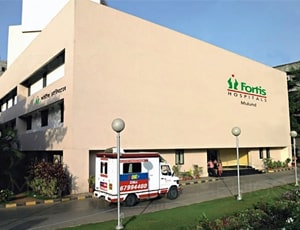
Atrial Septal Defect (ASD) Repair in Fortis Hospital, Mulund: Costs, Top Doctors, and Reviews

Mumbai, India

  • Joint Commission International, or JCI
  • National Accreditation Board for Hospitals & Healthcare Providers (NABH)

Types of Atrial Septal Defect (ASD) Repair in Fortis Hospital, Mulund and its associated cost

Treatment OptionApproximate Cost Range (USD)Approximate Cost Range (INR)
ASD Repair (Overall)5618 - 13373463086 - 1090806
Surgical Repair5710 - 10118456244 - 818902
Transcatheter ASD Closure6727 - 11123544194 - 917473
Robotic-assisted ASD Repair7906 - 13682650622 - 1092203
  • Address: Fortis Hospital Mulund, Industrial Area, Bhandup West, Mumbai, Maharashtra, India
  • Facilities related to Fortis Hospital, Mulund: Post operative followup, Mobility Accessible Rooms, Online Doctor Consultation, Air Ambulance, Religious Facilities
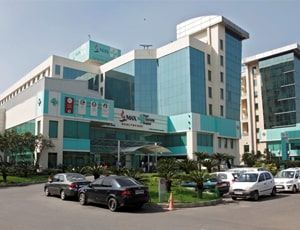
Atrial Septal Defect (ASD) Repair in Max Super Speciality Hospital, Saket: Costs, Top Doctors, and Reviews

Delhi, India

  • Joint Commission International, or JCI
  • National Accreditation Board for Hospitals & Healthcare Providers (NABH)

Max Smart Super Speciality Hospital, Saket, is a 250-bed tertiary care hospital awarded NABH accreditation, which provides advanced medical care in various specialities such as Cardiac Sciences, Orthopaedics, Neurology, Urology, Kidney Transplant, Paediatrics, and Obstetrics & Gynaecology. The hospital provides quality, safe, integrated, and patient-centric medical care using modular OTs, ICUs, Cath Labs, CT, MRI and Dialysis units.

Atrial Septal Defect (ASD) Repair in Manipal Hospital, Hebbal: Costs, Top Doctors, and Reviews

Bangalore, India

  • National Accreditation Board for Testing and Calibration Laboratories (NABL)
  • National Accreditation Board for Hospitals & Healthcare Providers (NABH)

Types of Atrial Septal Defect (ASD) Repair in Manipal Hospital, Hebbal and its associated cost

Treatment OptionApproximate Cost Range (USD)Approximate Cost Range (INR)
ASD Repair (Overall)5090 - 12213417992 - 997953
Surgical Repair5085 - 9142416042 - 751894
Transcatheter ASD Closure6116 - 10158497743 - 830484
Robotic-assisted ASD Repair7110 - 12137584439 - 997613
  • Address: Columbia Asia Hospital, Rajaji Nagar, Bengaluru, Karnataka, India
  • Facilities related to Manipal Hospital, Hebbal: Choice of Meals, SIM, TV inside room, Accommodation, Airport Transfer
Atrial Septal Defect (ASD) Repair in Clear Medi Hospital, Karkardooma: Costs, Top Doctors, and Reviews

Delhi, India

  • National Accreditation Board for Hospitals & Healthcare Providers (NABH)
  • National Accreditation Board for Testing and Calibration Laboratories (NABL)

Types of Atrial Septal Defect (ASD) Repair in Clear Medi Hospital, Karkardooma and its associated cost

Treatment OptionApproximate Cost Range (USD)Approximate Cost Range (INR)
ASD Repair (Overall)5054 - 12163415339 - 1002252
Surgical Repair5087 - 9096416216 - 752539
Transcatheter ASD Closure6099 - 10181498688 - 833752
Robotic-assisted ASD Repair7085 - 12182584082 - 993866
  • Address: ClearMedi Hospital Vasundhara, Sector 15, Vasundhara, Ghaziabad, Uttar Pradesh, India
  • Facilities related to Clear Medi Hospital, Karkardooma: Choice of Meals, Interpreter, SIM, TV inside room, Accommodation
Atrial Septal Defect (ASD) Repair in VPS Rockland Hospital: Costs, Top Doctors, and Reviews

Gurgaon, India

  • National Accreditation Board for Hospitals & Healthcare Providers (NABH)
  • National Accreditation Board for Testing and Calibration Laboratories (NABL)

Types of Atrial Septal Defect (ASD) Repair in VPS Rockland Hospital and its associated cost

Treatment OptionApproximate Cost Range (USD)Approximate Cost Range (INR)
ASD Repair (Overall)5099 - 12137415005 - 996600
Surgical Repair5076 - 9177414277 - 751595
Transcatheter ASD Closure6063 - 10192497587 - 833100
Robotic-assisted ASD Repair7132 - 12141584443 - 1003587
  • Address: VPS Rockland Hospital, Sector 5, IMT Manesar, Gurugram, Haryana, India
  • Facilities related to VPS Rockland Hospital: Mobility Accessible Rooms, Religious Facilities, Translator, Airport Pick up, Online Doctor Consultation
Atrial Septal Defect (ASD) Repair in The Madras Institute of Orthopedics and Traumatology: Costs, Top Doctors, and Reviews

Chennai, India

  • National Accreditation Board for Hospitals & Healthcare Providers (NABH)
  • Joint Commission International, or JCI

Types of Atrial Septal Defect (ASD) Repair in The Madras Institute of Orthopedics and Traumatology and its associated cost

Treatment OptionApproximate Cost Range (USD)Approximate Cost Range (INR)
ASD Repair (Overall)4610 - 11258377224 - 918985
Surgical Repair4650 - 8442380597 - 690332
Transcatheter ASD Closure5689 - 9482461304 - 766506
Robotic-assisted ASD Repair6640 - 11303544969 - 913132
  • Address: MIOT International, Mount Poonamallee Road, Sathya Nagar, Manapakkam, Chennai, Tamil Nadu, India
  • Facilities related to The Madras Institute of Orthopedics and Traumatology: Interpreter, SIM, Airport Transfer, Accommodation
Atrial Septal Defect (ASD) Repair in Sanar International Hospital: Costs, Top Doctors, and Reviews

Gurugram, India

  • National Accreditation Board for Hospitals & Healthcare Providers (NABH)
  • Joint Commission International, or JCI

Sanar International Hospital is a multispeciality hospital based on Golf Course Road in Gurugram, a part of Delhi NCR. It was founded in 2018 and houses one of the most comprehensive and advanced surgical care specialties. This 150-bedded facility is committed to providing the best patient experiences and healthcare services is the core of the hospital’s mission. Staffed by a group of visionary and competent medical professionals who are well-versed in their fields and eminent for their empathy and understanding, Sanar International Hospital provides optimal care to its patients, making it a popular

Specialties in the Hospital such as Heart, Bone, and Joint neurosciences, Cancer, Kidney and Liver Transplant, and other successful procedures along with experienced medical professionals have made a mark for themselves among domestic patients and international patients who come to India to have the finest healthcare services. It follows strict international practices and believes that the centricity of the patient is essential for providing high-quality care through world-class infrastructure and state-of-the-art facilities. The technologies offered by the Hospital include Digital X-rays, MRI, CT, Ultrasound, transfusion medicine, pharmacy, laboratory services, 24 hrs emergency and ambulance services.

It offers more than 20 plus specialties such as General Medicine, Anesthesiology, Cardiac Sciences, Ophthalmology, Gastroenterology, Hematology, Orthopedics, General Surgery & Surgical, Cardiothoracic Surgery, Hepato Biliary Surgery, Pediatrics, Liver Transplantation, and Critical Care Medicine. The Hospital has a highly skilled medical staff of neuro-anesthetists, neurologists, specialized neurocritical care experts, neurosurgeons neuropsychologists, and neuropsychiatrists. There are specific centers for the treatment of epilepsy, stroke, brain tumors, movement disorders, spinal problems, and headaches.

Atrial Septal Defect (ASD) Repair in Manipal Hospital, Ghaziabad: Costs, Top Doctors, and Reviews

Ghaziabad, India

  • National Accreditation Board for Hospitals & Healthcare Providers (NABH)
  • National Accreditation Board for Testing and Calibration Laboratories (NABL)

Founded in 2010, Manipal Hospital-Ghaziabad (formerly Columbia Asia Hospital) is a well-known multispecialty hospital accredited by the National Accreditation Board for Hospitals and Healthcare Providers (NABH). With 100 beds, the hospital is committed to providing effective and reasonably priced healthcare in a clean and safe setting. The hospital has several departments that are known for their expertise, including Orthopaedics, Internal Medicine, Gastroenterology, Plastic Surgery, Obstetrics and Gynecology, ENT, and more. Due to this recognition, the hospital is now regarded as one of the best medical establishments in the Ghaziabad area.

Atrial Septal Defect (ASD) Repair in Wockhardt Hospital, Umrao: Costs, Top Doctors, and Reviews

Mumbai, India

  • National Accreditation Board for Hospitals & Healthcare Providers (NABH)

Types of Atrial Septal Defect (ASD) Repair in Wockhardt Hospital, Umrao and its associated cost

Treatment OptionApproximate Cost Range (USD)Approximate Cost Range (INR)
ASD Repair (Overall)5072 - 12196418199 - 995810
Surgical Repair5074 - 9090416284 - 748860
Transcatheter ASD Closure6116 - 10172500448 - 830035
Robotic-assisted ASD Repair7137 - 12151583821 - 995688
  • Address: Wockhardt Umrao Multy Speciality Hospital, Bharti Nagar, Mira Road East, Thane, Maharashtra, India
  • Facilities related to Wockhardt Hospital, Umrao: Choice of Meals, Interpreter, SIM, TV inside room, Accommodation

Need Some Advice From Our Experts?

Request a Call Back Now!

Our team of healthcare experts would be happy to assist you

trusted Patientstrusted Patients+99
Trusted by 50000+ Patients
Required | alphabets and spaces
Required | A valid, working email address
Required | A valid contact

Process Involved for Atrial Septal Defect (ASD) Repair in India

  • Pre-Treatment Evaluation
    • Imaging, heart function testing, and potential pre-procedure medicine are used for diagnosis and evaluation.
  • Procedure Preparation
    • Options for treatment include both conventional surgical repair through chest incision and minimally invasive catheter-based device closure.
  • Post-Treatment Recovery
    • Constant monitoring of vital indicators, such as heart rhythm and oxygen levels, is part of post-procedure care.
  • Follow-up & recovery
  • Right Heart Enlargement
  • Pulmonary Hypertension
  • Stroke & Paradoxical Embolism
  • Irregular Heartbeats
  • Developmental and Growth Problems in Children
  • Moderate to large ASD with symptoms
  • Right Heart Enlargement
  • Recurrent Stroke
  • Mild to Moderate Pulmonary Hypertension
  • Children with growth delays
  • Cardiac Catheterization
  • Transesophageal Echocardiography
  • Open-Heart Surgery (For Complex ASDs)
  • Arrhythmia Treatment
  • Pulmonary Hypertension Management
  • Prevents heart enlargement & failure
  • Stroke Prevention
  • Lowers lung pressure & prevents complications
  • Arrhythmia Prevention
  • Cardiologist
  • Interventional Cardiologist
  • Cardiac Surgeon
  • Pulmonologist
  • Pediatric Cardiologist
  • Fill out the inquiry form: Fill out the form to provide us with the relevant information about your condition.
  • Consult with Our Healthcare Expert: One of our qualified specialists will contact you for a consultation.
  • Receive a Detailed Treatment Plan: After examining your situation, we will provide you with a detailed treatment plan that includes expert views and cost breakdowns for various choices.
  • Choose your preferred option: Choose the treatment option that suits you the best.

Instantly Connect with our Atrial Septal Defect (ASD) Repair Specialists

Doctor 1
Doctor 2
Doctor 3
Doctor 4
Doctor 5
Doctor 6
Doctor 7
Doctor 8
Our Services to Better your Experience

Opinion & Option

We submit the most accurate opinion and options from one or more countries for your review

Consult Privately

Consult with a certified specialist privately on our telemedicine platform even before you decide to travel

Logistics

We handle flights, visas, transfers, and accommodation—so you can focus on your health.

Recovery

Our In-house rehabilitation service packages to better your recovery and treatment outcome

Other Popular Countries for Atrial Septal Defect (ASD) Repair

Our network connects you with the leading medical tourism destinations globally, offering a wide range of cities, top doctors, and flexible pricing options.

Italy
United Arab Emirates
United Kingdom
Malaysia

Get Insight with our Blogs

Patient Testimonial | Ms. Tesemma Underwent ASD closure in Artemis Hospital, India
Patient Stories

Patient Testimonial | Ms. Tesemma Underwent ASD closure in Artemis Hospital, India

I am very satisfied with Dr. Aseem Srivastava and the surgery outcome. I am immensely grateful to Dr. Aseem and his team at Artemis Hospital for the counselling and consultations which were done before surgery.

Published: 04 Oct, 2021
Updated: 05 Mar, 2026

Conditions treated by Atrial Septal Defect (ASD) Repair

Frequently Asked Questions

A. In India, the average starting cost for Atrial Septal Defect (ASD) Repair is USD 5000. NABH and JCI are just some of the accreditations that top hospitals in India hold where an Atrial Septal Defect (ASD) Repair is conducted.

A. A hole or opening (defect) in the wall (septum) divides the heart's upper two chambers (atria). This defect allows blood that is high in oxygen to leak into the heart's blood chambers that are low in oxygen. The septum, which separates the heart's two upper chambers, is defective in ASD. The wall between the left and right sides of the heart is called the septum.

A. Even though ASDs are frequently identified in children, they may not be recognized until maturity. Depending on the extent of related consequences and the magnitude of the impairment, adult ASD symptoms can change. Adults may have common signs and symptoms such as:

  • Breath Shortness: Being out of breath while exercising or occasionally even when at rest, particularly if the ASD has raised lung pressure.
  • Fatigue: Feeling unusually fatigued or generally low on energy, which could be caused by the heart pumping harder.
  • Palpitations: experiencing atrial arrhythmias, which are frequent in people with ASD, can cause irregular heartbeats or a fluttering sensation in the chest.
  • Often Occurring Respiratory Infections: Increased blood flow to the lungs can lead to recurrent lung infections, such as pneumonia or bronchitis.
  • Swelling: Swelling in the legs, ankles, or abdomen; can happen if the ASD causes elevated pressure on the right side of the heart or heart failure.
  • Cyanosis: Skin, lips, or nails that have a bluish color (though this is less prevalent in individuals with ASD unless there are serious consequences).
  • Inability to Exercise: Less physical activity tolerance or difficulty engaging in physical activity because of exhaustion or shortness of breath.
  • Heart murmur: A distinct cardiac murmur that is typically referred to as a systolic ejection murmur and that is discovered during a physical examination by a medical professional.

A. Adults with atrial septal defect (ASD) are diagnosed using a multimodal approach that includes imaging, diagnostic tests, and clinical evaluation. This is a thorough rundown of the diagnostic procedure:

  1. Health Background: A healthcare practitioner will check your medical history, including any symptoms you might possess, such as shortness of breath, exhaustion, or palpitations.
  2. Electrocardiogram (ECG or EKG): This test monitors the electrical activity of the heart and can help detect abnormal heart rhythms or signs of right atrial expansion, which might be associated with ASD.
  3. Transesophageal Echocardiogram (TEE): If the TTE is insufficient, a TEE might be performed. This includes sending a small probe down the esophagus to gain closer, sharper images of the heart’s structure, notably the atrial septum.
  4. A chest X-ray can reveal any enlargement of the heart or increased blood flow to the lungs that may be caused by an ASD. Cardiac catheterization can be performed in certain cases, especially if there are concerns about the size of the ASD or its effects on heart function.
  5. Cardiac catheterization involves inserting a catheter into a blood vessel and directing it to the heart to measure pressure and oxygen levels or to more directly visualize the defect.
  6. Transthoracic echocardiogram (TTE): This is the most common test used to diagnose ASD. It utilizes sound waves to create images of the heart, allowing doctors to observe the septum between the atria and assess the size and location of the defect.

A. Adults with atrial septal defect (ASD) have different treatment choices based on the defect's size, symptom presence, and any related implications. The main methods of treatment are as follows:

  • To Manage Symptoms: Medications can be used to treat ASD-related symptoms or consequences. Diuretics, for instance, may aid in fluid retention, and drugs may be recommended to treat arrhythmias or abnormal heartbeats.
  • Devices for Transcatheter Closure: For this aim, devices like the Gore Helex Septal Occluder and the Amplatzer Septal Occluder are frequently utilized. By inserting a mesh or plug into the heart, they are intended to seal the defect.
  • Open-Heart Surgery: Surgical repair may be required in certain circumstances, particularly if the ASD is big or if there are complications that make catheter-based closure impractical. This entails opening the chest and sealing the defect with a patch or sutures.
  • Catheter-Based Closure: A catheter-based operation might be suggested for moderate to large ASDs, particularly if they result in symptoms or problems. To close the ASD, a minimally invasive treatment entails introducing a device using a catheter (usually through the groin). Considering that this method requires less recovery time and carries a lower risk than open heart surgery, it is frequently chosen.

A. Closing an ASD with minimal invasiveness often takes five to six hours. You are unconscious due to general anesthesia. Your groin is lightly punctured to allow for the insertion of a heart-lung machine. This preserves your organs and enables the surgeons to momentarily stop your heart's beating later on in the procedure.

A. Whether done through a minimally invasive catheter-based approach or open heart surgery, atrial septal defect (ASD) closure surgery typically has a decent success rate. Like any medical procedure, there are hazards associated with it as well. The following are a few risks associated with ASD surgery:

  1. Infection: Complications may arise from an infection at the location of the incision or inside the heart.
  2. Bleeding after surgery is a possibility and may need further medical attention.
  3. Blood Clots: The possibility that blood clots will form and could cause a pulmonary embolism or stroke.
  4. Heart Rhythm Problems: Arrhythmias, or abnormal heartbeats, can happen and occasionally need additional care or medicine.
  5. Pneumonia: Prolonged mechanical ventilation or reduced lung function can increase the risk of postoperative pneumonia.
  6. Stroke: If a blood clot becomes dislodged during the surgery, there is a slight but possible risk of stroke.
  7. Heart Failure: Following surgery, a small percentage of individuals may develop heart failure or diminished heart function.

A. Following the closure of an Atrial Septal Defect (ASD), healing and adaptation usually take time, regardless of whether the treatment is performed through catheterization or open heart surgery. Typically, patients can anticipate the following during their recovery:

  • Hospital Stay: Usually necessitates a 1-2 or 4–7 day hospital stay.
  • Patients will be carefully observed for any potential problems, cardiac function, and vital signs. This involves keeping an eye on blood pressure, oxygen saturation, and cardiac rhythm.
  • Pain management: Incision sites following open heart surgery and catheter-based procedures frequently experience pain or discomfort. Medication-assisted pain management will be offered.
  • For a few weeks to months, you will probably need to refrain from hard lifting, demanding activities, and specific movements.
  • Medication may be provided to you to treat pain, prevent blood clots, or regulate arrhythmias.
  • It will be recommended to gradually resume regular activities, such as work and exercise. Resuming full activity can take a variety of times, depending on the surgery's kind and rate of healing.
  • Notify your healthcare professional right away if you experience any unusual symptoms, such as intense chest pain, shortness of breath, fever, or noticeable edema.
  • Periodic echocardiograms or other testing may be part of the long-term follow-up to make sure the ASD closure is still working and to keep an eye out for any potential issues.

A. The cost of Atrial Septal Defect (ASD) Repair in India may differ from one medical facility to the other. The Atrial Septal Defect (ASD) Repair package cost usually includes all the expenses related to pre and post-surgery expenses of the patient. The Atrial Septal Defect (ASD) Repair cost in India includes the cost of anesthesia, medicines, hospitalization, and the surgeon's fee. Many things may increase the cost of Atrial Septal Defect (ASD) Repair in India, including prolonged hospital stays and complications after the procedure.

A. Many hospitals in India perform Atrial Septal Defect (ASD) Repair. Some of the most renowned hospitals for Atrial Septal Defect (ASD) Repair in India include the following:

  1. Fortis Malar Hospital
  2. Jaypee Hospital
  3. Max Smart Super Speciality Hospital
  4. Wockhardt Umrao
  5. Seven Hills Hospital
  6. Sharda Hospital

A. The recovery of the patient may vary, depending on several factors. However, on average, a patient is supposed to stay in the country for about 20 days after discharge. This is important to ensure that the surgery is successful. During this time, control and follow-up tests take place to check for medical fitness.

A. Apart from the Atrial Septal Defect (ASD) Repair cost, there are a few other daily charges that the patient may have to pay. These are the charges for daily meals and accommodation outside the hospital. The extra charges may start from USD 50 per person.

A. Some of the best cities in India which offer Atrial Septal Defect (ASD) Repair are:

  • Mumbai
  • Chennai
  • Noida
  • Hyderabad
  • New Delhi
  • Bangalore
  • Gurugram

A. There are many Atrial Septal Defect (ASD) Repair surgeons who offer video telemedicine consultation to patients who need this treatment. Some of them include the following:

DoctorCostSchedule Your Appointment
Dr. Bikram K MohantyUSD 35Schedule Now
Dr. Ashish ChauhanUSD 14Schedule Now
Dr. Sumit NarangUSD 14Schedule Now

A. After the Atrial Septal Defect (ASD) Repair takes place, the average duration of stay at the hospital is about 5 days. The doctor's team reviews the patient's recovery during this time with the help of blood tests and imaging scans. Once they feel that everything is on track, the patient is discharged.

A. The average rating for Atrial Septal Defect (ASD) Repair hospitals in India is 3.9. This rating is calculated based on different parameters such as the attitude of the nurses, cleanliness, quality of food, and the pricing policy.

There are more than 56 hospitals that offer Atrial Septal Defect (ASD) Repair in India. Such hospitals have the required infrastructure and a dedicated unit where patients can be treated. Additionally, these hospitals are known to comply with international standards as well as local legal requirements for the treatment of patients.

A. Some of the best medical specialists for Atrial Septal Defect (ASD) Repair in India are:

  1. Dr. Ganesh Kumar Mani
  2. Dr. Ashok Seth
  3. Dr. Devi Prasad Shetty

Author

Dr. Vihan Gautam
Dr. Vihan Gautam

BPT, MS in Healthcare Mgmt

4 Years of Experience

Dr. Vihan Gautam is a distinguished Rehabilitation Specialist and Healthcare Management Professional, holding a Bachelor of Physiotherapy (BPT) from Rajiv Gandhi University of Health Sciences and a Master of Science in Healthcare Management (MSc) from the prestigious University of London, United Kingdom. With specialized clinical experience and his advanced medical knowledge in neuro-rehabilitation, musculoskeletal disorders, and evidence-based physiotherapy practices, enables him to develop patient-centered rehabilitation protocols and AI-driven care models that deliver measurable functional recovery outcomes. His diverse contributions across international rehabilitation programs, multidisciplinary care, and AI-driven healthcare initiatives uniquely position him as an emerging leader in neuro-rehabilitative care globally.. View More

Reviewer

Dr. Naresh Kumar Goyal

Cardiologist

21 Years of Experience

Dr. Naresh Kumar Goyal is highly trained as a cardiologist with exposure in virtually all aspects of cardiology. He qualified with an MD in internal medicine in 1999 from SMS Medical College, Jaipur, and served in the Cardiology Department as an honorary resident. From this stage, he also started with training in the temporary pacing of the pacemaker as well as interventional services. View More

Last Reviewed - January 2026