Your Notifications
All done, no notifications

Breast Cancer Treatment Cost in Thailand

Costs starts from USD7500 to USD23000
Filters

How Much Does Breast Cancer Treatment Cost in Thailand?

The cost of a Breast Cancer Treatment in Thailand typically ranges between USD 7500 - USD 23000. However, this cost can vary depending on several factors, including the type and severity of the condition, treatment techniques chosen, the healthcare facility's location and reputation, the treating professionals' experience and specialization, and the patient's overall health status.

Additionally, factors like the duration of treatment, the need for follow-up care, and the use of advanced technologies or specialized treatments can further influence the overall cost.

Factors Influencing the Cost of Breast Cancer Treatment:

Breast cancer therapy depends on the type of the disease and its stage, as well as the patient’s health condition. The traditional treatment methods are surgery (lumpectomy or mastectomy), irradiation to eliminate the remnants of cancerous cells, and chemotherapy to eliminate the growth of cancer cells. Hormone therapy is applied in hormone receptor-positive cancers and the targeted therapy includes medicines that have an effect on specific molecules and stop the cancer. Immunotherapy is also applied, let’s say, in aggressive types of cancer such as triple-negative breast cancer to boost the immune defenses against the disease.

Besides the main treatments, there are therapies that target bone metastases, as well as palliative treatment which aims to ease the symptoms of the advanced stages of the disease. The length of stay is short, as cognitive and behavioral therapy, individual and group, is tailored and frequently integrated to optimize outcomes. Early detection of relapses and side effects necessitates regular follow-up care after the person with cancer has completed therapy.

Cost of Breast Cancer Treatment in Major Cities of Thailand

CityMinimum Cost (USD)Minimum Cost (THB)Maximum Cost (USD)Maximum Cost (THB)
BangkokUSD 7500245325USD 23000752330

Breast Cancer Treatment Cost : A Global Comparison

CountryMinimum CostMinimum Local CurrencyMaximum CostMaximum Local Currency
IndiaUSD 4500INR 385380USD 6000INR 513840
IsraelUSD 13375ILS 47348USD 18000ILS 63720
MalaysiaUSD 7500MYR 31800USD 28000MYR 118720
Saudi ArabiaUSD 5000SAR 18750USD 20000SAR 75000
SingaporeUSD 3000SGD 3870USD 17000SGD 21930
South AfricaUSD 5000ZAR 89850USD 20000ZAR 359400
South KoreaUSD 7500KRW 10319850USD 18000KRW 24767640
SpainUSD 5000ESP 735200USD 15000ESP 2205598
SwitzerlandUSD 50000CHF 41500USD 200000CHF 166000
ThailandUSD 7500THB 245325USD 23000THB 752330
TunisiaUSD 5000TND 14900USD 15000TND 44700
TurkeyUSD 7650TRY 298809USD 9350TRY 365211
United Arab Emirates - - USD 15000AED 55050
United KingdomUSD 20000GBP 14800USD 100000GBP 74000

Need Help Planning Your Treatment Abroad?

Your 24/7 AI Health Assistant

Breast cancer is a type of cancer that originates in the cells of the breast. While it can occur in men as well, it is far more prevalent in women.

Following skin cancer, breast cancer stands as the second most frequently diagnosed cancer among women in the United States. However, it's crucial to recognize that breast cancer is not exclusive to women, as everyone is born with some breast tissue, making it a condition that can affect individuals of any gender.

Improved breast cancer screening techniques enable healthcare providers to detect the presence of breast cancer at an earlier stage. Early cancer detection greatly increases the chances of effective therapy and recovery.

The exact reason that causes breast cancer is unclear, even though every eighth woman suffers from it. However, several factors have been associated with the development of breast cancer. Some of the breast cancer risk factors include:

  • Prolonged use of birth control pills
  • Obesity
  • Use of hormone replacement therapy
  • High breast density
  • Alcohol addiction
  • No history of pregnancy
  • Pregnancy after 35
  • Exposure to radiation

The risk of breast cancer naturally increases as women age. The risk is also higher in women who have a family history of breast or ovarian cancer, possess BRCA1 and BRCA2 genes, or have had their periods before the age of 12.

The main types of breast cancer are based on where the cancer begins, whether it's in the ducts or lobules of the breast, and whether it has spread beyond its original location. The two broad categories are in situ (confined to the site of origin) and invasive (has spread beyond the original location). Here are some common types:

  • Ductal Carcinoma In Situ (DCIS): This is a non-invasive cancer where abnormal cells are found in the lining of a breast duct but have not invaded nearby tissues.
  • Lobular Carcinoma In Situ (LCIS): LCIS is a non-invasive condition where abnormal cells are found in the lobules, but they do not penetrate the lobular walls
  • Invasive Ductal Carcinoma (IDC): This is the most common type of breast cancer, representing about 80% of invasive cases. IDC begins in the milk ducts but then invades nearby tissues in the breast.
  • Invasive Lobular Carcinoma (ILC): ILC starts in the milk-producing glands (lobules) but can invade nearby tissues in the breast. It is the second most common type of invasive breast cancer.

Breast cancer surgery, such as lumpectomy or mastectomy, removes cancerous tissue and adjacent tissues. A lymph node biopsy or axillary lymph node dissection would determine if the cancer has spread to the lymph nodes under the arm. Surgery can restore the shape of the breast after the removal of cancer.

Any changes in the breast, such as lumps, nipple, or skin changes, should be reported to a health professional immediately. Earlier detection and treatment result in better outcomes.

Inform your doctor about any medications, allergies, and medical conditions. It will be necessary for you to fast from midnight the night before the surgery. Inform your surgeon about all medicines you are taking, including blood thinners. Your doctor may suggest altering your diet or lifestyle in preparation for surgery.

Radiologists perform imaging using mammography and ultrasound to localise the tumor. A chip or wire marks the tumor site for the surgeon. The tumor with a margin of surrounding tissue will be extracted by the surgeon. Lymph node biopsies may be performed.

The length of surgery depends on the type of procedures, with total surgery times extending for several hours.

  • Pain
  • Infection
  • Metastasis
  • Fatigue
  • Infection

  • Surgery may physically separate the cancerous cells, thereby minimising the chance of progression.
  • A possibly successful outcome and cure for breast cancer may result from very early detection and treatment.
  • The treatment can help in symptom management and improve overall well-being.

Pain medications and other techniques are used to treat pain. Consistent follow-up with your physician is essential to monitoring for recurrence and ongoing assistance with side effects. You should continue with physical activity gradually, but always follow your doctor's instructions.

The success rate of treating breast cancer varies with the stage of cancer, the type of treatment, and the individual.

Top Selling Packages for Breast Cancer Treatment

Breast Cancer Screening

IRCCS Policlinico San Donato, milan, Italy

USD 2128 USD 2553

Breast Cancer Screening

Casa di Cura La Madonnina, milan, Italy

USD 2128 USD 2553

Breast Cancer
Breast Cancer

Sanar International Hospital, Gurugram, India

USD 4500 USD 5400

Would you like some help? We are available.

Get Help
Explore Hospitals ( 4 )
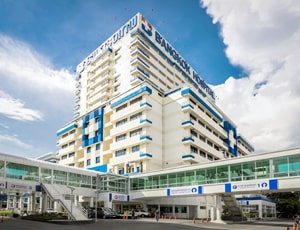
Breast Cancer Treatment in Bangkok Hospital: Costs, Top Doctors, and Reviews

Bangkok, Thailand

  • Joint Commission International, or JCI

Types of Breast Cancer Treatment in Bangkok Hospital and its associated cost

Treatment OptionApproximate Cost Range (USD)Approximate Cost Range (THB)
Breast Cancer Treatment (Overall)6866 - 13387243609 - 489001
Surgery4443 - 9040157524 - 316785
Radiation Therapy91 - 2763208 - 10213
Chemotherapy340 - 79112208 - 27991
Targeted Therapy801 - 203827786 - 70805
Hormone Therapy90 - 2763172 - 9893
Immunotherapy3997 - 7927140522 - 278141
Palliative Care88 - 1693247 - 6099
  • Address: Bangkok Dusit Medical Services, Nong Prue, Bang Phli, Samut Prakan, Thailand
  • Facilities related to Bangkok Hospital: SIM, TV inside room, Accommodation, Choice of Meals
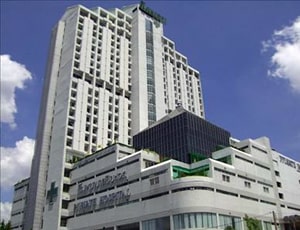
Breast Cancer Treatment in Bangpakok 9 International Hospital: Costs, Top Doctors, and Reviews

Bangkok, Thailand

  • Joint Commission International, or JCI

Types of Breast Cancer Treatment in Bangpakok 9 International Hospital and its associated cost

Treatment OptionApproximate Cost Range (USD)Approximate Cost Range (THB)
Breast Cancer Treatment (Overall)6611 - 13450237525 - 486298
Surgery4483 - 8825161267 - 325663
Radiation Therapy92 - 2813258 - 9993
Chemotherapy337 - 79611953 - 27497
Targeted Therapy803 - 198028268 - 71019
Hormone Therapy89 - 2803164 - 10015
Immunotherapy3983 - 7795137860 - 282185
Palliative Care88 - 1703258 - 6122
  • Address: Bangpakok 9 International Hospital, International Hospital, Rama II Road, Bang Mot, Chom Thong, Bangkok, Thailand
  • Facilities related to Bangpakok 9 International Hospital: Choice of Meals, Interpreter, SIM, TV inside room, Accommodation
Breast Cancer Treatment in Phyathai 2 International Hospital: Costs, Top Doctors, and Reviews

Bangkok, Thailand

  • Joint Commission International, or JCI

Types of Breast Cancer Treatment in Phyathai 2 International Hospital and its associated cost

Treatment OptionApproximate Cost Range (USD)Approximate Cost Range (THB)
Breast Cancer Treatment (Overall)6834 - 13529238661 - 482462
Surgery4432 - 8863160292 - 318717
Radiation Therapy88 - 2763138 - 10041
Chemotherapy331 - 77812095 - 28475
Targeted Therapy798 - 205827779 - 72895
Hormone Therapy92 - 2823186 - 10080
Immunotherapy4016 - 7929139277 - 274897
Palliative Care91 - 1713218 - 6107
  • Address: Phyathai 2 Hospital, Phahonyothin Road, Phaya Thai, Thailand
  • Facilities related to Phyathai 2 International Hospital: Choice of Meals, Interpreter, SIM, TV inside room, Accommodation
Breast Cancer Treatment in Piyavate Hospital: Costs, Top Doctors, and Reviews

Bangkok, Thailand

  • Joint Commission International, or JCI
  • ISO 9001

Types of Breast Cancer Treatment in Piyavate Hospital and its associated cost

Treatment OptionApproximate Cost Range (USD)Approximate Cost Range (THB)
Breast Cancer Treatment (Overall)6630 - 13216238445 - 481666
Surgery4535 - 8903162226 - 327139
Radiation Therapy89 - 2803138 - 10063
Chemotherapy333 - 77612037 - 28650
Targeted Therapy779 - 205427856 - 72231
Hormone Therapy89 - 2843162 - 9931
Immunotherapy3962 - 7914139397 - 280892
Palliative Care88 - 1723271 - 6145
  • Address: Piyavate Hospital, Khlong Samsen Road, Bang Kapi, Huai Khwang, Bangkok, Thailand
  • Facilities related to Piyavate Hospital: Choice of Meals, Interpreter, TV inside room, Accommodation, Airport Transfer

Need Some Advice From Our Experts?

Request a Call Back Now!

Our team of healthcare experts would be happy to assist you

trusted Patientstrusted Patients+99
Trusted by 50000+ Patients
Required | alphabets and spaces
Required | A valid, working email address
Required | A valid contact

Process Involved for Breast Cancer Treatment in Thailand

  • Consultation: Share information about the diagnosis, staging, and treatment options with a specialist in breast cancer, an oncologist, or a surgeon.
  • Preoperative evaluation: Imaging procedures and biopsy are conducted to evaluate the tumour's size, site, and metastasis to lymph nodes or distant organs.
  • Discussion with Treatment: Treatment is discussed, which can be surgery, chemotherapy, radiation therapy, hormone therapy, targeted therapy, immunotherapy, or a combination depending on the type and stage of the cancer.
  • Planning Surgery: If surgery is needed, information about the procedure is discussed.
  • Post-Surgery, Follow-up: Regular follow-up visits and imaging are done to assess recovery, look for recurrence, and treat side effects or complications.
  • Invasive ductal carcinoma (IDC)
  • Invasive lobular carcinoma (ILC)
  • Early-stage breast cancer
  • Locally advanced breast cancer
  • Hormone receptor-positive breast cancer
  • HER2-positive breast cancer
  • Triple-negative breast cancer
  • Breast cancer therapy is advised in those patients diagnosed with a variety of breast cancer subtypes, such as invasive ductal carcinoma, invasive lobular carcinoma, and other subtypes.
  • The suitability for treatment would also vary according to the location, stage, and type of the tumor and the patient's general well-being, hormone receptor status, HER2 status, and other medical factors.
  • Surgical resection (lumpectomy, mastectomy)
  • Chemotherapy
  • Radiation therapy
  • Hormone therapy
  • Targeted therapy
  • Immunotherapy
  • Reduces mortality by excising or eliminating the tumor and deterring recurrence.
  • It can decrease symptoms like pain, swelling, and skin changes.
  • Offers reconstructive surgery options for enhancing aesthetic results following mastectomy.
  • Improves the quality of life by enabling early discovery and tailored treatment methods.
  • Medical Oncologist
  • Radiation Oncologist
  • Surgical Oncologist
  • Fill out the inquiry form: Fill out the form to provide us with the relevant information about your condition.
  • Consult with Our Healthcare Expert: One of our qualified specialists will contact you for a consultation.
  • Receive a Detailed Treatment Plan: After examining your situation, we will provide you with a detailed treatment plan that includes expert views and cost breakdowns for various choices.
  • Choose your preferred option: Choose the treatment option that suits you the best.

Instantly Connect with our Breast Cancer Treatment Specialists

Doctor 1
Doctor 2
Doctor 3
Doctor 4
Doctor 5
Doctor 6
Doctor 7
Doctor 8
Our Services to Better your Experience

Opinion & Option

We submit the most accurate opinion and options from one or more countries for your review

Consult Privately

Consult with a certified specialist privately on our telemedicine platform even before you decide to travel

Logistics

We handle flights, visas, transfers, and accommodation—so you can focus on your health.

Recovery

Our In-house rehabilitation service packages to better your recovery and treatment outcome

Other Popular Countries for Breast Cancer Treatment

Our network connects you with the leading medical tourism destinations globally, offering a wide range of cities, top doctors, and flexible pricing options.

United Arab Emirates
India
Italy
Singapore

Frequently Asked Questions

A. In Thailand, the average starting cost for Breast Cancer Treatment is USD 7500. Many multispeciality hospitals in Thailand that are Healthcare Accreditation Institute, JCI certified are approved and most sought after for treating international patients with Breast Cancer Treatment

A. Different hospitals have different pricing policies when it comes to the cost of Breast Cancer Treatment in Thailand. The Breast Cancer Treatment package cost usually includes all the expenses related to pre and post-surgery expenses of the patient.

The treatment cost usually includes the expenses related to hospitalization, surgery, nursing, medicines, and anesthesia. Stay outside the package duration, post-operative complications and diagnosis of a new condition may further increase the Breast Cancer Treatment cost in Thailand.

A. Breast Cancer Treatment in Thailand is offered by multiple hospitals across the country. Some of the most renowned hospitals for Breast Cancer Treatment in Thailand include the following:

Upon discharge from the hospital after Breast Cancer Treatment in Thailand, the patients are advised to stay for about 30 days for recovery. This period is important to conduct all the follow-up tests to ensure that the surgery was successful and the patient can go back to the home country.

A. There are certain additional costs that the patient has to pay apart from the Breast Cancer Treatment cost. The per day extra expenses in Thailand per person are about USD 50 per person.

  1. Breast Cancer Treatment in Thailand is offered in almost all metropolitan cities, including the following:
  • Krabi
  • Bangkok

A. After Breast Cancer Treatment, the patient is supposed to stay for about 4 days in the hospital for recovery and monitoring. During the recovery, the patient is carefully monitored and control tests are performed to see that everything is okay. If required, physiotherapy sessions are also planned during recovery in the hospital.

A. There are more than 3 hospitals that offer Breast Cancer Treatment in Thailand. The above-listed clinics are approved to perform the surgery and have the proper infrastructure to handle Breast Cancer Treatment patients. These hospitals comply with all the rules and regulations as dictated by the regulatory bodies and medical associations in Thailand

A. Surgery to remove the malignancy is often the first step in the treatment of breast cancer. After surgery, the majority of patients with breast cancer will have additional therapies such as hormone therapy, chemotherapy, and radiation. Before surgery, some patients might get

  • Hormone therapy or chemotherapy: These drugs may lessen the cancer's size and facilitate its removal.
  • The breast tumor is removed: A lumpectomy removes the cancerous breast tissue and a portion of the surrounding healthy tissue. There is no removal of the remaining breast tissue.
  • Removing every breast tissue: The surgical removal of all breast tissue is known as a mastectomy. Complete mastectomy, also referred to as simple mastectomy, is the most popular type of mastectomy procedure. The entire breast, including the lobules, ducts, fatty tissue, and portions of the skin, such as the areola and breast, are removed during this treatment
  • Chemotherapy uses potent medications to treat cancer: There are numerous chemotherapeutic medications available. Chemotherapy medications are frequently used in combination with treatment. Most are administered intravenously. Some come in pill form After surgery, chemotherapy is commonly used to treat breast cancer. It can reduce the likelihood that the cancer will return and eradicate any cancer cells that may still be present.
  • Hormone Therapy: Medications are used in hormone treatment to block specific hormones in the body. This medication is for breast cancers that respond well to progesterone and estrogen. These malignancies are referred to the medical professionals as progesterone and estrogen receptor-positive. Hormone-sensitive cancers use their bodies' hormones as growth fuel. Reducing or eliminating the cancer cells may result from hormone-blocking.
  • Targeted therapy: Utilizing medications that target specific compounds in cancer cells is known as targeted therapy. Targeted therapies can kill cancer cells by preventing these compounds from functioning. The protein HER2 is the target of the majority of targeted therapy medications for breast cancer. Certain breast cancer cells produce more HER2. This protein aids in the growth and survival of cancer cells. Drugs used in targeted therapy specifically target cells that overproduce HER2, sparing healthy cells.
  • Immunotherapy: It is a medical intervention that stimulates the immune system to eliminate cancerous cells from the body. The immune system targets bacteria and other foreign cells in the body to prevent illness. Cancer cells escape the immune system to survive. Immunotherapy aids in the immune system's ability to locate and eliminate cancer cells.

Although there are several dangers and side effects associated with breast cancer therapies, they can be quite effective. Patients are better able to control their treatment experience and make educated decisions when they are aware of these hazards. An outline of the dangers connected to the various kinds of breast cancer therapy is provided below:

  • Infection: The surgical site carries a risk of infection.
  • Bleeding: This may occur during or following surgery.
  • Pain: Either persistent or transient pain around the surgical site.
  • Scarring: Disturbances in the look of the breasts.
  • Sensational Changes: Loss or alteration of feeling in the breast or nearby areas.
  • Lymphedema: When lymph nodes are removed, swelling occurs in the chest or arms.
  • Fibrosis: The formation of scar tissue in the breast or chest region that may have an impact on appearance and range of motion.
  • Secondary Cancers: There is little chance that the treated area will develop another cancer.
  • Fatigue: A generalized weariness that may last for several weeks following therapy.
  • Reduced blood cell synthesis from bone marrow suppression increases the risk of infections, bleeding issues, and anemia.
  • Peripheral neuropathy: Hand and foot numbness or tingling, especially after using some chemotherapy medications.
  • Menstrual Changes: There may be brief or long-term variations in the fertility or menstrual cycle.
  • Hot flashes: Abrupt sensations of warmth, particularly in the chest, neck, or face.
  • Mood Changes: Possibility of depressive symptoms or mood swings.
  • Gaining weight or altering one's body composition is known as weight gain.
  • Loss of bone density: Increased risk of thinning or osteoporosis.
  • Blood Clots: Enhanced risk of pulmonary embolism or deep vein thrombosis.
  • Endometrial Changes: Some drugs may cause modifications to the uterine lining, which may result in further health problems.

A. Following breast cancer therapy, numerous phases of recovery can differ greatly based on the patient's unique circumstances, the type of treatment used, and the stage of the cancer. An overview of what to anticipate throughout the healing process is provided below:

  • Hospital Stay: A few days are usually required for surgeries such as mastectomy or lumpectomy.
  • Take care of the wound by cleaning it up after surgery and keeping an eye out for any infections.
  • Pain management involves using prescription drugs and aftercare to treat postoperative pain.
  • Activity Restrictions: As directed by your surgeon, refrain from heavy lifting and intense activity.
  • Management of Side symptoms: Providing supportive care to treat side symptoms such as nausea, exhaustion, hair loss, and appetite fluctuations.
  • Blood monitoring: Frequent blood tests to keep an eye out for variations in blood cell counts and to treat any problems that may arise.
  • Rehabilitation: To treat conditions like shoulder stiffness or lymphedema (swelling brought on by a buildup of lymph fluid), physical therapy may be required.

A. In addition to conventional therapy, you might wish to look into alternative treatment options if you have breast cancer. Among the possibilities are antioxidants, traditional Chinese medicine, detoxification diets, and acupuncture. They are referred to as alternative and complementary medicine (CAM).

CAM therapies are widely used by patients to reduce side effects, manage pain, and enhance their quality of life. CAM therapies vary in their safety and effectiveness. Remember that these are supplemental treatments and should not be taken instead of a course of treatment prescribed by your physician.

A. To customize treatment to be as effective as possible with the fewest possible side effects, healthcare experts identify the many types and subtypes of cancer. Typical forms of breast cancer consist of:

  • Milk ducts are the initial site of invasive (infiltrating) ductal carcinoma (IDC), a malignancy that spreads to neighboring breast tissue. In the US, this is the most prevalent kind of breast cancer.
  • Breast cancer that begins in the lobules, or milk-producing glands, of the breast frequently spreads to neighboring breast tissue. In the US, it is the second most prevalent type of breast cancer.
  • Similar to IDC, ductal carcinoma in situ (DCIS) is a type of breast cancer that begins in the milk ducts. The distinction is that DCIS stays inside your milk ducts.

Less frequent forms of breast cancer consist of:

  • Triple-negative breast cancer (TNBC): Compared to other breast cancers, this invasive malignancy is more aggressive and spreads more quickly.
  • IBC, or inflammatory breast cancer, is an uncommon but rapidly spreading malignancy that resembles a rash on the breast. In the US, IBC is not common.
  • Breast cancer that affects only a small portion of the skin, Paget's disease can have a rash-like appearance. Paget's disease of the breast accounts for less than 4% of all cases of breast cancer.

A. Exams and conversations about symptoms are frequently the first steps in the diagnosis of breast cancer. Imaging studies can examine breast tissue to look for abnormalities. A sample of breast tissue is taken for testing to determine whether or not cancer is present.

  • Breast examination: A medical specialist examines the breasts during a clinical breast exam to check for anything unusual. This could involve modifications to the nipple or skin. The medical practitioner then palpates the breasts to check for lumps.
  • Mammogram: An X-ray of the breast tissue is called a mammography. Mammograms are frequently used as a breast cancer screening tool. You may be scheduled for follow-up mammography to examine the area in further detail if the results of your screening mammogram are alarming.
  • Breast Ultrasound: Sound waves are used in ultrasound technology to create images of internal parts of the body. Your medical team may be able to learn more about a breast lump from a breast ultrasound.
  • Breast MRI: An MRI scanner uses radio waves and a magnetic field to produce images of the inside of the body. More detailed images of the breast can be obtained with a breast MRI. This technique is occasionally performed to thoroughly inspect the affected breast for any additional cancerous growth. It may also be utilized to check for breast cancer in the other breast.
  • Taking a sample of breast tissue for analysis: The process of taking a tissue sample for laboratory analysis is called a biopsy. A medical practitioner inserts a needle through the skin and into the breast tissue to obtain a sample. The medical practitioner uses ultrasound, X-ray, or other imaging technology to create images that are used to guide the needle.
  • Cell testing in the lab: A biopsy tissue sample is sent to a lab for analysis. Tests can determine whether the sample's cells are malignant. Additional tests provide details about the kind of cancer and its rate of growth.

A. Think about adopting these lifestyle modifications to help lower the chance of breast cancer recurrence:

  • A balanced diet high in fruits, vegetables, whole grains, and lean proteins is the key to a healthy diet. Reduce your consumption of red meats, processed foods, and sugary snacks. A diet high in fiber and low in fat may be advantageous, according to some research.
  • Regular Exercise: Include strength training activities in your weekly routine and aim for at least 150 minutes of moderate aerobic activity or 75 minutes of strenuous activity. Frequent exercise can enhance general well-being and assist in maintaining a healthy weight.
  • Keep Your Weight in Check: Obesity has been linked to a higher chance of cancer recurrence. Reducing this risk can be aided by reaching and maintaining a healthy weight through food and exercise.
  • Limit Alcohol Consumption: Drinking too much alcohol has been associated with an increased chance of breast cancer returning. It's generally recommended to keep alcohol consumption to one drink each day.
  • Stop Smoking: Smoking has been linked to an increased risk of breast cancer among other cancers. If you smoke, get help to stop.
  • Control Stress: Long-term stress can negatively affect your general health and well-being. Stress management methods include mindfulness, meditation, yoga, and counseling.
  • Frequent Medical Checkups: Comply with your physician's recommendations regarding follow-up appointments and screenings. Frequent examinations can aid in identifying problems early and enable prompt management.

Author

Dr. Vijita Jayan

BPT, MPT (Neuro)

18 Years of Experience

With over 18 years of distinguished clinical experience, Dr. Vijita Jayan is a highly accomplished Clinical Director and Rehabilitation Specialist, renowned for her expertise in neuro-rehabilitation, functional recovery, and mobility-dependent case management. Her extensive practical knowledge enables her to design and implement individualized, evidence-based rehabilitation protocols that consistently yield measurable patient outcomes. A prolific researcher and academic writer, she has authored numerous peer-reviewed articles and research papers, significantly advancing the field of rehabilitative medicine. The recipient of multiple prestigious accolades, Dr. Jayan is widely regarded as one of the foremost authorities in Physical Medicine and Rehabilitation, continually shaping neuro-rehabilitative care through research, innovation, and clinical excellence.. View More

Reviewer

Dr Prateek Varshney

Surgical Oncologist

15 Years of Experience

Dr. Prateek Varshney is a renowned Surgical Oncologist. He has experience of more than 15+ years in surgical Oncology. He is currently practicing as a consultant at Metro Mass Hospital and Cancer Institute. He was also previously associated as a consultant with Sir Ganga Ram Hospital and as a professor at Gujarat Cancer Research Institute. View More