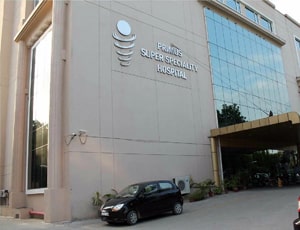


Primus Super Speciality Hospital
Delhi, India
4.7 11849 Reviews
1 Accreditations
Hospital Certificates of Services
Hospital Certificates of Services
Delhi, India
4.7 11849 Reviews
Primus Hospital New Delhi believes that apart from super advanced technologies, a resource of skilled and talented medical practitioners on board, a good hospital must definitely provide an atmosphere that is conducive to the general recovery for any major surgeries or for any total health care procedure.That is the reason why they have made a very serene and peaceful ambiance around a large area in the heart of the Delhi city in the Chanakyapuri region which is very well connected to the remaining parts of the city. They are setting new benchmarks in medical care with their ever developing tools and technologies that are very well equipped at handling various treatment procedures. It is a multi-specialty hospital having all the necessary amenities to put their national as well as international patients at a total comfort zone.
For various schedules, admission procedures, the Primus Hospital Delhi OPD section staff can be contacted who are available always to assist with a smile.
Get priority response from Primus Super Speciality Hospital Center

Primus Super Speciality Hospital provides advanced Angiography (Including Non-Ionic Contrast) using modern imaging technology and internationally accepted diagnostic protocols. Established in 2001, the NABH accredited hospital is located in Delhi, India, and has 250 beds, offering comprehensive diagnostic and cardiac care for local and international patients.
Angiography (Including Non-Ionic Contrast) is a diagnostic imaging procedure used to examine blood vessels and identify narrowing, blockages, or other vascular abnormalities. A non-ionic contrast agent is injected to improve the visibility of blood vessels during imaging. Before the procedure, the specialist reviews the patient's medical history, kidney function, allergies, and imaging requirements. Patients are monitored during and after the procedure, with hydration and post-procedure instructions.
Primus Super Speciality Hospital provides specialized Angioplasty with a focus on minimally invasive treatment, patient safety, and effective restoration of blood flow. Established in 2001, the NABH accredited hospital is located in Delhi, India and operates 250 beds with modern cardiac infrastructure.
Angioplasty is a minimally invasive procedure used to open narrowed or blocked blood vessels, particularly coronary arteries. The cardiologist guides a catheter through a blood vessel to the site of the blockage and inflates a small balloon to widen the artery. A stent may then be placed to provide ongoing support and maintain blood flow. Before the procedure, the medical team reviews the patient's symptoms, medical history, angiography findings, and overall health to determine the appropriate treatment strategy. After angioplasty, follow-up care and prescribed medications are important for maintaining the benefits of treatment.
Primus Super Speciality Hospital provides dedicated Impella services with an emphasis on safe device placement, effective cardiac support, and careful patient monitoring. Established in 2001, the NABH accredited hospital is based in Delhi, India and has 250 beds supported by advanced interventional cardiology and intensive cardiac-care facilities.
Impella is a temporary heart pump used to support circulation when the heart's pumping ability is significantly reduced. The catheter-mounted device is positioned across the aortic valve so that it can transfer blood from the left ventricle into the aorta. Depending on the patient's condition, it may be used to support the heart during high-risk coronary procedures or provide temporary assistance in cardiogenic shock. After placement, the medical team closely monitors the patient's circulation and watches for complications such as bleeding, vascular injury, or hemolysis.
Primus Super Speciality Hospital offers specialised Left Ventricular Assist Device (LVAD) Implantation using modern cardiac technology and established mechanical circulatory support protocols. Established in 2001, the NABH accredited hospital is situated in Delhi, India, with 250 beds, serving local and international patients.
LVAD implantation may be recommended for selected patients with advanced or end-stage heart failure when conventional treatment is no longer sufficient. The implanted pump assists the left ventricle in delivering blood to the body's circulation and can serve as a bridge to transplant or long-term support. Before treatment, the multidisciplinary team evaluates cardiac function, other organ systems, medical history, and treatment goals.
Primus Super Speciality Hospital offers advanced Ross Procedure using modern cardiac surgical techniques and internationally accepted treatment protocols. Established in 2001, the NABH accredited hospital is located in Delhi, India, with 250 beds, providing comprehensive cardiac care for local and international patients.
The Ross procedure is a specialised operation used to treat selected patients with diseased aortic valves. During surgery, the patient's healthy pulmonary valve is moved to the aortic position and replaced with a donor pulmonary valve. This approach uses the patient's own living tissue in the aortic position and may be considered in carefully selected patients.
With advanced cosmetic surgery infrastructure, Primus Super Speciality Hospital offers Face Contouring and Tightening for patients seeking improved facial definition and firmer-looking skin. Established in 2001, the NABH accredited hospital is located in Delhi, India, and has 250 beds.
Face contouring can help patients address skin laxity, lack of facial definition, and alterations in facial volume through surgical and non-surgical procedures. The doctor analyses the patient’s face in detail and finds the most appropriate treatment before beginning the actual treatment process.
Primus Super Speciality Hospital offers advanced Cochlear Implant procedures using modern otologic surgery and hearing rehabilitation techniques. Established in 2001, the NABH accredited hospital is located in Delhi, India and has 250 beds, providing comprehensive hearing and ENT care for local and international patients.
Cochlear Implant is an electronic hearing device designed for people with severe to profound sensorineural hearing loss who receive limited benefit from appropriately fitted hearing aids. The system consists of an internal implant and an external sound processor. During surgery, the internal component is placed beneath the skin and an electrode array is inserted into the cochlea. After healing, the external processor is activated and programmed, followed by auditory rehabilitation to help the patient interpret the new sound signals.
Tympanoplasty is performed at the ENT hospital in Delhi, India using advanced surgical techniques. This hospital has been in service since 2001 and is accredited by NABH.
Tympanoplasty is an operation that is essential for treating ears that are not functioning properly. The ENT doctor assesses the condition of the ear using diagnostic tests to determine the severity of the case and the appropriate treatment.
Primus Super Speciality Hospital offers advanced Foregut Surgery using modern upper gastrointestinal surgical techniques and individualized treatment plans. Established in 2001, the NABH accredited hospital is located in Delhi, India and has 250 beds, providing comprehensive gastrointestinal and minimally invasive surgical care for local and international patients.
Foregut Surgery refers to surgical procedures involving the upper portion of the gastrointestinal tract, including the esophagus, stomach, and areas around the gastroesophageal junction. It may be used to treat conditions such as gastroesophageal reflux disease, achalasia, hiatal hernia, esophageal disorders, gastric conditions, and selected tumors. Depending on the condition, surgery may be performed using open, laparoscopic, or robotic-assisted techniques.
Primus Super Speciality Hospital offers advanced Laparoscopic Ventral Hernia Repair using modern minimally invasive surgical techniques and individualized abdominal wall care plans. Established in 2001, the NABH accredited hospital is located in Delhi, India and has 250 beds, providing comprehensive general and laparoscopic surgical care for local and international patients.
Laparoscopic Ventral Hernia Repair is a minimally invasive procedure used to treat a ventral hernia, in which abdominal tissue or part of an organ protrudes through a weakened area of the abdominal wall. During the procedure, the hernia contents are returned to the abdominal cavity and the weakened area is reinforced, commonly with surgical mesh. The laparoscopic approach uses several small incisions and a camera to guide the repair.
Choosing Primus Super Speciality Hospital for Robotic Hernia Surgery gives patients access to experienced robotic surgeons, advanced three-dimensional surgical visualization, modern robotic systems, specialized anesthesia services, and structured postoperative care. Established in 2001, the NABH accredited hospital in Delhi, India has 250 beds and provides specialized treatment for abdominal wall and groin hernias.
Robotic Hernia Surgery is generally performed under general anaesthesia. Through small abdominal incisions, the surgeon uses robotic instruments to access and repair the hernia while viewing the surgical field on a high-definition monitor. Depending on the type and size of the defect, the hernia may be closed with sutures and reinforced with mesh. Patients are monitored after surgery for pain, swelling, bleeding, infection, urinary difficulties, mesh-related complications, and hernia recurrence.
Primus Super Speciality Hospital is a trusted healthcare provider for Total Colectomy, offering specialized colorectal surgery supported by experienced surgeons and advanced operating facilities. Established in 2001, the NABH accredited hospital is situated in Delhi, India and has 250 beds.
Total Colectomy involves removing the complete colon and may be performed through an open or minimally invasive approach depending on the patient's diagnosis and surgical needs. It can form part of treatment for extensive inflammatory bowel disease, inherited polyposis syndromes, severe colonic complications, or selected colorectal conditions. After removing the colon, the surgeon establishes a new route for intestinal contents to leave the body. Depending on the case, this may involve reconnecting the small bowel to the rectum or creating an ileostomy. Post-operative monitoring and gradual dietary progression support recovery.
Primus Super Speciality Hospital provides specialized ALIF - Anterior Lumbar Interbody Fusion with an emphasis on precise disc removal, restoration of lumbar alignment, and stable spinal fusion. Established in 2001, the NABH accredited hospital is based in Delhi, India and has 250 beds supported by modern neurosurgical and orthopedic facilities.
ALIF (Anterior Lumbar Interbody Fusion) is a technique in which a damaged lumbar disc is removed through an anterior abdominal approach and replaced with an interbody device. The implant helps restore the height and alignment of the affected spinal segment, while bone graft promotes the formation of a solid fusion between the vertebrae. In some cases, additional posterior fixation may be performed to provide stability. Detailed X-rays, CT, or MRI scans are used to evaluate the spine and plan treatment.
Primus Super Speciality Hospital is a trusted healthcare provider for Brain Tumour Treatment, offering multidisciplinary brain tumour management supported by experienced neurosurgeons, neurologists, radiation oncologists, and medical specialists. Established in 2001, the NABH accredited hospital is situated in Delhi, India and has 250 beds.
Brain Tumour Treatment is tailored to whether the tumour is benign or malignant and whether it is located in an area that can be safely accessed. Surgical removal or biopsy may be performed to establish the diagnosis and reduce tumour burden. Radiation techniques such as stereotactic radiosurgery or fractionated radiotherapy may be used for selected tumours. Certain malignant brain tumours may also require systemic medicines. Regular MRI or other imaging is used to evaluate treatment response and monitor for recurrence or progression.
Choosing Primus Super Speciality Hospital for Cranioplasty gives patients access to specialist-led skull reconstruction, modern implant technology, and coordinated postoperative neurosurgical care. Established in 2001, the NABH accredited hospital is located in Delhi, India and operates 250 beds with advanced neurosurgical infrastructure.
Cranioplasty may be performed when part of the skull is absent after trauma, decompressive surgery, infection, or another medical condition. The surgeon places a bone flap or suitable artificial implant over the skull defect and fixes it securely to the surrounding bone. The procedure aims to restore the protective barrier around the brain and improve the contour of the skull. Before surgery, specialists assess the patient's neurological status, skull defect, soft tissues, and imaging findings to determine the appropriate timing and reconstruction method.
At Primus Super Speciality Hospital, craniotomy is performed using modern neurosurgical techniques and evidence-based practices. Primus Super Speciality Hospital, founded in 2001, is located in Delhi, India, and has 250 beds and both domestic and international patients.
Craniotomy is a surgical process through which a section of the skull is temporarily removed to obtain access to the brain. Craniotomy is useful in managing conditions such as brain tumours, vascular malformations, bleeding, and other neurological disorders. The neurosurgical team assesses the diagnostic imaging, past medical history, and neurologic status of each patient to decide on the best surgical technique.
Primus Super Speciality Hospital is a trusted healthcare provider for Deep Brain Stimulation, offering specialized functional neurosurgery supported by experienced neurosurgeons, neurologists, and advanced brain-mapping technology. Established in 2001, the NABH accredited hospital is situated in Delhi, India and has 250 beds.
Deep Brain Stimulation works by delivering electrical stimulation to carefully selected regions involved in abnormal neurological activity. It is most commonly associated with the treatment of Parkinson's disease, essential tremor, and dystonia, although its use depends on the specific condition and clinical circumstances. The treatment generally involves implanting one or more electrodes in the brain and connecting them to a pulse generator through extension wires. Before implantation, specialists assess symptoms, medication response, cognitive function, and overall health to determine whether DBS is appropriate.
Primus Super Speciality Hospital offers advanced Epilepsy Treatment using modern neurological, neurodiagnostic, and epilepsy-management techniques and individualized care plans. Established in 2001, the NABH accredited hospital is located in Delhi, India and has 250 beds, providing comprehensive neurological care for local and international patients.
Epilepsy Treatment is planned according to the type, frequency, cause, and severity of seizures and the patient's overall health. Antiseizure medications are commonly used to control seizures, while selected patients with drug-resistant epilepsy may be evaluated for epilepsy surgery, dietary therapies, or neuromodulation procedures. Comprehensive assessment helps determine the most appropriate treatment strategy and long-term follow-up plan.
Primus Super Speciality Hospital provides specialized Keyhole Spine Surgery with a focus on minimally invasive spinal access, precise nerve decompression, and reduced disruption to surrounding tissues. Established in 2001, the NABH accredited hospital is located in Delhi, India and operates 250 beds with modern neurosurgical and orthopedic spine facilities.
Keyhole Spine Surgery is a minimally invasive approach in which the surgeon accesses the spine through a small incision using specialized instruments and, in some techniques, an endoscope or microscope. It may be used for selected conditions such as herniated discs, spinal stenosis, or nerve compression. The surgeon removes the tissue causing compression through the limited access point while preserving as much of the surrounding muscle and bone as possible. The exact technique depends on the spinal level and underlying condition.
Primus Super Speciality Hospital provides specialized Lumbar Decompression with an emphasis on precise nerve decompression, preservation of spinal structures, and personalized recovery support. Established in 2001, the NABH accredited hospital is based in Delhi, India and has 250 beds supported by modern neurosurgical and orthopedic facilities.
Lumbar Decompression involves removing or modifying structures that are narrowing the spinal canal or neural foramina and compressing nerves in the lower back. It may help relieve symptoms associated with lumbar spinal stenosis and other causes of nerve compression when conservative treatment has not provided sufficient relief. The surgeon may remove a portion of the vertebral bone, thickened ligament, or disc material depending on the source of compression. Preoperative imaging helps determine the affected levels, while postoperative care focuses on pain control, mobility, and gradual rehabilitation.
At Primus Super Speciality Hospital, Scoliosis Surgery is performed using advanced spinal surgery techniques and personalized treatment plans to improve spinal alignment and stability. Established in 2001, this NABH accredited hospital in Delhi, India has 250 beds and offers comprehensive orthopedic and neurosurgical services.
Scoliosis Surgery is considered for selected patients with severe or progressive spinal curvature, particularly when the deformity significantly affects function or quality of life. Depending on the patient's age, curve pattern, severity, and overall condition, surgery may involve spinal fusion with screws, rods, and other implants. Detailed imaging and pre-operative assessments are generally performed to plan the procedure and evaluate the spine.
Primus Super Speciality Hospital provides specialized Spinal Cord Detethering with an emphasis on precise release of tethered spinal structures, preservation of neurological function, and personalized recovery support. Established in 2001, the NABH accredited hospital is based in Delhi, India and has 250 beds supported by modern neurosurgical and spinal facilities.
Spinal Cord Detethering involves surgically releasing abnormal attachments that prevent the spinal cord from moving normally within the spinal canal. Tethering can be associated with conditions such as spina bifida, lipomyelomeningocele, a thickened filum terminale, or postoperative scarring. Before surgery, MRI and neurological assessment are used to evaluate spinal anatomy and symptoms. During detethering, the surgeon carefully releases the tethering structures while minimizing injury to the spinal cord and nerve roots. Follow-up and rehabilitation are tailored to the patient's neurological and functional needs.
Primus Super Speciality Hospital provides specialized Spinal Cord Stimulation with a focus on managing chronic pain, improving functional comfort, and reducing reliance on pain medications in appropriately selected patients. Established in 2001, the NABH accredited hospital is located in Delhi, India and operates 250 beds with advanced neurosurgical and pain-management facilities.
Spinal Cord Stimulation is a neuromodulation treatment that uses a small implanted device to deliver electrical signals to targeted areas near the spinal cord. These signals modify the transmission of pain signals to the brain and may help reduce persistent pain. A temporary trial is often performed before permanent implantation to assess the patient's response. If the trial provides satisfactory relief, a pulse generator may be implanted under the skin and connected to electrodes positioned in the epidural space.
Primus Super Speciality Hospital is a trusted healthcare provider for Stroke Treatment, offering comprehensive stroke care supported by experienced neurologists, neurointerventional specialists, neurosurgeons, emergency physicians, critical-care teams, and rehabilitation professionals. Established in 2001, the NABH- accredited hospital is situated in Delhi, India and has 250 beds.
Stroke Treatment aims to restore or protect brain function, limit neurological injury, and prevent recurrent cerebrovascular events. For eligible ischemic strokes, intravenous thrombolysis may dissolve the clot responsible for reduced blood flow, while mechanical thrombectomy can physically remove a clot from selected large blood vessels. Hemorrhagic stroke management focuses on controlling bleeding, reducing pressure within the skull when necessary, and addressing the underlying cause.
Primus Super Speciality Hospital offers advanced VP Shunt placement using modern neurosurgical techniques and individualized treatment protocols. Established in 2001, the NABH accredited hospital is located in Delhi, India and has 250 beds, providing comprehensive neurological and neurosurgical care for local and international patients.
VP Shunt (Ventriculoperitoneal Shunt) is a surgical system used to divert excess cerebrospinal fluid (CSF) from the brain's ventricles to the abdominal cavity, where the fluid can be absorbed. It is commonly used to treat hydrocephalus, which can occur due to obstruction of CSF flow, impaired absorption, congenital conditions, bleeding, infection, or other neurological disorders. The system generally consists of a ventricular catheter, a valve, and a distal catheter. Before surgery, brain imaging and clinical assessment help determine the need for shunt placement.
Primus Super Speciality Hospital offers advanced Brain Cancer Treatment using modern neurosurgical, radiation, and oncology techniques. Established in 2001, the NABH accredited hospital is located in Delhi, India and has 250 beds, providing comprehensive cancer care for local and international patients.
Brain Cancer Treatment is planned according to the type, location, size, grade, and extent of the brain tumor, as well as the patient's overall health. Treatment may include surgery to remove as much of the tumor as safely possible, radiation therapy, chemotherapy, targeted therapy, or a combination of approaches. Doctors generally use MRI or other imaging studies, along with a biopsy or surgical tissue analysis when appropriate, to establish the diagnosis and guide treatment planning.
Primus Super Speciality Hospital provides specialized Breast Cancer Treatment with a focus on accurate diagnosis, individualized treatment planning, patient safety, and long-term cancer care. Established in 2001, the NABH accredited hospital is located in Delhi, India and operates 250 beds with modern oncology infrastructure.
Breast Cancer Treatment aims to control or eliminate breast cancer while addressing the individual patient's medical and treatment needs. Depending on the diagnosis, treatment may include breast-conserving surgery, mastectomy, lymph node surgery, chemotherapy, radiation therapy, hormone therapy, targeted therapy, or immunotherapy. Before treatment, specialists generally use clinical examination, mammography or other breast imaging, biopsy, and biomarker testing to characterize the cancer. Follow-up care may include physical examinations, imaging, rehabilitation, and monitoring for treatment-related effects.
Choosing Primus Super Speciality Hospital for Cervical Cancer Treatment gives patients access to experienced cancer specialists, advanced radiation facilities, and comprehensive gynecologic oncology care. Established in 2001, the NABH accredited hospital in Delhi, India has 250 beds and provides specialized cervical cancer treatment.
Cervical Cancer Treatment varies according to whether the disease is confined to the cervix, has extended into nearby tissues, or has spread to distant organs. Localized tumors may be managed with surgery or selected radiation treatments, while locally advanced disease commonly requires combined radiation and chemotherapy. For recurrent or metastatic cancer, doctors may consider chemotherapy, targeted treatment, immunotherapy, or other systemic options based on the tumor's characteristics. Follow-up examinations and imaging are used to monitor treatment response and detect recurrence.
Primus Super Speciality Hospital provides specialized Chemotherapy with a focus on individualized drug selection, treatment monitoring, and supportive cancer care. Established in 2001, the NABH accredited hospital is located in Delhi, India and operates 250 beds with modern oncology infrastructure.
Chemotherapy involves the use of anti-cancer medicines to target rapidly dividing cancer cells. The treatment may be used with curative intent, to reduce the chance of cancer returning, or to control disease and relieve symptoms when cure is not possible. Depending on the specific cancer, chemotherapy may be combined with other systemic or local treatments. Before starting therapy, the oncology team reviews pathology results, staging information, laboratory tests, and the patient's general health. Regular monitoring during treatment helps doctors assess effectiveness and manage treatment-related effects.
Primus Super Speciality Hospital offers advanced Colorectal Cancer (Colon Cancer) Treatment using modern surgical, medical oncology, and radiation therapy approaches. Established in 2001, the NABH accredited hospital is located in Delhi, India and has 250 beds, providing comprehensive cancer care for local and international patients.
Colorectal Cancer Treatment is selected according to the cancer's location, stage, spread, molecular characteristics, and the patient's overall health. For localized colon cancer, surgery to remove the affected section of the colon and nearby lymph nodes is often a key treatment. Depending on the stage and recurrence risk, chemotherapy may be recommended before or after surgery. Patients with advanced disease may also receive targeted therapy or immunotherapy when appropriate based on tumor biomarkers.
Choosing Primus Super Speciality Hospital for Head & Neck Cancer Treatment gives patients access to experienced head and neck cancer specialists, advanced diagnostic technology, and comprehensive multidisciplinary oncology services. Established in 2001, the NABH d hospital in Delhi, India has 250 beds and provides specialized cancer care.
Head & Neck Cancer Treatment may be considered when malignant tumors develop in structures of the head and neck, including the oral cavity, pharynx, larynx, nasal cavity, or salivary glands. Doctors determine treatment based on the cancer's stage, anatomical location, pathology, and overall patient condition. Depending on these factors, treatment can include surgery, radiation therapy, chemotherapy, targeted medicines, or immunotherapy. Advanced radiation and surgical techniques may help target cancer while limiting damage to surrounding healthy tissues. Regular follow-up is important for monitoring response and recurrence.
Primus Super Speciality Hospital provides dedicated Immunotherapy services with an emphasis on evidence-based cancer treatment, individualized therapy selection, and ongoing safety assessment. Established in 2001, the NABH accredited hospital is based in Delhi, India and has 250 beds supported by modern medical oncology facilities.
Immunotherapy can be used to support the body's natural immune response against certain cancers. Before starting therapy, specialists may review pathology reports, imaging results, biomarkers, previous treatments, and the patient's general health. Depending on the clinical situation, immunotherapy may be administered intravenously or through other approved routes and may be given for a defined number of cycles or until disease progression or unacceptable toxicity occurs. Follow-up assessments help determine treatment response and manage potential side effects.
Choosing Primus Super Speciality Hospital for Kidney Cancer Treatment gives patients access to specialist-led kidney cancer care, modern surgical technology, and coordinated oncology services. Established in 2001, the NABH accredited hospital is located in Delhi, India and operates 250 beds with advanced urological and cancer treatment infrastructure.
Kidney Cancer Treatment varies according to whether the tumor is localized, locally advanced, or metastatic. For suitable localized tumors, kidney-sparing surgery may be preferred to preserve functioning renal tissue, while removal of the entire kidney may be necessary for larger or more extensive tumors. In selected patients, minimally invasive or robotic-assisted surgery may be used. Advanced disease can require systemic therapy, including immunotherapy or targeted treatment, with regular imaging to monitor the response.
Primus Super Speciality Hospital provides Lung Cancer Treatment using contemporary cancer therapies and evidence-based oncology care. Founded in 2001, the NABH accredited hospital is based in Delhi, India, with 250 beds and services for domestic and international patients.
The treatment approach is personalised according to the cancer type, stage, tumour location, molecular profile, and treatment goals. Early-stage disease may be treated with surgery or focused radiation, while advanced disease may require systemic therapies such as chemotherapy, immunotherapy, or targeted therapy. Comprehensive staging and molecular testing help guide treatment selection.
Primus Super Speciality Hospital offers specialised Ovarian Cancer Treatment using modern surgical and medical oncology technologies and established treatment protocols. Established in 2001, the NABH accredited hospital is situated in Delhi, India, with 250 beds, serving local and international patients.
Ovarian cancer treatment may involve surgery followed by chemotherapy, although the sequence can vary depending on the stage and clinical circumstances. Targeted medicines may also be considered for eligible patients based on tumour characteristics or genetic findings. Before treatment, the multidisciplinary team conducts comprehensive imaging, pathology, staging, and health assessments to create a personalised treatment plan.
Choosing Primus Super Speciality Hospital for Prostate Cancer Treatment gives patients access to experienced cancer specialists, advanced technology, and comprehensive medical care. Established in 2001, the NABH accredited hospital in Delhi, India has 250 beds and provides high-quality healthcare services.
Patients diagnosed with prostate cancer may require different treatment approaches depending on the stage, grade, risk category, and extent of disease. Depending on these factors, doctors may recommend active surveillance, prostatectomy, radiation therapy, hormone therapy, chemotherapy, targeted therapy, or other systemic treatments. Before treatment, medical evaluation, PSA testing, prostate biopsy, and appropriate imaging are generally performed to guide treatment planning.
Choosing Primus Super Speciality Hospital for Radiation Therapy provides patients with access to experienced radiation oncology specialists, advanced treatment-planning systems, and comprehensive cancer care. Established in 2001, the NABH hospital in Delhi, India has 250 beds and provides specialized oncology services.
Radiation Therapy may be considered for patients with localised or regionally advanced cancer, depending on the tumor type and treatment goals. It may be administered before surgery to reduce tumor size, after surgery to reduce the risk of recurrence, alongside systemic treatment, or as a palliative treatment to relieve symptoms such as pain or bleeding. Radiation oncologists use imaging and computerised planning to determine the treatment field and radiation dose. Follow-up care helps evaluate tumor response and manage potential side effects.
Primus Super Speciality Hospital is a trusted healthcare provider for Skin Cancer Treatment, offering modern skin cancer management supported by experienced dermatologists, surgeons, and oncologists. Established in 2001, the NABH accredited hospital is situated in Delhi, India and has 250 beds.
Skin Cancer Treatment can help manage skin cancers at different stages and is tailored to the patient's individual diagnosis. Localized cancers are often treated with procedures that remove or destroy the abnormal cells, while more advanced disease may require systemic therapies such as immunotherapy or targeted treatment. For certain skin cancers, Mohs micrographic surgery may be used to remove the tumor while preserving as much healthy surrounding tissue as possible. Diagnosis and treatment planning generally involve clinical examination and biopsy findings.
Primus Super Speciality Hospital is a trusted healthcare provider for Stomach Cancer Treatment, offering modern cancer treatment options supported by experienced oncologists, surgeons, and advanced medical infrastructure. Established in 2001, the NABH accredited hospital is situated in Delhi, India and has 250 beds.
Stomach Cancer Treatment may involve removing part or all of the stomach when surgery is appropriate, depending on the location and extent of the tumor. Other treatments, such as chemotherapy, radiation therapy, targeted medicines, and immunotherapy, may be used before or after surgery or for advanced disease. Doctors assess biopsy results, imaging findings, cancer stage, and the patient's overall health before recommending the most suitable treatment approach.
With advanced oncology infrastructure, Primus Super Speciality Hospital offers Targeted Therapy for patients with cancers that contain specific treatable molecular alterations. Established in 2001, the NABH accredited hospital is located in Delhi, India, and has 250 beds.
Targeted medicines may block signals that allow cancer cells to grow, divide, spread, or develop new blood vessels. The choice of therapy depends on the cancer type, stage, molecular profile, and previous treatments. Comprehensive diagnostic and biomarker testing is performed when appropriate to guide treatment selection.
Primus Super Speciality Hospital is a trusted healthcare provider for LASIK, offering laser vision correction supported by experienced ophthalmic surgeons, advanced diagnostic systems, and modern refractive surgery facilities. Established in 2001, the NABH accredited hospital is situated in Delhi, India and has 250 beds.
LASIK reshapes the cornea so that incoming light can be focused more accurately onto the retina, reducing dependence on glasses or contact lenses for many appropriately selected patients. The procedure uses a microkeratome or femtosecond laser to create the corneal flap, followed by precise excimer laser ablation. A detailed eye examination helps determine whether LASIK or another refractive procedure is more suitable for the patient's vision and corneal characteristics.
Expected Price: USD8500Primus Super Speciality Hospital offers dedicated Ankle Arthroscopy supported by experienced orthopedic surgeons, advanced arthroscopic equipment, and modern operating facilities. Established in 2001, the NABH accredited hospital is situated in Delhi, India and has 250 beds supporting specialized orthopedic care.
Ankle Arthroscopy involves using a small fiber-optic camera to view the inside of the ankle joint without requiring a large surgical incision. It can be used for both diagnosis and treatment of selected joint problems, including cartilage injuries, synovitis, loose bodies, scar tissue, and impingement. Surgical instruments can be introduced through additional small portals to remove or repair abnormal tissue. After the procedure, the ankle may require protected weight-bearing, pain management, and rehabilitation depending on the extent of treatment.
At Primus Super Speciality Hospital, Carpal Tunnel Release is performed using specialized hand surgery techniques and personalized treatment planning. Established in 2001, this NABH accredited hospital in Delhi, India has 250 beds and offers comprehensive orthopedic and rehabilitation services.
Carpal Tunnel Release may be considered for patients whose median nerve compression continues to cause symptoms or results in weakness and muscle wasting. Before surgery, the specialist evaluates sensation, hand strength, wrist movement, and symptom patterns, while nerve conduction studies may be used when the diagnosis or severity requires further assessment. During the operation, the ligament forming the roof of the carpal tunnel is released, creating additional space for the median nerve. Recovery usually includes wound care, gradual hand movement, and activity modification.
At Primus Super Speciality Hospital, patients can access Knee Arthroscopy supported by advanced surgical facilities and experienced orthopaedic specialists. Established in 2001, the NABH accredited hospital is located in Delhi, India, and has 250 beds.
Knee arthroscopy allows surgeons to examine the inside of the knee through small incisions and treat selected joint problems during the same procedure. It may be recommended for meniscus injuries, damaged cartilage, loose bodies, or certain ligament conditions. Before surgery, the specialist reviews the patient's symptoms, physical examination, and diagnostic imaging to determine the most suitable approach.
Primus Super Speciality Hospital provides specialized Knock Knee Surgery with a focus on correcting lower-limb alignment, improving knee mechanics, and supporting functional mobility. Established in 2001, the NABH accredited hospital is located in Delhi, India and operates 250 beds with modern orthopedic and pediatric orthopedic facilities.
Knock Knee Surgery is performed to correct significant genu valgum, a condition in which the knees angle inward while the ankles remain apart. Surgery may be considered when the deformity is severe, persistent, progressive, or causes pain, difficulty walking, or abnormal stress on the joints. Depending on the patient's age and bone maturity, treatment may involve guided growth or corrective osteotomy to gradually or surgically realign the legs. Imaging and alignment measurements help determine the appropriate technique.
Choosing Primus Super Speciality Hospital for Minimally Invasive Knee Replacement Surgery gives patients access to experienced orthopedic specialists, advanced surgical technology, and comprehensive rehabilitation services. Established in 2001, the NABH hospital in Delhi, India has 250 beds and provides specialised orthopedic care.
Minimally Invasive Knee Replacement Surgery may be considered when chronic knee pain and stiffness significantly interfere with walking and daily activities despite conservative treatment. The procedure uses a smaller surgical access and specialised techniques to replace damaged joint surfaces while preserving healthy tissues where possible. Doctors generally perform physical examination, X-rays, and other imaging before surgery to assess joint damage and plan treatment. Physiotherapy following surgery helps restore knee movement, muscle strength, and mobility.
At Primus Super Speciality Hospital, Shoulder Replacement is performed using specialised joint-replacement techniques and comprehensive preoperative shoulder assessment. Established in 2001, this NABH accredited hospital in Delhi, India has 250 beds and offers advanced orthopedic, arthroplasty, and sports medicine services.
Shoulder Replacement may be considered for patients with advanced joint damage, persistent pain, stiffness, and restricted movement that has not improved adequately with non-surgical treatment. During the procedure, damaged joint surfaces are removed and replaced with prosthetic components. The type of replacement is selected according to the patient's joint condition, bone quality, rotator cuff function, age, activity level, and overall health.
The use of advanced orthopaedic technology at Primus Super Speciality Hospital offers patients with severe hip pain and limited mobility the opportunity to undergo a Bilateral Total Hip Replacement procedure. This NABHaccredited hospital was founded in 2001 and is located in Delhi, India. It has a current capacity of 250 beds.
The entire procedure involves swapping the two damaged hips with artificial implants. It is possible to perform bilateral replacement in one single operation or as two separate ones depending on the patient’s condition. The orthopaedic doctors conduct a thorough assessment before the procedure starts to decide whether the patient is suitable for it.
Primus Super Speciality Hospital offers advanced Total Hip Replacement U/L using modern joint-replacement techniques and individualized orthopedic treatment plans. Established in 2001, the NABH accredited hospital is located in Delhi, India and has 250 beds, providing comprehensive orthopedic care for local and international patients.
Total Hip Replacement is a surgical procedure in which the damaged portions of the hip joint are replaced with artificial components. It may be recommended for patients with severe osteoarthritis, rheumatoid arthritis, avascular necrosis, fractures, or other conditions causing persistent pain and restricted mobility. The damaged femoral head is replaced with a prosthetic component, while the damaged socket is resurfaced with an artificial cup. Physiotherapy after surgery helps restore strength, mobility, and functional independence.
Primus Super Speciality Hospital offers specialised Total Knee Replacement B/L using modern surgical technology and established orthopaedic treatment protocols. Established in 2001, the NABH accredited hospital is situated in Delhi, India, with 250 beds, serving local and international patients.
Bilateral total knee replacement can help patients with severe arthritis or extensive damage in both knee joints regain mobility and reduce chronic pain. During surgery, damaged joint surfaces are replaced with artificial components designed to support normal knee movement. The specialist reviews imaging, joint function, medical history, and overall health before recommending simultaneous or staged bilateral replacement.
Primus Super Speciality Hospital is a trusted healthcare provider for Total Knee Replacement Surgery U/L, offering specialized knee arthroplasty supported by experienced orthopedic surgeons and modern joint-replacement infrastructure. Established in 2001, the NABH accredited hospital is situated in Delhi, India and has 250 beds.
Total Knee Replacement Surgery U/L replaces the damaged surfaces of a single knee when conservative treatment is no longer sufficient. Patients may be considered for surgery when medicines, physiotherapy, injections, and lifestyle modifications fail to control significant pain or disability. The procedure involves preparing the femoral and tibial surfaces and placing prosthetic components with a spacer between them to allow smooth movement. Following surgery, early mobilization and a structured exercise program are used to support functional recovery.
Primus Super Speciality Hospital offers advanced Kidney Transplant services using modern transplant techniques and internationally accepted treatment protocols. Established in 2001, the NABH accredited hospital is located in Delhi, India, with 250 beds, providing comprehensive transplant care for local and international patients.
A kidney transplant involves placing a healthy kidney from a suitable donor into a patient with advanced kidney failure. The donor may be living or deceased, depending on availability and eligibility. Before transplantation, the patient and donor undergo detailed medical, immunological, and compatibility assessments to determine suitability and support safe transplant planning.
At Primus Super Speciality Hospital, Bladder Augmentation (Cystoplasty) is performed using specialized reconstructive urological techniques and comprehensive evaluation of bladder function. Established in 2001, this NABH accredited hospital in Delhi, India has 250 beds and offers advanced urology, pediatric urology, urinary reconstruction, and minimally invasive surgical services.
Bladder Augmentation (Cystoplasty) may be considered when reduced bladder capacity or high bladder pressure places urinary function or, in some cases, the upper urinary tract at risk. Before surgery, specialists may perform urodynamic testing, ultrasound, kidney-function assessment, urine testing, and other investigations to understand bladder storage and emptying. During the procedure, the bladder is opened and enlarged using a carefully prepared tissue segment, commonly from the intestine.
At Primus Super Speciality Hospital, Burch Colposuspension is performed using specialized urogynecological techniques and comprehensive assessment of urinary symptoms and pelvic floor function. Established in 2001, this NABH accredited hospital in Delhi, India has 250 beds and offers advanced urology, urogynecology, minimally invasive surgery, and pelvic floor care.
Burch Colposuspension may be considered for women with stress urinary incontinence when conservative measures have not provided adequate symptom control or when surgical treatment is appropriate. Before surgery, the specialist may evaluate bladder function, urinary symptoms, pelvic anatomy, and previous pelvic procedures. During the procedure, sutures are placed in the tissue adjacent to the bladder neck and urethra and secured to strong supporting structures in the pelvis to provide additional support.
Primus Super Speciality Hospital is a trusted healthcare provider for Genitourinary Reconstruction, offering complex urinary and genital reconstruction supported by experienced reconstructive urologists, urologic surgeons, plastic surgeons when required, radiologists, anesthesiologists, and multidisciplinary teams. Established in 2001, the NABH accredited hospital is situated in Delhi, India and has 250 beds.
Genitourinary Reconstruction aims to restore urinary function, anatomical integrity, and, when applicable, sexual or reproductive function. Depending on the condition, reconstruction may include urethroplasty, ureteral reconstruction, bladder repair, urinary diversion, or repair of genital structures. The surgical plan is individualized according to the extent of tissue damage, previous operations, blood supply, infection status, and overall health.
Primus Super Speciality Hospital offers advanced Holmium Laser Enucleation of the Prostate (HoLEP) using modern laser and minimally invasive urological techniques and individualized prostate care plans. Established in 2001, the NABH accredited hospital is located in Delhi, India and has 250 beds, providing comprehensive urological, endourological, and men's health care for local and international patients.
Holmium Laser Enucleation of the Prostate (HoLEP) is a minimally invasive procedure used primarily to treat urinary symptoms caused by benign prostatic hyperplasia (BPH). During the procedure, a holmium laser is used to separate and remove the enlarged prostate tissue that obstructs urine flow. The removed tissue is then extracted from the bladder using a specialized instrument, helping improve urinary passage without the need for an external surgical incision.
At Primus Super Speciality Hospital, Ileal Conduit is performed using specialized urinary diversion and reconstructive surgical techniques with comprehensive assessment of the urinary tract. Established in 2001, this NABH accredited hospital in Delhi, India has 250 beds and offers advanced urology, uro-oncology, reconstructive surgery, and stoma-care services.
Ileal Conduit may be considered for patients who require urinary diversion because of bladder cancer, severe bladder dysfunction, radiation-related damage, congenital urinary abnormalities, or other conditions in which normal urine storage or passage cannot be maintained. Before surgery, the specialist evaluates kidney function, urinary anatomy, overall health, and the patient's ability to manage a stoma. During the procedure, a segment of ileum is isolated, the ureters are connected to it, and the other end is brought through the abdominal wall to form a stoma.
Primus Super Speciality Hospital offers dedicated Inguinal Hernia Repair services with experienced surgeons, advanced operating facilities, and structured postoperative support. Established in 2001, the NABH accredited hospital is situated in Delhi, India and has 250 beds supporting comprehensive surgical treatment.
Inguinal Hernia Repair aims to close or reinforce the weakened area in the groin that allows abdominal tissue to bulge outward. Patients may undergo open repair or laparoscopic surgery depending on factors such as hernia characteristics, previous operations, and overall health. Surgical mesh may be placed to strengthen the abdominal wall and lower the likelihood of the hernia returning. Patients are generally advised to gradually resume physical activities during recovery.
At Primus Super Speciality Hospital, Kidney Stone Removal is performed using advanced stone-management techniques and treatment plans tailored to the patient's condition. Established in 2001, the NABH accredited hospital in Delhi, India has 250 beds and offers comprehensive renal and urological services.
Kidney Stone Removal may be recommended when stones cause severe or recurring pain, urinary blockage, infection, bleeding, or difficulty passing urine. Smaller stones may sometimes be treated with non-invasive methods, while larger or difficult-to-reach stones can require endoscopic or surgical removal. A specialist evaluates the stone's size, composition, and location to select the appropriate treatment.
At Primus Super Speciality Hospital, Pyeloplasty is performed using specialized reconstructive urological techniques and comprehensive evaluation of kidney and urinary tract function. Established in 2001, this NABH accredited hospital in Delhi, India has 250 beds and offers advanced urology, pediatric urology, minimally invasive surgery, and renal care services.
Pyeloplasty may be recommended for patients with symptomatic or clinically significant UPJ obstruction. Before surgery, the urologist may use ultrasound, CT urography, renal scans, urine testing, and other investigations to assess the degree of obstruction and kidney function. During the procedure, the obstructed portion of the ureter is removed or repaired, and the ureter is reconnected to the renal pelvis to establish unobstructed urine flow.
Primus Super Speciality Hospital provides specialised Radical Cystectomy with a focus on comprehensive tumor removal, appropriate lymph-node management, preservation of relevant anatomical structures where possible, and individualized urinary reconstruction. Established in 2001, the NABH accredited hospital is located in Delhi, India and operates 250 beds, with modern uro-oncology, robotic surgery, pathology, imaging, intensive-care, and rehabilitation infrastructure.
Radical Cystectomy can provide an important treatment option for appropriately selected patients with advanced or high-risk bladder cancer. Treatment planning considers the tumor stage and location, lymph-node involvement, previous treatments, kidney function, overall health, and suitability for urinary reconstruction. A multidisciplinary oncology assessment may also determine whether chemotherapy, immunotherapy, or other cancer treatments are appropriate before or after surgery.
The Primus Super Speciality Hospital has been providing top-tier Transurethral Resection of the Prostate (TURP) treatments since 2001. This accredited NABH hospital has an impressive 250 bed count and is located in Delhi, India. It offers urological treatments to patients from around the world.
TURP is an effective minimally invasive surgical procedure for addressing urine problems with BPH. The process includes accessing the urethra and taking out excess tissue that obstructs normal urine flow. Prior to the operation, the doctor must ensure that TURP is effective by measuring the prostate, assessing the patient's urinary symptoms, and analysing any recent medical tests.

Real experiences from patients who trusted MediGence for their healthcare journey.


