Your Notifications
All done, no notifications

Breast Cancer Treatment Cost in Malaysia

Costs starts from USD7500 to USD28000
Filters

How Much Does Breast Cancer Treatment Cost in Malaysia?

The cost of Breast Cancer Treatment in Malaysia is USD 7500 - USD 28000

Additionally, factors like the duration of treatment, the need for follow-up care, and the use of advanced technologies or specialized treatments can further influence the overall cost.

Factors Influencing the Cost of Breast Cancer Treatment:

Breast cancer therapy depends on the type of the disease and its stage, as well as the patient’s health condition. The traditional treatment methods are surgery (lumpectomy or mastectomy), irradiation to eliminate the remnants of cancerous cells, and chemotherapy to eliminate the growth of cancer cells. Hormone therapy is applied in hormone receptor-positive cancers and the targeted therapy includes medicines that have an effect on specific molecules and stop the cancer. Immunotherapy is also applied, let’s say, in aggressive types of cancer such as triple-negative breast cancer to boost the immune defenses against the disease.

Besides the main treatments, there are therapies that target bone metastases, as well as palliative treatment which aims to ease the symptoms of the advanced stages of the disease. The length of stay is short, as cognitive and behavioral therapy, individual and group, is tailored and frequently integrated to optimize outcomes. Early detection of relapses and side effects necessitates regular follow-up care after the person with cancer has completed therapy.

Cost of Breast Cancer Treatment in Major Cities of Malaysia

CityMinimum Cost (USD)Minimum Cost (MYR)Maximum Cost (USD)Maximum Cost (MYR)
Kuala LumpurUSD 750031800USD 28000118720

Breast Cancer Treatment Cost : A Global Comparison

CountryMinimum CostMinimum Local CurrencyMaximum CostMaximum Local Currency
IndiaUSD 4500INR 385380USD 6000INR 513840
IsraelUSD 13375ILS 47348USD 18000ILS 63720
MalaysiaUSD 7500MYR 31800USD 28000MYR 118720
Saudi ArabiaUSD 5000SAR 18750USD 20000SAR 75000
SingaporeUSD 3000SGD 3870USD 17000SGD 21930
South AfricaUSD 5000ZAR 89850USD 20000ZAR 359400
South KoreaUSD 7500KRW 10319850USD 18000KRW 24767640
SpainUSD 5000ESP 735200USD 15000ESP 2205598
SwitzerlandUSD 50000CHF 41500USD 200000CHF 166000
ThailandUSD 7500THB 245325USD 23000THB 752330
TunisiaUSD 5000TND 14900USD 15000TND 44700
TurkeyUSD 7650TRY 298809USD 9350TRY 365211
United Arab Emirates - - USD 15000AED 55050
United KingdomUSD 20000GBP 14800USD 100000GBP 74000

Need Help Planning Your Treatment Abroad?

Your 24/7 AI Health Assistant

Breast cancer is a type of cancer that originates in the cells of the breast. While it can occur in men as well, it is far more prevalent in women.

Following skin cancer, breast cancer stands as the second most frequently diagnosed cancer among women in the United States. However, it's crucial to recognize that breast cancer is not exclusive to women, as everyone is born with some breast tissue, making it a condition that can affect individuals of any gender.

Improved breast cancer screening techniques enable healthcare providers to detect the presence of breast cancer at an earlier stage. Early cancer detection greatly increases the chances of effective therapy and recovery.

The exact reason that causes breast cancer is unclear, even though every eighth woman suffers from it. However, several factors have been associated with the development of breast cancer. Some of the breast cancer risk factors include:

  • Prolonged use of birth control pills
  • Obesity
  • Use of hormone replacement therapy
  • High breast density
  • Alcohol addiction
  • No history of pregnancy
  • Pregnancy after 35
  • Exposure to radiation

The risk of breast cancer naturally increases as women age. The risk is also higher in women who have a family history of breast or ovarian cancer, possess BRCA1 and BRCA2 genes, or have had their periods before the age of 12.

The main types of breast cancer are based on where the cancer begins, whether it's in the ducts or lobules of the breast, and whether it has spread beyond its original location. The two broad categories are in situ (confined to the site of origin) and invasive (has spread beyond the original location). Here are some common types:

  • Ductal Carcinoma In Situ (DCIS): This is a non-invasive cancer where abnormal cells are found in the lining of a breast duct but have not invaded nearby tissues.
  • Lobular Carcinoma In Situ (LCIS): LCIS is a non-invasive condition where abnormal cells are found in the lobules, but they do not penetrate the lobular walls
  • Invasive Ductal Carcinoma (IDC): This is the most common type of breast cancer, representing about 80% of invasive cases. IDC begins in the milk ducts but then invades nearby tissues in the breast.
  • Invasive Lobular Carcinoma (ILC): ILC starts in the milk-producing glands (lobules) but can invade nearby tissues in the breast. It is the second most common type of invasive breast cancer.

Breast cancer surgery, such as lumpectomy or mastectomy, removes cancerous tissue and adjacent tissues. A lymph node biopsy or axillary lymph node dissection would determine if the cancer has spread to the lymph nodes under the arm. Surgery can restore the shape of the breast after the removal of cancer.

Any changes in the breast, such as lumps, nipple, or skin changes, should be reported to a health professional immediately. Earlier detection and treatment result in better outcomes.

Inform your doctor about any medications, allergies, and medical conditions. It will be necessary for you to fast from midnight the night before the surgery. Inform your surgeon about all medicines you are taking, including blood thinners. Your doctor may suggest altering your diet or lifestyle in preparation for surgery.

Radiologists perform imaging using mammography and ultrasound to localise the tumor. A chip or wire marks the tumor site for the surgeon. The tumor with a margin of surrounding tissue will be extracted by the surgeon. Lymph node biopsies may be performed.

The length of surgery depends on the type of procedures, with total surgery times extending for several hours.

  • Pain
  • Infection
  • Metastasis
  • Fatigue
  • Infection

  • Surgery may physically separate the cancerous cells, thereby minimising the chance of progression.
  • A possibly successful outcome and cure for breast cancer may result from very early detection and treatment.
  • The treatment can help in symptom management and improve overall well-being.

Pain medications and other techniques are used to treat pain. Consistent follow-up with your physician is essential to monitoring for recurrence and ongoing assistance with side effects. You should continue with physical activity gradually, but always follow your doctor's instructions.

The success rate of treating breast cancer varies with the stage of cancer, the type of treatment, and the individual.

Top Selling Packages for Breast Cancer Treatment

Breast Cancer Screening

IRCCS Policlinico San Donato, milan, Italy

USD 2128 USD 2553

Breast Cancer Screening

Casa di Cura La Madonnina, milan, Italy

USD 2128 USD 2553

Breast Cancer
Breast Cancer

Sanar International Hospital, Gurugram, India

USD 4500 USD 5400

Would you like some help? We are available.

Get Help
Explore Hospitals ( 6 )
Breast Cancer Treatment in Prince Court Medical Centre: Costs, Top Doctors, and Reviews

Kuala Lumpur, Malaysia

Prince Court is a private medical facility in the center of Kuala Lumpur that has 277 individual beds. Our dedication is to provide you with the best treatment possible from the time you arrive until you depart, healthier and happier. We are well-known for our top-notch facilities, cutting-edge technology, and friendly customer service.

Breast Cancer Treatment in Sunway Medical Centre: Costs, Top Doctors, and Reviews

Kuala Lumpur, Malaysia

  • The Australian Council on Healthcare Standards (ACHS)

Sunway Medical Centre has initiated a comprehensive expansion plan close to its current hospital facility to enhance its ability to provide services to the global market. The new Cancer Radiosurgery Center and Nuclear Medicine Center, which will also house additional Centers of Excellence like the Digestive Health Center and Dialysis Center, marked the completion of Tower C's first phase in October 2016.

Breast Cancer Treatment in ParkCity Medical Centre: Costs, Top Doctors, and Reviews

Kuala Lumpur, Malaysia

  • Joint Commission International, or JCI

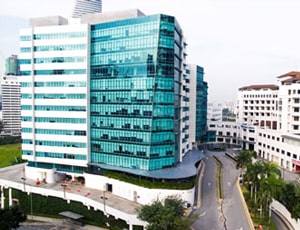
In Kuala Lumpur, Malaysia, ParkCity Medical Centre is a 300-bed, cutting-edge, interdisciplinary private hospital that provides award-winning private healthcare in an environment of lush vegetation.

Breast Cancer Treatment in Subang Jaya Medical Centre: Costs, Top Doctors, and Reviews

Kuala Lumpur, Malaysia

  • Joint Commission International, or JCI

Subang Jaya Medical Center is renowned for pioneering radiation oncology treatments and infrastructure in Malaysia. The hospital also has a state-of-the-art Cancer Radiosurgery Centre (CRC), which is fully furnished with the latest medical technology for cancer detection, monitoring, and treatment.

Breast Cancer Treatment in Ara Damansara Medical Centre: Costs, Top Doctors, and Reviews

Kuala Lumpur, Malaysia

  • Joint Commission International, or JCI

Situated at the junction of Petaling Jaya and Shah Alam, close to the Oasis Ara, Ara Damansara Medical Centre boasts a serene, luxurious ambiance.

The Centre has been awarded several prestigious awards such as the Global Health Asia Pacific Awards 2023, Newsweek Best Specialized Hospital APAC 2023, Healthcare Asia Awards 2023, and Malaysian Healthcare Wellness Excellence.

Breast Cancer Treatment in Bukit Tinggi Medical Centre: Costs, Top Doctors, and Reviews

Kuala Lumpur, Malaysia

As a tertiary care hospital, Bukit Tinggi Medical Centre (BTMC) is committed to providing high-quality, reasonably priced healthcare.

With a focus on patient care and a team of committed medical professionals and personnel, we want to realize our ambition of becoming Klang's go-to healthcare provider. Orthopedics, neurosurgery, cardiac surgery, obstetrics and gynecology, pediatrics and rehabilitation, aesthetic surgery, and other specialties are all part of our multidisciplinary team approach. Additionally, BTMC has a Health Screening Center that provides a range of health packages to meet the requirements of diverse patient types.

Need Some Advice From Our Experts?

Request a Call Back Now!

Our team of healthcare experts would be happy to assist you

trusted Patientstrusted Patients+99
Trusted by 50000+ Patients
Required | alphabets and spaces
Required | A valid, working email address
Required | A valid contact

Process Involved for Breast Cancer Treatment in Malaysia

  • Consultation: Share information about the diagnosis, staging, and treatment options with a specialist in breast cancer, an oncologist, or a surgeon.
  • Preoperative evaluation: Imaging procedures and biopsy are conducted to evaluate the tumour's size, site, and metastasis to lymph nodes or distant organs.
  • Discussion with Treatment: Treatment is discussed, which can be surgery, chemotherapy, radiation therapy, hormone therapy, targeted therapy, immunotherapy, or a combination depending on the type and stage of the cancer.
  • Planning Surgery: If surgery is needed, information about the procedure is discussed.
  • Post-Surgery, Follow-up: Regular follow-up visits and imaging are done to assess recovery, look for recurrence, and treat side effects or complications.
  • Invasive ductal carcinoma (IDC)
  • Invasive lobular carcinoma (ILC)
  • Early-stage breast cancer
  • Locally advanced breast cancer
  • Hormone receptor-positive breast cancer
  • HER2-positive breast cancer
  • Triple-negative breast cancer
  • Breast cancer therapy is advised in those patients diagnosed with a variety of breast cancer subtypes, such as invasive ductal carcinoma, invasive lobular carcinoma, and other subtypes.
  • The suitability for treatment would also vary according to the location, stage, and type of the tumor and the patient's general well-being, hormone receptor status, HER2 status, and other medical factors.
  • Surgical resection (lumpectomy, mastectomy)
  • Chemotherapy
  • Radiation therapy
  • Hormone therapy
  • Targeted therapy
  • Immunotherapy
  • Reduces mortality by excising or eliminating the tumor and deterring recurrence.
  • It can decrease symptoms like pain, swelling, and skin changes.
  • Offers reconstructive surgery options for enhancing aesthetic results following mastectomy.
  • Improves the quality of life by enabling early discovery and tailored treatment methods.
  • Medical Oncologist
  • Radiation Oncologist
  • Surgical Oncologist
  • Fill out the inquiry form: Fill out the form to provide us with the relevant information about your condition.
  • Consult with Our Healthcare Expert: One of our qualified specialists will contact you for a consultation.
  • Receive a Detailed Treatment Plan: After examining your situation, we will provide you with a detailed treatment plan that includes expert views and cost breakdowns for various choices.
  • Choose your preferred option: Choose the treatment option that suits you the best.

Instantly Connect with our Breast Cancer Treatment Specialists

Doctor 1
Doctor 2
Doctor 3
Doctor 4
Doctor 5
Doctor 6
Doctor 7
Doctor 8
Our Services to Better your Experience

Opinion & Option

We submit the most accurate opinion and options from one or more countries for your review

Consult Privately

Consult with a certified specialist privately on our telemedicine platform even before you decide to travel

Logistics

We handle flights, visas, transfers, and accommodation—so you can focus on your health.

Recovery

Our In-house rehabilitation service packages to better your recovery and treatment outcome

Other Popular Countries for Breast Cancer Treatment

Our network connects you with the leading medical tourism destinations globally, offering a wide range of cities, top doctors, and flexible pricing options.

United Arab Emirates
India
Turkey
China

Frequently Asked Questions

Many hospitals across the country offer Breast Cancer Treatment to international patients. For quick reference, the following are some of the leading hospitals for Breast Cancer Treatment in Malaysia:

  1. Parkway Pantai
  2. Subang Jaya Medical Centre
  3. Ara Damansara Medical Centre
  4. ParkCity Medical Centre
  5. Bukit Tinggi Medical Centre
  6. Prince Court Medical Centre
  7. Sunway Medical Centre

A. While the speed of recovery may vary from patient to patient, they are still required to stay for about 30 days after discharge. This is important to ensure that the surgery was successful. During this time, control and follow-up tests take place to check for medical fitness.

A. Apart from the Breast Cancer Treatment cost, there are a few other daily charges that the patient may have to pay. These are the charges for daily meals and accommodation outside the hospital. The per day extra expenses in Malaysia per person are about USD 100 per person.

A. Some of the popular cities in Malaysia that offer Breast Cancer Treatment include the following:

  • Kuala Lumpur
  • Subang Jaya
  • Shah Alam
  • Port Klang

A. After Breast Cancer Treatment, the patient is supposed to stay for about 4 days in the hospital for recovery and monitoring. During the recovery, the patient is carefully monitored and control tests are performed to see that everything is okay. If required, physiotherapy sessions are also planned during recovery in the hospital.

A. There are more than 5 hospitals that offer Breast Cancer Treatment in Malaysia. These clinics have proper infrastructure for the treatment of patients who require kidney transplants. These hospitals comply with all the rules and regulations as dictated by the regulatory bodies and medical associations in Malaysia.

A. Early signs of breast cancer include:

  • Lump in the breast or underarm: A firm, painless lump.
  • Changes in size or shape: Breast enlargement or unevenness, or a change in the shape of a nipple.
  • Skin changes: This includes skin redness, skin pitting, or “orange peel appearance” of the skin.
  • Nipple changes: Something that is poured off or out, a reversal of functions, or sensitivity.
  • Pain or tenderness: Breast or nipple pain, which has no other logical cause and that cannot be relieved by taking ordinary painkillers.
  • Swelling in the armpit or collarbone area: Firm enlarged lumps or swelling in other parts of the body such as lymph nodes.

A. Breast cancer treatment options include:

  • Surgery:
  • Lumpectomy: Dissection of the tumor while sparing the breast.
  • Mastectomy: Removes the entire breast.
  • Radiotherapy: Kills cancer cells and minimizes their recurrence through radiation therapy.
  • Chemotherapy: Substances that can restrain cancer growth or annihilate cancer cells.
  • Hormone Therapy: For hormone-receptor-positive cancers, reduces or sometimes blocks the hormones that make the cancer grow.
  • Targeted Therapy: Couples with specific cancer cell proteins such as trastuzumab which lock on to the HER2 present in breast cancer cells.
  • Immunotherapy: Enhances the immune response against cancer and is employed where the condition has advanced to this level.

The type of treatment depends on the type and the stage of the disease and may include several methods at once.

A. This is the writing on the wall of the organization to inform potential clients that mastectomy is not the only method for treating breast cancer. Lumpectomy, also known as breast-sparing surgery, is used for smaller or early-stage cancer, involving the removal of the tumor and a margin of healthy skin around the tumor, and a large portion of the breast is left behind. This is then often characterized by radiotherapy to minimize the chances of relapse.

Other forms of treatment may also be administered at any time before or after surgery depending on the properties of the cancer including size, type, and stage; these include chemotherapy, hormone therapy, and targeted therapy. Sometimes clinical trials provide methods of treatment that are not available in other settings. Although mastectomy can still be advocated for higher-stage cancers, doing a lumpectomy with radiation may be as good for most patients. The latter shows that the treatment is best individualized according to some factors.

A. Breast cancer is diagnosed through the following steps:

  • Physical Exam: A doctor feels for any lumps or any irregularity in the breast and the underarm.
  • Mammography: An X-ray to be taken of the breast to check for tumors or other signs of abnormal tissue.
  • Ultrasound: Employment of sound waves to separate between a solid mass and one filled with cysts.
  • Biopsy: A small part of the looked-at tissue is taken for tests for cancerous cells.
  • MRI (Magnetic Resonance Imaging): Cumbersome representations of the breast tissue good for high-risk clients.
  • Genetic Testing: This can be done also to see if the patient has inherited mutations which may include BRCA 1, BRCA 2, and other factors.

A. Breast cancer has an approximately 5-year survival rate of about 90% across all stages. Cancer-specific survival rates by stage include Stage 0 or I rate stands at about 100% while Stage IV has a rate of about 22%. Under survival factors, there are situating of cancer, type, response to treatment, and comorbid conditions. The diseases are easy to diagnose and new techniques in treatment have further enhanced the prospects.

A. Role of chemotherapy in breast cancer treatment: Chemotherapy employs the use of chemicals that eliminate cancer cells, reduce the size of tumors, and minimize the chance of regrowth. It is sometimes given before surgery to shrink the cancer before it is treated surgically (neoadjuvant); sometimes after surgery to kill any residual cancer cells that may be present (adjuvant); or sometimes in patients with far advanced cancer who are not fit for surgery or radiation.

A. Effectiveness of radiation therapy for breast cancer: Adjuvant radiation therapy should be used since it helps eradicate all residual cancer cells left after surgery and also reduces cancer relapse in the early stage of breast cancer.

A. Side effects of breast cancer treatment: Common side effects of treatment are as follows: Fatigue, nausea, hair loss, skin issues, pain, and vulnerability to infections. Two possible side effects of hormone therapy are hot flashes and joint pain.

A. Duration of breast cancer treatment: The course of treatment is different; however, chemotherapy takes 3 to 6 months, radiation takes about 3 to 6 weeks, and hormone therapy might take up to 5-10 years based on the severity of the case.

Author

Dr. Vijita Jayan

BPT, MPT (Neuro)

18 Years of Experience

With over 18 years of distinguished clinical experience, Dr. Vijita Jayan is a highly accomplished Clinical Director and Rehabilitation Specialist, renowned for her expertise in neuro-rehabilitation, functional recovery, and mobility-dependent case management. Her extensive practical knowledge enables her to design and implement individualized, evidence-based rehabilitation protocols that consistently yield measurable patient outcomes. A prolific researcher and academic writer, she has authored numerous peer-reviewed articles and research papers, significantly advancing the field of rehabilitative medicine. The recipient of multiple prestigious accolades, Dr. Jayan is widely regarded as one of the foremost authorities in Physical Medicine and Rehabilitation, continually shaping neuro-rehabilitative care through research, innovation, and clinical excellence.. View More

Reviewer

Dr Prateek Varshney

Surgical Oncologist

15 Years of Experience

Dr. Prateek Varshney is a renowned Surgical Oncologist. He has experience of more than 15+ years in surgical Oncology. He is currently practicing as a consultant at Metro Mass Hospital and Cancer Institute. He was also previously associated as a consultant with Sir Ganga Ram Hospital and as a professor at Gujarat Cancer Research Institute. View More