Affordable World-class Treatment - Accredited Hospitals - Free Treatment Plan in 24 Hrs

Share your details to receive a personalised treatment plan, estimated costs, hospital recommendations, and expert guidance, “completely free.”
Your information is protected with HIPAA-compliant security standards. We only share your details with hospitals after your consent.
The cost of Pacemaker Implant Single Chamber in United Arab Emirates typically ranges between USD 7000.
However, this cost can vary depending on several factors, including the type and severity of the condition, treatment techniques chosen, the healthcare facility's location and reputation, the treating professionals' experience and specialisation, and the patient's overall health status.
Additionally, factors like the duration of treatment, the need for follow-up care, and the use of advanced technologies or specialised treatments can further influence the overall cost.
A pacemaker is a tiny electronic device implanted in the chest, generally just below the collarbone, to assist in controlling sluggish electrical issues with the heart. A pacemaker might be suggested to prevent the heartbeat from falling to an improperly low rate.
For most people, the lead is connected to a single-chamber pacemaker's right ventricle (lower cardiac chamber), which regulates heartbeat pacing. Depending on your symptoms and the pacing you require, the lead may also be sent to your right atrium or higher heart chamber to trigger the pacing there.
| City | Cost (USD) | |
|---|---|---|
| Abu Dhabi | $7,000 | Explore More |
| Ajman | $6,300 | Explore More |
| Dubai | $7,000 | Explore More |
| Sharjah | $7,000 | Explore More |


Our dedicated Medical Patient Advisors are here to answer your questions, help you compare treatment options, estimate costs, and guide you through every step of your healthcare journey.
A pacemaker is a tiny, battery-operated device that ensures your heart beats at the right speed. Surgery is required to implant the pacemaker, usually beneath the skin near your collarbone. It's also known as a cardiac pacing device.
A pacemaker implant is a small device that weighs around 20 g to 50 g and is the size of a matchbox. It has a pulse generator with a battery, a tiny computer circuit, and a few wires called pacing leads. This system is attached to the heart and it emits signals through the wires. The pacing rate or the rate of electrical impulses can be adjusted as per the requirement of the body and be accordingly programmed. It can sense if a heartbeat is missed or if the heart is beating too slowly. Accordingly, it starts sending a steady signal to normalize the beating of the heart. If the beats are normal, then it simply does not send any signal.
A pacemaker is an electrical device that stimulates the heart to maintain a regular beat, speeding it up or slowing it down. The heart's natural electrical system keeps its rhythm normally, but this can become compromised in cases of injury to the heart muscle, certain medications, or genetic conditions. Pacemakers are often needed in some cases of heart failure and for long-standing slow or irregular heart rates.
Consult a doctor if you experience shortness of breath, palpitations, dizziness, fainting, or unexpected fatigue.
Preparation includes a complete assessment, such as an echocardiography, Holter monitor, ECG (electrocardiogram), and blood tests. Your physician may recommend stopping certain medications, including blood thinners, and fasting before the procedure.
Most patients remain in the hospital for a day following the one to two-hour pacemaker procedure. It can take several days to weeks to fully recover and return to normal activities.
After pacemaker implantation, patients must keep their wounds clean, limit arm movement, and avoid strong magnets. The battery is good for five to fifteen years and must be serviced routinely.
Over 95% of individuals who receive a pacemaker implant indicate that they feel better and have improved heart function. Well-selected patients have significantly improved quality of life and long-term survival.
95%
Success rate for successful device implantation and rhythm control1–2 days
Typical hospital stay2–4 weeks
Return to normal daily activities with temporary arm movement restrictionsAbu Dhabi, United Arab Emirates
Sharjah, United Arab Emirates
Dubai, United Arab Emirates
Ajman, United Arab Emirates
Our experienced Medical Patient Advisors have supported 100,000+ patients across 120+ countries with personalised treatment plans, hospital recommendations, cost estimates, and travel assistance, all free.
✓ Free Consultation ✓ No Obligation ✓ Personalized Treatment Plan ✓ Response Within 24 Hours
Your medical info is kept HIPAA-style confidential. We never share with hospitals without your consent.

Opinion & Option
We submit the most accurate opinion and options from one or more countries for your review
Consult Privately
Consult with a certified specialist privately on our telemedicine platform even before you decide to travel
Logistics
We handle flights, visas, transfers, and accommodation—so you can focus on your health.
Recovery
Our In-house rehabilitation service packages to better your recovery and treatment outcome

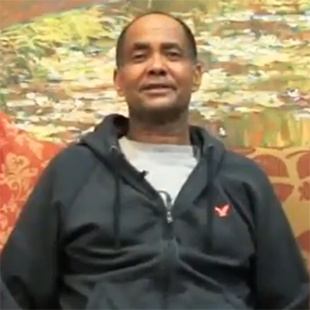
Mr. Hailu Kassa underwent Coronary Artery Bypass Surgery in Vejthani Hospital, Thailand under the supervision of Dr. Piya, Cardio-Thoracic Surgeon

Patient Testimonial: Rod Schaubroeck from United States (U.S.A) underwent heart valve replacement at Fortis Hospital, India
A. In the United Arab Emirates, the average starting cost for Pacemaker Implantation Surgery is USD 7000. Only some of the best and certified hospitals in the United Arab Emirates perform Pacemaker Implantation Surgery for international patients.
A. The cost of Pacemaker Implantation Surgery in the United Arab Emirates may differ from one medical facility to the other. Many hospitals cover the cost of pre-surgical investigations of the patient in the treatment package. The comprehensive surgery package cost includes the cost of investigations, surgery, medicines, and consumables. A prolonged hospital stay due to delayed recovery, new diagnosis, and complications after surgery may increase the cost of Pacemaker Implantation Surgery in the United Arab Emirates.
A. A single-chamber pacemaker is a medical device that helps people with specific arrhythmias (irregular heartbeats) control their cardiac rhythm. It has one lead and a pulse generator as its components.
A. Single-chamber pacemakers differ in terms of how they work, how they are made, and which heart chamber they are meant to pace. The available types of single-chamber pacemakers are as follows:
A. The pacemaker implantation process is a multi-step process that is usually performed in a hospital. This is a broad synopsis of the procedure:
A. There are various advantages to a single-chamber pacemaker, especially for those with certain kinds of cardiac rhythm abnormalities. The following are some of the main benefits:
A. Pacemaker implantation indeed carries some risks and consequences, even though the treatment is normally safe. Here is a summary of possible problems:
A. The battery life of a pacemaker can range from three years for a small child's dual-chamber device to fifteen years for a large, infrequently-operating single-chamber device. If the pacemaker is running continuously, there is a gradual lowering of the paced rhythm when the battery begins to fail.
A. Following pacemaker implantation, specific lifestyle adjustments, and safety measures are required to guarantee device functionality and to support general health. This is a detailed list of suggested changes:
A. There are several best hospitals for Pacemaker Implantation Surgery in the United Arab Emirates. The following are some of the most renowned hospitals for Pacemaker Implantation Surgery in the United Arab Emirates:
A. After Pacemaker Implantation Surgery in the United Arab Emirates, the patient is supposed to stay in a guest house for another 14 days. This duration of stay is recommended to complete all the necessary follow-ups and control tests to ensure that the surgery was successful.
A. Apart from the Pacemaker Implantation Surgery cost, there are a few other daily charges that the patient may have to pay. These are the charges for daily meals and accommodation outside the hospital. The per day cost in this case may start from USD 50 per person.
A. Some of the best cities in the United Arab Emirates which offer Pacemaker Implantation Surgery are:
A. Patients can opt for video telemedicine consultation before they come for Pacemaker Implantation Surgery in the United Arab Emirates. Some of the surgeons offering this service include the following
| Doctor | Cost | Schedule Your Appointment |
|---|---|---|
| Dr. Ala Eldin Farasin | USD 173 | Schedule Now |
A. The patient has to spend about 3 days in the hospital after Pacemaker Implantation Surgery for proper recovery and to get clearance for discharge. During the recovery, the patient is carefully monitored and control tests are performed to see that everything is okay. If required, physiotherapy sessions are also planned during recovery in the hospital.
A. The average rating for Pacemaker Implantation Surgery hospitals in the United Arab Emirates is 4.5. This rating is automatically calculated based on several parameters such as the infrastructure of the hospital, quality of services, nursing support, and other services.
A. There are more than 20 hospitals that offer Pacemaker Implantation Surgery in the United Arab Emirates. These hospitals have proper infrastructure for the treatment of patients who require kidney transplants. These hospitals comply with all the rules and regulations as dictated by the regulatory bodies and medical associations in the United Arab Emirates
A. Some of the most sought-after medical specialists for Pacemaker Implantation Surgery in the United Arab Emirates are:
Have your reports reviewed by independent oncology experts to help you make a confident treatment decision, all online within 48 hours.
Upload Your Reports