Your Notifications
All done, no notifications

Pacemaker Implantation Surgery Cost in Egypt

USD 3500 - USD 11000

Affordable World-class Treatment - Accredited Hospitals - Free Treatment Plan in 24 Hrs

1
Days in Hospital
1-2 hrs
Procedure Time
95 - 99%
Success Rate
Pacemaker Implantation: Cost, Procedure and Clinics | MediGence
JCI/ISO 100,000+ Patients 24X7 Coordinator Visa & Travel handled
Your all-in-one medical travel platform for treatment, recovery & care.

Get Your Personalised Treatment Plan in Just 24 Hours.

Share your details to receive a personalised treatment plan, estimated costs, hospital recommendations, and expert guidance, “completely free.”

Required | alphabets and spaces
Required | A valid, working email address
Required | A valid contact
Connect with an Expert

Your information is protected with HIPAA-compliant security standards. We only share your details with hospitals after your consent.

Estimated Treatment Cost
USD 3500 - USD 11000
All-inclusive • Hospital + Medications + Recovery Assistance + Dedicated Care Coordinator

International Quality. Affordable Care.

What's included in your Pacemaker Implantation Surgery quote?

Pacemaker Implantation Surgery
Surgical implantation of a pacemaker to regulate abnormal heart rhythms
Cardiologist consultation
Pre-surgery evaluation, treatment planning, and post-operative follow-up consultations
Hospital stay & supportive care
Procedure, anaesthesia, nursing care, and cardiac monitoring
Follow-up monitoring
Device programming, ECG checks, and routine follow-up visits
Visa & medical-visa invite letter
Airport pickup & transfers

Cost of Pacemaker Implantation Surgery in Major Cities of Egypt

CityCost (USD)
Alexandria Get Quote Explore More
Cairo Get Quote Explore More

Pacemaker Implant Single Chamber - Egypt Vs the World

$0 - $0
$3k - $6k
$3k - $10k
$4k - $8k
$6k - $14k
$8k - $15k
$8k - $15k
$8k - $15k
$8k - $12k
$10k - $16k
$12k - $17k
$18k - $28k
Tanya Bose
Author

MSc Biotechnology

4 Years of Experience

Tanya Bose is a medical content specialist with a strong medical background. She has completed her Bachelor's and Master’s in Biotechnology from Amity University. With a deep understanding of biomedical sciences and research, she develops authoritative and patient-focused medical content covering treatments, surgical procedures, and healthcare innovations. Her writing emphasizes accuracy, clarity, and evidence-based information to help readers better understand complex medical topics. She is dedicated to improving patient awareness and supporting informed healthcare decisions by delivering trustworthy medical insights in a clear and accessible format.
View More
Dr. Naresh Kumar Goyal
Reviewer

Cardiologist

21 Years of Experience

Last Reviewed - June 2026

Dr. Naresh Kumar Goyal is highly trained as a cardiologist with exposure in virtually all aspects of cardiology. He qualified with an MD in internal medicine in 1999 from SMS Medical College, Jaipur, and served in the Cardiology Department as an honorary resident. From this stage, he also started with training in the temporary pacing of the pacemaker as well as interventional services.
View More

Need Help Choosing the Right Treatment? Talk to a Medical Advisor

Our dedicated Medical Patient Advisors are here to answer your questions, help you compare treatment options, estimate costs, and guide you through every step of your healthcare journey.

15 min
Average response time

Serving Patients Worldwide in Multiple Languages.

A pacemaker is a tiny, battery-operated device that ensures your heart beats at the right speed. Surgery is required to implant the pacemaker, usually beneath the skin near your collarbone. It's also known as a cardiac pacing device.

A pacemaker implant is a small device that weighs around 20 g to 50 g and is the size of a matchbox. It has a pulse generator with a battery, a tiny computer circuit, and a few wires called pacing leads. This system is attached to the heart and it emits signals through the wires. The pacing rate or the rate of electrical impulses can be adjusted as per the requirement of the body and be accordingly programmed. It can sense if a heartbeat is missed or if the heart is beating too slowly. Accordingly, it starts sending a steady signal to normalize the beating of the heart. If the beats are normal, then it simply does not send any signal.

A pacemaker might be necessary if:
  • You have chronic heart failure, which is characterized by a prolonged, weak, or irregular heartbeat.
  • A pacemaker only activates when it detects irregular heartbeats. For instance, the pacemaker can adjust the heartbeat by sending electrical signals if it beats too slowly.
Pacemakers come in various types:
  • Single Chamber Pacemaker: Sends electrical signals to the lower right chamber of the heart.
  • Dual Chamber Pacemaker: Sends electrical signals to both the upper and lower right heart chambers.
  • Ventricular Pacemaker (Cardiac Resynchronization Pacemaker): Designed for individuals with heart failure and a slow heartbeat.Stimulates both lower heart chambers to strengthen the heart muscle.
Explore Hospitals ( 2 )

Cairo, Egypt

3000+ Beds · 185+ Procedures
JCI
Starting
USD 7000

Alexandria, Egypt

3000+ Beds · 185+ Procedures
JCI
Starting
USD 3500

Get Your Pacemaker Implantation Surgery
Plan in 24 hrs.

Our experienced Medical Patient Advisors have supported 100,000+ patients across 120+ countries with personalised treatment plans, hospital recommendations, cost estimates, and travel assistance, all free.

HIPAA-Compliant Data SecurityShared Only with Your Consent

Free Consultation No Obligation Personalized Treatment Plan Response Within 24 Hours

Required | alphabets and spaces
Required | A valid, working email address
Required | A valid contact

Your medical info is kept HIPAA-style confidential. We never share with hospitals without your consent.

Jenny Wilson
Your Dedicated Medical Patient Advisor
Treatment planning • Hospital coordination • Multilingual support • Response within 15 minutes.
Our Services to Better your Experience

Opinion & Option

We submit the most accurate opinion and options from one or more countries for your review

Consult Privately

Consult with a certified specialist privately on our telemedicine platform even before you decide to travel

Logistics

We handle flights, visas, transfers, and accommodation—so you can focus on your health.

Recovery

Our In-house rehabilitation service packages to better your recovery and treatment outcome

Patient Stories

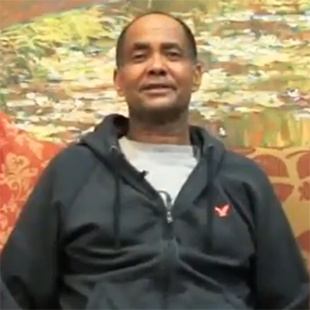
Mr Hailu Kassa : CABG Surgery
Mr Hailu Kassa
Mr Hailu Kassa : CABG Surgery

Mr. Hailu Kassa underwent Coronary Artery Bypass Surgery in Vejthani Hospital, Thailand under the supervision of Dr. Piya, Cardio-Thoracic Surgeon

Rod Schaubroeck
Rod Schaubroeck
Rod Schaubroeck : Double Valve Replacement

Patient Testimonial: Rod Schaubroeck from United States (U.S.A) underwent heart valve replacement at Fortis Hospital, India

Frequently Asked Questions

The cost of Pacemaker Implantation Surgery in Egypt is }Cost}, and it depends on factors such as the type of pacemaker (single-chamber, dual-chamber, or biventricular), hospital, surgeon's expertise, diagnostic tests, hospital stay, and post-operative care. The quoted price generally includes the device, implantation procedure, hospitalisation, and routine follow-up, though additional investigations or management of complications may incur extra charges.

Some of the best hospitals in Egypt for Pacemaker Implantation Surgery include:
  • Saudi German Hospital
  • Choose a certified cardiologist or cardiac electrophysiologist with extensive experience in pacemaker implantation. Consider the doctor's success rates, experience with advanced pacing systems, hospital affiliation, patient reviews, and ability to provide long-term device follow-up and remote monitoring.

    The appropriate pacemaker depends on your diagnosis. Single-chamber devices are used for certain rhythm disorders; dual-chamber pacemakers coordinate the upper and lower heart chambers; while CRT devices are recommended for selected patients with heart failure.

    Most pacemaker batteries last between 8 and 15 years, depending on the type of device, pacing requirements, and usage. Regular follow-up helps monitor battery life and plan timely replacement.

    Yes. Most patients return to normal daily activities after recovery. Exercise, travel, and work are usually possible with your cardiologist's approval, although certain precautions around strong electromagnetic fields may be advised.

    Modern pacemakers are generally safe around airport security systems. Patients should carry their pacemaker identification card and inform security personnel before screening to avoid prolonged exposure to handheld metal detectors.

    The first follow-up is usually scheduled within a few weeks after implantation, followed by periodic device checks every 3-12 months. Many modern pacemakers also support remote monitoring, allowing doctors to assess device performance without requiring frequent hospital visits.

    Pacemaker implantation is a highly successful procedure, with success rates generally exceeding 95% in experienced centers. Most patients experience significant improvement in symptoms such as dizziness, fainting, fatigue, and slow heart rate after implantation.

    Hospitals in Egypt commonly offer:
  • Single-chamber pacemakers
  • Dual-chamber pacemakers
  • Biventricular pacemakers (Cardiac Resynchronisation Therapy - CRT)
  • Leadless pacemakers
  • MRI-compatible pacemakers
  • Remote monitoring systems
  • Fluoroscopy-guided implantation
  • Electroanatomical mapping in complex cases
  • Although generally safe, potential risks include:
  • Infection at the implant site
  • Bleeding or hematoma
  • Lead displacement
  • Pneumothorax (collapsed lung)
  • Device malfunction
  • Blood vessel injury
  • Allergic reaction to anesthesia
  • Rare need for revision surgery
  • Carry your medical records, ECGs, Holter monitoring reports, echocardiograms, blood tests, medication list, passport, visa, and insurance documents. Discuss current medications with your doctor, particularly blood thinners, and arrange accommodation for the recovery period.

    Yes. Most international hospitals provide virtual consultations to review your investigations, confirm whether a pacemaker is required, recommend the appropriate device, estimate costs, and help you plan your medical travel.

    International patients should carry:
  • Passport and visa
  • Medical history
  • ECG and Holter monitoring reports
  • Echocardiogram reports
  • Blood investigations
  • Current medication list
  • Referral letter (if available)
  • Previous cardiac procedure records
  • Insurance documents (if applicable)
  • Most patients stay in the hospital for 1-3 days. International patients are usually advised to remain in Egypt for approximately 7-14 days for wound assessment, pacemaker programming, and follow-up before returning home.

    Most patients resume light daily activities within one week. Complete recovery generally takes 4-6 weeks. During this period, patients should avoid heavy lifting and excessive shoulder movement on the side of implantation.

    Hospitals closely monitor patients for any complications. If issues such as infection, lead displacement, or device malfunction occur, prompt treatment may include antibiotics, device reprogramming, lead repositioning, or replacement surgery. MediGence also helps coordinate follow-up care with your treating hospital.

    You can book Pacemaker Implantation Surgery through the MediGence platform. Simply submit your medical reports for review, receive personalized treatment recommendations and cost estimates, schedule an online consultation with leading cardiac specialists, and receive assistance with hospital selection, visa support, travel arrangements, accommodation, airport transfers, and post-treatment follow-up.

    Egypt offers experienced electrophysiologists, internationally accredited hospitals, modern cardiac catheterisation laboratories, access to the latest pacemaker technologies, shorter waiting times, and comprehensive care at competitive costs, making it a preferred destination for international cardiac patients.

    Depending on the patient's condition, treatment options include:
  • Single-chamber pacemaker implantation
  • Dual-chamber pacemaker implantation
  • Biventricular pacemaker (CRT)
  • Leadless pacemaker implantation
  • Temporary pacemaker insertion
  • Pacemaker replacement or battery replacement
  • Pacemaker lead revision
  • Remote device monitoring and follow-up
  • Not Sure About Your Treatment Plan? Get a Free Second Opinion

    Have your reports reviewed by independent oncology experts to help you make a confident treatment decision, all online within 48 hours.

    Upload Your Reports
    Free second opinion on your CAR-T plan