Your Notifications
All done, no notifications

Pacemaker Implantation Surgery Cost in Thailand

Costs starts from USD8000 to USD12000
Filters

How Much Does Pacemaker Implant Single Chamber Cost in Thailand?

The cost of Pacemaker Implant Single Chamber in Thailand typically ranges between USD 8000 - USD 12000.

However, this cost can vary depending on several factors, including the type and severity of the condition, treatment techniques chosen, the healthcare facility's location and reputation, the treating professionals' experience and specialisation, and the patient's overall health status.

Additionally, factors like the duration of treatment, the need for follow-up care, and the use of advanced technologies or specialised treatments can further influence the overall cost.

Factors Influencing the Cost of Pacemaker Implant Single Chamber:

A pacemaker is a tiny electronic device implanted in the chest, generally just below the collarbone, to assist in controlling sluggish electrical issues with the heart. A pacemaker might be suggested to prevent the heartbeat from falling to an improperly low rate.

For most people, the lead is connected to a single-chamber pacemaker's right ventricle (lower cardiac chamber), which regulates heartbeat pacing. Depending on your symptoms and the pacing you require, the lead may also be sent to your right atrium or higher heart chamber to trigger the pacing there.

Cost of Pacemaker Implantation Surgery in Major Cities of Thailand

CityMinimum Cost (USD)Minimum Cost (THB)Maximum Cost (USD)Maximum Cost (THB)
BangkokUSD 8000261680USD 12000392520

Pacemaker Implantation Surgery Cost : A Global Comparison

CountryMinimum CostMinimum Local CurrencyMaximum CostMaximum Local Currency
CzechiaUSD 8000CZK 176160USD 18000CZK 396360
HungaryUSD 4000HUF 1428320USD 14000HUF 4999120
IndiaUSD 3000INR 256920USD 5500INR 471020
Israelget request
LithuaniaUSD 5000LTL 17104USD 10000LTL 34207
MalaysiaUSD 7500MYR 31800USD 15000MYR 63600
MoroccoUSD 5000MAD 46150USD 10000MAD 92300
PolandUSD 5000PLN 18800USD 10000PLN 37600
Saudi ArabiaUSD 8000SAR 30000USD 15000SAR 56250
SingaporeUSD 3000SGD 3870USD 10000SGD 12900
South AfricaUSD 11500ZAR 206655USD 20174ZAR 362527
South KoreaUSD 8000KRW 11007840USD 15000KRW 20639700
SpainUSD 11657ESP 1714044USD 16653ESP 2448655
SwitzerlandUSD 10000CHF 8300USD 50000CHF 41500
ThailandUSD 8000THB 261680USD 12000THB 392520
TunisiaUSD 3000TND 8940USD 8000TND 23840
United Arab Emirates - - USD 7000AED 25690
United KingdomUSD 10400GBP 7696USD 16000GBP 11840

Need Help Planning Your Treatment Abroad?

Your 24/7 AI Health Assistant

A pacemaker is a tiny, battery-operated device that ensures your heart beats at the right speed. Surgery is required to implant the pacemaker, usually beneath the skin near your collarbone. It's also known as a cardiac pacing device.

A pacemaker implant is a small device that weighs around 20 g to 50 g and is the size of a matchbox. It has a pulse generator with a battery, a tiny computer circuit, and a few wires called pacing leads. This system is attached to the heart and it emits signals through the wires. The pacing rate or the rate of electrical impulses can be adjusted as per the requirement of the body and be accordingly programmed. It can sense if a heartbeat is missed or if the heart is beating too slowly. Accordingly, it starts sending a steady signal to normalize the beating of the heart. If the beats are normal, then it simply does not send any signal.

A pacemaker might be necessary if:
  • You have chronic heart failure, which is characterized by a prolonged, weak, or irregular heartbeat.
  • A pacemaker only activates when it detects irregular heartbeats. For instance, the pacemaker can adjust the heartbeat by sending electrical signals if it beats too slowly.
Pacemakers come in various types:
  • Single Chamber Pacemaker: Sends electrical signals to the lower right chamber of the heart.
  • Dual Chamber Pacemaker: Sends electrical signals to both the upper and lower right heart chambers.
  • Ventricular Pacemaker (Cardiac Resynchronization Pacemaker): Designed for individuals with heart failure and a slow heartbeat.Stimulates both lower heart chambers to strengthen the heart muscle.

A pacemaker is an electrical device that stimulates the heart to maintain a regular beat, speeding it up or slowing it down. The heart's natural electrical system keeps its rhythm normally, but this can become compromised in cases of injury to the heart muscle, certain medications, or genetic conditions. Pacemakers are often needed in some cases of heart failure and for long-standing slow or irregular heart rates.

Consult a doctor if you experience shortness of breath, palpitations, dizziness, fainting, or unexpected fatigue.

Preparation includes a complete assessment, such as an echocardiography, Holter monitor, ECG (electrocardiogram), and blood tests. Your physician may recommend stopping certain medications, including blood thinners, and fasting before the procedure.

  • Insertion of a pacemaker is frequently done under local anaesthesia and sedation.
  • A small incision is made near the collarbone.
  • Wires, or leads, are guided into the heart through a vein.
  • The leads are connected to the pacemaker device placed under the skin.
  • To satisfy the needs of the patient, the device is programmed externally.
  • The procedure is minimal and typically requires one to two hours.

Most patients remain in the hospital for a day following the one to two-hour pacemaker procedure. It can take several days to weeks to fully recover and return to normal activities.

  • Infection at the implant site
  • Bleeding or bruising
  • Lead dislodgement
  • Pneumothorax
  • Allergic reaction to anaesthesia
  • Device malfunction
  • Heart perforation

  • Protection against dangerous cardiac arrhythmias
  • Decreases symptoms, such as dizziness and fatigue
  • Enhances activity tolerance and quality of life

After pacemaker implantation, patients must keep their wounds clean, limit arm movement, and avoid strong magnets. The battery is good for five to fifteen years and must be serviced routinely.

Over 95% of individuals who receive a pacemaker implant indicate that they feel better and have improved heart function. Well-selected patients have significantly improved quality of life and long-term survival.

Top Selling Packages for Pacemaker Implantation Surgery

Pacemaker Implantation Surgery

Hisar Intercontinental Hospital, Istanbul, Turkey

USD 20000 USD 22000

Pacemaker Implantation Surgery

Artemis Health Institute, Gurgaon, India

USD 6500 USD 7500

Pacemaker Implantation

Medipol Bahçelievler Hospital, Istanbul, Turkey

USD 12000 USD 14400

Would you like some help? We are available.

Get Help
Explore Hospitals ( 4 )
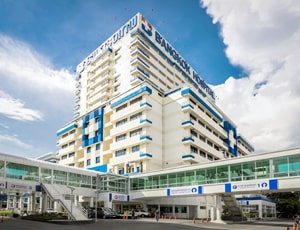
Pacemaker Implantation Surgery in Bangkok Hospital: Costs, Top Doctors, and Reviews

Bangkok, Thailand

  • Joint Commission International, or JCI

Types of Pacemaker Implantation Surgery in Bangkok Hospital and its associated cost

Treatment OptionApproximate Cost Range (USD)Approximate Cost Range (THB)
Pacemaker Implantation Surgery (Overall)16342 - 23703581846 - 826981
Single-Chamber Pacemaker Implantation16447 - 18746576665 - 668408
Dual-Chamber Pacemaker Implantation18175 - 21624640569 - 751975
Biventricular (Cardiac Resynchronization) Pacemaker Implantation20471 - 23567716035 - 845939
Leadless Pacemaker Implantation18263 - 21398645110 - 755370
  • Address: Bangkok Dusit Medical Services, Nong Prue, Bang Phli, Samut Prakan, Thailand
  • Facilities related to Bangkok Hospital: SIM, TV inside room, Accommodation, Choice of Meals
Pacemaker Implantation Surgery in Bangpakok 9 International Hospital: Costs, Top Doctors, and Reviews

Bangkok, Thailand

  • Joint Commission International, or JCI

Types of Pacemaker Implantation Surgery in Bangpakok 9 International Hospital and its associated cost

Treatment OptionApproximate Cost Range (USD)Approximate Cost Range (THB)
Pacemaker Implantation Surgery (Overall)16505 - 23405579042 - 833449
Single-Chamber Pacemaker Implantation16135 - 18700582278 - 670092
Dual-Chamber Pacemaker Implantation18350 - 21608644227 - 771520
Biventricular (Cardiac Resynchronization) Pacemaker Implantation20348 - 23394732280 - 850015
Leadless Pacemaker Implantation17798 - 21387644013 - 770527
  • Address: Bangpakok 9 International Hospital, International Hospital, Rama II Road, Bang Mot, Chom Thong, Bangkok, Thailand
  • Facilities related to Bangpakok 9 International Hospital: Choice of Meals, Interpreter, SIM, TV inside room, Accommodation
Pacemaker Implantation Surgery in Phyathai 2 International Hospital: Costs, Top Doctors, and Reviews

Bangkok, Thailand

  • Joint Commission International, or JCI

Types of Pacemaker Implantation Surgery in Phyathai 2 International Hospital and its associated cost

Treatment OptionApproximate Cost Range (USD)Approximate Cost Range (THB)
Pacemaker Implantation Surgery (Overall)16571 - 23635570437 - 827312
Single-Chamber Pacemaker Implantation16214 - 19190571303 - 684897
Dual-Chamber Pacemaker Implantation18169 - 21744639370 - 745456
Biventricular (Cardiac Resynchronization) Pacemaker Implantation20017 - 23981709668 - 829240
Leadless Pacemaker Implantation18308 - 21230646549 - 754596
  • Address: Phyathai 2 Hospital, Phahonyothin Road, Phaya Thai, Thailand
  • Facilities related to Phyathai 2 International Hospital: Choice of Meals, Interpreter, SIM, TV inside room, Accommodation
Pacemaker Implantation Surgery in Yanhee International Hospital: Costs, Top Doctors, and Reviews

Bangkok, Thailand

  • Joint Commission International, or JCI
  • ISO 9001

Types of Pacemaker Implantation Surgery in Yanhee International Hospital and its associated cost

Treatment OptionApproximate Cost Range (USD)Approximate Cost Range (THB)
Pacemaker Implantation Surgery (Overall)15962 - 23937573489 - 835101
Single-Chamber Pacemaker Implantation16500 - 19004593226 - 673617
Dual-Chamber Pacemaker Implantation17890 - 21077633239 - 761326
Biventricular (Cardiac Resynchronization) Pacemaker Implantation19838 - 23324720587 - 845734
Leadless Pacemaker Implantation18355 - 21399641087 - 745683
  • Address: Yanhee International Hospital, Charan Sanitwong Road, Bang Ao, Bang Phlat, Bangkok, Thailand
  • Facilities related to Yanhee International Hospital: Choice of Meals, SIM, TV inside room, Accommodation, Airport Transfer

Need Some Advice From Our Experts?

Request a Call Back Now!

Our team of healthcare experts would be happy to assist you

trusted Patientstrusted Patients+99
Trusted by 50000+ Patients
Required | alphabets and spaces
Required | A valid, working email address
Required | A valid contact

Process Involved for Pacemaker Implantation Surgery in Thailand

  • Pre-Surgery Evaluation & Diagnosis
    • Electrophysiology Monitoring, CT scan
    • Electrocardiogram (ECG) & stress tests
    • Medical Adjustments
  • Pacemaker Implantation Procedure
    • Anesthesia
    • Lead Placement
    • Pacemaker Placement
    • Testing & Adjustment
  • Post-Surgery Recovery: cardiac monitoring, pain management and activity restriction
  • Follow-Up & Device Programming
  • Bradycardia
  • 1st, 2nd, & 3rd Degree Heart Block
  • Sick Sinus Syndrome
  • Atrial Fibrillation (AFib) with Slow Ventricular Response
  • Congenital Heart Defects
  • Carotid Sinus Syndrome
  • Symptomatic Bradycardia Patients
  • Heart Block Patients
  • Atrial Fibrillation Patients
  • Heart Failure (CRT-P Pacemaker) patients
  • Post-Surgical Arrhythmias
  • Congenital Heart Defects
  • Single-Chamber Pacemaker
  • Dual-Chamber Pacemaker
  • Biventricular Pacemaker
  • Leadless Pacemaker
  • Electrophysiology Study (EPS) & Mapping
  • Lead Extraction & Replacement
  • Cardiac Resynchronization Therapy (CRT) for Heart Failure
  • Implantable Cardioverter Defibrillator (ICD) Placement
  • Coronary Angiography & Angioplasty
  • Bypass Surgery
  • Holter Monitor Test
  • Restores Normal Heart Rhythm
  • Improves Blood Circulation
  • Prevents Cardiac Arrest & Heart Failure
  • Enhances Physical Activity
  • Prevents Fainting & Falls
  • Long-Term Heart Health
  • Cardiologist
  • Cardiac Surgeon
  • Interventional Radiologist
  • Fill out the inquiry form: Fill out the form to provide us with the relevant information about your condition.
  • Consult with Our Healthcare Expert: One of our qualified specialists will contact you for a consultation.
  • Receive a Detailed Treatment Plan :After examining your situation, we will provide you with a detailed treatment plan that includes expert views and cost breakdowns for various choices.
  • Choose your preferred option: Choose the treatment option that suits you the best.

Instantly Connect with our Pacemaker Implantation Surgery Specialists

Doctor 1
Doctor 2
Doctor 3
Doctor 4
Doctor 5
Doctor 6
Doctor 7
Doctor 8
Our Services to Better your Experience

Opinion & Option

We submit the most accurate opinion and options from one or more countries for your review

Consult Privately

Consult with a certified specialist privately on our telemedicine platform even before you decide to travel

Logistics

We handle flights, visas, transfers, and accommodation—so you can focus on your health.

Recovery

Our In-house rehabilitation service packages to better your recovery and treatment outcome

Other Popular Countries for Pacemaker Implantation Surgery

Our network connects you with the leading medical tourism destinations globally, offering a wide range of cities, top doctors, and flexible pricing options.

Vietnam
Singapore
United Arab Emirates
Malaysia

Frequently Asked Questions

A. The average cost of Pacemaker Implantation Surgery in Thailand starts from USD 14500 Pacemaker Implantation Surgery in Thailand is conducted across several Healthcare Accreditation Institute, JCI certified hospitals.

A. Pacemaker Implantation Surgery package cost in Thailand has different inclusions and exclusions. The Pacemaker Implantation Surgery package cost usually includes all the expenses related to pre and post-surgery expenses of the patient. The Pacemaker Implantation Surgery cost in Thailand includes the cost of anesthesia, medicines, hospitalization, and the surgeon's fee. Extended hospital stay, complications after the surgery, or new diagnosis may affect the overall cost of Pacemaker Implantation Surgery in Thailand.

A. Many hospitals in Thailand perform Pacemaker Implantation Surgery. The following are some of the most renowned hospitals for Pacemaker Implantation Surgery in Thailand:

A. A single-chamber pacemaker is a piece of medical equipment used to assist in controlling the heart's rhythm. It is mostly used to treat bradycardia, a condition in which the heart beats excessively slowly or irregularly.

It is made up of three components: an electrode on each lead, one or more leads, and a pulse generator.

  • The heart wall is touched by the electrode at the end of a lead. The electrical impulses are sent to the heart through the lead. Additionally, it detects the electrical activity of the heart and communicates this data back to the pulse generator.
  • An electrical impulse is given through the lead to the electrode and forces the heart to beat more quickly if the heart rate falls below the programmed limit.
  • The pacemaker typically monitors heart rate and does not pace when the heart beats faster than the preprogrammed limit. Typically, the heart won't get any electrical impulses unless its natural heart rate drops below the pacemaker's lower limit.
  • Following pacemaker implantation, follow-up appointments will be made regularly to verify sure the device is operating as intended.

A. There are various advantages to a single-chamber pacemaker, especially for those with certain heart rhythm problems. The main benefits are as follows:

  • Effective for Specific Conditions: Bradycardia, or a sluggish heart rate, that arises from either the ventricle or the atrium is a condition that single-chamber pacemakers are especially good at treating. They are appropriate for patients with isolated atrial or ventricular dysfunction since they are frequently utilized when the issue only affects one chamber.
  • Simpler Device: Compared to dual-chamber or biventricular pacemakers, a single-chamber pacemaker's design is typically simpler because it only uses one lead and one cardiac chamber. This simplicity may result in a simpler implantation process and lower the possibility of device-related problems.
  • minimally invasive procedure: Compared to more complicated pacing systems, the implantation of a single-chamber pacemaker is usually less invasive. As a result, the patient may have less discomfort and need less time to recuperate.
  • Cost-Effectiveness: A single-chamber pacemaker may be less expensive than more sophisticated pacing systems because of its simpler design and fewer parts. Patients and healthcare providers may both benefit from this.
  • Better Quality of Life: A single-chamber pacemaker can greatly lessen symptoms including exhaustion, lightheadedness, and dyspnea in people with sluggish heart rates. It can contribute to improved general health and day-to-day functioning by guaranteeing a more regular heart rate.

A. The steps are as follows:

  • Assessment: The patient has a comprehensive evaluation before the surgery, which may include an electrocardiogram (ECG), a physical examination, and maybe imaging studies. This aids in determining the best pacemaker placement and type that is required.
  • Incision: A little incision is made to install the pacemaker, usually just below the clavicle or collarbone.
  • Lead Insertion: A vein is used to guide one or more leads, or wires, to the proper heart chamber or chambers. The lead for a single-chamber pacemaker is often positioned in the right ventricle or right atrium.
  • Testing: After the pacemaker is installed and the lead is in place, it is tested to make sure the lead is positioned appropriately and that the pacemaker is stimulating the heart as intended.
  • Pulse Generator: The battery and electronic components of the pulse generator are implanted into a pocket made beneath the skin, directly below the collarbone.
  • Protecting the Device: The leads are attached to the pulse generator, which is firmly in place. To ensure correct electrical connectivity and operation, the leads are examined.
  • Closure of Incision: Adhesive strips or sutures are used to close the incision. The area is dressed with antiseptic materials.
  • Routine Monitoring: Patients may also be subject to sporadic remote monitoring, in which the healthcare professional receives data from the pacemaker to check its functionality and identify any problems.

A. Yes, there are some risks and potential consequences involved with pacemaker placement, even though the treatment is normally safe and effective. These are the principal ones:

  • Risk: An infection surrounding the pacemaker pocket or at the location of the incision is a possibility.
  • Lead Dislodgement: The pacemaker's functionality may be impacted if the leads come loose from their designated location.
  • Lead Malfunction or Fracture: Over time, leads may malfunction or break, resulting in pacing problems or loss of function. Lead replacement or repair may be necessary for this.
  • At the site of the incision, bleeding or the development of a hematoma—a localized collection of blood—may happen.
  • While rare, malfunctions of the pacemaker or any of its parts could result in incorrect pacing or device failure.
  • Certain people may experience allergic responses to the materials used in the pacemaker or to the drugs used during the surgery.
  • The presence of a pacemaker may cause worry or psychological stress in certain patients.

A. Single-chamber pacemakers pace just one chamber of the heart to treat particular cardiac rhythm disorders. Single-chamber pacemakers come in a few varieties, each designed to meet particular requirements and circumstances. Below is a summary of the primary types:

  • Single-chamber ventriculoventricular pacemakers: These devices are intended to contract the heart's right ventricle. They are frequently administered to patients who have atrioventricular (AV) node-related bradycardia (slow heart rate) or other conditions that primarily impair ventricular function.
  • Pacemakers with a single chamber: These devices are intended to stimulate the heart's right atrium. Patients with sick sinus syndrome or some forms of atrial bradycardia, for example, whose main problem is with the atrial contraction or rhythm, are treated with them.
  • Pacemakers with programmable single chambers: These devices enable the customization of pacing parameters to suit individual patient requirements. To improve cardiac function, they can be changed for pacing rate, sensitivity, and other factors.
  • Adaptive or Automatic Single-chamber pacemakers: These devices feature sensors that, in response to the patient's activity level or physiological requirements, automatically modify the pacemaker's rate. For instance, they may raise the heart rate when exercising and lower it when they are at rest.
  • Dual-Chamber Pacemakers with Single-Chamber Mode: While most pacemakers are made to be dual-chamber devices, some can also function as single-chamber devices when necessary. This allows for flexibility if the patient's condition changes or pacing is only necessary for one chamber.
  • Leadless pacemakers: These are more recent devices that don't need wires, or leads, put into the heart. Rather, the gadget is surgically inserted into the heart chamber and uses wireless technology to accomplish the pacemaker function.

A. The battery life of a single-chamber pacemaker typically ranges from 5 to 15 years.

A. Following pacemaker implantation, a few lifestyle adjustments and safety measures are required to guarantee the device performs at its best and prevent problems. Here is a broad summary of what could be needed:

  • Initial rest: You should refrain from heavy lifting, intense exercise, and activities that require elevating the arm on the side where the pacemaker was put during the first several weeks following surgery.
  • Electronic Equipment: Steer clear of intense electromagnetic fields at all times. Large magnets, MRI scanners (unless the pacemaker is MRI-compatible), and specific industrial equipment fall under this category.
  • Cell phones: Use your phone on the opposite side of your body and at least six inches away from your pacemaker.
  • Follow-Up Visits: Keep up with routine follow-up checkups to assess the pacemaker's battery life and functionality. If necessary, your doctor will change the device's settings and keep an eye out for any possible problems.
  • Wound Care: Maintain a dry and clean incision site. To avoid infection, take care of the wound according to your doctor's instructions.
  • Observation: Keep an eye out for any indications of infection or problems, like increasing redness, swelling, or discharge from the location of the incision. If you see any of these, get in touch with your doctor.
  • New medications: Let your doctors know if you're taking any new medications because some of them may interfere with the functionality of your pacemaker.

A. After Pacemaker Implantation Surgery in Thailand, the patient is supposed to stay in a guest house for another 14 days. This time frame is important to ensure that the surgery was successful and the patient is fit to fly back.

A. There are certain additional costs that the patient has to pay apart from the Pacemaker Implantation Surgery cost. The per day extra expenses in Thailand per person are about USD 50 per person.

A. Pacemaker Implantation Surgery in Thailand is offered in almost all metropolitan cities, including the following:

  • Bangkok
  • Krabi

A. The entire process normally takes one to two hours, and since it's usually done as an outpatient, patients can usually return home the same day. Most patients return to normal activities within a few days of their surgery, although they may need to refrain from heavy lifting or other strenuous activities for a while.

A. There are more than 5 hospitals that offer Pacemaker Implantation Surgery in Thailand. The above-listed hospitals are approved to perform the surgery and have the proper infrastructure to handle Pacemaker Implantation Surgery patients. Apart from good services, the hospitals are known to follow all standard and legal guidelines as dictated by the local medical affairs body or organization.

A. Some of the renowned doctors for Pacemaker Implantation Surgery in Thailand are:

Author

Alvina Hasan

M.Pharm

1 Year of Experience

Alvina Hasan is a dedicated medical researcher and scientific writer with a strong foundation in the pharmaceutical sciences. She holds a B.Pharm from Jamia Hamdard University and an M.Pharm in Quality Assurance from DIPSAR University. With deep medical expertise and a strong interest in healthcare communication, she focuses on transforming complex clinical and scientific information into clear, engaging, and easy-to-understand narratives. She develops insightful healthcare articles and research-driven pieces designed to support both medical professionals and patients, helping bridge the gap between advanced medical knowledge and practical understanding. . View More

Reviewer

Dr. Naresh Kumar Goyal

Cardiologist

21 Years of Experience

Dr. Naresh Kumar Goyal is highly trained as a cardiologist with exposure in virtually all aspects of cardiology. He qualified with an MD in internal medicine in 1999 from SMS Medical College, Jaipur, and served in the Cardiology Department as an honorary resident. From this stage, he also started with training in the temporary pacing of the pacemaker as well as interventional services. View More