Your Notifications
All done, no notifications

Bone Marrow Transplant Cost in Turkey

Costs starts from USD50000 to USD80000
Filters

How Much Does Bone Marrow Transplant Cost in Turkey?

The cost of Bone Marrow Transplant in Turkey typically ranges between USD 50000 - USD 80000. However, this cost can vary depending on several factors, including the type and severity of the condition, treatment techniques chosen, the healthcare facility's location and reputation, the treating professionals' experience and specialization, and the patient's overall health status.

Additionally, factors like the duration of treatment, the need for follow-up care, and the use of advanced technologies or specialized treatments can further influence the overall cost.

Factors Influencing the Cost of Bone Marrow Transplant:

A bone marrow transplant or BMT is the process by which damaged or abnormal bone marrow is replaced with healthy stem cells. It has been prescribed for the remedy of blood-related diseases such as leukemia, lymphoma, and other diseases like aplastic anemia, sickle cell anemia, etc. There are three main types of BMT: autologous utilizing the patient cells, which use donor cells, and syngeneic from an identical twin. These include administering chemotherapy or radiation to eliminate the affected cells and then transplanting the stem cells to the affected patient’s blood.

Recovery can range from weeks and months, they need constant supervision to address the complications that arise. There are some parameters that influence the success of the transplant, such as the general health of the patient, the type of transplant, and the donor source.

Cost of Bone Marrow Transplant in Major Cities of Turkey

CityMinimum Cost (USD)Minimum Cost (TRY)Maximum Cost (USD)Maximum Cost (TRY)
AnkaraUSD 500001953000USD 800003124800
BursaUSD 500001953000USD 800003124800
IstanbulUSD 500001953000USD 800003124800
KocaeliUSD 500001953000USD 800003124800
SamsunUSD 500001953000USD 800003124800

Bone Marrow Transplant Cost : A Global Comparison

CountryMinimum CostMinimum Local CurrencyMaximum CostMaximum Local Currency
IndiaUSD 25000INR 2141000USD 35000INR 2997400
IsraelUSD 67000ILS 237180USD 161000ILS 569940
Malaysiaget request
SingaporeUSD 120000SGD 154800USD 150000SGD 193500
South KoreaUSD 1500KRW 2063970USD 172330KRW 237122633
ThailandUSD 50000THB 1635500USD 80000THB 2616800
TurkeyUSD 50000TRY 1953000USD 80000TRY 3124800

Need Help Planning Your Treatment Abroad?

Your 24/7 AI Health Assistant

A bone marrow transplant is a process that involves harvesting cells for transplantation from the bone marrow which is the spongy tissue found in the cavities of certain bones such as the hip bones. It is also known as Stem Cell transplant. The bone marrow is rich in stem cells, which are capable of developing into various types of blood cells.

The main objective of bone marrow transplantation (BMT) is to transplant healthy bone marrow cells into a patient after the patient's unhealthy bone marrow has been treated to eliminate cancerous cells.

BMT has been used successfully in the treatment of the following diseases such as:

  1. Aplastic anemia
  2. Immune deficiency disorders
  3. Adrenoleukodystrophy
  4. Bone marrow failure syndromes
  5. Chronic leukemia
  6. Hemoglobinopathies
  7. Hodgkin's lymphoma
  8. Inborn errors of metabolism
  9. Multiple myeloma
  10. Myelodysplastic syndromes
  11. Neuroblastoma
  12. Non-Hodgkin's lymphoma
  13. Plasma cell disorders
  14. POEMS syndrome
  15. Primary amyloidosis

There are two main types of bone marrow transplants (BMT), also known as stem cell transplants, based on the source of the stem cells. These are:

  • Autologous Transplant (AutoBMT): In an autologous transplant, the patient's stem cells are used for the transplant. Before the transplant, the patient's stem cells are collected, usually from the blood, and freeze. After high-dose chemotherapy or radiation treatment to eliminate diseased cells, the stored frozen stem cells are infused back into the patient. This type of transplant is often used in conditions like multiple myeloma or lymphoma.
  • Allogeneic Transplant (AlloBMT): In an allogeneic transplant, the stem cells come from a donor, typically a sibling or unrelated matched donor. Allogeneic transplants are more complex and carry a higher risk of complications, but they can offer a potentially curative treatment for diseases like leukemia, aplastic anemia, or certain genetic disorders.

Autologous BMT treatment is primarily performed for cancers like multiple myeloma, lymphoma, and a few solid tumors. It allows for administering high doses of chemotherapy, which helps the patient restore their healthy bone marrow cells. It is used if the disease is responsive to chemo and a patient's marrow is healthy enough to be harvested and used later.

An initial consultation with a haematologist or oncologist for BMT is warranted if you are diagnosed with a cancer treatable by autologous BMT and have failed conventional treatments or are at high risk of relapse. Otherwise, BMT should be considered if you have persistent symptoms or abnormal blood counts or at the suggestion of your treating oncology team.

Before the procedure begins, you will undergo evaluation for bloodwork and imaging, along with an assessment of organ function. The stem cells will be harvested from your blood via apheresis and stored. Also, depending on your condition, a central line will be placed. It may be recommended that you avoid any infections. Counselling and education before transplants are also part of the procedure.

First, high-dose chemotherapy will be given to kill cancer cells and bone marrow. Next, frozen autologous stem cells are thawed, infused into the bloodstream, travel to the bone marrow, and start regenerating normal blood cells in a sterile hospital environment.

The entire procedure, from stem cell collection to recovery, may continue for weeks. The patient is hospitalised for 2-3 weeks following the procedure and then monitored on an outpatient basis for several months.

  • Infection
  • Bleeding
  • Fatigue
  • Mucositis (low blood counts)
  • Organ damage
  • Graft failure
  • Secondary cancers

  • Autologous BMT increases survival in certain cancers and allows aggressive chemotherapies that could not be tolerated.
  • Immune reconstitution is quicker, generally, and there is no risk of immune rejection.
  • It can be a cure or long-term remission for the patients.

The recovery process consists of immune reconstitution and takes several weeks to months. The patient requires watchful follow-up, especially concerning infection control and supportive care such as transfusions. The diet, activity, and hygiene of the patients are carefully observed. Fatigue will continue until it starts to fade away, while strength is returned slowly.

Success rates vary according to disease, but they are usually quite encouraging. Five-year survival rates may vary between 50 and 80%, depending on the type of cancer and the general health status.

Top Selling Packages for Bone Marrow Transplant

Bone Marrow Transplant (Allogenic)

Aakash Healthcare Super Speciality Hospital, Delhi, India

USD 24000 USD 28800

Bone Marrow Transplant (BMT)- Autologus- Lymphoma

Amrita Hospital, Faridabad, India

USD 18000 USD 19000

Bone Marrow Transplant (BMT)- Allogenic- Haplo

Amrita Hospital, Faridabad, India

USD 36000 USD 37000

Would you like some help? We are available.

Get Help
Explore Hospitals ( 23 )
Bone Marrow Transplant in Medipol Bahçelievler Hospital: Costs, Top Doctors, and Reviews

Istanbul, Turkey

  • Joint Commission International, or JCI

Medipol Bahcelievler Hospital is a medical institution providing a full range of medical and individualized approaches to its patients. Medipol has the ambition to bring high quality and maximum security to people in need by employing state-of-the-art technologies in medicine. They ensure that the health of the patients is improved by fashioning unique physician specialty treatment programs.

Medipol Bahcelievler Hospital provides an exceptional position in the healthcare industry with a policy of clear communication, professionalism, and reliability to patient expectations. Medipol Bahçelievler Hospital is situated in the European Side of Istanbul, dedicated to 24-hour health care for you and your loved ones, equipped with a fully functional operation theatre and ICUs with state-of-the-art equipment, laboratory, emergency, and advanced treatment rooms

Bone Marrow Transplant in Florence Nightingale Hospital: Costs, Top Doctors, and Reviews

Istanbul, Turkey

  • Joint Commission International, or JCI

The first green hospital in Turkey, Istanbul Florence Nightingale Hospital, was inaugurated in 2013. Group The Florence Nightingale hospitals are the first Turkish hospitals to be granted Joint Commission International (JCI) accreditation, and they continue to be associated and work with esteemed healthcare organizations.

The Florence Nightingale Group treats 250,000 outpatients and 70,000 inpatients annually, demonstrating its excellence. The hospitals have a capacity of 804 inpatient beds, 141 ICU beds, and 40 operating rooms, and perform 20,000+ procedures annually, of which 1,000 are cardiac operations for children and 2,000 are for adults. For conducting difficult orthopedic, general surgery, minimally invasive, and other heart treatments, the facility stands out. All operating rooms can be interconnected by audio-visual to a 300-person conference room and global hubs, enabling interactive medical teaching and scientific activity.

Interpreter and translator services for languages such as Turkish, Azerbaijani, Bulgarian, Arabic, English, Persian, Serbian, Russian, Albanian, Macedonian, German, Bosnian, and Romanian are available.

The hospital has specialized departments such as Cardiology and Cardiac Surgery, IVF and Infertility, Nephrology, Oncology and Oncosurgery, Spine Surgery, Neurology and Neurosurgery, Orthopedics, Gynecology, and Obesity or Bariatric Surgery. With an extensively qualified and experienced team of advisors and interpreters, Florence Nightingale Istanbul is committed to providing one-stop service from beginning to end, 24 hours a day, 7 days a week.

Bone Marrow Transplant in Istinye University Medical Park Gaziosmanpasa Hospital: Costs, Top Doctors, and Reviews

Istanbul, Turkey

  • Joint Commission International, or JCI
  • ISO 9001

Apart from in-detail treatment procedures available, Istinye University Medical Park Gaziosmanpasa Hospital located in Istanbul, Turkey has a wide variety of facilities available for International Patients. Some of the facilities which are provided by them are Accommodation, Airport Transfer, Choice of Meals, Interpreter. Also listed below are some of the most prominent infrastructural details:

  • The hospital has a capacity of 197 beds and 15 operating rooms in a closed area of ??
  • The hospital covers about 67,000 m with a capacity of 197 beds and 15 Operation Theatres
  • 12 Professional Treatment Centers
  • Standard equipment in all the rooms include phone, TV, Wi-Fi access, safe shower and a restroom with shampoo and slippers to meet hygiene, safety and quality expectations of our patients and companions
  • The Hospital also provides advantage of Transportation due to its central location
Bone Marrow Transplant in Liv Hospital Ulus: Costs, Top Doctors, and Reviews

Istanbul, Turkey

4.9 ( 1 Reviews )
  • Joint Commission International, or JCI

Liv Hospital Ulus located in Istanbul, Turkey is accredited by JCI. Also listed below are some of the most prominent infrastructural details:

  • The Istanbul center consists of 154 beds, 8 operating rooms, and 50 clinics
  • Boasts of most experienced and talented Robotic surgeons in the world and is the only hospital in Turkey to receive the Robotic Surgery Center of Excellence certification
  • Highest form and techniques in Radiation Oncology among Hospitals in Turkey
  • Highly advanced Cancer treatment techniques like Immunotherapy, Nuclear Medicine, Robotic Surgery, etc
  • Specialized treatments like Box Technique, Zygomatic Implants
  • IVF Center
  • Hair Transplant Clinic
  • Check Up Center
  • Stem Cell Center
  • Emergency Department
  • Diabetes Polyclinic
  • Pediatric Ear, Nose & Throat Clinic
Bone Marrow Transplant in Medicana International Samsun Hospital: Costs, Top Doctors, and Reviews

Samsun, Turkey

  • Joint Commission International, or JCI

Medicana International Samsun Hospital located in Samsun, Turkey is accredited by ISO, JCI. Also listed below are some of the most prominent infrastructural details:

  • International Samsun Hospital provides services in a closed area of 30.000 m2
  • 9 elevators with pressure control have been designed for you in the hospital with 3 blocks, two of which are 11 floors and the other 10 floors
  • Capacity of 249 beds
  • 7 Operating Theatres
  • 109 Intensive Care beds (19 Newborn, 7 Paediatric, 20 Coronary, 8 CVS, and 54 General)
  • Laboratories - Biochemistry, Pathology, Hormone, Microbiology, Sleep Lab
  • IVF Center
  • Oncology Center
  • The Hospital serves patients with a team of about 99 specialists and academicians in 40 branches and 631 employees
  • Medicana International Samsun uses advanced technology & modern equipment such as BT/MR 1.5 Tesla, 3d Conformal, Thermal Welding, Holmium Laser, 4D Ultrasonography, Color Doppler Ultrasonography, Mammography, and Radiotherapy; in order to perform safe, authentic and quick treatment
  • All kinds of rooms are available for the patients- Single, Suite and VIP Rooms. Patient rooms are equipped with the latest technology and comfort
  • Amenities provided in the room for patients and their relatives- TV and Minibar in each room, 24-hour interrupted Cafeteria service, central air-conditioning ventilation system in each room, Internet access, phones in rooms, and much more
  • Cafeteria/Restaurant
  • Pharmacies on Duty
  • Parking lot with a capacity for 50 vehicles
Bone Marrow Transplant in Medicana International Ankara Hospital: Costs, Top Doctors, and Reviews

Ankara, Turkey

  • Joint Commission International, or JCI

Medicana International Ankara Hospital located in Ankara, Turkey is accredited by ISO, JCI. Also listed below are some of the most prominent infrastructural details:

  • Area of 20.000 m2
  • Capacity for 207 bed capacity
  • 8 Operating rooms
  • 26 Observation beds
  • 17 internal and surgical intensive care units
  • 9 cardiovascular intensive care units
  • 10 incubators
  • 5 Coronary Intensive Care Unit
  • Neonatal intensive care unit (NICU)
  • IVF Center
  • Advanced Oncology Unit
  • Bone Marrow Center
  • Organ Transplant Center
  • Cardiology center
  • Obesity Center
  • Clinical Services
  • In-house Pharmacies
  • Parking capacity of 50 vehicles and free valet service
  • Patients rooms are fully equipped and categorized as Suite room, VIP room and standard room
Bone Marrow Transplant in Bayindir Healthcare Group: Costs, Top Doctors, and Reviews

Ankara, Turkey

  • Joint Commission International, or JCI

Bayindir Healthcare Group located in Ankara, Turkey is accredited by ISO, JCI. Also listed below are some of the most prominent infrastructural details:

  • Bayindir Healthcare Group comprises 3 hospitals, 6 Dental special clinics and 1 Medical Center.
    • Sogutozu Hospital
    • Icerenkoy Hospital
    • Kavaklidere Hospital
    • Levent Medical Center
    • Fenerbahce Dental Clinic
    • Besiktas Dental Clinic
    • Icerenkoy Dental Clinic
    • Is Tower Dental Clinic
    • Sirinevler Dental Clinic
    • Alsancak Dental Clinic
  • The International Patient Center was set up in 2010. It is a resource for doctors and the available healthcare services, arranging for consultations and appointments. Also, it manages the travel, transfer, accommodation, visa and insurance resources and translation for international medical travellers.
  • Networking with physicians from various countries to ensure knowledge and know how growth and implementation work towards the benefit of patients.
Bone Marrow Transplant in Acibadem Altunizade Hospital: Costs, Top Doctors, and Reviews

Istanbul, Turkey

  • Joint Commission International, or JCI
  • ISO 9001

Acibadem Altunizade Hospital located in Istanbul, Turkey is accredited by JCI. Also listed below are some of the most prominent infrastructural details:

  • The indoor area of Acibadem Hastanesi - Altunizade, Istanbul, Turkey is one of the largest at 98,000 square meters.
  • There are 550 beds and as many parking spots.
  • 75 of the beds are in the intensive care unit.
  • A hybrid operating room which has 3 diagnostic units at one location which is an amazing concept as at one time surgeries can be performed in 3 operating theatres.
  • International patients are serviced well through a particular center for them where services related to therapy and diagnostics are done.
  • Healthcare delivery in this part of the hospital can be availed in 16 different languages.
  • Robotic Surgery and Cell Therapy Unit are representative of the high standards of technology present in the hospital.
Bone Marrow Transplant in Acibadem University Hospital Atakent: Costs, Top Doctors, and Reviews

Istanbul, Turkey

  • Joint Commission International, or JCI

Acibadem University Hospital Atakent located in Istanbul, Turkey is accredited by JCI. Also listed below are some of the most prominent infrastructural details:

  • Spread over an area of 60,000 square meters
  • It has 300 wards with 8 operating rooms
  • It has an inpatient treatment capacity of 278
  • Intensive care unit bed capacity is of 29 beds
  • The healthcare organisation has several kinds of infrastructure for services such as free parking, cafeteria, Wi-Fi, hairdressing salon, ATM, ergonomic hospital beds, and prayer rooms.
  • The hospital has both standard single rooms and double rooms (24 in number) for the patients.
  • The hospital wards are also equipped with metal handrails, emergency cords, and call buttons for patients with mobility issues.
  • The latest medical technology is present here to treat patients such as MR-LINAC linear accelerator, The da Vinci robot, and TrueBeam Linear Accelerator.
  • The diagnostic department of the hospital has the following equipments:
  • MRI 3 Tesla
  • Full-body MRI
  • Spect CT
  • Flash-CT
  • Ductoscopy (early diagnosis of breast duct cancer)
  • DSA digital angiography
  • Endoultrasonography (EUS)
  • Ultrasonic echography
Bone Marrow Transplant in Istinye University Bahcesehir - LIV Hospital: Costs, Top Doctors, and Reviews

Istanbul, Turkey

  • Joint Commission International, or JCI
  • ISO 9001

Apart from in-detail treatment procedures available, Istinye University Bahcesehir - LIV Hospital located in Istanbul, Turkey has a wide variety of facilities available for International Patients. Some of the facilities which are provided by them are Accommodation, Airport Transfer, Choice of Meals, Interpreter, TV inside room. Also listed below are some of the most prominent infrastructural details:

  • A 21-storey Hospital covers 62,500 sqm with ability to handle any emergency situation
  • Equipped with 300+ beds, 10 palliative care beds and 12 operating rooms
  • 30 Observation Rooms, which are convertible to Intensive Care Rooms in the need hour
  • Emergency Department with Emergency specialists
  • 64 Specialities Professional Centers like Organ Transplantation Center, Vascular Health Center, Spine Health Center, Check-up Center, etc.
  • IVF center
  • Pain Clinic
  • Stroke Center/Unit
  • Pediatric Intensive Care Unit
  • International Guest Department
  • In an emergency transfer of patients via air, the hospital also has an air ambulance facility

Need Some Advice From Our Experts?

Request a Call Back Now!

Our team of healthcare experts would be happy to assist you

trusted Patientstrusted Patients+99
Trusted by 50000+ Patients
Required | alphabets and spaces
Required | A valid, working email address
Required | A valid contact

Process Involved for Bone Marrow Transplant in Turkey

  • Preoperative Stage: A thorough examination of the patient's medical history, blood testing, imaging, and tissue compatibility assessments to determine whether they are suitable candidates for BMT.
  • Surgical Stage: To eradicate defective bone marrow, the recipient receives chemotherapy or radiation (conditioning therapy), followed by an infusion of donor marrow or stem cells.
  • Immediate Postoperative Recovery: Patients are constantly watched for symptoms of infection, graft failure, or complications such as graft-versus-host disease (GVHD), while also receiving supportive care and pain medication.
  • Follow-up care: This includes regular check-ups, blood tests, and immune system monitoring to assess marrow engraftment and address any issues that may arise.
  • Long-Term Recovery: Recovery may take several months, with continuing monitoring.
  • Leukemia
  • Lymphoma
  • Myeloma
  • Aplastic Anemia
  • Sickle Cell Disease
  • Thalassemia
  • Immune Disorders (e.g., Severe Combined Immunodeficiency)
  • Individuals with certain blood malignancies, such as leukemia, lymphoma, and myeloma.
  • Patients suffering from noncancerous illnesses such as aplastic anemia, sickle cell disease, or bone marrow immune abnormalities.
  • Candidates who haven't responded to previous therapies, including chemotherapy or radiation.
  • Chemotherapy/Radiation (conditioning therapy)
  • Stem Cell therapy
  • Graft-Versus-Host Disease (GVHD) Management
  • Immune System Modulation Therapy
  • Restores Bone Marrow Function: A successful BMT can restore normal blood cell production, improving general health and quality of life.
  • Potential Cure for Blood Disorders: It has the potential to cure some malignancies and blood illnesses that have not responded to previous treatments.
  • Improved Quality of Life: BMT can help patients live a more normal life, free of the limitations imposed by blood cell malfunction or cancer treatment.
  • Hematologist
  • Medical Oncologist
  • Fill out the inquiry form: Fill out the form to provide us with the relevant information about your condition.
  • Consult with Our Healthcare Expert: One of our qualified specialists will contact you for a consultation.
  • Receive a Detailed Treatment Plan: After examining your situation, we will provide you with a detailed treatment plan that includes expert views and cost breakdowns for various choices.
  • Choose your preferred option: Choose the treatment option that suits you the best.

Instantly Connect with our Bone Marrow Transplant Specialists

Doctor 1
Doctor 2
Doctor 3
Doctor 4
Doctor 5
Doctor 6
Doctor 7
Doctor 8
Our Services to Better your Experience

Opinion & Option

We submit the most accurate opinion and options from one or more countries for your review

Consult Privately

Consult with a certified specialist privately on our telemedicine platform even before you decide to travel

Logistics

We handle flights, visas, transfers, and accommodation—so you can focus on your health.

Recovery

Our In-house rehabilitation service packages to better your recovery and treatment outcome

Other Popular Countries for Bone Marrow Transplant

Our network connects you with the leading medical tourism destinations globally, offering a wide range of cities, top doctors, and flexible pricing options.

India
Singapore
China
Spain

Frequently Asked Questions

A. The different types of bone marrow transplants are:

  • Autologous Bone Marrow Transplant: The patient's stem cells are harvested, treated, and then reinfused after high-dose chemotherapy or radiation.
  • Allogeneic Bone Marrow Transplant: Stem cells are collected from a donor, often a sibling or unrelated donor with a matching tissue type, and transplanted into the patient.
  • Syngeneic Bone Marrow Transplant: The patient receives stem cells from an identical twin, offering a perfect genetic match and reducing the risk of rejection.

A. An autologous bone marrow transplant involves collecting a patient's stem cells, generally from their bone marrow or blood, and then reinfusing them after intensive treatment like chemotherapy or radiation. This procedure helps restore healthy blood cells and immune function.

A. In general the cost of bone marrow transplants in Turkey generally varies between (USD 50000 to 80000).

A. Autologous bone marrow transplantation carries risks such as infection, bleeding, and organ damage due to high-dose chemotherapy or radiation before the transplant. There is also a risk of graft failure, where the transplanted stem cells do not produce enough new blood cells. The other complications include infertility, secondary cancers, and long-term effects on the immune system, which may take time to recover fully.

A. The recovery process after an autologous bone marrow transplant generally involves a hospital stay of several weeks, during which the immune system begins to rebuild. Patients may suffer fatigue, infection risk, and low blood cell counts during this time. Once discharged, regular follow-up appointments and careful monitoring are required, with recovery extending over several months. Full recovery may take up to a year, depending on individual health and response to treatment.

A. The recovery process after an autologous bone marrow transplant (BMT) generally begins with a hospital stay of two to three weeks, during which the patient's immune system is closely monitored as it starts to rebuild. Once discharged, recovery continues at home and can take several months, with regular follow-up appointments to monitor blood counts, organ function, and overall health. Fatigue and weakness are common, and it may take up to a year for the immune system to fully recover, requiring a gradual return to normal activities. Maintaining a healthy lifestyle, including good nutrition and avoiding infections, is essential during recovery.

A.Bone Marrow Transplant cost in Turkey starts from about $40000.

A.The cost of bone marrow transplants in Turkey is governed by a number of factors. Some of these are:

  • Medical Condition: There are various conditions that may lead to bone marrow transplantation. The type of medical condition directly or indirectly affects the overall cost of transplant surgery. The affected cells are treated differently.
  • Type of Transplant: The cost of an autologous transplant is relatively less than allogeneic transplants. Moreover, an allogeneic transplant from a related donor will cost less compared to a friend and unrelated donor. Also, a haploidentical allogeneic transplant is costly because it involves a number of tests and is a complex procedure.
  • Chemotherapy Cost: In certain conditions, such as leukemia, the patient undergoes numerous cycles of chemotherapy before the transplant is carried out. The chemotherapy cycles add to the overall cost of treatment.
  • Type of Hospital: The hospital factor majorly governs the entire cost of the transplant surgery. The cost depends on the type of health facility where you are receiving the treatment, such as a bone marrow transplant center, multi-specialty hospital or single-specialty hospital, and clinic. It also largely depends on whether you are admitted to a government hospital or a private one. The cost also might vary if you are going to another country.
  • Patient’s Age: The patient’s age also affects the cost up to a large extent. In the case of a pediatric patient, it generally costs more compared to patients aged 20 or older, as they require intensive care and longer hospital stay.
  • Follow-up care: As bone marrow transplant is a complicated and time-taking process, it demands extra care and special monitoring. Extra care may be required due to monitoring for GVHD disease, presence of bacterial, fungal, and viral infection, and ventilator support.
  • Cost Of Food, Accommodation, And Travel: Anyone who travels to another country for BMT sees additional expenses in the overall cost of the surgery and they include the cost of food, local commute, and accommodation. The cost is directly related to the comfort and luxury level the patient wishes to leverage.
  • Other factors that govern the cost of bone marrow transplantation are hospital fees, Type of room, the expertise of the surgeon, follow-up costs, laboratory charges, Stage and type of cancer, and medications.

A.There are many hospitals that perform Bone Marrow Transplant in Turkey. For quick reference, the following are some of the leading hospitals for Bone Marrow Transplant in Turkey:

  1. Anadolu Medical Center
  2. Baskent University Istanbul Hospital
  3. Medicana Bahcelievler
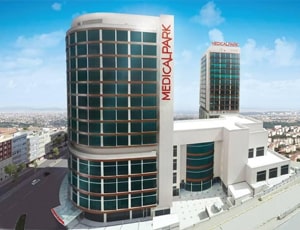
  4. Medical Park Gaziosmanpasa Hospital
  5. Hisar Intercontinental Hospital
  6. Medicana Bursa Hospital

A. The recovery of the patient many vary, depending on several factors. However, on an average, a patient is supposed to stay for about 90 days in the country after discharge. This period is important to conduct all the follow-up tests to ensure that the surgery was successful and the patient can go back to the home country.

A.There are many cities that offer Bone Marrow Transplant in Turkey, including the following:

  • Istanbul
  • Antalya
  • Fethiye
  • Ankara

Author

Dr. Shagufta Parveen

Doctor of Pharmacy

1.5 Years of Experience

Dr. Shagufta Parveen is a medical and scientific content writer with expertise in clinical pharmacology and pharmacotherapeutics. She holds a B.Pharm and Doctor of Pharmacy (Post-Baccalaureate) degree from Teerthanker Mahaveer University, Moradabad. During her clinical stint at BLK-Max Super Speciality Hospital and Indraprastha Apollo Hospital, she gained hands-on experience in the Clinical Pharmacology Department. Combining scientific knowledge with strong medical writing skills, Dr. Shagufta develops evidence-based healthcare content, treatment guides, and patient education resources. Her work focuses on simplifying complex medical concepts while maintaining scientific accuracy, helping readers better understand healthcare advancements and treatment options. . View More

Reviewer

Dr. Akash Khandelwal

Hematologist

9 Years of Experience

Dr. Akash Khandelwal is a distinguished Hematologist, Hemato-oncologist, and Bone Marrow Transplant (BMT) Physician with extensive training from the prestigious AIIMS New Delhi. His expertise encompasses a wide range of specialized techniques in bone marrow transplantation, including autologous and allogeneic transplants such as matched sibling donors, matched unrelated donors (MUD), and haploidentical donor transplants. Dr. Khandelwal has personally supervised and conducted over 100 bone marrow transplants. View More