Your Notifications
All done, no notifications

Castleman Disease Treatment Cost in Turkey

Costs starts from USD12000 to USD25000
Filters

How Much Does Castleman Disease Treatment Cost in Turkey?

The cost of Castleman Disease Treatment in Turkey typically ranges between (available on request). It's important to note that these are approximate costs and can vary based on the hospital, location, and individual patient needs. Additionally, factors like the duration of treatment, the need for follow-up care, and the use of advanced technologies or specialized treatments can further influence the overall cost.

Factors Influencing the Cost of Castleman Disease Treatment in Turkey

Need Help Planning Your Treatment Abroad?

Your 24/7 AI Health Assistant

Castleman disease is a group of rare disorders characterized by enlarged lymph nodes and a wide range of symptoms. The most common form of the disorder involves a single enlarged lymph node, typically found in the chest or neck, but it can occur in other areas of the body as well. This form is known as Unicentric Castleman Disease (UCD).

Multicentric Castleman Disease (MCD), on the other hand, involves multiple regions of enlarged lymph nodes, along with inflammatory symptoms and problems with organ function.

The goals of treating Castleman's illness are to reduce inflammation, alleviate symptoms, control aberrant lymph node cell growth, and avoid significant side effects, including cancer or infections. Whether the disease is widespread (Multicentric Castleman Disease, or MCD) or limited (Unicentric Castleman Disease, or UCD), the objective is to control it and enhance quality of life.

Consult a physician if you have fever, night sweats, enlarged organs, unexplained weight loss, swollen lymph nodes, or chronic exhaustion. MediGence's team of professionals can help you get an accurate diagnosis and a condition-specific care plan.

Preparation includes blood testing, imaging (CT, PET, or MRI scans), and lymph node biopsy to determine the disease subtype (ucd, HHV-8-associated MCD, or idiopathic MCD). Consult your doctor about all of your current medications and medical history. In multicentric instances, further HIV and HHV-8 screening might be necessary.

  • Surgical Removal: The afflicted lymph node is usually removed during surgery for UCD.
  • Medications: Corticosteroids, immunotherapy, antiviral medications (if HHV-8 positive), or chemotherapy are some of the medicines used to treat MCD.
  • Supportive Care: Monitoring organ function, preventing infections, and managing discomfort are all included in supportive care.
  • Follow-up: Continuous assessment using imaging and labs to evaluate response and modify therapy.

Surgical removal in UCD may require a brief hospital stay and a few weeks of recovery. Treatment for MCD involves continuous medication or therapy for several months under close observation. The length of treatment varies according to the severity and response of the disease.

There are no known risk factors for Unicentric Castleman Disease (UCD) or Idiopathic Multicentric Castleman Disease (iMCD), but individuals with HIV or weakened immune systems are at higher risk for Human Herpesvirus 8 (HHV-8) associated Multicentric Castleman Disease (MCD). In rare instances, Castleman disease can result in paraneoplastic pemphigus (PNP) in UCD patients and raise the risk of malignancies like lymphoma. Additionally, MCD may increase the risk of serious infections, which, if left untreated, can result in potentially fatal organ damage.

With timely and focused treatment, effective symptom management, lymph node reduction, prevention of complications, and general quality of life can all be achieved. While continuous therapy aids in maintaining disease control and stability in MCD, surgery frequently leads to a full recovery in Unicentric Castleman Disease.

Following UCD surgery, recovery includes wound care and pain management, along with follow-up to make sure there is no recurrence. Patients with MCD may require ongoing care and routine monitoring for immune system activity, infections, and medication response.

Surgical treatment for UCD has a high success rate and is often curative. Modern treatments for MCD, such as monoclonal antibodies, have greatly enhanced results and provided efficient long-term disease management.

Would you like some help? We are available.

Get Help
Explore Hospitals ( 34 )
Castleman Disease Treatment in Memorial Sisli Hospital: Costs, Top Doctors, and Reviews

Istanbul, Turkey

  • Joint Commission International, or JCI
  • National Accreditation Board for Hospitals & Healthcare Providers (NABH)

Memorial Sisli Hospital located in Istanbul, Turkey is accredited by JCI. Also listed below are some of the most prominent infrastructural details:

  • Operates in a closed area of 53,000 sqm
  • Capacity of 252 beds
  • 13 Operating rooms
  • 4 Intensive Care Units (KVC, General, Coronary, Neonatal)
  • 3 Laboratories
  • Organ Transplantation Center
  • IVF Center
  • Genetic Center
  • Stroke Center
  • Breast Health and Disease Center
  • Oncology Center
  • Da Vinci Robotic Surgery Center
  • Bone Marrow Transplantation Center
Castleman Disease Treatment in Hisar Intercontinental Hospital: Costs, Top Doctors, and Reviews

Istanbul, Turkey

  • Joint Commission International, or JCI

Architecture of the Hospital designed as per the comfort of patients-

  • Consisting of 8 floors, 212 bed capacity
  • 75m2 suite rooms
  • 35 thousand m2 closed area
  • 7 operating rooms
  • 53 polyclinics
  • 54 Departments
  • Hotel-like patient rooms
  • Intensive care units consisting of 33 beds
  • Hyperbaric Oxygen Center inside the hospital
  • PYXIS computerized medicine system working with fingerprint
  • Social waiting areas
  • Indoor and Outdoor Cafeterias & Restaurants
Castleman Disease Treatment in Acibadem Kadikoy Hospital: Costs, Top Doctors, and Reviews

Istanbul, Turkey

  • Joint Commission International, or JCI

Acibadem Kadikoy Hospital located in Istanbul, Turkey is accredited by JCI. Also listed below are some of the most prominent infrastructural details:

  • The number of beds in the hospital are 138 and Intensive Care beds are 23.
  • There are as many as 6.500 access points for a building control system.
  • There are 10 Operating theatres and more than 500 employees.
  • There are specific healthcare facilities in Acibadem Kadikoy Hospital, Istanbul, Turkey which have been established per integrated healthcare outreach such as Breast Health Center, Check-up Center, and Diabetes Clinic etc.
  • The hospital has the very best of Medical Technologies such as Flast CT, da Vinci robot, Magnetom Area MRI, Greenlight, Ortophos XG 3D and Full Body MRI, 4-Dimensional Breast Ultrasound, 3-Dimensional Tomosynthesis Digital Mammography.
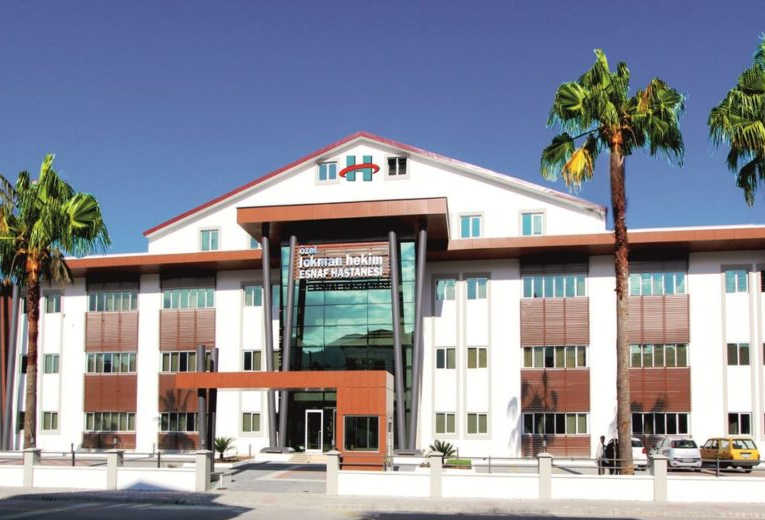
Castleman Disease Treatment in Lokman Hekim Esnaf Hospital: Costs, Top Doctors, and Reviews

Fethiye, Turkey

  • Joint Commission International, or JCI

Lokman Hekim Esnaf Hospital located in Fethiye, Turkey is accredited by ISO. Also listed below are some of the most prominent infrastructural details:

  • The patients rooms have been designed to simulate hotel comfort; homely private rooms equipped with spacious en suite bathrooms, television and Wi-fi
  • Rehabilitation Center
  • Emergency Department
  • ICU
  • International Patient Department comprises of a Medical Doctor, a tourism doctor, a manager, an assistant manager and 7 officers

Need Some Advice From Our Experts?

Request a Call Back Now!

Our team of healthcare experts would be happy to assist you

trusted Patientstrusted Patients+99
Trusted by 50000+ Patients
Required | alphabets and spaces
Required | A valid, working email address
Required | A valid contact

Process Involved for Castleman Disease Treatment in Turkey

Diagnosis and Evaluation

  • Medical History and Physical Exam: Review of patient's medical history and physical examination.
  • Blood and Urine Tests: Identifies anemia and changes in blood proteins.
  • Imaging Tests: CT scans, MRI, and PET scans locate enlarged lymph nodes or organs.
  • Lymph Node Biopsy: Confirms diagnosis by examining a tissue sample.

Treatment Planning

  • Consultation with Specialists: Development of a comprehensive treatment plan.
  • Discussion of Treatment Options: Evaluation of surgery, medication, and radiation therapy along with potential risks and benefits.

Treatment Implementation

  • Unicentric Castleman Disease (UCD):
    • Surgery: Removal of affected lymph node, usually curative.
    • Medication: Alternative if surgery isn't possible.
    • Radiation Therapy: Option if surgery and medications are ineffective.
  • Multicentric Castleman Disease (MCD):
    • HHV-8-positive MCD: Rituximab (Rituxan) is highly effective; may include antiviral medications and chemotherapies.
    • Idiopathic MCD: Siltuximab (Sylvant) blocks interleukin-6; corticosteroids and chemotherapy may also be used.
  • Castleman Disease

Patients who are suffering from Castleman Disease.

  • Bone Marrow Biopsy: This procedure may be performed to assess bone marrow involvement and guide treatment decisions.
  • Plasmapheresis: A procedure to remove excess antibodies from the blood, helping to manage symptoms and improve the patient's condition.
  • Intravenous Immunoglobulin (IVIG) Therapy: Involves infusing antibodies into the bloodstream to boost the immune system and manage symptoms.
  • Symptom Relief: Effective treatment can alleviate symptoms such as fever, night sweats, fatigue, and enlarged lymph nodes, improving the patient's overall quality of life.
  • Disease Control: Treatment can help control the overgrowth of lymphatic cells, preventing the disease from progressing and reducing the risk of complications.
  • Improved Organ Function: For patients with Multicentric Castleman Disease (MCD), treatment can enhance the function of affected organs, such as the liver and spleen.
  • Reduced Risk of Infections: By managing the disease and its symptoms, treatment can help reduce the risk of infections, which are more common in patients with weakened immune systems.
  • Enhanced Longevity: Timely and effective treatment can improve the patient's prognosis and increase their chances of long-term survival.
  • Better Quality of Life: Overall, successful treatment can lead to a better quality of life, allowing patients to resume their daily activities and enjoy a more normal lifestyle.
  • Oncologist
  • Hematologist
  • Radiation Oncologist
  • Fill out the inquiry form: Fill out the form to provide us with the relevant information about your condition.
  • Consult with Our Healthcare Expert: One of our qualified specialists will contact you for a consultation.
  • Receive a Detailed Treatment Plan: After examining your situation, we will provide you with a detailed treatment plan that includes expert views and cost breakdowns for various choices.
  • Choose your preferred option: Choose the therapy option that best suits you.
  • Seamless Organization: We will manage all the details, including visas, flights, accommodations, and transfers, for a stress-free journey.

Instantly Connect with our Castleman Disease Treatment Specialists

Doctor 1
Doctor 2
Doctor 3
Doctor 4
Doctor 5
Doctor 6
Doctor 7
Doctor 8
Our Services to Better your Experience

Opinion & Option

We submit the most accurate opinion and options from one or more countries for your review

Consult Privately

Consult with a certified specialist privately on our telemedicine platform even before you decide to travel

Logistics

We handle flights, visas, transfers, and accommodation—so you can focus on your health.

Recovery

Our In-house rehabilitation service packages to better your recovery and treatment outcome

Other Popular Countries for Castleman Disease Treatment

Our network connects you with the leading medical tourism destinations globally, offering a wide range of cities, top doctors, and flexible pricing options.

United Arab Emirates
Malaysia
Spain
Vietnam

Author

Nimra Haseeb

MSc Biochemistry

4 Years of Experience

Miss Nimra Haseeb is a medical researcher and a scientific content writer. She holds a Bachelor’s degree in Biotechnology and a Master’s in Biochemistry from Integral University, Lucknow.With strong experience in healthcare research, she specializes in secondary research, clinical data analysis, and evidence-based medical writing. Her work focuses on transforming complex scientific and medical information into clear, accurate, and reliable healthcare content for patients and healthcare audiences. She is also experienced in interpreting medical studies and healthcare trends to deliver well-researched and informative content that supports better health awareness and decision-making.. View More

Reviewer

Dr Prateek Varshney

Surgical Oncologist

15 Years of Experience

Dr. Prateek Varshney is a renowned Surgical Oncologist. He has experience of more than 15+ years in surgical Oncology. He is currently practicing as a consultant at Metro Mass Hospital and Cancer Institute. He was also previously associated as a consultant with Sir Ganga Ram Hospital and as a professor at Gujarat Cancer Research Institute. View More