Your Notifications
All done, no notifications

CAR-T Cost in India

Costs starts from USD80000 to USD120000
Filters

How Much Does CART Cost in India?

The cost of a CART in India typically ranges between USD 80000 - USD 120000. However, this cost can vary depending on several factors, including the type and severity of the condition, treatment techniques chosen, the healthcare facility's location and reputation, the treating professionals' experience and specialization, and the patient's overall health status.

Additionally, factors like the duration of treatment, the need for follow-up care, and the use of advanced technologies or specialized treatments can further influence the overall cost.

Factors Influencing the Cost of CART:

CART is an acronym for a promising experimental type of cancer treatment called Chimeric Antigen Receptor T-cell therapy and mainly targets blood malignancies such as leukemia and lymphoma. This therapy is done by modifying the patient’s T-cells (one form of white blood cells) in the laboratory and making them have a receptor that homes in on cancerous cells. These engineered T-cells are then transduced back into the patient, they go on to hunt for cancer cells to kill.

CART therapy is rather effective, particularly in the cases of the treatment efficacy of which has not been rather impressive. It is individual treatment, which means that is independent of the cancer type in the patient. There are risks for cytokine release syndrome (CRS), as well as neurotoxicity that should be closely watched out for, but this option is hopeful for cancer patients who normally cannot be treated with conventional treatments.

Cost of CAR-T in Major Cities of India

CityMinimum Cost (USD)Minimum Cost (INR)Maximum Cost (USD)Maximum Cost (INR)
AmrohaUSD 640005480960USD 960008221440
DelhiUSD 800006851200USD 12000010276800
FaridabadUSD 800006851200USD 12000010276800
KochiUSD 800006851200USD 12000010276800
MumbaiUSD 800006851200USD 12000010276800

CAR-T Cost : A Global Comparison

CountryMinimum CostMinimum Local CurrencyMaximum CostMaximum Local Currency
Czechiaget request
IndiaUSD 80000INR 6851200USD 120000INR 10276800
LithuaniaUSD 300000LTL 1026210USD 500000LTL 1710350
MalaysiaUSD 75000MYR 318000USD 125000MYR 530000
Saudi ArabiaUSD 373000SAR 1398750USD 500000SAR 1875000
Singapore - - USD 475000SGD 612750
SpainUSD 30000ESP 4411197USD 56000ESP 8234234
SwitzerlandUSD 373000CHF 309590USD 500000CHF 415000
ThailandUSD 150000THB 4906500USD 470000THB 15373700
TunisiaUSD 100000TND 298000USD 200000TND 596000
TurkeyUSD 25000TRY 976500USD 55000TRY 2148300
United Arab EmiratesUSD 200000AED 734000USD 300000AED 1101000
United KingdomUSD 373000GBP 276020USD 475000GBP 351500

Need Help Planning Your Treatment Abroad?

Your 24/7 AI Health Assistant

CAR T-cell therapy represents a groundbreaking approach to harnessing the power of the body's immune system to combat cancer. By modifying T cells, a subset of white blood cells, in a laboratory setting, these cells are empowered to recognize and eliminate cancer cells with precision. Often categorized as a form of cell-based gene therapy, CAR T-cell therapy involves altering the genetic makeup of T cells, equipping them with the ability to target specific cancer antigens.

This innovative treatment has demonstrated remarkable efficacy, particularly in cases where conventional therapies have proven ineffective. Its ability to reprogram the immune system to target and destroy cancer cells marks a significant advancement in cancer treatment strategies.

Classification:

CAR T cell therapy is classified as follows:

  • Structure-based classification:
  • First-generation CAR T-cells: These CAR T-cells typically consist of an antigen-binding domain (single-chain variable fragment, scFv) linked to a T-cell activation domain, such as the CD3ζ chain. They lack additional co-stimulatory domains.
  • Second-generation CAR T-cells: These CAR T-cells include an additional co-stimulatory domain, such as CD28 or 4-1BB (CD137), along with the CD3ζ chain. The presence of co-stimulatory domains enhances T-cell activation and persistence.
  • Third-generation CAR T-cells: These CAR T-cells incorporate two co-stimulatory domains along with the CD3ζ chain, aiming to further enhance T-cell function and anti-tumor activity.

Antigen-based classification: It includes

  • CD19-targeted CAR T-cells: CD19 is a common target for CAR T-cell therapy and is used in the treatment of B-cell malignancies such as acute lymphoblastic leukemia (ALL) and certain types of lymphoma.
  • Other antigen-targeted CAR T-cells: CAR T-cells can be engineered to target a variety of antigens expressed on cancer cells, including but not limited to BCMA (B-cell maturation antigen), CD22, CD30, and EGFRvIII.

CAR T-cell therapy is primarily used to treat blood cancers, such as multiple myeloma, large B-cell lymphoma, and B-cell acute lymphoblastic leukaemia. The patient's own T cells are reprogrammed to identify and destroy cancer cells, cause remission, enhance survival, and have a plan B in case other treatments fail.

Patients with blood cancers who relapsed or are refractory must consult an oncologist to determine candidacy for CAR T therapy, especially if they have failed to respond to traditional treatments (i.e., chemotherapy, radiation, or stem cell transplant). Evaluation is warranted for symptoms such as loss of weight, swelling of lymph nodes, recurrent infection, chronic fatigue, or spontaneous bruising.

Screening tests consist of imaging, bone marrow biopsy, and blood work.Leukapheresis is utilised to harvest T cells from the patient's blood for T-cell collection.Bridging therapy: Certain patients receive chemotherapy while waiting for CAR T cells to be produced.Lymphodepleting chemotherapy is administered before the injection to make room for CAR T cells. The patients should plan for potential hospitalisation, designate caretakers, and discuss long-term follow-up and expected adverse effects with the medical team.

  • T-cell harvesting: T cells are removed from the patient's blood by processing.
  • Genetic alteration: T cells are designed in the laboratory to express CAR proteins targeting cancer cells.
  • Expansion: Modified T cells are expanded to therapeutic levels.
  • Infusion: Patient receives an intravenous infusion of CAR T cells.
  • Monitoring: Intensive monitoring, often in the hospital, for side effects and reactions.

The whole process, from cell harvesting to infusion, can take three to six weeks. The infusion itself takes a few hours to a few minutes, but for at least one week following the infusion, close monitoring is required, and there will be frequent follow-ups for several months.

  • Cytokine Release Syndrome (CRS)
  • Neurotoxicity
  • Infections
  • Low blood counts
  • Relapse or non-response

One of the newer treatment options for some blood cancers is CAR T-cell therapy. It is utilised when other treatments are not working or the cancer recurs. CAR T-cell therapy has the potential to cure many blood cancers and extend life in most cases.

Recovery involves managing side effects like CRS and neurotoxicity, monitoring blood levels, and avoiding infections. Laboratory testing, imaging, and monitoring for late issues like hypogammaglobulinemia or relapse are all included in long-term follow-up.

The nature of the cancer, the burden of the disease, and an individual's response all impact success. For example, in pediatric acute lymphoblastic leukaemia, complete remission rates are more than 80%. However, relapse is always a risk, and long-term success is variable.

Would you like some help? We are available.

Get Help
Explore Hospitals ( 27 )
CAR-T in Fortis Hospital, Shalimar Bagh: Costs, Top Doctors, and Reviews

Delhi, India

4.5 ( 4 Reviews )
  • National Accreditation Board for Hospitals & Healthcare Providers (NABH)
  • Fortis Hospital, Shalimar Bagh, New Delhi, is a leading multi-super-speciality hospital established in 2010, known for advanced medical technology and compassionate patient care.
  • The hospital has 375 beds, including 166 ICU beds, and features 10 modular operating theatres along with specialised ICUs and Level III NICU/PICU. Fortis Shalimar Bagh offers care across Cardiology, Neurosciences, Oncology, Orthopaedics, Transplants, Urology, and Mother & Child Health, supported by NABH and NABL accreditation.
  • Equipped with cutting-edge technology like the Da Vinci Surgical Robot, PET-CT Scanner, and CORI Robotic System, the hospital is recognised for excellence in treatment outcomes, patient comfort, and multidisciplinary care, making it a trusted destination for both domestic and international patients.
CAR-T in Max Smart Super Speciality Hospital: Costs, Top Doctors, and Reviews

Delhi, India

3.9 ( 2 Reviews )
  • National Accreditation Board for Hospitals & Healthcare Providers (NABH)
  • Joint Commission International, or JCI
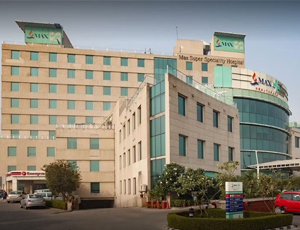
  • Max Smart Super Speciality Hospital, Saket, New Delhi, is a 250-bed tertiary care hospital known for advanced medical technology and patient-centred care.
  • The hospital offers services across 22+ specialities, including Cardiac Sciences, Orthopaedics, Urology, Neurology, Neurosurgery, Paediatrics, Obstetrics, and Gynaecology.
  • It is a regional hub for complex procedures such as neurovascular interventions, targeted cancer treatments, heart surgeries, kidney and liver transplants, and bariatric care.
  • Equipped with a 3.0 Tesla MRI, 256 Slice CT Angio, Cath Labs, Digital Orthopaedic Suite, and advanced diagnostic tools, and supported by 275+ doctors and 606+ trained staff, Max Smart Saket provides high-quality, multidisciplinary care for domestic and international patients.
CAR-T in Max Super Specialty Hospital, Shalimar Bagh: Costs, Top Doctors, and Reviews

Delhi, India

  • National Accreditation Board for Hospitals & Healthcare Providers (NABH)
  • National Accreditation Board for Testing and Calibration Laboratories (NABL)
  • Max Super Speciality Hospital, Shalimar Bagh, is a 402-bed quaternary-care hospital in New Delhi, offering advanced treatment across 37+ specialities, including Cancer, Cardiac, Neurosciences, Gastroenterology, Orthopaedics, and Renal Transplant.
  • Equipped with state-of-the-art technology and a team of highly skilled doctors and nurses, the hospital provides complex procedures, minimally invasive surgeries, and targeted cancer treatments, making it one of India’s leading healthcare destinations.
CAR-T in Amrita Hospital: Costs, Top Doctors, and Reviews

Faridabad, India

  • National Accreditation Board for Hospitals & Healthcare Providers (NABH)

Founded in 1998 by Mata Amritanandamayi (Amma), the Amrita Institute of Medical Sciences and Research Centre is one of India’s leading healthcare institutions, accredited by ISO, NABH, and NABL. With 2 branches, 7 medical colleges, and a network of 800+ doctors and 2,600+ beds, it offers comprehensive care across 81 specialties and 12 super-specialty departments, supported by 60+ modern operating theatres and 534 critical care beds. The Faridabad campus, a world-class multispeciality facility, houses advanced centers for oncology, neurosciences, cardiac sciences, gastro-sciences, mother and child care, and trauma care, along with India’s most comprehensive infectious disease unit. Guided by a mission of compassion and innovation, Amrita Hospitals combine cutting-edge medicine with humanitarian service to empower communities and promote holistic well-being.

CAR-T in Rajagiri Hospital: Costs, Top Doctors, and Reviews

Kochi, India

  • Joint Commission International, or JCI
  • Rajagiri Hospital, Kochi, Kerala, is a leading multi-speciality tertiary care hospital known for providing world-class medical services with advanced technology and compassionate care.
  • Accredited by JCI, NABH, and NABL, the hospital offers comprehensive treatment across specialities like Cardiology, Oncology, Neurology, Gastroenterology, Orthopaedics, Nephrology, Urology, and Paediatrics, making it a trusted healthcare destination in South India.
CAR-T in Marengo Asia Hospitals, Faridabad: Costs, Top Doctors, and Reviews

Faridabad, India

  • National Accreditation Board for Hospitals & Healthcare Providers (NABH)
  • National Accreditation Board for Testing and Calibration Laboratories (NABL)

Marengo Asia Hospitals, located in Faridabad, is a multispecialty, state-of-the-art, and patient-friendly facility that combines the greatest services available in the healthcare segment. With 325 beds now, the hospital can accommodate up to 550 beds. It has first-rate medical facilities including a Critical Care Medicine department for patients with life-threatening conditions. Furthermore, our highly skilled medical staff and cutting-edge software system make us the perfect facility for patients from various backgrounds. We always aim to exceed expectations and are always looking for ways to boost our performance.

CAR-T in Marengo Asia Hospitals, Gurugram: Costs, Top Doctors, and Reviews

Gurgaon, India

  • National Accreditation Board for Hospitals & Healthcare Providers (NABH)
  • National Accreditation Board for Testing and Calibration Laboratories (NABL)
  • Marengo Asia Hospitals, Gurugram, is a 250-bed multi-speciality tertiary care hospital, formerly known as W Pratiksha Hospital.
  • A major medical centre for Delhi NCR and North India, it is situated on Golf Course Extension Road, Sector 56, Gurugram.
  • The hospital's NABH and NABL accreditation ensures compliance with international standards for patient care, safety, and quality.
  • Provides extensive medical care in more than 21 specialities, including as women's health, neurology, orthopaedics, cardiology, and cancer.
  • Advanced robotic-assisted spine surgery tools and neuro-monitoring technology are available at the Marengo Asia International Institute of Neuro & Spine (MAIINS), a Centre of Excellence in Neurosciences.
  • Equipped with cutting-edge equipment, such as automated labs, sophisticated imaging, and contemporary operating rooms.
  • Features specialised ICUs, NICUs, and modular OTs built for complex and minimally invasive procedures.

Need Some Advice From Our Experts?

Request a Call Back Now!

Our team of healthcare experts would be happy to assist you

trusted Patientstrusted Patients+99
Trusted by 50000+ Patients
Required | alphabets and spaces
Required | A valid, working email address
Required | A valid contact

Process Involved for CAR-T in India

  • Preoperative Stage: An assessment of the patient's medical history, including testing to determine eligibility for CAR-T therapy and identify the target antigen on cancer cells.
  • Treatment Plan Discussion: An oncologist discusses the procedure of CAR-T therapy, including potential dangers, advantages, and side effects.
  • Therapeutic Stage: T-cells are extracted from the patient, modified in the lab to express a chimeric antigen receptor (CAR), and reintroduced into the patient to target and destroy cancer cells.
  • Postoperative Phase: Closely monitor for side effects. Follow-ups are scheduled regularly to check the response and treat any complications.
  • Cancer patients, especially those suffering from blood cancers like leukemia, lymphoma, and multiple myeloma.
  • Patients who have not responded to previous therapies, such as chemotherapy or radiation.
  • Patients in good overall health with a functioning immune system.
  • Individuals who have specific genetic markers that qualify them for CAR-T treatment.
  • Targeted Action: CAR-T treatment specifically targets cancer cells, increasing efficacy while minimising damage to healthy cells.
  • Potential for Remission: Can result in long-term remission, even in people with difficult-to-treat cancer.
  • Minimally Invasive: The treatment consists mainly of an outpatient procedure for T-cell collection, with the therapy provided via infusion.
  • Medical Oncologist
  • Fill out the inquiry form: Fill out the form to provide us with the relevant information about your condition.
  • Consult with Our Healthcare Expert: One of our qualified specialists will contact you for a consultation.
  • Receive a Detailed Treatment Plan: After examining your situation, we will provide you with a detailed treatment plan that includes expert views and cost breakdowns for various choices.
  • Choose your preferred option: Choose the treatment option that suits you the best.

Instantly Connect with our CAR-T Specialists

Doctor 1
Doctor 2
Doctor 3
Doctor 4
Doctor 5
Doctor 6
Doctor 7
Doctor 8
Our Services to Better your Experience

Opinion & Option

We submit the most accurate opinion and options from one or more countries for your review

Consult Privately

Consult with a certified specialist privately on our telemedicine platform even before you decide to travel

Logistics

We handle flights, visas, transfers, and accommodation—so you can focus on your health.

Recovery

Our In-house rehabilitation service packages to better your recovery and treatment outcome

Other Popular Countries for CAR-T

Our network connects you with the leading medical tourism destinations globally, offering a wide range of cities, top doctors, and flexible pricing options.

China
United Arab Emirates
Malaysia
Vietnam

Get Insight with our Blogs

Everything You Need to Know About NexCAR19™ CAR-T Therapy for Cancer Treatment
Oncology

Everything You Need to Know About NexCAR19™ CAR-T Therapy for Cancer Treatment

Cancer care is undergoing a profound transformation. Treatments that once relied solely on surgery, chemotherapy, and radiation are now being complemented and, in some cases

Published: 24 Mar, 2026
Updated: 20 May, 2026

Frequently Asked Questions

The cost of CAR-T starts from USD 80,000 and goes up to USD 120,000.

Different hospitals have different pricing policies when it comes to the cost of CAR-T in India. The top hospitals for CAR-T in India cover all the expenses related to the pre-surgery investigations of the candidate. Typically, the package cost of CAR-T in India includes the expenses related to the surgeon's fee, anesthesia, hospital, meals, nursing, and ICU stay. Many things may increase the cost of CAR-T in India, including prolonged hospital stays and complications after the procedure.

Therapy with chimeric antigen receptor (CAR) T cells is used to treat certain forms of blood cancer. Your cancer-fighting T cells are given a lab-made gene by scientists as part of the treatment. The alteration facilitates T cell cancer detection and elimination. When other therapies don't work or blood cancer returns, medical professionals may employ this one.

Blood cancer may occasionally be treated by CAR T-cell therapy. In some cases, it prolongs the survival of patients with certain blood malignancies.

Your immune system tracks proteins known as antigens on the surface of foreign cells to recognise them, including cancer.

  • The proteins on the surface of your T cells are called receptors. These receptors are able to identify cells with aberrant antigens. T cells function as a watchdog for aberrant cells, activating upon detection of an aberrant cell by a receptor.
  • After activating other immune system components to assist in locating and eliminating aberrant cells, the activated T cell proceeds to work, eliminating the aberrant cell.
  • However, malignant cells are not always picked up by your T-cell receptors. Let me introduce you to CAR T cells—your T cells modified to identify a particular antigen on the surface of cancerous cells.
  • By introducing a lab-made gene for a chimeric antigen receptor, scientists can alter your T cells. The newly created CAR T cells are then allowed to proliferate and expand until an adequate number exists to efficiently attack malignant cells.
  • Once in your circulation, malignant cells are recognized and eliminated by CAR T-cell receptors. To ensure a steady supply of CAR T cells that specifically target your cancer cells, the cells also continue to proliferate. Because of this steady supply, scientists and medical professionals refer to CAR T-cell treatment as a kind of “living drug.”

Typical CAR-T treatment candidates include:

  1. Patients diagnosed with specific blood malignancies, including follicular lymphoma, large B-cell lymphoma, acute lymphoblastic leukemia (ALL), Leukemia chronicocytic (CLL), etc.
  2. Relapsed or Refractory Disease: People whose cancer reappears after first therapy or who don't react to conventional treatments.
  3. Prior treatments: Individuals who are still undergoing treatment after undergoing several rounds of chemotherapy, targeted treatments, or stem cell transplants.
  4. Health Status: Because CAR-T therapy can be intense and risky, candidates should generally be in good overall health and have a working organ system.
  5. Age considerations: Although both adults and children have received CAR-T therapy, eligibility may be impacted by age depending on certain protocols and medical factors.

The main uses of CAR-T therapy are for the treatment of certain blood malignancies, such as:

  • Acute Lymphoblastic Leukemia (ALL): Especially useful for patients in their teens and twenties who have not responded well to treatment or have relapsed.
  • Diffuse large B-cell lymphoma (DLBCL) and other aggressive non-Hodgkin lymphoma types are included in the category of large B-cell lymphoma.
  • Patients with Follicular Lymphoma: For those who have not responded to previous treatments.
  • Patients with chronic lymphocytic leukemia (CLL): Applied to those who have not improved with conventional treatment.
  • Multiple myeloma: Certain CAR-T treatments aim to specifically target proteins present on myeloma cells.

The usefulness of CAR-T therapy for solid tumors, such as pancreatic, prostate, and breast malignancies, is still being investigated, but these uses are still in the experimental stages. The efficacy of the therapy may differ depending on the particular cancer type and patient-specific circumstances.

Multiple possible side effects of CAR-T therapy exist, with varying degrees of severity. Among the most prevalent and important are:

  1. The symptoms of cytokine release syndrome (CRS) include fever, lethargy, nausea, headaches, fast heartbeat, low blood pressure, and breathing difficulties. Serious complications may arise from severe cases.
  2. Confusion, trouble speaking, seizures, tremors, and loss of coordination are examples of neurological toxicities. Days or weeks following treatment may see these side effects.
  3. Infections: fever, chills, and indications of infection, like infusion site edema or redness.
  4. Low blood counts are associated with fatigue, a higher chance of bruising or bleeding, and a higher risk of infection.
  5. Excessive sensitivity Reactions include breathing difficulties, swelling, rashes, and itching.
  6. Organ-Specific Toxicities: Vary depending on the organ, such as liver-related jaundice, kidney-related abnormalities in urine production, or lung-related shortness of breath.
  7. Tumor Lysis Syndrome (TLS): Nausea, vomiting, fatigue, muscle cramps, and changes in heart rhythm
  8. Fatigue and Malaise: Ongoing fatigue that may persist for some time.

A systemic inflammatory reaction known as cytokine release syndrome (CRS) can happen following specific immunotherapies, such as CAR-T treatment. It is caused by immune cells, especially T cells, being activated and proliferating and releasing a lot of cytokines, which are substances that help for managing immunological responses.

CAR-T cells target cancer cells upon recognition, which causes a rapid release of cytokines into the bloodstream, which subsequently causes CRS. The symptoms can vary in intensity and include the following:

  • Fatigue and Fever
  • Nausea
  • Headache
  • Joint and muscle soreness
  • Rapid heart rate
  • Low blood pressure
  • Breathing difficulties

CRS is categorized into four degrees, from mild (grade 1) to severe (grade 4), according to its degree. Severe instances might need to be hospitalized and treated closely.

Yes, depending on the particular cancer kind, the patient's health, and the treatment plans, CAR-T therapy can be utilized in addition to other treatments. The following are some possible combinations of CAR-T therapy and other treatments:

  1. Before Treatment Chemotherapy: To decrease the amount of lymphocytes already present and improve the conditions for the CAR-T cells to proliferate and perform as intended, some patients undergo chemotherapy before receiving CAR-T therapy.
  2. Post-Treatment Therapies: To assist sustain remission or more specifically target any cancer cells that may still be present, post-CAR-T therapy may be combined with targeted or immunotherapies.
  3. Combination with Other Immunotherapies: To increase overall efficacy, research is being conducted on the potential benefits of combining CAR-T therapy with other immunotherapies.

Healthcare professionals carefully assess patients and take into account several criteria, including patient health, prior treatments, and the kind of cancer, before deciding whether to combine CAR-T therapy with other treatments.

Your doctor might advise that you stay in the hospital right away following treatment because this treatment has the potential to cause major side effects. Your length of stay in the hospital could range from seven to ten days, depending on your condition and any adverse effects. For the first month following treatment, you should aim to live close to your treatment facility by car. Additionally, you'll need:

  • Someone to watch over you around-the-clock in case side effects arise.
  • Someone to drive you home for the first two months following the receipt of your T cells.

There are many hospitals that perform CAR-T in India. Some of the most renowned hospitals for CAR-T in India include the following:

  1. Max Super Specialty Hospital, Vaishali
  2. Max Super Speciality Hospital, Patparganj

After discharge from the hospital, the patient has to stay for another 30 days in the country for complete recovery. This time frame is important to ensure that the surgery was successful and the patient is fit to fly back.

Apart from the cost of CAR-T, the patient is also required to pay additionally for daily meals and guest house accommodation. These charges start from USD 50 per person.

Which are the best cities in India for CAR-T Procedure?

Some of the popular cities in India that offer CAR-T include the following:

  • Noida
  • Gurugram
  • Mumbai
  • Hyderabad
  • Chennai
  • Bangalore
  • New Delhi

Many CAR-T surgeons offer video telemedicine consultations to patients who need this treatment. Some of them include the following:

DoctorCostSchedule Your Appointment
Dr. Shivam Vatsal AgarwalUSD 14Schedule Now
Dr. Dinesh Chandra KatiyarUSD 35Schedule Now
Dr. Sunil Kumar GuptaUSD 35Schedule Now
Dr. Dinesh PendharkarUSD 14Schedule Now
Dr. Sumant GuptaUSD 14Schedule Now
Dr. Gurdeep Singh SethiUSD 44Schedule Now

The patient is supposed to stay at the hospital for about 2 days after CAR-T for monitoring and care. The patient is subjected to several biochemistry and radiological scans to see that everything is okay and the recovery is on track. After making sure that the patient is clinically stable, discharge is planned.

The average rating for CAR-T hospitals in India is 3.9. This rating is automatically calculated based on several parameters such as the infrastructure of the hospital, quality of services, nursing support, and other services.

There are more than 2 hospitals that offer CAR-T in India. The above-listed clinics are approved to perform the surgery and have the proper infrastructure to handle CAR-T patients. Additionally, these hospitals are known to comply with international standards as well as local legal requirements for the treatment of patients.

Author

Dr. Shagufta Parveen

Doctor of Pharmacy

3 Years of Experience

Dr. Shagufta Parveen is a Clinical researcher and medical writer with expertise in clinical pharmacology and pharmacotherapeutics. She holds a B.Pharm and Doctor of Pharmacy (Post-Baccalaureate) degree from Teerthanker Mahaveer University, Moradabad.

During her clinical stint at BLK-Max Super Speciality Hospital and Indraprastha Apollo Hospital, she gained hands-on experience in the Clinical Pharmacology Department. Combining scientific knowledge with strong medical writing skills, Dr. Shagufta develops evidence-based healthcare content, treatment guides, and patient education resources.

Her work focuses on simplifying complex medical concepts while maintaining scientific accuracy, helping readers better understand healthcare advancements and treatment options.

In addition to her writing expertise, she is actively involved in scientific research and has contributed to peer-reviewed publications.

Her research work is accessible through the following links:

https://scholar.google.com/citations?user=lMVK1eIAAAAJ&hl=en

https://carcinogenesis.com/index.php/JOC/article/view/870

https://carcinogenesis.com/index.php/JOC/article/view/868

https://wjpsronline.com/abstract/0000000760

. View More

Reviewer

Dr Prateek Varshney
Dr Prateek Varshney

Surgical Oncologist

15 Years of Experience

Dr. Prateek Varshney is a renowned Surgical Oncologist. He has experience of more than 15+ years in surgical Oncology. He is currently practicing as a consultant at Metro Mass Hospital and Cancer Institute. He was also previously associated as a consultant with Sir Ganga Ram Hospital and as a professor at Gujarat Cancer Research Institute. View More

Last Reviewed - January 2026