Your Notifications
All done, no notifications

CAR-T Cost in Delhi

USD 45000 - USD 65000

Affordable World-class Treatment - Accredited Hospitals - Free Treatment Plan in 24 Hrs

2
Days in Hospital
30-90 min
Procedure Time
70 - 90%
Success Rate
CAR-T
JCI/ISO 100,000+ Patients 24X7 Coordinator Visa & Travel handled
Your all-in-one medical travel platform for treatment, recovery & care.

Get Your Personalised Treatment Plan in Just 24 Hours.

Share your details to receive a personalised treatment plan, estimated costs, hospital recommendations, and expert guidance, “completely free.”

Required | alphabets and spaces
Required | A valid, working email address
Required | A valid contact
Connect with an Expert

Your information is protected with HIPAA-compliant security standards. We only share your details with hospitals after your consent.

Estimated Treatment Cost
USD 45000 - USD 65000
All-inclusive • Hospital + Medications + Recovery Assistance + Dedicated Care Coordinator

International Quality. Affordable Care.

Cost of CAR-T in Major Cities of India

City Minimum Cost (USD) Minimum Cost (INR) Maximum Cost (USD) Maximum Cost (INR)
AmrohaUSD 36000 3401379 USD 52000 4913104
DelhiUSD 45000 4251724 USD 65000 6141380
FaridabadUSD 45000 4251724 USD 65000 6141380
KochiUSD 45000 4251724 USD 65000 6141380
MumbaiUSD 45000 4251724 USD 65000 6141380

Cost of CAR-T in Major Cities of India

City Cost (USD)
Amroha $36,000 – $52,000 Explore More
Bangalore $45,000 – $65,000 Explore More
Chennai $45,000 – $65,000 Explore More
Delhi $45,000 – $65,000 Explore More
Faridabad $45,000 – $65,000 Explore More
Ghaziabad $45,000 – $65,000 Explore More
Gurgaon $45,000 – $65,000 Explore More
Kochi $45,000 – $65,000 Explore More
Kolkata $45,000 – $65,000 Explore More
Mohali $40,500 – $58,500 Explore More
Mumbai $45,000 – $65,000 Explore More
Noida $45,000 – $65,000 Explore More

Find the Right Destination for Your CAR-T Journey

Alvina Hasan
Author

M.Pharm

2 Year of Experience

Last Reviewed - June 2026

Alvina Hasan is a dedicated medical researcher and scientific writer with a strong foundation in pharmaceutical sciences. She holds a B.Pharm from Jamia Hamdard University and an M.Pharm in Quality Assurance from DIPSAR University.

With deep medical expertise and a strong interest in healthcare communication, she focuses on transforming complex clinical and scientific information into clear, engaging, and easy-to-understand narratives. She develops insightful healthcare articles and research-driven content designed to support both medical professionals and patients, helping bridge the gap between advanced medical knowledge and practical understanding.

Readers can explore her published research and articles here:

https://carcinogenesis.com/index.php/JOC/article/view/868

https://carcinogenesis.com/index.php/JOC/article/view/870

View More
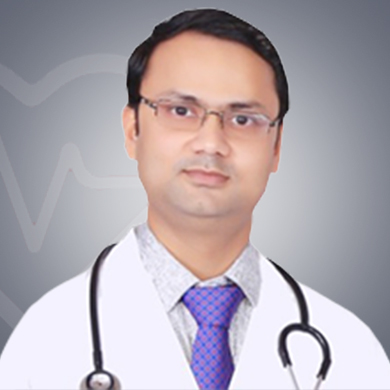
Dr Prateek Varshney
Reviewer

Surgical Oncologist

15 Years of Experience

Last Reviewed - June 2026

Dr. Prateek Varshney is a renowned Surgical Oncologist. He has experience of more than 15+ years in surgical Oncology. He is currently practicing as a consultant at Metro Mass Hospital and Cancer Institute. He was also previously associated as a consultant with Sir Ganga Ram Hospital and as a professor at Gujarat Cancer Research Institute.
View More

Need Help Choosing the Right Treatment? Talk to a Medical Advisor

Our dedicated Medical Patient Advisors are here to answer your questions, help you compare treatment options, estimate costs, and guide you through every step of your healthcare journey.

15 min
Average response time

Serving Patients Worldwide in Multiple Languages.

CAR T-cell therapy represents a groundbreaking approach to harnessing the power of the body's immune system to combat cancer. By modifying T cells, a subset of white blood cells, in a laboratory setting, these cells are empowered to recognize and eliminate cancer cells with precision. Often categorized as a form of cell-based gene therapy, CAR T-cell therapy involves altering the genetic makeup of T cells, equipping them with the ability to target specific cancer antigens.

This innovative treatment has demonstrated remarkable efficacy, particularly in cases where conventional therapies have proven ineffective. Its ability to reprogram the immune system to target and destroy cancer cells marks a significant advancement in cancer treatment strategies.

Classification:

CAR T cell therapy is classified as follows:

  • Structure-based classification:
  • First-generation CAR T-cells: These CAR T-cells typically consist of an antigen-binding domain (single-chain variable fragment, scFv) linked to a T-cell activation domain, such as the CD3ζ chain. They lack additional co-stimulatory domains.
  • Second-generation CAR T-cells: These CAR T-cells include an additional co-stimulatory domain, such as CD28 or 4-1BB (CD137), along with the CD3ζ chain. The presence of co-stimulatory domains enhances T-cell activation and persistence.
  • Third-generation CAR T-cells: These CAR T-cells incorporate two co-stimulatory domains along with the CD3ζ chain, aiming to further enhance T-cell function and anti-tumor activity.

Antigen-based classification: It includes

  • CD19-targeted CAR T-cells: CD19 is a common target for CAR T-cell therapy and is used in the treatment of B-cell malignancies such as acute lymphoblastic leukemia (ALL) and certain types of lymphoma.
  • Other antigen-targeted CAR T-cells: CAR T-cells can be engineered to target a variety of antigens expressed on cancer cells, including but not limited to BCMA (B-cell maturation antigen), CD22, CD30, and EGFRvIII.

CAR T-cell therapy is primarily used to treat blood cancers, such as multiple myeloma, large B-cell lymphoma, and B-cell acute lymphoblastic leukaemia. The patient's own T cells are reprogrammed to identify and destroy cancer cells, cause remission, enhance survival, and have a plan B in case other treatments fail.

Patients with blood cancers who relapsed or are refractory must consult an oncologist to determine candidacy for CAR T therapy, especially if they have failed to respond to traditional treatments (i.e., chemotherapy, radiation, or stem cell transplant). Evaluation is warranted for symptoms such as loss of weight, swelling of lymph nodes, recurrent infection, chronic fatigue, or spontaneous bruising.

Screening tests consist of imaging, bone marrow biopsy, and blood work.

Leukapheresis is utilised to harvest T cells from the patient's blood for T-cell collection.

Bridging therapy: Certain patients receive chemotherapy while waiting for CAR T cells to be produced.

Lymphodepleting chemotherapy is administered before the injection to make room for CAR T cells. The patients should plan for potential hospitalisation, designate caretakers, and discuss long-term follow-up and expected adverse effects with the medical team.

  • T-cell harvesting: T cells are removed from the patient's blood by processing.
  • Genetic alteration: T cells are designed in the laboratory to express CAR proteins targeting cancer cells.
  • Expansion: Modified T cells are expanded to therapeutic levels.
  • Infusion: Patient receives an intravenous infusion of CAR T cells.
  • Monitoring: Intensive monitoring, often in the hospital, for side effects and reactions.

The whole process, from cell harvesting to infusion, can take three to six weeks. The infusion itself takes a few hours to a few minutes, but for at least one week following the infusion, close monitoring is required, and there will be frequent follow-ups for several months.

  • Cytokine Release Syndrome (CRS)
  • Neurotoxicity
  • Infections
  • Low blood counts
  • Relapse or non-response

One of the newer treatment options for some blood cancers is CAR T-cell therapy. It is utilised when other treatments are not working or the cancer recurs. CAR T-cell therapy has the potential to cure many blood cancers and extend life in most cases.

Recovery involves managing side effects like CRS and neurotoxicity, monitoring blood levels, and avoiding infections. Laboratory testing, imaging, and monitoring for late issues like hypogammaglobulinemia or relapse are all included in long-term follow-up.

The nature of the cancer, the burden of the disease, and an individual's response all impact success. For example, in pediatric acute lymphoblastic leukaemia, complete remission rates are more than 80%. However, relapse is always a risk, and long-term success is variable.

80%

Complete remission (pediatric ALL)

2 days

in hospital post-infusion

3 Months

to typical return to work
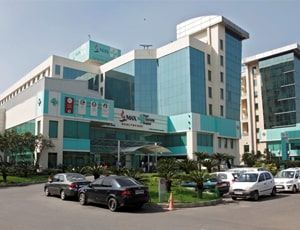
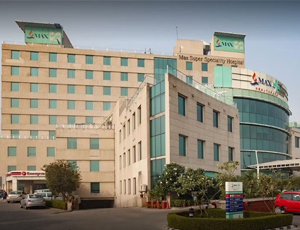
Explore Hospitals ( 9 )

Delhi, India

5.0 - 1 review · 650+ Beds · 302+ Procedures
JCI NABH
Starting
USD 250000

Delhi, India

310+ Beds · 126+ Procedures
NABL
Starting
USD 80000

Delhi, India

4.6 - 1 review · 400+ Beds · 282+ Procedures
NABH NABL AACI
Starting
USD 100000

Delhi, India

4.8 - 2 reviews · 162+ Beds · 204+ Procedures
NABH
Starting
USD 80000

Delhi, India

539+ Beds · 305+ Procedures
JCI NABH
Starting
USD 100000

Delhi, India

38+ Beds · 87+ Procedures
NABH
Starting
USD 90000

Delhi, India

4.5 - 4 reviews · 262+ Beds · 259+ Procedures
NABH
Starting
USD 90000

Delhi, India

3.9 - 2 reviews · 250+ Beds · 246+ Procedures
JCI NABH
Starting
USD 100000

Delhi, India

402+ Beds · 268+ Procedures
NABH NABL
Starting
USD 100000

Get Your CAR-T
Plan in 24 hrs.

Our experienced Medical Patient Advisors have supported 100,000+ patients across 120+ countries with personalised treatment plans, hospital recommendations, cost estimates, and travel assistance, all free.

HIPAA-Compliant Data SecurityShared Only with Your Consent

Free Consultation No Obligation Personalized Treatment Plan Response Within 24 Hours

Required | alphabets and spaces
Required | A valid, working email address
Required | A valid contact

Your medical info is kept HIPAA-style confidential. We never share with hospitals without your consent.

Process Involved for CAR-T in Delhi

  • Preoperative Stage: An assessment of the patient's medical history, including testing to determine eligibility for CAR-T therapy and identify the target antigen on cancer cells.
  • Treatment Plan Discussion: An oncologist discusses the procedure of CAR-T therapy, including potential dangers, advantages, and side effects.
  • Therapeutic Stage: T-cells are extracted from the patient, modified in the lab to express a chimeric antigen receptor (CAR), and reintroduced into the patient to target and destroy cancer cells.
  • Postoperative Phase: Closely monitor for side effects. Follow-ups are scheduled regularly to check the response and treat any complications.
  • Cancer patients, especially those suffering from blood cancers like leukemia, lymphoma, and multiple myeloma.
  • Patients who have not responded to previous therapies, such as chemotherapy or radiation.
  • Patients in good overall health with a functioning immune system.
  • Individuals who have specific genetic markers that qualify them for CAR-T treatment.
  • Targeted Action: CAR-T treatment specifically targets cancer cells, increasing efficacy while minimising damage to healthy cells.
  • Potential for Remission: Can result in long-term remission, even in people with difficult-to-treat cancer.
  • Minimally Invasive: The treatment consists mainly of an outpatient procedure for T-cell collection, with the therapy provided via infusion.
  • Medical Oncologist
  • Fill out the inquiry form: Fill out the form to provide us with the relevant information about your condition.
  • Consult with Our Healthcare Expert: One of our qualified specialists will contact you for a consultation.
  • Receive a Detailed Treatment Plan: After examining your situation, we will provide you with a detailed treatment plan that includes expert views and cost breakdowns for various choices.
  • Choose your preferred option: Choose the treatment option that suits you the best.
Jenny Wilson
Your Dedicated Medical Patient Advisor
Treatment planning • Hospital coordination • Multilingual support • Response within 15 minutes.
Our Services to Better your Experience

Opinion & Option

We submit the most accurate opinion and options from one or more countries for your review

Consult Privately

Consult with a certified specialist privately on our telemedicine platform even before you decide to travel

Logistics

We handle flights, visas, transfers, and accommodation—so you can focus on your health.

Recovery

Our In-house rehabilitation service packages to better your recovery and treatment outcome

Patient Stories

Hendrik
Hendrik van Daniel Rheede
Hendrik Beat Cancer with Advanced CAR-T Cell Therapy

Hendrik decided to come to India for his treatment after a thorough discussion with MediGence. India is known for its…

Conditions treated by CAR-T

Frequently Asked Questions

Different hospitals have different pricing policy when it comes to the cost of CAR-T in Delhi. There are many hospital who cover the cost of pre-surgical investigations of the patient in the treatment package. Typically, the package cost of CAR-T in Delhi includes the expenses related to the surgeon's fee, anesthesia, hospital, meals, nursing and ICU stay. There are many things that may increase the cost of CAR-T in Delhi, including prolonged hospital stay and complications after the procedure.

CAR-T in Delhi is offered by multiple hospitals across the country. For quick reference, the following are some of the leading hospitals for CAR-T in Delhi:

The recovery of the patient many vary, depending on several factors. However, on an average, patient is supposed to stay for about 28 days in the country after discharge. This duration of stay is recommended to complete all the necessary follow-ups and control tests to ensure that the surgery was successful.

There are certain expenses additional to the CAR-T cost that the patient may have to pay for. These include the cost of accommodation and meals outside hospital. The per day cost in this case may range from 25 USD.

Patients can also avail to attend a video teleconsultation with the CAR-T surgeon in Delhi. The following are some of the top doctors offering CAR-T in Delhi:

Some of the most sought after doctors available for online video consultation for CAR-T in Delhi are:

Doctor NameCostBook Appointment
Dr. Arun Kumar Giri64Book Now
Dr. Parveen Jain38Book Now

The patient has to spend about 2 Days in the hospital after CAR-T for proper recovery and to get clearance for discharge. The patient is subjected to several biochemistry and radiological scans to see that everything is okay and the recovery is on track. After making sure that patient is clinically stable, discharge is planned.

The average rating of hospitals for CAR-T in Delhi is 4.6. Several parameters such as hospital infrastructure, pricing policy, quality of services, politeness of staff, etc. contribute to the rating.

There are around 1 Hospitals hospitals in Delhi that offer CAR-T to international patients. These hospitals have the required infrastructure and a decided CAR-T unit where renal failure patients can be treated. Additionally, these hospitals are known to comply with the international standards as well as local legal requirements for the treatment of patients.

Delhi, the capital city of India is one of the top places for providing cost-effective yet quality treatments to patients. The city boasts a pool of highly skilled medical experts who have received training abroad. The hospitals in Delhi have received international accreditation and are well-equipped. They have several state-of-the-art equipments that enables doctors to provide the best patient care. With more than 500 hospitals, Delhi is at the forefront of catering to the healthcare needs of patients from not only India but from other parts of the world as well. The availability of doctors who are fluent in English enables patients traveling from abroad to avail treatment conveniently in Delhi. The hospitals in Delhi have the necessary infrastructure to enable doctors to perform robotic surgeries, minimally invasive surgery, cyberknife surgery, and advanced treatments for various health problems.

Hospitals in Delhi hold several accreditations such as JCI, NABH, and NABL. Some of the top hospitals in Delhi are:

  • Indraprastha Apollo Hospital: The hospital has served patients from more than 120 countries and is accredited by JCI and NABH.
  • Max SuperSpecialty Hospital, Shalimar Bagh: Equipped with 280 beds, the hospital provides medical services in various disciplines including cardiology, neurology, orthopedics, and cancer. It is a NABH and NABL-accredited hospital.
  • Fortis Hospital, Greater Kailash: The hospital has performed more than 12,000 gynecological procedures and has treated over 7000 neonates in the NICU.

Delhi has many skilled doctors who have completed their medical education and training at some of the best hospitals in India and overseas. Some of the top doctors in Delhi are

  1. Dr. Sanjay Gupta: With more than 33 years of experience, Dr. Sanjay is an acclaimed cardiac surgeon practicing at Fortis Flt Lt Rajan Dhall Hospital, New Delhi
  2. Dr. Pankaj Kumar Pande: He has more than 23 years of experience as a surgical oncologist and currently works at the Fortis Hospital, Shalimar Bagh.
  3. Dr. Meena Lanjiwar: She is currently a neurologist working at the Neuraxis care and research center and has more than 8 years of experience in her field of expertise.
  4. Dr. Dhananjay Gupta: He is an acclaimed orthopedic surgeon with more than 20 years of experience. Currently, he practices at Fortis Flt Lt Rajan Dhall Hospital, New Delhi.

Delhi is connected to almost all the major cities around the world through international flights. MediGence can assist in planning your travel to Delhi for your treatment. We can help you with accommodation, visa, airport transfers, and priority appointments.

FAQ's Related to India

Delhi, the capital city of India is one of the top places for providing cost-effective yet quality treatments to patients. The city boasts a pool of highly skilled medical experts who have received training abroad. The hospitals in Delhi have received international accreditation and are well-equipped. They have several state-of-the-art equipments that enables doctors to provide the best patient care. With more than 500 hospitals, Delhi is at the forefront of catering to the healthcare needs of patients from not only India but from other parts of the world as well. The availability of doctors who are fluent in English enables patients traveling from abroad to avail treatment conveniently in Delhi. The hospitals in Delhi have the necessary infrastructure to enable doctors to perform robotic surgeries, minimally invasive surgery, cyberknife surgery, and advanced treatments for various health problems.

Hospitals in Delhi hold several accreditations such as JCI, NABH, and NABL. Some of the top hospitals in Delhi are:

  • Indraprastha Apollo Hospital: The hospital has served patients from more than 120 countries and is accredited by JCI and NABH.
  • Max SuperSpecialty Hospital, Shalimar Bagh: Equipped with 280 beds, the hospital provides medical services in various disciplines including cardiology, neurology, orthopedics, and cancer. It is a NABH and NABL-accredited hospital.
  • Fortis Hospital, Greater Kailash: The hospital has performed more than 12,000 gynecological procedures and has treated over 7000 neonates in the NICU.

Delhi has many skilled doctors who have completed their medical education and training at some of the best hospitals in India and overseas. Some of the top doctors in Delhi are

  1. Dr. Sanjay Gupta: With more than 33 years of experience, Dr. Sanjay is an acclaimed cardiac surgeon practicing at Fortis Flt Lt Rajan Dhall Hospital, New Delhi
  2. Dr. Pankaj Kumar Pande: He has more than 23 years of experience as a surgical oncologist and currently works at the Fortis Hospital, Shalimar Bagh.
  3. Dr. Meena Lanjiwar: She is currently a neurologist working at the Neuraxis care and research center and has more than 8 years of experience in her field of expertise.
  4. Dr. Dhananjay Gupta: He is an acclaimed orthopedic surgeon with more than 20 years of experience. Currently, he practices at Fortis Flt Lt Rajan Dhall Hospital, New Delhi.

Delhi is connected to almost all the major cities around the world through international flights. MediGence can assist in planning your travel to Delhi for your treatment. We can help you with accommodation, visa, airport transfers, and priority appointments.

Not Sure About Your Treatment Plan? Get a Free Second Opinion

Have your reports reviewed by independent oncology experts to help you make a confident treatment decision, all online within 48 hours.

Upload Your Reports
Free second opinion on your CAR-T plan