Your Notifications
All done, no notifications

CAR-T Cost in Faridabad

Costs starts from USD80000 to USD120000
Filters

Cost of CAR-T in Major Cities of India

CityMinimum Cost (USD)Minimum Cost (INR)Maximum Cost (USD)Maximum Cost (INR)
AmrohaUSD 640005480960USD 960008221440
DelhiUSD 800006851200USD 12000010276800
FaridabadUSD 800006851200USD 12000010276800
KochiUSD 800006851200USD 12000010276800
MumbaiUSD 800006851200USD 12000010276800

Need Help Planning Your Treatment Abroad?

Your 24/7 AI Health Assistant

CAR T-cell therapy represents a groundbreaking approach to harnessing the power of the body's immune system to combat cancer. By modifying T cells, a subset of white blood cells, in a laboratory setting, these cells are empowered to recognize and eliminate cancer cells with precision. Often categorized as a form of cell-based gene therapy, CAR T-cell therapy involves altering the genetic makeup of T cells, equipping them with the ability to target specific cancer antigens.

This innovative treatment has demonstrated remarkable efficacy, particularly in cases where conventional therapies have proven ineffective. Its ability to reprogram the immune system to target and destroy cancer cells marks a significant advancement in cancer treatment strategies.

Classification:

CAR T cell therapy is classified as follows:

  • Structure-based classification:
  • First-generation CAR T-cells: These CAR T-cells typically consist of an antigen-binding domain (single-chain variable fragment, scFv) linked to a T-cell activation domain, such as the CD3ζ chain. They lack additional co-stimulatory domains.
  • Second-generation CAR T-cells: These CAR T-cells include an additional co-stimulatory domain, such as CD28 or 4-1BB (CD137), along with the CD3ζ chain. The presence of co-stimulatory domains enhances T-cell activation and persistence.
  • Third-generation CAR T-cells: These CAR T-cells incorporate two co-stimulatory domains along with the CD3ζ chain, aiming to further enhance T-cell function and anti-tumor activity.

Antigen-based classification: It includes

  • CD19-targeted CAR T-cells: CD19 is a common target for CAR T-cell therapy and is used in the treatment of B-cell malignancies such as acute lymphoblastic leukemia (ALL) and certain types of lymphoma.
  • Other antigen-targeted CAR T-cells: CAR T-cells can be engineered to target a variety of antigens expressed on cancer cells, including but not limited to BCMA (B-cell maturation antigen), CD22, CD30, and EGFRvIII.

CAR T-cell therapy is primarily used to treat blood cancers, such as multiple myeloma, large B-cell lymphoma, and B-cell acute lymphoblastic leukaemia. The patient's own T cells are reprogrammed to identify and destroy cancer cells, cause remission, enhance survival, and have a plan B in case other treatments fail.

Patients with blood cancers who relapsed or are refractory must consult an oncologist to determine candidacy for CAR T therapy, especially if they have failed to respond to traditional treatments (i.e., chemotherapy, radiation, or stem cell transplant). Evaluation is warranted for symptoms such as loss of weight, swelling of lymph nodes, recurrent infection, chronic fatigue, or spontaneous bruising.

Screening tests consist of imaging, bone marrow biopsy, and blood work.Leukapheresis is utilised to harvest T cells from the patient's blood for T-cell collection.Bridging therapy: Certain patients receive chemotherapy while waiting for CAR T cells to be produced.Lymphodepleting chemotherapy is administered before the injection to make room for CAR T cells. The patients should plan for potential hospitalisation, designate caretakers, and discuss long-term follow-up and expected adverse effects with the medical team.

  • T-cell harvesting: T cells are removed from the patient's blood by processing.
  • Genetic alteration: T cells are designed in the laboratory to express CAR proteins targeting cancer cells.
  • Expansion: Modified T cells are expanded to therapeutic levels.
  • Infusion: Patient receives an intravenous infusion of CAR T cells.
  • Monitoring: Intensive monitoring, often in the hospital, for side effects and reactions.

The whole process, from cell harvesting to infusion, can take three to six weeks. The infusion itself takes a few hours to a few minutes, but for at least one week following the infusion, close monitoring is required, and there will be frequent follow-ups for several months.

  • Cytokine Release Syndrome (CRS)
  • Neurotoxicity
  • Infections
  • Low blood counts
  • Relapse or non-response

One of the newer treatment options for some blood cancers is CAR T-cell therapy. It is utilised when other treatments are not working or the cancer recurs. CAR T-cell therapy has the potential to cure many blood cancers and extend life in most cases.

Recovery involves managing side effects like CRS and neurotoxicity, monitoring blood levels, and avoiding infections. Laboratory testing, imaging, and monitoring for late issues like hypogammaglobulinemia or relapse are all included in long-term follow-up.

The nature of the cancer, the burden of the disease, and an individual's response all impact success. For example, in pediatric acute lymphoblastic leukaemia, complete remission rates are more than 80%. However, relapse is always a risk, and long-term success is variable.

Would you like some help? We are available.

Get Help
Explore Hospitals ( 2 )
CAR-T in Amrita Hospital: Costs, Top Doctors, and Reviews

Faridabad, India

  • National Accreditation Board for Hospitals & Healthcare Providers (NABH)

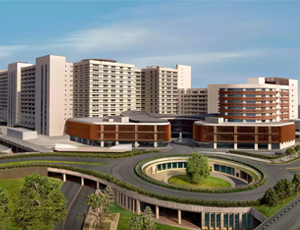
Founded in 1998 by Mata Amritanandamayi (Amma), the Amrita Institute of Medical Sciences and Research Centre is one of India’s leading healthcare institutions, accredited by ISO, NABH, and NABL. With 2 branches, 7 medical colleges, and a network of 800+ doctors and 2,600+ beds, it offers comprehensive care across 81 specialties and 12 super-specialty departments, supported by 60+ modern operating theatres and 534 critical care beds. The Faridabad campus, a world-class multispeciality facility, houses advanced centers for oncology, neurosciences, cardiac sciences, gastro-sciences, mother and child care, and trauma care, along with India’s most comprehensive infectious disease unit. Guided by a mission of compassion and innovation, Amrita Hospitals combine cutting-edge medicine with humanitarian service to empower communities and promote holistic well-being.

CAR-T in Marengo Asia Hospitals, Faridabad: Costs, Top Doctors, and Reviews

Faridabad, India

  • National Accreditation Board for Hospitals & Healthcare Providers (NABH)
  • National Accreditation Board for Testing and Calibration Laboratories (NABL)

Marengo Asia Hospitals, located in Faridabad, is a multispecialty, state-of-the-art, and patient-friendly facility that combines the greatest services available in the healthcare segment. With 325 beds now, the hospital can accommodate up to 550 beds. It has first-rate medical facilities including a Critical Care Medicine department for patients with life-threatening conditions. Furthermore, our highly skilled medical staff and cutting-edge software system make us the perfect facility for patients from various backgrounds. We always aim to exceed expectations and are always looking for ways to boost our performance.

Need Some Advice From Our Experts?

Request a Call Back Now!

Our team of healthcare experts would be happy to assist you

trusted Patientstrusted Patients+99
Trusted by 50000+ Patients
Required | alphabets and spaces
Required | A valid, working email address
Required | A valid contact

Process Involved for CAR-T in Faridabad

  • Preoperative Stage: An assessment of the patient's medical history, including testing to determine eligibility for CAR-T therapy and identify the target antigen on cancer cells.
  • Treatment Plan Discussion: An oncologist discusses the procedure of CAR-T therapy, including potential dangers, advantages, and side effects.
  • Therapeutic Stage: T-cells are extracted from the patient, modified in the lab to express a chimeric antigen receptor (CAR), and reintroduced into the patient to target and destroy cancer cells.
  • Postoperative Phase: Closely monitor for side effects. Follow-ups are scheduled regularly to check the response and treat any complications.
  • Cancer patients, especially those suffering from blood cancers like leukemia, lymphoma, and multiple myeloma.
  • Patients who have not responded to previous therapies, such as chemotherapy or radiation.
  • Patients in good overall health with a functioning immune system.
  • Individuals who have specific genetic markers that qualify them for CAR-T treatment.
  • Targeted Action: CAR-T treatment specifically targets cancer cells, increasing efficacy while minimising damage to healthy cells.
  • Potential for Remission: Can result in long-term remission, even in people with difficult-to-treat cancer.
  • Minimally Invasive: The treatment consists mainly of an outpatient procedure for T-cell collection, with the therapy provided via infusion.
  • Medical Oncologist
  • Fill out the inquiry form: Fill out the form to provide us with the relevant information about your condition.
  • Consult with Our Healthcare Expert: One of our qualified specialists will contact you for a consultation.
  • Receive a Detailed Treatment Plan: After examining your situation, we will provide you with a detailed treatment plan that includes expert views and cost breakdowns for various choices.
  • Choose your preferred option: Choose the treatment option that suits you the best.

Instantly Connect with our CAR-T Specialists

Doctor 1
Doctor 2
Doctor 3
Doctor 4
Doctor 5
Doctor 6
Doctor 7
Doctor 8
Our Services to Better your Experience

Opinion & Option

We submit the most accurate opinion and options from one or more countries for your review

Consult Privately

Consult with a certified specialist privately on our telemedicine platform even before you decide to travel

Logistics

We handle flights, visas, transfers, and accommodation—so you can focus on your health.

Recovery

Our In-house rehabilitation service packages to better your recovery and treatment outcome

Other Popular Countries for CAR-T

Our network connects you with the leading medical tourism destinations globally, offering a wide range of cities, top doctors, and flexible pricing options.

Turkey
Singapore
Vietnam
United Kingdom

Author

Dr. Vishwas Kaushik

MBBS, MD

5 Years of Experience

Dr. Vishwas Kaushik is a qualified medical professional holding an MBBS from the prestigious Belgorod State University, Russia, with a strong foundation in clinical medicine and healthcare practice. His comprehensive medical training has equipped him with a profound understanding of evidence-based clinical practices, patient-centered care, and the evolving landscape of modern medicine. With a keen interest in medical research and scientific communication, he consistently translates complex clinical concepts into clear, accurate, and accessible content for diverse audiences. His work reflects a deep commitment to advancing medical knowledge, delivering impactful healthcare insights, and bridging the gap between clinical expertise and accessible medical communication.. View More

Reviewer

Dr Prateek Varshney

Surgical Oncologist

15 Years of Experience

Dr. Prateek Varshney is a renowned Surgical Oncologist. He has experience of more than 15+ years in surgical Oncology. He is currently practicing as a consultant at Metro Mass Hospital and Cancer Institute. He was also previously associated as a consultant with Sir Ganga Ram Hospital and as a professor at Gujarat Cancer Research Institute. View More