Kummell Disease Treatment in Malaysia
- Top Accredited Hospitals
- Global Medical Standards
- Cutting-Edge Technology
- Proven Treatment Options
- High Success Rate
- Trusted by Millions

What is Kummell's Disease?
Kummell's Disease, or Vertebral Osteonecrosis, is when delayed vertebral collapse and spinal deformities are produced due to avascular necrosis in the vertebral body. This condition most commonly involves the thoracolumbar spine's lower thoracic and lumbar regions. It is characterised by progressive vertebral collapse, usually caused by back pain or neurological symptoms.
What is the Importance of Timely Treatment?
Preventing Progression
Prompt intervention may mitigate the progression of the disease. The vertebral collapse in Kummell's Disease can cause significant skeletal deformities, such as kyphosis and neurologic complications.
Pain Control
Chronic back pain is one of the key symptoms of Kummell's Disease. Persistent treatments, on the other hand, produce long-standing pain that affects daily functioning and quality of life. Therefore, early conservative or surgical treatment could better control pain for a patient in comfort.
Prevention of Neurological Damage
Timely interventions, especially surgical treatment, can relieve or prevent nerve compression, combating the further onslaught on function and irreversible damage.
Better Surgical Outcomes
The bone tissue is less likely to have sustained extensive damage, thus favouring a good inhibitory scenario for recovery and reducing mixed procedural complications.
Enhanced Mobility and Function
Early treatment helps sustain mobility and functional independence. If left untreated, advanced Kummell's Disease causes significant immobility, which makes performing moderate tasks difficult. In this sense, early intervention maintains function and general well-being.
What are the Common Symptoms of Kummell's Disease?
- Severe Back Pain
- Spinal Deformity (Kyphosis)
- Reduced Mobility
- Neurological Symptoms
- Delayed Onset of Symptoms
- Worsening Pain with Weight-Bearing Activities
Causes and Risk Factors of Kummell Disease
Causes
- Spinal Trauma or Injury
- Avascular Necrosis (AVN)
- Corticosteroid Use
- Osteoporosis
- Spinal Fractures
Risk Factors
- Age (Older Adults)
- Osteopenia and Osteoporosis
- Chronic Steroid Use
- Trauma or Injury
- Alcohol Consumption
- Smoking
- Genetics and Family History
Connect with our advisor for a PRIORITY response
Latest Research and Technologies in the Treatment of Kummell Disease in Malaysia
Malaysia has adopted high technologies for the diagnosis and management of Kummell's Disease, which manifests as a delayed vertebral collapse syndrome. MRI and CT scans with high-resolution imaging allow early detection of bone necrosis, facilitate the treatment planning, and provide guidance in intervention, as less invasive procedures such as Balloon Kyphoplasty and Vertebroplasty are frequently used to restore vertebral height and relieve pain. Robotic-assisted spine surgeries improve the safety and precision of such procedures in complicated cases.
Kummell Disease Prevention Tips
Consume adequate amounts of calcium and vitamin D to keep your bones healthy. Engage in load-bearing exercises, walking, and strength-building to develop bone density and avoid osteoporosis, which can lead to Kummell's disease.
Prevention of Spinal Injuries: Avoid falling and spine injury by clearing dangerous tripping risks and being careful about footwear. Wear protective gear during dangerous activities and carry first aid kits when needed to avoid spinal fractures.
Treatment for osteoporosis and other bone diseases: Follow up on osteoporosis treatment that includes using bone-strengthening medications. Those followed up at scheduled periods (including an indicator) were scanned into DEXA scanners later against fractures resulting in Kummell's Disease.
Healthy Lifestyle Choices: Quit smoking, improve circulation, and maintain bone health. Moderate alcohol ingestion limits the required calcium absorption from the intestine; hence, these lifestyle alterations help prevent skeletal degeneration and avascular necrosis.
Treatment options for Kummell Disease
The medical treatment for Kummell Disease requires evaluating the severity, neural involvement, and patient medical condition. The following are the treatment options:
Kyphoplasty : A variant of vertebroplasty, kyphoplasty aims to restore the height of the collapsed vertebra before injecting bone cement. A balloon is inflated inside the vertebra after creating space for the cement to stabilise the bone and restore its shape.
Cost Start From USD 4500 - USD 7500Explore Options
Spinal Fusion : In this procedure, the affected vertebra is fused with the adjacent vertebrae to stabilise the spine and prevent further movement. Bone grafts or implants may be placed to help heal and stabilise the fusion.
Cost Start From USD 12000 - USD 17000Explore Options
Decompression Surgery: When the vertebra collapses and exerts pressure on the spinal cord or utilises the nerves, causing anatomical and neurological symptoms, decompression surgery relieves the pressure and prevents neurological damage.
Bone Graft Substitutes: Bone graft substitutes may be inserted during spinal fusion surgery to enhance bone healing and structural support to the damaged vertebra. Growth factors also aid the healing process.
These are the standard diagnostic methods for diagnosing Kummell Disease :
Clinical Evaluation
- History and Symptoms: During the assessment, the physician needs information about the previous surgical procedure and symptoms of back pain, numbness, and weakness to determine whether the spinal cord is involved.
- Physical exam: The doctor will ask about the patient's medical history and symptoms, and the physical examination will show them. Tenderness and pain along the spinous processes can be key indicators.
Imaging Studies
- Radiography is the first test to screen: When a vertebral compression fracture or evidence of bone collapse occurs, an X-ray is usually the first imaging test employed. It can also show the presence of Kummell's Disease.
- Magnetic Resonance Imaging (MRI): Magnetic resonance imaging is among the most accurate imaging modalities for diagnosing Kummell's Disease. The vertebral bone and soft tissues, including the marrow, can be further elucidated, which could show signs of avascular necrosis.
- Computed Tomography (CT) Scan: CT scans produce grossly improved images of the structural bone site, allowing the state of vertebral collapse, fractures, and bone degeneration due to Kummell's Disease to be seen.
- Bone Scintigraphy (Bone Scan): A bone scintigraphy or breast scan collects information using a small quantity of radioactive material in the circulation. Hyperactive bone regions absorb such radioactive material.
- Dual-Energy X-ray Absorptiometry Scan (DEXA): DEXA is not specific to Kummell's Disease; however, it is essential for assessing bone density and osteoporosis risk, potentially contributing to vertebral fractures. Osteoporotic bone becomes much more brittle, and fractures under lower loading cause vertebral collapse and a higher occurrence of Kummell's Disease.
Blood Tests
- Infection or Inflammatory Markers: Blood tests may be done to rule out other conditions, such as infection or inflammation, that may express symptoms similar to this condition. For instance, tests for C-reactive protein (CRP) or erythrocyte sedimentation rate (ESR) are directed towards detecting inflammation.
MediRehab (a chain of Rehab centres, part of MediGence) provides comprehensive rehabilitation services to support patients through online therapy sessions. Additional services are as per the patient's requirement. These services include:
Physical therapy
This includes strengthening the muscles of the spinal column. In addition, this helps improve posture and facilitates spine flexibility. Its exercises have something to ease and help move everything one needs for supportive vertebrae.
Pain Management
It comprises heat/cold therapy, TENS, or manual therapy to reduce pain. This reduction in pain is generally linked to decreased inflammation, muscle relaxation, and increased movement.
Spinal Support/Bracing
It could be indicated that spinal braces or back supports offer stabilisation for the spine to prevent further collapse. These were for pain relief and support while someone was being rehabilitated.
Low-impact Exercise
Walking and swimming work for heart and muscle conditions without putting pressure on the spine. Due to the water's buoyancy, underwater therapy is quite effective.
Lifestyle and Psychological Support
These may range from restricting those with high-impact activities to sparsely using mobility aids. Psychological support, including such interventions as CBT, would assist in managing the various pain and emotional stressors accompanying the recovery process.
The main medications for Kummell's Disease are pain medications. NSAIDs, muscle relaxants, and anticonvulsants to control nerve pain and chronic discomfort.
Instantly Connect with our Specialists


Hospitals for Kummell Disease in Malaysia
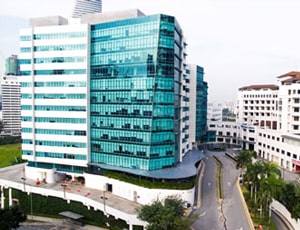
Parkway Pantai
Kuala Lumpur, Malaysia
Parkway Pantai located in Kuala Lumpur, Malaysia is accredited by JCI. Also listed below are some of the most prominent infrastructural details:
- Capacity of 335 beds
- 200+ specialist Doctors
- Critical Care Unit
- Neonatal Intensive Care Unit
- Operating Theatre
- International Patient Care Center
- Types of rooms available- Premier Suite, Supreme Suite, Deluxe Single Room, 2-bedded room, 4-bedded room, Deluxe Suite, Premier Single room, and Supreme Single room

Sunway Medical Centre
Kuala Lumpur, Malaysia
Sunway Medical Centre has initiated a comprehensive expansion plan close to its current hospital facility to enhance its ability to provide services to the global market. The new Cancer Radiosurgery Center and Nuclear Medicine Center, which will also house additional Centers of Excellence like the Digestive Health Center and Dialysis Center, marked the completion of Tower C's first phase in October 2016.

Ara Damansara Medical Centre
Kuala Lumpur, Malaysia
Situated at the junction of Petaling Jaya and Shah Alam, close to the Oasis Ara, Ara Damansara Medical Centre boasts a serene, luxurious ambiance.
The Centre has been awarded several prestigious awards such as the Global Health Asia Pacific Awards 2023, Newsweek Best Specialized Hospital APAC 2023, Healthcare Asia Awards 2023, and Malaysian Healthcare Wellness Excellence.
Our Services to better your experience
Opinion & Option
We submit the most accurate opinion and options from one or more countries for your review
Consult Privately
Consult with a certified specialist privately on our telemedicine platform even before you decide to travel
Logistics
We handle flights, visas, transfers, and accommodation—so you can focus on your health.
Recovery
Our In-house rehabilitation service packages to better your recovery and treatment outcome
Why Choose Malaysia for Kummell’s Disease Treatment?
- Advanced Medical Facilities in Malaysia: All Malaysian clinics have state-of-the-art, accurate diagnosis and treatment equipment.
- Experienced Specialists: Most Malaysian doctors are further trained abroad and have immense experience treating chronic painful conditions.
- Affordable Treatments: In Malaysia, one can avail of high-quality medical services at much lower rates than in several other countries.
- Comprehensive Treatment Options: Malaysia has all the treatment modalities, from minimally invasive procedures to holistic therapies.
- Cultural and Touristic Interest: An individual can take pleasure in their treatment with a visit to the rich culture and landscapes in Malaysia.
Frequently Asked Questions
Surgery is not always needed; conservative management can often deal with these cases, such as pain control, bracing, or physical therapy. Severe cases with substantial vertebral collapse or neurological complications are the usual candidates for surgery.
Bone health can be prevented through good nutrition, exercise, and avoiding excess steroids. Monitoring bone density and early fracture detection can also assist in preventing the evolution of the disease.
Exercise, especially weight-bearing exercises, preserves bone strength. Stopping smoking, limiting alcohol intake, and taking adequate calcium and vitamin D may also help ensure bone health and diminish the risk of future complications.
The cure may not be complete, but diagnosis sooner and treatment directed toward alleviating symptoms and preventing further damage may be organised. Treatment would eliminate pain, stabilise the spinal column, and restore maximum functional capacity.
The prognosis varies. With appropriate diagnosis and intervention, symptoms can often be well managed, and a good quality of life is maintained. Severe damage may be permanent and may need ongoing coping management.
In Malaysia, preventing Kummell's Disease would entail preventing strong bones through appropriate nutrition (high in calcium and vitamin D), exercises, and avoiding corticosteroids for prolonged use. The second aspect of prevention would be avoiding cigarette smoking and excess alcohol intake, and promoting an active lifestyle.
Depending on the procedure, recovery may take a few weeks, especially for those using advanced minimally invasive methods.
All international hospitals in Malaysia offer international patient services such as travel assistance, accommodation, and language support.
Yes, relapse of the symptoms can happen, especially if the initial cause has not been appropriately treated. Adequate post-treatment care can reduce the chances of recurrence in Malaysia and maintain bone health through exercise, diet, and medications.
Advanced imaging, such as MRI and CT scans, is now available in all top hospitals across Malaysia, making early disease detection possible. Regular spine check-ups, especially for osteoporosis and post-vertebral fractures, will help identify early diseases and minimise complications.

Reviewer

Dr Sonal Gupta
Neurosurgeon
29 Years of Experience
Dr. Sonal Gupta has an experienced neurosurgeon with more than 29+ years of clinical expertise. She is currently the Director, Neuro & Spine Surgery at Fortis Hospital, Shalimar Bagh. Before joining Fortis, she has been associated with various organizations such as Maharaja Agrasen Hospital, Action Balaji Hospital, and Max Hospital. View More
Last Reviewed - January 2026