Lumbar Radiculopathy Treatment in Malaysia
- Top Accredited Hospitals
- Global Medical Standards
- Cutting-Edge Technology
- Proven Treatment Options
- High Success Rate
- Trusted by Millions

What is Lumbar Radiculopathy?
Lumbar radiculopathy will be interpreted by identifying irritated or compressed nerve roots in the lower back with symptoms of pain, numbness, tingling, or weakness radiating to one's legs. A herniated disc, degenerative disc disease, and spinal stenosis are common causes of the pressure placed on the nerves as they exit the spinal cord.
What is the Importance of Timely Treatment?
Prevents Permanent Nerve Damage
It will help lessen the duration of nerve compression. If it becomes prolonged, it may cause irreversible damage. As a whole, sensation and motor function would be preserved. Thus, timely care will prevent damage to nerve health.
Reduces Chronic Pain
It causes chronic and disabling pain in untreated lumbar radiculopathy. The early intervention addresses inflammation and nerve irritation and should prevent suffering for many years.
Improves Recovery Outcomes
Treating radiculopathy early usually results in a more rapid and effective recovery. Non-surgical therapies like physical treatment and medicines suffice in relieving a patient's symptoms, preventing him from seeking invasive measures.
Avoid risks
The underlying problem worsens, creating a more complex scenario when left untreated. The earlier the intervention, the fewer high-risk surgeries are needed. Minor damage would also occur to the spine and nerves if treated according to the actual diagnosis.
Enhances Quality of Life
Function will be quickly restored, with minimal pain involved, and the patient can resume daily activities. This will not only avoid disabilities but also improve emotional health. In short, a very healthy lifestyle would be promoted.
What are the Common Symptoms of Lumbar Radiculopathy?
- Lower Back Pain
- Radiating Pain in the Legs
- Numbness or Tingling (Paresthesia)
- Muscle Weakness
- Altered Reflexes
Causes and Risk Factors of Lumbar Radiculopathy
Causes
- Herniated Disc
- Degenerative Disc Disease
- Spinal Stenosis
- Spondylolisthesis
- Trauma or Injury
Risk Factors
- Age
- Occupation
- Obesity
- Smoking
- Genetics
- Sedentary Lifestyle
Connect with our advisor for a PRIORITY response
Latest Research and Technologies in the Treatment of Lumbar Radiculopathy in Malaysia
In Malaysia, lumbar radiculopathy treatment is evolving toward lesser invasiveness and greater non-surgical approaches. Notably advancing are the minimally invasive procedures of transforaminal endoscopic spine surgery, microdecompression, nucleoplasty, and radiofrequency ablation, all characterised by faster recovery and lesser risks. Non-invasive procedures, including low-level laser therapy and spinal decompression, are also beginning to make an impact. In addition, technological advancements such as robotic-assisted surgery, 3D navigation, and various endoscopic modalities improve the surgical precision and clinical outcomes.
Lumbar Radiculopathy Prevention Tips
Good Posture
Posture during sitting, standing, or sleeping should be correct to relieve stress on the lower back. The less the roundness of the normal-spined conditions, the less the excess pressure it puts on the discs. Thus, it enhances the structural integrity of the part.
Strengthen Core and Back Muscles
Regular core strengthening contributes to developing spinal stability. Planks and extensions of the lumbar region are used. A strong core can help prevent such injuries by properly aligning the spine.
Proper Lifting
When lifting, never bend forward at the waist. Instead, squat down by bending your knees. Keep the object close to your body to minimise pressure on the spine. This safe technique protects the lower back from injury.
Maintain an Acceptable Weight
Extra weight, especially in the abdomen, puts excess pressure on the spine. Diet management and regular physical exercises help keep weight under control, preventing stress on the lumbar region. Weight is also a factor in spinal functioning.
Remain Active
Daily activities such as walking and yoga strengthen and stretch the spine. One should avoid sitting for a long time, so taking breaks during which one can move about and stretch is mandatory. Keeping the body active improves flexibility and avoids stiffness.
Treatment options for Lumbar Radiculopathy
The medical treatment for Lumbar Radiculopathy requires evaluating the severity, neural involvement, and patient medical condition. The following are the treatment options:
Selective Nerve Root Block (SNRB): SNRB involves injecting a local anaesthetic with a steroid medication around the affected nerve to reduce pain and inflammation. Thus, it serves as both a diagnostic and therapeutic tool.
Radiofrequency Ablation (RFA): RFA is a heat treatment that blocks pain signals along the nerve concerned. It is usually considered if pain is unbearable and other forms of treatment have failed.
Discectomy: Discectomy removes that portion of a herniated disc pressing on the nerve root. Surgery is usually performed if the herniated disc is the offending cause of radiculopathy.
Laminectomy: refers to the surgical removal of a part of the vertebra (called lamina) to relieve pressure on the spinal cord or nerve roots; it is typically performed in cases of spinal stenosis.
Cost Start From USD 10000 - USD 16000Explore Options
Spinal Fusion : In severe instability or degeneration cases, fusing two or more vertebrae may be required to stabilise the spine and restore nerve compression.
Cost Start From USD 12000 - USD 17000Explore Options
These are the standard diagnostic methods for diagnosing Lumbar Radiculopathy:
Clinical Evaluation
- History and Symptoms: During the assessment, the physician needs information about the previous surgical procedure and symptoms of back pain, numbness, and weakness to determine whether the spinal cord is involved.
- Physical examination: The doctor will assess the patient's posture and curvature of the spine, looking for any evidence of deformity. They will also look for any signs of pain or tenderness upon palpation of the spine.
Imaging Studies
- MRI (Magnetic Resonance Imaging): MRI is the most frequently used imaging test in diagnosing lumbar radiculopathy. It determines any compressing factors, such as disc herniation, spinal stenosis, or other structural abnormalities that may compromise the nerve root.
- CT Scan (Computed Tomography): If an MRI is contraindicated or unavailable, a CT scan can obtain very detailed cross-sectional views of the spine. It can thus visualise bone spurs, disc issues, and other conditions that might lead to neural compression.
- Myelogram: Contrast dye is injected into the spinal canal before X-ray or CT scans are done. The myelogram helps detect spinal stenosis or herniated discs when an MRI is unavailable or cannot be performed.
- EMG: An EMG records electrical activity in muscles. Thus, it helps assess whether the nerve roots promptly transmit their signals to the muscles. Based on the EMG results, significant alterations may assist in localising the affected nerve root.
- Discography: In certain situations, discography may determine whether one disc is responsible for the pain. This is done by injecting contrast dye into the disc and taking X-ray images.
Blood Tests
- Blood tests may not be directly diagnostic for lumbar radiculopathy; however, they may assist in ruling out infection or inflammatory causes (i.e., rheumatoid arthritis or disease) that can produce radiculopathy-like symptoms.
MediRehab (a chain of Rehab centres, part of MediGence) provides comprehensive rehabilitation services to support patients through Teleconsulations and online therapy sessions.
Physical Therapy
These therapies strengthen the basic postural, back, and leg muscles to ensure the spine has the best support. This helps improve motion and can relieve pain.
Pain Management
Patients can benefit from pain management strategies such as TENS, heat therapy, cold therapy, and specific prescribed anti-inflammatory methods. These methods reduce swelling, anaesthetise, and/or relax muscles, causing pain relief and helping the rehabilitation process work more effectively during therapy.
Ergonomic Modifications
Adjusting office furniture and adopting correctly executed postures and basic activities can help people detect the onset of their symptoms.
Aquatic Therapy & Cognitive Support
Aquatherapy offers muscle strengthening and flexibility in an environment with almost no movement. Cognitive-behavioural therapy aids in addressing the psychological ramifications of chronic pain. It is known to reduce stress and anxiety, promoting recovery.
Instantly Connect with our Specialists


Hospitals for Lumbar Radiculopathy in Malaysia
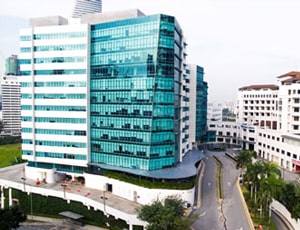
Parkway Pantai
Kuala Lumpur, Malaysia
Parkway Pantai located in Kuala Lumpur, Malaysia is accredited by JCI. Also listed below are some of the most prominent infrastructural details:
- Capacity of 335 beds
- 200+ specialist Doctors
- Critical Care Unit
- Neonatal Intensive Care Unit
- Operating Theatre
- International Patient Care Center
- Types of rooms available- Premier Suite, Supreme Suite, Deluxe Single Room, 2-bedded room, 4-bedded room, Deluxe Suite, Premier Single room, and Supreme Single room

Sunway Medical Centre
Kuala Lumpur, Malaysia
Sunway Medical Centre has initiated a comprehensive expansion plan close to its current hospital facility to enhance its ability to provide services to the global market. The new Cancer Radiosurgery Center and Nuclear Medicine Center, which will also house additional Centers of Excellence like the Digestive Health Center and Dialysis Center, marked the completion of Tower C's first phase in October 2016.

Ara Damansara Medical Centre
Kuala Lumpur, Malaysia
Situated at the junction of Petaling Jaya and Shah Alam, close to the Oasis Ara, Ara Damansara Medical Centre boasts a serene, luxurious ambiance.
The Centre has been awarded several prestigious awards such as the Global Health Asia Pacific Awards 2023, Newsweek Best Specialized Hospital APAC 2023, Healthcare Asia Awards 2023, and Malaysian Healthcare Wellness Excellence.
Our Services to better your experience
Opinion & Option
We submit the most accurate opinion and options from one or more countries for your review
Consult Privately
Consult with a certified specialist privately on our telemedicine platform even before you decide to travel
Logistics
We handle flights, visas, transfers, and accommodation—so you can focus on your health.
Recovery
Our In-house rehabilitation service packages to better your recovery and treatment outcome
Why Choose Malaysia for Lumbar Radiculopathy Treatment?
Several advantages exist in choosing Malaysia:
- Advanced Medical Facilities in Malaysia: All Malaysian clinics have state-of-the-art, accurate diagnosis and treatment equipment.
- Experienced Specialists: Most Malaysian doctors are further trained abroad and have immense experience treating chronic painful conditions.
- Affordable Treatments: In Malaysia, high-quality medical services are available at much lower rates than in several other countries.
- Comprehensive Treatment Options: Malaysia has all the treatment modalities, from minimally invasive procedures to holistic therapies.
- Cultural and Touristic Interest: Individuals can take pleasure in their treatment by visiting Malaysia's rich culture and landscapes.
Frequently Asked Questions
Conservative treatment is preferred, with surgery being indicated only in patients who do not get relief from conservative measures, such as physical therapy, medications, and injections, or in patients with significant nerve damage or loss of function. Most of the patients get better with non-surgical treatments.
Almost all prominent hospitals in Malaysia have English-speaking doctors and medical staff, many providing translation services for international patients.
Yes, lumbar radiculopathy could recur if the underlying conditions are not rectified or if ongoing issues like degenerative disc disease or spinal stenosis continue. Regular exercise and maintaining good posture with weight control can prevent its recurrence.
Chronic pain, damage to the nerves, and weakness of the muscles may set in if lumbar radiculopathy is not treated. The earlier it is diagnosed and treated, the more one reduces the chances of enduring complications later.
Recovery time is variable since it depends on the severity of the condition and the treatment offered. Mild cases show improvement in a few weeks, while more serious ones may take months to heal. A good physical therapy regimen may hasten this.

Reviewer

Dr Sonal Gupta
Neurosurgeon
29 Years of Experience
Dr. Sonal Gupta has an experienced neurosurgeon with more than 29+ years of clinical expertise. She is currently the Director, Neuro & Spine Surgery at Fortis Hospital, Shalimar Bagh. Before joining Fortis, she has been associated with various organizations such as Maharaja Agrasen Hospital, Action Balaji Hospital, and Max Hospital. View More
Last Reviewed - January 2026