Spinal Stenosis Treatment in Malaysia
- Top Accredited Hospitals
- Global Medical Standards
- Cutting-Edge Technology
- Proven Treatment Options
- High Success Rate
- Trusted by Millions

What is Spinal Stenosis?
Spinal stenosis happens when there is not enough room inside the backbone. This may cause compression of nerves that pass through the spine and the spinal cord. The most common sites for spinal stenosis are the neck and lower back.
Some patients with spinal stenosis show no symptoms. Others may have muscle weakness, numbness, tingling, and pain. Symptoms may become worse over time.
The most common cause of spinal stenosis is arthritis-related wear and tear of the spine. Spinal stenosis that has severe effects might necessitate surgical intervention.
What is the Importance of Timely Treatment?
Spinal stenosis should be treated early to prevent the disease from worsening and causing irreversible damage to the nerves. If treatment is not received, the strain on the spinal cord and nerves may result in increased discomfort, numbness, weakness, and trouble moving or balancing.
This may eventually result in impairment and majorly impact an individual's quality of life. Examples of early intervention are physical therapy, medicine, or minimally invasive treatments that help control symptoms, delay the course and avoid more invasive procedures such as surgery.
What are the Common Symptoms of Spinal Stenosis?
There are a few Common symptoms of spinal stenosis, including:
- Back or Neck Pain
- Numbness or Tingling
- Weakness
- Sciatica
- Difficulty Walking
- Loss of Bladder or Bowel Control
Causes and Risk Factors of Spinal Stenosis
Causes
- Arthritis: Osteoarthritis may lead to bone spurs that reduce the available space for nerves.
- Herniated Discs: Ruptures or bulging discs can compress nerves, leading to stenosis.
- Spinal Injuries: Traumatic fractures or dislocations may lead to the narrowing of the spinal canal.
- Tumors: Growth in or around the spinal canal may compress nerves or the spinal cord.
- Ligament Thinning: The available space in the spine can also diminish with age because ligaments are thickened.
- Other Diseases: Other causes of a narrowing spinal canal are scoliosis or any disease of the bone.
Risk Factors
- Age
- Family History
- Previous Spinal Injuries
- Osteoarthritis
- Bone Diseases
- Scoliosis
Connect with our advisor for a PRIORITY response
Latest Research and Technologies in the Treatment of Spinal Stenosis in Malaysia
In Malaysia, minimally invasive procedures and advanced medical technology are the mainstays of new trends in spinal stenosis treatment. Due to their ability to reduce muscle injury, accelerate recovery, and reduce post-operative pain, procedures such as minimally invasive spine surgery and percutaneous endoscopic lumbar decompression are increasingly gaining popularity. In addition, spinal stenosis testing is becoming more precise and rapid as artificial intelligence is being applied to diagnostic imaging, enhancing treatment planning and outcomes.
Spinal Stenosis Prevention Tips
- While spinal stenosis often occurs with ageing and genetics, some lifestyle changes can minimise risks or delay its progression. The following are a few prevention tips:
- Maintain Your Ideal Weight: Excess weight increases the risk of putting pressure on the spine. Hence, it increases the chances of developing spinal stenosis.
- Exercise regularly: Yoga, walking, swimming, etc., strengthen the muscles surrounding your backbone, making it more flexible and supportive.
- Good Posture: Good posture is essential to avoid irregular postures that may contribute to stenosis and reduce the load on the spine.
- Don't Lift Heavy Things: Don't lift heavy things using your back; always support with your legs.
- Use ergonomic furniture; ensure that sleeping and work arrangements support the healthy alignment of the spine.
Treatment options for Spinal Stenosis
Spinal Fusion: A laminectomy is when the removal of the lamina, part of the vertebra, is used to relieve pressure on the spinal cord or nerves resulting from the narrowing of the spinal canal.
Cost Start From USD 12000 - USD 17000Explore Options
Laminectomy: Spinal fusion refers to joining two or more vertebrae to stabilise the spine and prevent further movement.
Cost Start From USD 10000 - USD 16000Explore Options
- Clinical assessment:
- Physical Examination: The doctor would inspect the spine for any signs of discomfort or misalignment, especially in the neck and lower back, and for abnormal posture or gait.
- Range of motion tests: The patient is instructed to bend, twist, or extend their back to measure the range of motion in the spine. This helps to determine whether movement is limited or painful, possibly indicative of the narrowing of the spinal canal or compression of nerves.
- Neurological Tests: Since spinal stenosis can cause numbness, weakness, or tingling in the limbs, the doctor may assess reflexes, muscle strength, and sensation to check for nerve involvement or injury.
- Gait Analysis: Observing a person's gait can determine whether stenosis is impairing balance or making movement difficult.
- Imaging Tests:
- X-rays clearly show the bones, and they can also reveal bone spurs, spinal canal narrowing, or any other irregularity in the spine that could be a factor in stenosis.
- MRI provides fine-grained pictures of soft tissues, such as the discs, spinal cord, and nerves.
- Computedtomography(CT)scan: A CT scan, sometimes with contrast dye, can create high-resolution images of the spinal canal, assist in visualising bone structures, and provide greater clarity about abnormalities or narrowing.
- Myelograms are a special type of X-ray in which contrast dye is injected into the spinal canal to help demonstrate nerve compression and stenosis.
Our MediRehab facilities, part of MediGence in India, offer physical therapy services for international patients. We also have convenient teleconsultation options so that patients all over the globe can receive expert treatment remotely. A few services such as:
- Personalised Therapy Plans: Improved mobility, pain management, improvement in strength, and reduction in inflammation.
- Post-operative rehabilitation: Physical therapy sessions aimed at regaining joint strength and function.
- Depending on the situation, your healthcare professional may prescribe medicine to help control your symptoms and support the treatment plan.
Instantly Connect with our Specialists


Hospitals for Spinal Stenosis in Malaysia
Parkway Pantai
Kuala Lumpur, Malaysia
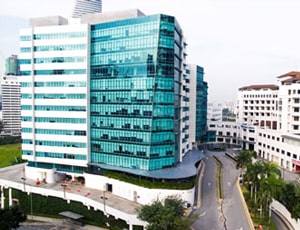
Parkway Pantai located in Kuala Lumpur, Malaysia is accredited by JCI. Also listed below are some of the most prominent infrastructural details:
- Capacity of 335 beds
- 200+ specialist Doctors
- Critical Care Unit
- Neonatal Intensive Care Unit
- Operating Theatre
- International Patient Care Center
- Types of rooms available- Premier Suite, Supreme Suite, Deluxe Single Room, 2-bedded room, 4-bedded room, Deluxe Suite, Premier Single room, and Supreme Single room

Sunway Medical Centre
Kuala Lumpur, Malaysia
Sunway Medical Centre has initiated a comprehensive expansion plan close to its current hospital facility to enhance its ability to provide services to the global market. The new Cancer Radiosurgery Center and Nuclear Medicine Center, which will also house additional Centers of Excellence like the Digestive Health Center and Dialysis Center, marked the completion of Tower C's first phase in October 2016.

Ara Damansara Medical Centre
Kuala Lumpur, Malaysia
Situated at the junction of Petaling Jaya and Shah Alam, close to the Oasis Ara, Ara Damansara Medical Centre boasts a serene, luxurious ambiance.
The Centre has been awarded several prestigious awards such as the Global Health Asia Pacific Awards 2023, Newsweek Best Specialized Hospital APAC 2023, Healthcare Asia Awards 2023, and Malaysian Healthcare Wellness Excellence.
Our Services to better your experience
Opinion & Option
We submit the most accurate opinion and options from one or more countries for your review
Consult Privately
Consult with a certified specialist privately on our telemedicine platform even before you decide to travel
Logistics
We handle flights, visas, transfers, and accommodation—so you can focus on your health.
Recovery
Our In-house rehabilitation service packages to better your recovery and treatment outcome
Why Choose Malaysia for Spinal Stenosis Treatment?
Malaysia is a great place to get treated for spinal stenosis because of its superior medical facilities, expert doctors, and low cost. The country provides state-of-the-art, minimally invasive treatments, complete care, and less waiting time. Internationally accredited hospitals in Malaysia provide high-quality healthcare at a fraction of the cost of Western countries, making it an excellent destination for local and international patients in the country's successful medical tourism industry.
Frequently Asked Questions
Yes, spinal stenosis can frequently be cured without surgery, especially in mild to moderate cases. Non-surgical treatments include physical therapy, which helps build muscles and increase flexibility; painkillers like anti-inflammatory medications; epidural steroid injections, which lessen inflammation around the nerves; and lifestyle modifications like better posture and weight control.
Surgery may be considered when non-surgical treatments for spinal stenosis are ineffective or when the condition results in significant pain, neurological problems such as paralysis or numbness, decreased movement, or loss of control over one's bowels or bladder. If these symptoms increase or substantially interfere with day-to-day activities, surgery, such as spinal fusion or decompression surgery, may be required to relieve nerve pressure and restore function.
Various surgical techniques can be used to treat spinal stenosis, depending on the severity of the problem:
The most common surgery is a laminectomy, where the lamina—a section of the vertebra—is removed to relieve pressure on the spinal cord.
Foraminotomy can enlarge the tiny openings (foramen) where nerves leave the spine to relieve nerve compression.
Spinal Fusion: If the spine is unstable after decompression surgery, the vertebrae can be fused with implants or bone grafts to stabilise the spine.
Artificial Disc Replacement: In rare cases, an artificial disc may replace a damaged disc, helping preserve spinal mobility.
Recovery after spinal stenosis surgery depends on the type of surgery and various personal health issues. It can take six weeks. Some patients might benefit within weeks after a laminectomy or foraminotomy, but full recovery can take three to three months. Usually, after more invasive treatments such as spinal fusion, the bones will take anywhere from six to twelve months to heal completely.
Spinal stenosis can be inherited in some cases. A smaller spinal canal may be part of a person's genetic makeup, making them more susceptible to the condition, although it is usually associated with age. Spinal stenosis can also be caused by spondylosis or degenerative disc degeneration, which can be the result of some hereditary factors.
No, the pain is not a symptom of spinal stenosis. Many people with spinal stenosis do not even experience symptoms if the narrowing of the spinal canal is not too severe. Nevertheless, pain, numbness, weakness, or other neurological signs may occur when the disease worsens and pinches the spinal cord or nerves.
While the causes and symptoms are somewhat similar for spinal stenosis and a herniated disc, they are not the same. When these spaces within the spine become smaller, it's known as spinal stenosis, which might compress the spinal cord and nerves. Thickened ligaments, arthritis, and age-related changes are often causes.
A herniated disc occurs when the soft inner material of a spinal disc pushes through a tear in the outer disc wall, putting pressure on adjacent nerves. This can further narrow the spinal canal or nerve openings, contributing to spinal stenosis.
Maintaining a healthy weight, engaging in low-impact exercise, and maintaining proper posture can all help control the symptoms of spinal stenosis. Reducing strain on the spine can also be achieved through using ergonomic furniture, quitting smoking, and taking regular breaks while sitting. Physical therapy can help with activities like muscle-strengthening and flexibility-enhancing.

Reviewer
Dr Sonal Gupta
Neurosurgeon
29 Years of Experience
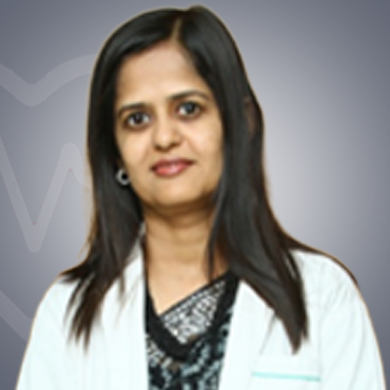
Dr. Sonal Gupta has an experienced neurosurgeon with more than 29+ years of clinical expertise. She is currently the Director, Neuro & Spine Surgery at Fortis Hospital, Shalimar Bagh. Before joining Fortis, she has been associated with various organizations such as Maharaja Agrasen Hospital, Action Balaji Hospital, and Max Hospital. View More
Last Reviewed - January 2026