Affordable World-class Treatment - Accredited Hospitals - Free Treatment Plan in 24 Hrs
Share your details to receive a personalised treatment plan, estimated costs, hospital recommendations, and expert guidance, “completely free.”
Your information is protected with HIPAA-compliant security standards. We only share your details with hospitals after your consent.
The cost of Spinal Fusion in India typically ranges between USD 6500 - USD 9500.
However, this cost can vary depending on several factors, including the type and severity of the condition, treatment techniques chosen, the healthcare facility's location and reputation, the treating professionals' experience and specialisation, and the patient's overall health status.
Additionally, factors like the duration of treatment, the need for follow-up care, and the use of advanced technologies or specialised treatments can further influence the overall cost.
Spinal fusion refers to surgery joining two or more bones in any spine section. If the bones are joined, then they cannot move. Pain may be avoided because movement is reduced.
A surgeon places bone, or a material that looks like bone, between two spinal bones in spinal fusion. The bones can be stabilised with metal rods, screws, or plates. Then, the bones can fuse and heal as one.
| City | Cost (USD) | |
|---|---|---|
| Ahmedabad | $5,850 – $8,550 | Explore More |
| Bangalore | $6,500 – $9,500 | Explore More |
| Calicut | $5,200 – $7,600 | Explore More |
| Chennai | $6,500 – $9,500 | Explore More |
| Delhi | $6,500 – $9,500 | Explore More |
| Faridabad | $6,500 – $9,500 | Explore More |
| Ghaziabad | $6,500 – $9,500 | Explore More |
| Gurgaon | $6,500 – $9,500 | Explore More |
| Gurugram | $6,500 – $9,500 | Explore More |
| Hyderabad | $6,500 – $9,500 | Explore More |
| Kochi | $6,500 – $9,500 | Explore More |
| Kolkata | $6,500 – $9,500 | Explore More |
| Mohali | $5,850 – $8,550 | Explore More |
| Mumbai | $6,500 – $9,500 | Explore More |
| Noida | $6,500 – $9,500 | Explore More |
| Panjim | $5,850 – $8,550 | Explore More |
| Pune | $5,850 – $8,550 | Explore More |


Our dedicated Medical Patient Advisors are here to answer your questions, help you compare treatment options, estimate costs, and guide you through every step of your healthcare journey.
Spinal fusion surgery is a type of spinal procedure used to join two or more bones permanently in the spine and to prevent movement between them. The bones that are joined are called vertebrae. Spinal fusion surgery is performed along with other surgical procedures such as foraminotomy or laminectomy and after diskectomy in the neck. It is required if the patient has an injury or a fracture of the vertebrae. The spine will become weak due to an infection or tumors. Spinal fusion is also performed in abnormal curvatures that result from scoliosis or kyphosis.
Spinal fusion is a procedure that links two or more bones in the spine to enhance stability, address issues, or alleviate pain. It can be employed for various purposes:
Reshaping the Spine: Spinal fusion helps correct spine formation abnormalities, such as sideways curvature (scoliosis).
Addressing Weakness or Instability: When excessive movement between two spinal bones causes instability, often due to severe arthritis, spinal fusion makes the spine more secure.
Dealing with Damaged Disks: After removing a damaged disk, spinal fusion may stabilize the spine and promote overall structural integrity.
In spinal fusion, two or more vertebrae in the spinal column are stitched together surgically to create a single, stable unit. It is usually done to correct spinal instability, slipped discs, spinal abnormalities (like scoliosis), chronic back pain, or spinal injuries. The goals are to minimise pain and inhibit harmful bone-to-bone motion. However, it is not suitable for all, especially those with infections or certain bone disorders, and it does not enhance flexibility.
Your physician will review your medical history, check for any previous back problems or surgery, and discuss your symptoms before surgery. MRIS, CT scans, and X-rays are often needed imaging studies. If a transfusion is required, you may need to temporarily discontinue certain medications, avoid food before surgery, and even donate your blood. The physician will explain the risks, fusion type, and rehabilitation plan.
Spinal fusion typically takes two to six hours, depending on how many vertebrae are involved.
Complications may involve infection, bleeding, blood clotting, nerve damage, or incorrect bone fusion. In the future, individuals may need further surgery or develop pain near the transplant. Following fusion, the spine can deteriorate faster in the areas surrounding it.
Spinal fusion stabilises the spine, eliminates or reduces pain, and allows individuals to return to normal activities. In most instances where other therapies fail, it improves quality of life. Most individuals experience general function improvement, even though the fused area does not regain motion.
You may stay two to four days in the hospital. Pain is controlled with medication. You will not be able to lift, bend, or twist for a few weeks. You may be given a back brace. Strength and motion are regained through physical therapy. Although complete healing takes six to twelve months, most individuals recover enough to return to work in four to six weeks.
Depending on your overall health and the reason for the surgery, the success rate of spinal fusion is between 70% and 90%. Most patients notice increased stability and reduced pain. In the event of proper healing, revision surgeries are uncommon, and fusion is generally permanent.
85–95%
Success rate for spinal stability and pain relief3–5 days
Typical hospital stay3–6 months
Return to normal daily activities depending on recovery and rehabilitationGurgaon, India
Chennai, India
Our experienced Medical Patient Advisors have supported 100,000+ patients across 120+ countries with personalised treatment plans, hospital recommendations, cost estimates, and travel assistance, all free.
✓ Free Consultation ✓ No Obligation ✓ Personalized Treatment Plan ✓ Response Within 24 Hours
Your medical info is kept HIPAA-style confidential. We never share with hospitals without your consent.

Opinion & Option
We submit the most accurate opinion and options from one or more countries for your review
Consult Privately
Consult with a certified specialist privately on our telemedicine platform even before you decide to travel
Logistics
We handle flights, visas, transfers, and accommodation—so you can focus on your health.
Recovery
Our In-house rehabilitation service packages to better your recovery and treatment outcome

I really wish to express my feeling & gratitude for the quality of care given to me. I am quite…

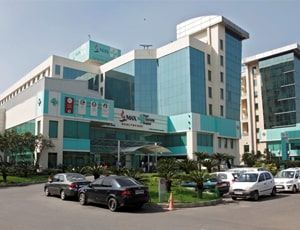
This is the story of how a Patient from Kashmir Region of India, underwent a complicated Spine Surgery at BLK…
A. On an average, Spinal Fusion in India costs about USD$ 6500. There are many NABH, JCI certified hospitals in India that offer Spinal Fusion.
A. The cost of Spinal Fusion in India may differ from one medical facility to the other. The top hospitals for Spinal Fusion in India covers all the expenses related to the pre-surgery investigations of the candidate. The cost includes the cost of anesthesia, medicines, hospitalization and the surgeon's fee. Stay outside the package duration, port-operative complications and diagnosis of a new condition may further increase the Spinal Fusion cost in India.
A. Spinal fusion is surgery to permanently connect two or more bones in the spine so there is no mobility between them. Vertebrae are the name for these bones. Stabilizing the spine, can lessen discomfort and enhance function.
A bone transplant separates the vertebrae that need to fuse. This graft may be manufactured (a synthetic bone substitute), derived from the patient's own body (autograft), or obtained from a donor (allograft).
A. A variety of techniques, each customized to the patient's demands and the location of the spinal issue, can be used to accomplish spinal fusion surgery. The main categories are as follows:
A. In certain situations where a single spinal segment is causing severe pain or functional problems, a 1-level spinal fusion—where only one segment of the spine is fused—is usually advised. The following are typical reasons for a one-level spinal fusion:
A. The length of recuperation following spinal fusion surgery varies based on the exact spinal issue addressed, the type of surgery done, and the patient's general health. However, there are several steps and things to keep in mind during the whole rehabilitation process:
A. While spinal fusion surgery is frequently beneficial in treating specific spinal disorders, there are hazards associated with the procedure as well. Here's a thorough rundown:
Benefits:
Risks:
A. Spinal Fusion in India is offered by multiple hospitals across the country. Some of the most renowned hospitals for Spinal Fusion in India include the following:
A. Upon discharge from the hospital after Spinal Fusion in India, the patients are advised to stay for about 25 days for recovery. This period is important to conduct all the follow-up tests to ensure that the surgery was successful and the patient can go back to the home country.
A. India is considered to be one of the best places for Spinal Fusion in the world. This is because of the availability of some of the best doctors, advanced medical technology and good hospital infrastructure. However, some of the other popular destinations for Spinal Fusion include the following:
A. Apart from the Spinal Fusion cost, the patient may have to pay for additional daily expenses such as for guest house after discharge and meals. The per day extra expenses in India per person is about USD$ 25
A. Spinal Fusion in India is offered in almost all metropolitan cities, including the following:
A. After Spinal Fusion, the patient is supposed to stay for about 4 days in the hospital for recovery and monitoring. This time frame is important for the patient to recover properly and feel comfotable after the surgery. With the help of several tests, it is determined that the patient is doing fine after the surgery and is okay to be discharged.
The overall rating for hospitals providing Spinal Fusion in India is 5.0. Several parameters such as hospital infrastructure, pricing policy, quality of services, politeness of staff etc. contribute to the rating.
A. There are about 63 Spinal Fusion hospitals in India that are best known for their services. Apart from good services, the hospitals are known to follow all standard and legal guidelines as dictated by the local medical affairs body or organization.
A. A Lumbar decompression surgery in India is performed to relieve patients of chronic pain in the lower part of the spine. While a lot of countries house some of the best medical institutions that perform these surgeries, India is a top destination for a variety of reasons:
A. India is one of the most preferred destinations for spinal treatments because of the affordability in costs of the same. Depending upon the type of treatment, spinal surgeries vary from $1800 to $11,000. The cost of a spinal fusion starts from $2500 and can vary, depending on the surgery, hospital, and surgeon. Even the best spine surgery hospital in India charges a nominal fee as compared to the hospitals in other nations. On the other hand, spinal fusion surgery in western countries is a lot more expensive than one in India. The cost of spine surgeries in the USA ranges from $50,000 to $80,000. In the case of highly advanced surgeries, the costs can go up to $150,000. The low costs of treatment in India make it a centre for spine surgeries of all kinds.
A. India is home to some of the best hospitals, exhibiting excellence in infrastructure and quality of medical treatments. The treatments are conducted by some of the finest surgeons in the country, internationally certified and recognized. The treatments performed by the surgeons reflect high success rates, matching up to international standards:
Here is a list of the best spine surgery hospitals in India:
Here is a list of the best neurosurgeons in India:
The patients can avail quality treatment by picking the best neurosurgeon in India and sign in for a healthier lifestyle.
A. Spine surgeries in Indian medical centers are focused on relieving the patients from their back pain, and helping them get rid of their spine disorders. With the latest technology and the best surgeons, spine surgeries in India report an accuracy of about 80-90 per cent. Also, the recovery period post the surgery is less, with a considerable improvement in the back pain.
A. Yes, MISS is performed by the top neurosurgeons in the country. It is a complex surgical methodology that is performed by making smaller incisions in the skin, than one large incision. This approach creates lesser damage to the tissues, lesser blood loss, shorter stays at the hospital and speedy recoveries.
Have your reports reviewed by independent oncology experts to help you make a confident treatment decision, all online within 48 hours.
Upload Your Reports

I am satisfied with the treating doctor and the surgery outcome. Dr. Puneet Girdhar and his team at BLK Hospital have truly excelled in approaching my condition and in providing the solution.