Your Notifications
All done, no notifications

Laminectomy Cost in Turkey

USD 7965 - USD 9735

Affordable World-class Treatment - Accredited Hospitals - Free Treatment Plan in 24 Hrs

1
Days in Hospital
1-3 hrs
Procedure Time
80 - 90%
Success Rate
Laminectomy: Cost, Procedure and Hospitals | MediGence
JCI/ISO 100,000+ Patients 24X7 Coordinator Visa & Travel handled
Your all-in-one medical travel platform for treatment, recovery & care.

Get Your Personalised Treatment Plan in Just 24 Hours.

Share your details to receive a personalised treatment plan, estimated costs, hospital recommendations, and expert guidance, “completely free.”

Required | alphabets and spaces
Required | A valid, working email address
Required | A valid contact
Connect with an Expert

Your information is protected with HIPAA-compliant security standards. We only share your details with hospitals after your consent.

Estimated Treatment Cost
USD 7965 - USD 9735
All-inclusive • Hospital + Medications + Recovery Assistance + Dedicated Care Coordinator

International Quality. Affordable Care.

How Much Does Laminectomy Treatment Cost in Turkey?

The cost of Laminectomy Treatment in Turkey typically ranges between USD 7965 - USD 9735.

However, this cost can vary depending on several factors, including the type and severity of the condition, treatment techniques chosen, the healthcare facility's location and reputation, the treating professionals' experience and specialisation, and the patient's overall health status.

Additionally, factors like the duration of treatment, the need for follow-up care, and the use of advanced technologies or specialised treatments can further influence the overall cost.

Factors Influencing the Cost of Laminectomy Treatment:

  • Type of Procedure: The cost may vary depending on how complicated the process is. Procedures that are more intricate or multi-level are typically more costly.
  • Hospital and Location: Hospitals in urban areas or those with higher operating expenses may charge more than rural hospitals.
  • Pre-Treatment Tests: The total cost includes pre-operation imaging (MRI, CT, and X-rays) to evaluate the vertebral fracture and design the procedure.
  • Post-Treatment Care: Rehabilitation, medications, and follow-up consultations also impact the expenses.
  • Length of Hospital Stay: Hospital stays may become more expensive due to complicated surgeries or complications.

A laminectomy is a surgical treatment mainly used to relieve pressure on the spinal cord or nerves brought on by tumours, herniated discs, or spinal stenosis. To make more room for the spinal cord and nerves, the surgeon performs the treatment by removing the lamina, the bony covering of the spinal canal, which is a piece of the vertebra. This lessens the discomfort, weakness, and numbness brought on by nerve compression.

When non-surgical measures like physical therapy or medication are ineffective, laminectomy is frequently advised. Usually done under general anaesthesia, the procedure can take weeks to recover from, and many patients need physical therapy to regain their strength and range of motion.

What's included in your Laminectomy quote?

Laminectomy
Spine surgery to remove part of the vertebral bone and relieve pressure on the spinal cord or nerves
Spine surgeon consultation
Pre-surgery evaluation, treatment planning, and follow-up consultations
Hospital stay & supportive care
Surgery, anesthesia, nursing care, and recovery monitoring
Follow-up monitoring
Wound assessment, neurological evaluation, and rehabilitation guidance
Visa & medical-visa invite letter
Airport pickup & transfers

Cost of Laminectomy in Major Cities of Turkey

City Cost (USD)
Ankara $7,965 – $9,735 Explore More
Antalya $7,965 – $9,735 Explore More
Bursa $7,965 – $9,735 Explore More
Canakkale $7,168 – $8,761 Explore More
Fethiye $7,168 – $8,761 Explore More
Istanbul $7,965 – $9,735 Explore More
Kocaeli $7,965 – $9,735 Explore More
Konya $7,965 – $9,735 Explore More
Sakarya $7,965 – $9,735 Explore More
Samsun $7,965 – $9,735 Explore More
Sivas $7,168 – $8,761 Explore More
Tokat $7,168 – $8,761 Explore More
Trabzon $7,168 – $8,761 Explore More
Usak $7,168 – $8,761 Explore More
Zonguldak $7,168 – $8,761 Explore More

Laminectomy - Turkey Vs the World

$0 - $0
$3k - $11k
$3k - $5k
$4k - $8k
$6k - $11k
$8k - $10k
$8k - $16k
$10k - $12k
$10k - $16k
$10k - $18k
$28k - $45k
$30k - $60k
$50k - $90k

Find the Right Destination for Your Laminectomy Journey

Alvina Hasan
Author

M.Pharm

2 Year of Experience

Last Reviewed - June 2026

Alvina Hasan is a dedicated medical researcher and scientific writer with a strong foundation in pharmaceutical sciences. She holds a B.Pharm from Jamia Hamdard University and an M.Pharm in Quality Assurance from DIPSAR University.

With deep medical expertise and a strong interest in healthcare communication, she focuses on transforming complex clinical and scientific information into clear, engaging, and easy-to-understand narratives. She develops insightful healthcare articles and research-driven content designed to support both medical professionals and patients, helping bridge the gap between advanced medical knowledge and practical understanding.

Readers can explore her published research and articles here:

https://carcinogenesis.com/index.php/JOC/article/view/868

https://carcinogenesis.com/index.php/JOC/article/view/870

View More
⁠Dr Rakesh Kumar Dua
Reviewer

Spine & Neurosurgeon

25 Years of Experience

Last Reviewed - June 2026

Dr. Rakesh Dua has more than 25+ years of clinical experience in spine surgeries. He is currently providing his services as Director, Neuro & Spine Surgery at Fortis Hospital, Shalimar Bagh. Before joining Fortis Hospital, he was associated with Max super-specialist Hospital, Shalimar Bagh as Director Neurosurgery & Head Neuro Spine, and with UCMS & GTB hospital as head of the neurosurgery department.
View More

Need Help Choosing the Right Treatment? Talk to a Medical Advisor

Our dedicated Medical Patient Advisors are here to answer your questions, help you compare treatment options, estimate costs, and guide you through every step of your healthcare journey.

15 min
Average response time

Serving Patients Worldwide in Multiple Languages.

Laminectomy is also known as “decompression surgery”. In this surgical procedure, a part of the vertebral bone called lamina is removed to create additional space. The lamina is the back part of the vertebrae that covers the spinal canal. Removing the lamina enlarges the spinal canal and thus, helps relieve pressure on the nerves and the spinal cord. Bony growths, especially in people with spinal arthritis, may put additional pressure on the spinal cord. It may cause severe back pain and in some severe cases, can even cause paralysis. Narrowing of the space between the vertebrae is also known as spinal stenosis.

Laminectomy surgery, which is a form of spinal stenosis treatment, helps relieve pressure on the spinal cord and the nerves by creating a room between the vertebrae and the cord. When the pressure on the spinal cord in the case of lumbar spinal stenosis is relieved by creating a space between the lumbar vertebrae, the procedure is known as a lumbar laminectomy. During a lumbar laminectomy, the surgeon may even remove the ligaments or bone spurs pressing the spinal cord.

Before considering a laminectomy, individuals may experience symptoms related to spinal stenosis, herniated discs, or other conditions that lead to pressure on the spinal cord and nerves.

Laminectomy is a spine surgery that is performed to decompress the spinal cord or nerves, usually because of spinal stenosis, herniated discs, bone spurs, or tumors. It includes removing vertebral bone (lamina) to create more space and relieve nerve compression.

The patient should consult a doctor when conservative management fails or signs present, such as severe pain or ache in the back, loss of strength in one or more limbs, or loss of bladder or bowel control.

Preparation involves MRI or CT scans to identify the compression, and a complete medical evaluation. You will likely be told to discontinue some medications, not eat before surgery, and make arrangements for someone to stay with you at home after surgery. Smoking cessation is highly advised to promote healing.

Open laminectomy involves the removal of the lamina under general anaesthesia, along with or without discectomy or spinal fusion in an. Approaches are becoming increasingly minimally invasive to limit complications. Other procedures include microlaminectomy, laminectomy with fusion, cervical, lumbar, and sacral laminectomy.

The procedure lasts typically 1 to 3 hours, depending on the number of vertebrae and if spinal fusion is included.

  • Infection
  • Bleeding
  • Nerve injury
  • Spinal fluid leak
  • Blood clots
  • Persistent or recurrent pain
  • Spinal instability (rare)

Laminectomy is often effective in alleviating significant pain from nerves, increasing mobility, and promoting quality of life when conservative treatment has failed. Most patients experience a dramatic reduction in leg or arm pain upon recovery.

Recovery involves between 1 and 3 days of hospital stay. Completing initial healing can take between 2 and 4 weeks, while recovering fully can take several months, as physical therapy is often indispensable.

These are high success rates, as 80-90% of patients experience significant pain relief and improved quality of life.

85–95%

Success rate for pain relief and improved nerve function

1–3 days

Typical hospital stay

4–8 weeks

Return to normal daily activities depending on recovery and rehabilitation
Explore Hospitals ( 47 )

Ankara, Turkey

124+ Beds · 287+ Procedures
JCI

Istanbul, Turkey

4.2 - 2 reviews · 113+ Beds · 245+ Procedures
ISO JCI
Starting
USD 6000

Istanbul, Turkey

252+ Beds · 229+ Procedures
JCI NABH
Starting
USD 6000

Istanbul, Turkey

170+ Beds · 282+ Procedures
JCI
Starting
USD 6000

Istanbul, Turkey

138+ Beds · 225+ Procedures
JCI
Starting
USD 6000

Fethiye, Turkey

75+ Beds · 151+ Procedures
JCI
Starting
USD 6000

Trabzon, Turkey

112+ Beds · 187+ Procedures
JCI
Starting
USD 6000

Get Your Laminectomy
Plan in 24 hrs.

Our experienced Medical Patient Advisors have supported 100,000+ patients across 120+ countries with personalised treatment plans, hospital recommendations, cost estimates, and travel assistance, all free.

HIPAA-Compliant Data SecurityShared Only with Your Consent

Free Consultation No Obligation Personalized Treatment Plan Response Within 24 Hours

Required | alphabets and spaces
Required | A valid, working email address
Required | A valid contact

Your medical info is kept HIPAA-style confidential. We never share with hospitals without your consent.

Process Involved for Laminectomy in Turkey

  • Consultation: Talk with a neurologist, neurosurgeon, or orthopedic spine specialist about the diagnosis, symptoms, and treatment possibilities.
  • Preoperative Evaluation: Use imaging studies to evaluate the spine's structure, detect involved vertebrae, and identify the degree of nerve compression.
  • Discussion with Treatment: Explain the benefits and risks of surgery, including easing pressure on nerves, enhancing mobility, and decreasing pain.
  • Surgical Planning: Explain the surgical procedure, possible risks (bleeding, infection, nerve injury), and what to expect in recovery.
  • Post-Surgery, Follow-up: Schedule follow-up visits to track recovery, check for complications, and monitor symptom improvement.
  • Herniated or Bulging Discs
  • Spinal Stenosis
  • Degenerative Disc Disease
  • Spondylolisthesis
  • Chronic Sciatica or Leg Pain due to Nerve Compression
  • Spinal Tumors
  • Degenerative Disc Disease
  • Spondylolisthesis (slipped disc)
  • Herniated or Bulging Discs
  • Spinal Stenosis
  • Chronic Back Pain or Leg Pain (sciatica) caused by nerve compression
  • Relief of chronic back or leg pain
  • Enhanced mobility and function
  • Decreased nerve compression, resulting in reduced numbness, tingling, or weakness of the limbs
  • Improved quality of life as a result of less pain and enhanced mobility
  • Symptom relief for spinal stenosis or disc herniation
  • Neurologist
  • Neurosurgeon
  • Orthopedic Surgeon
  • Fill out the inquiry form: Fill out the form to provide us with the relevant information about your condition.
  • Consult with Our Healthcare Expert: One of our qualified specialists will contact you for a consultation.
  • Receive a Detailed Treatment Plan: After examining your situation, we will provide you with a detailed treatment plan that includes expert views and cost breakdowns for various choices.
  • Choose your preferred option: Choose the treatment option that suits you the best.
Jenny Wilson
Your Dedicated Medical Patient Advisor
Treatment planning • Hospital coordination • Multilingual support • Response within 15 minutes.
Our Services to Better your Experience

Opinion & Option

We submit the most accurate opinion and options from one or more countries for your review

Consult Privately

Consult with a certified specialist privately on our telemedicine platform even before you decide to travel

Logistics

We handle flights, visas, transfers, and accommodation—so you can focus on your health.

Recovery

Our In-house rehabilitation service packages to better your recovery and treatment outcome

Patient Stories

Ms Patience: Cosmetic Surgery
Ms Patience
Ms Patience: Cosmetic Surgery

Ms Patience from Uganda travelled to India for cosmetic surgery in May 2017. She got her treatment done in Asian…

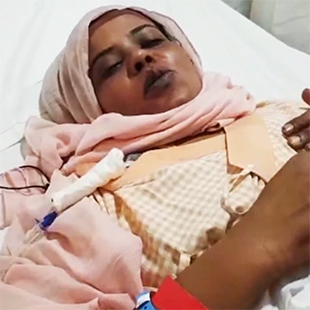
Patient Testimonial: Lobna from Sudan for Successful Open Craniotomy Surgery in India
Mrs. Lobna Salah Hassan
Mrs. Lobna Hasan from Sudan for Open Craniotomy Surgery in India

Lobna (from Sudan) was diagnosed with meningioma, a form of non-cancerous brain tumor. Her family members decided to take her…

Conditions treated by Laminectomy

Frequently Asked Questions

A. The average cost of Laminectomy in Turkey starts from USD 7965 In Turkey, Laminectomy is conducted across many multispecialty hospitals.

A. The cost of Laminectomy in Turkey may differ from one medical facility to the other. Many hospitals cover the cost of pre-surgical investigations of the patient in the treatment package. The Laminectomy procedure in Turkey includes the fees of the surgeon, hospitalization, and anesthesia as well. A prolonged hospital stay due to delayed recovery, new diagnosis, and complications after surgery may increase the cost of Laminectomy in Turkey.

A. Surgery may be required as a treatment for back or neck pain that interferes with regular everyday activities. A laminectomy is a form of surgery where the spinal bone (lamina) is removed, either entirely or in part. This relieves pressure that may be caused by tumors, herniated disks, injuries, or narrowing of the canal (spinal stenosis) on the spinal cord or the nerve roots. Only when all other medical therapies have failed is a laminectomy considered.

A laminectomy is frequently performed to treat a herniated disk in the spine. An injury or normal wear and tear can cause a disk to become misaligned or break. When the disk presses against the spinal nerves, pain, and even numbness or weakness are experienced.

A. There are several important advantages to laminectomy surgery, especially for those with spinal disorders that compress nerves or put pressure on the spinal cord. The following is a thorough analysis of the main advantages of having a laminectomy:

  • Pain Management: Pain relief from pressure on the spinal cord or nerve roots is the main advantage of laminectomy. Following surgery, patients frequently report great improvement from radicular pain, or pain that radiates along nerves, and from back pain.
  • Relief from Numbness and Tingling: Many patients report decreased symptoms typically linked to problems like spinal stenosis or ruptured discs, such as numbness, tingling, or weakness in the extremities.
  • Improved Range of Motion: Patients frequently report having more range of motion in the afflicted areas, which facilitates greater movement and exercise.
  • Enhanced Walking Capacity: Laminectomy can improve walking capacity and lessen symptoms that impede mobility, such as claudication (pain when walking), for those with spinal stenosis or disorders related to it.
  • Stopping Disease Progression: The operation can stop or slow the onset of symptoms in cases of progressive diseases like spinal stenosis, possibly averting more serious consequences.
  • Less Invasive procedures: Compared to open surgery, laminectomy can occasionally be conducted with less invasive procedures, which may lead to smaller incisions, less pain after surgery, and faster recovery periods.
  • Enhanced functioning: Laminectomy can enhance overall functioning by releasing pressure on nerves, enabling patients to carry out daily tasks with better comfort and less discomfort.

A. One can make an informed decision about whether to proceed with the procedure if you are aware of the dangers. The following are the main dangers connected to laminectomy:

  1. Infection: An infection at the site of incision is a danger associated with any surgical surgery. Antibiotics may typically treat this, although more care or surgery may be necessary for serious infections.
  2. Bleeding: During or following surgery, there may be bleeding. Major bleeding is rare, although it can happen and necessitate further treatments or blood transfusions.
  3. Nerve Damage: While extremely unlikely, there is a chance that the surgery will harm the spinal cord or nerve roots. This may result in new neurological abnormalities or exacerbations of existing symptoms, such as worsening pain, numbness, weakness, or even paralysis.
  4. Hematoma: Following surgery, a hematoma is a collection of blood outside of blood vessels. It may need to be addressed surgically to relieve pressure on the spinal cord or nerves.
  5. Cerebrospinal Fluid Leak: Damage to the spinal cord's protective sheath may result in a leak of cerebrospinal fluid (CSF). This may need more therapy if it causes headaches, an infection, or other problems.
  6. Recovering from a laminectomy can take a while. Extended recovery times for certain patients may require further physical treatment or leave from work.

A. Following a laminectomy, there are various phases of recovery, each requiring different levels of care and expectations. Here is a thorough summary of what patients might anticipate in general throughout their recuperation:

  • Duration: Depending on the intricacy of the procedure and each patient's recovery, patients usually spend one to three days in the hospital. If the surgery involves little intrusion and the patient's recuperation is going well, some might be released on the same day.
  • Medication, such as opioids or non-opioid analgesics, is used to treat pain. Your medical team will modify your prescriptions to maximize comfort and reduce negative effects.
  • Incision Site: A dressing will be applied to the surgical site. It's critical to maintain the area dry and clean while adhering to your surgeon's wound care and dressing replacement guidelines.
  • Activity Restrictions: To safeguard the healing site, refrain from doing strenuous lifting, bending, and twisting. Observe the precise activity guidelines that your surgeon has given you.
  • Walking: To improve circulation and avoid blood clots, light walking is advised. Take short walks at first, then longer ones when tolerated.
  • Rehabilitation: To increase strength, flexibility, and mobility, a physical therapist will create a program. This is customized to meet your unique needs and usually starts a few weeks after surgery.
  • Imaging: The surgeon may prescribe imaging studies, such as X-rays or MRIs, to analyze the success of the surgery and monitor potential complications.

A. Many symptoms linked to disorders causing compression of the spinal nerve or spinal cord can be successfully treated with this procedure. The following is a thorough examination of the symptoms that a laminectomy can treat:

  1. Chronic Back Pain: Laminectomy is a treatment option for back pain that is caused by pressure on the spinal cord or nerve roots. This is frequently linked to ailments like herniated discs and spinal stenosis.
  2. Sciatica: Pain that travels down the leg as a result of the sciatic nerve root being compressed. A laminectomy can reduce the pressure on the injured nerve root, therefore reducing discomfort.
  3. Radiculopathy: Depending on where the compression is located, pain that radiates down a nerve's course may appear in the arms or legs.
  4. Peripheral Numbness: Nerve compression can cause numbness or loss of feeling in the limbs (arms, hands, legs, or feet). By decompressing the impacted nerves, laminectomy can assist in reducing these symptoms.
  5. Muscle Weakness: Following a laminectomy, weakness resulting from nerve compression in the arms or legs may improve. The process may be able to reverse or lessen muscle weakness by helping to restore normal nerve function.
  6. Leg Pain with Walking: Leg pain, cramping, or weakness that goes away when you sit down or bend forward when walking or standing. Laminectomy is one way to treat this problem, which is frequently linked to spinal stenosis.
  7. Severe Compression: By decompressing the spinal cord, a laminectomy may be able to alleviate severe symptoms in situations when spinal cord compression impairs bowel, bladder, or sexual function.

Diagnosis of conditions and diseases are as follows:

  • Review of Symptoms: The physician will inquire about any discomfort, tingling, numbness, weakness, or trouble walking.
  • Medical History: Talk about your general health, any prior injuries, surgeries, or spinal problems, as well as any other potentially pertinent medical concerns.
  • Neurological Exam: To evaluate sensory function, reflexes, and muscle strength, the physician will conduct a neurological examination.
  • Range of Motion: They could assess the degree of mobility in your spine and see whether any particular movements cause you any pain or discomfort.
  • Gait Analysis: The physician will watch how you walk and balance to identify any irregularities or problems.
  • X-rays: Offer the first pictures of the spine, helping to identify any fractures, dislocations, or aging changes.
  • With magnetic resonance imaging (MRI), soft tissues such as the spinal cord, nerves, and intervertebral discs can be seen in great detail.MRI is especially helpful in identifying tumors, spinal stenosis, and herniated discs.
  • A computed tomography (CT) scan can be used to assess bone structures, the degree of degenerative changes, and spinal stenosis. It provides cross-sectional images of the spine.
  • Electromyography (EMG): Assesses nerve function and detects compression or injury to nerve roots by measuring electrical activity in muscles.
  • Discography: Uses a contrast dye injected into the intervertebral disc to detect degeneration or herniation and assess disc integrity.
  • Spinal Fluid Analysis: A sample of cerebrospinal fluid may be examined to look for aberrant cells or pathogens in cases of suspected infection or inflammation.

A. A medical expert, usually a spine specialist or neurosurgeon, must perform a comprehensive evaluation to determine whether you are a candidate for laminectomy surgery. Here is a thorough analysis of the variables taken into account when determining if a laminectomy is right for you:

  1. Pain type: Chronic back pain, sciatica in the legs, numbness, or weakness that is not relieved by conventional therapy.
  2. Impact on Function: Symptoms that considerably limit one's ability to move around, go about everyday tasks, or enjoy life in general.
  3. Changes in sensation in the arms or legs, such as numbness or tingling.
  4. Weakness: Deficit in coordination or strength of muscles.
  5. Trouble Walking: Issues with balance or gait.
  6. Inability to improve with non-surgical interventions such as medicine, injections, or physical therapy.

A. After a laminectomy, long-term care planning is essential for maximizing healing, avoiding complications, and preserving general spine health. The following is a comprehensive guide to long-term care after a laminectomy that you should take into consideration:

  • Frequent Check-Ups: To monitor healing, evaluate the surgery site, and guarantee appropriate healing, make and keep follow-up appointments with your surgeon.
  • Imaging investigations: To assess the outcome of the procedure and look for any complications, your doctor could advise routine X-rays or other imaging investigations.
  • Rehabilitation Program: Take part in a regimented physical therapy program that aims to increase flexibility, strengthen the muscles that support your spine, and restore function.
  • Exercise Plan: Adhere to the physical therapist's recommended exercise plan, which should include low-impact exercises like swimming or walking as well as stretching and strengthening exercises.
  • Medication: To treat any postoperative discomfort, use painkillers as directed by your physician. As instructed, take off the medicine gradually.
  • Non-Medicinal Techniques: Use methods to help manage pain and discomfort, such as mindfulness, relaxation exercises, and heat and cold therapy.

A. Laminectomy in Turkey is offered by multiple hospitals across the country. Some of the best hospitals for Laminectomy in Turkey include the following:

  1. Medicana Bahcelievler
  2. Memorial Sisli Hospital
  3. Medicana Sivas
  4. Anadolu Medical Center
  5. Medical Park Ankara Hospital
  6. Medipol Mega University Hospital

A. Upon discharge from the hospital after Laminectomy in Turkey, the patients are advised to stay for about 21 days for recovery. During this time, the patient undergoes medical tests and consultations. this is to ensure that the treatment was successful and the patient us safe to return.

A. There are certain expenses additional to the Laminectomy cost that the patient may have to pay for. These are the charges for daily meals and hotel stays outside the hospital. These charges start from USD 50 per person.

A. Laminectomy in Turkey is offered in almost all metropolitan cities, including the following:

  • Ankara
  • Antalya
  • Istanbul
  • Fethiye

A. Several doctors are available for telemedicine consultation for patients requiring Laminectomy in Turkey. The following are some of the best doctors for Laminectomy in Turkey who are available for video consultation:

A. The patient has to spend about 4 days in the hospital after Laminectomy for proper recovery and to get clearance for discharge. The patient is subjected to several biochemistry and radiological scans to see that everything is okay and the recovery is on track. After making sure that the patient is clinically stable, discharge is planned.

A. The average rating for Laminectomy hospitals in Turkey is 3.6. This rating is automatically calculated based on several parameters such as the infrastructure of the hospital, quality of services, nursing support, and other services.

A. There are more than 40 hospitals that offer Laminectomy in Turkey. These hospitals have proper infrastructure for the treatment of patients who require Laminectomy. Also, these hospitals follow the necessary guidelines as required by the medical associations for the treatment of Laminectomy patients.

Not Sure About Your Treatment Plan? Get a Free Second Opinion

Have your reports reviewed by independent oncology experts to help you make a confident treatment decision, all online within 48 hours.

Upload Your Reports
Free second opinion on your CAR-T plan