Your Notifications
All done, no notifications

Laminectomy Cost in Thailand

Costs starts from USD9500 to USD12500
Filters

How Much Does Laminectomy Treatment Cost in Thailand?

The cost of Laminectomy Treatment in Thailand typically ranges between USD 9500 - USD 12500.

However, this cost can vary depending on several factors, including the type and severity of the condition, treatment techniques chosen, the healthcare facility's location and reputation, the treating professionals' experience and specialisation, and the patient's overall health status.

Additionally, factors like the duration of treatment, the need for follow-up care, and the use of advanced technologies or specialised treatments can further influence the overall cost.

Factors Influencing the Cost of Laminectomy Treatment:

A laminectomy is a surgical treatment mainly used to relieve pressure on the spinal cord or nerves brought on by tumours, herniated discs, or spinal stenosis. To make more room for the spinal cord and nerves, the surgeon performs the treatment by removing the lamina, the bony covering of the spinal canal, which is a piece of the vertebra. This lessens the discomfort, weakness, and numbness brought on by nerve compression.

When non-surgical measures like physical therapy or medication are ineffective, laminectomy is frequently advised. Usually done under general anaesthesia, the procedure can take weeks to recover from, and many patients need physical therapy to regain their strength and range of motion.

Cost of Laminectomy in Major Cities of Thailand

CityMinimum Cost (USD)Minimum Cost (THB)Maximum Cost (USD)Maximum Cost (THB)
BangkokUSD 9500310745USD 12500408875

Laminectomy Cost : A Global Comparison

CountryMinimum CostMinimum Local CurrencyMaximum CostMaximum Local Currency
Czechiaget request
IndiaUSD 3000INR 256920USD 5000INR 428200
IsraelUSD 50000ILS 177000USD 90000ILS 318600
LithuaniaUSD 4500LTL 15393USD 9500LTL 32497
MalaysiaUSD 10000MYR 42400USD 16000MYR 67840
Moroccoget request
PolandUSD 2500PLN 9400USD 9500PLN 35720
Saudi ArabiaUSD 2828SAR 10605USD 11084SAR 41565
SingaporeUSD 28000SGD 36120USD 45000SGD 58050
South AfricaUSD 10000ZAR 179700USD 25000ZAR 449250
South KoreaUSD 10000KRW 13759800USD 18000KRW 24767640
SpainUSD 5863ESP 862095USD 11061ESP 1626408
SwitzerlandUSD 4500CHF 3735USD 40000CHF 33200
ThailandUSD 9500THB 310745USD 12500THB 408875
TunisiaUSD 3000TND 8940USD 8000TND 23840
TurkeyUSD 7965TRY 311113USD 9735TRY 380249
United Arab Emirates - - USD 13880AED 50940
United KingdomUSD 30000GBP 22200USD 60000GBP 44400

Need Help Planning Your Treatment Abroad?

Your 24/7 AI Health Assistant

Laminectomy is also known as “decompression surgery”. In this surgical procedure, a part of the vertebral bone called lamina is removed to create additional space. The lamina is the back part of the vertebrae that covers the spinal canal. Removing the lamina enlarges the spinal canal and thus, helps relieve pressure on the nerves and the spinal cord. Bony growths, especially in people with spinal arthritis, may put additional pressure on the spinal cord. It may cause severe back pain and in some severe cases, can even cause paralysis. Narrowing of the space between the vertebrae is also known as spinal stenosis.

Laminectomy surgery, which is a form of spinal stenosis treatment, helps relieve pressure on the spinal cord and the nerves by creating a room between the vertebrae and the cord. When the pressure on the spinal cord in the case of lumbar spinal stenosis is relieved by creating a space between the lumbar vertebrae, the procedure is known as a lumbar laminectomy. During a lumbar laminectomy, the surgeon may even remove the ligaments or bone spurs pressing the spinal cord.

Before considering a laminectomy, individuals may experience symptoms related to spinal stenosis, herniated discs, or other conditions that lead to pressure on the spinal cord and nerves.

Laminectomy is a spine surgery that is performed to decompress the spinal cord or nerves, usually because of spinal stenosis, herniated discs, bone spurs, or tumors. It includes removing vertebral bone (lamina) to create more space and relieve nerve compression.

The patient should consult a doctor when conservative management fails or signs present, such as severe pain or ache in the back, loss of strength in one or more limbs, or loss of bladder or bowel control.

Preparation involves MRI or CT scans to identify the compression, and a complete medical evaluation. You will likely be told to discontinue some medications, not eat before surgery, and make arrangements for someone to stay with you at home after surgery. Smoking cessation is highly advised to promote healing.

Open laminectomy involves the removal of the lamina under general anaesthesia, along with or without discectomy or spinal fusion in an. Approaches are becoming increasingly minimally invasive to limit complications. Other procedures include microlaminectomy, laminectomy with fusion, cervical, lumbar, and sacral laminectomy.

The procedure lasts typically 1 to 3 hours, depending on the number of vertebrae and if spinal fusion is included.

  • Infection
  • Bleeding
  • Nerve injury
  • Spinal fluid leak
  • Blood clots
  • Persistent or recurrent pain
  • Spinal instability (rare)

Laminectomy is often effective in alleviating significant pain from nerves, increasing mobility, and promoting quality of life when conservative treatment has failed. Most patients experience a dramatic reduction in leg or arm pain upon recovery.

Recovery involves between 1 and 3 days of hospital stay. Completing initial healing can take between 2 and 4 weeks, while recovering fully can take several months, as physical therapy is often indispensable.

These are high success rates, as 80-90% of patients experience significant pain relief and improved quality of life.

Top Selling Packages for Laminectomy

Laminectomy
Laminectomy

Amrita Hospital, Faridabad, India

USD 4000 USD 4500

Would you like some help? We are available.

Get Help
Explore Hospitals ( 8 )
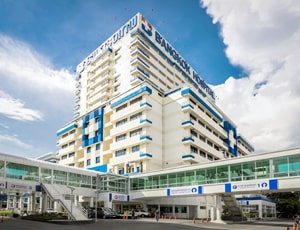
Laminectomy in Bangkok Hospital: Costs, Top Doctors, and Reviews

Bangkok, Thailand

  • Joint Commission International, or JCI

Types of Laminectomy in Bangkok Hospital and its associated cost

Treatment OptionApproximate Cost Range (USD)Approximate Cost Range (THB)
Laminectomy (Overall)12022 - 14919420631 - 534232
Microdiscectomy5422 - 9041185775 - 325573
Hemilaminectomy3435 - 9966125197 - 348561
Laminectomy with Fusion11543 - 20130428306 - 742401
  • Address: Bangkok Dusit Medical Services, Nong Prue, Bang Phli, Samut Prakan, Thailand
  • Facilities related to Bangkok Hospital: SIM, TV inside room, Accommodation, Choice of Meals
Laminectomy in Vejthani Hospital: Costs, Top Doctors, and Reviews

Bangkok, Thailand

  • Joint Commission International, or JCI

Types of Laminectomy in Vejthani Hospital and its associated cost

Treatment OptionApproximate Cost Range (USD)Approximate Cost Range (THB)
Laminectomy (Overall)11977 - 15301416791 - 544212
Microdiscectomy5287 - 9231192724 - 324997
Hemilaminectomy3468 - 9960122738 - 344633
Laminectomy with Fusion11818 - 20542418167 - 743518
  • Address: Vejthani Hospital, 1 Soi Lat Phrao 111 Klong-Chan Bangkapi Bangkok, Thailand
  • Facilities related to Vejthani Hospital: Choice of Meals, Interpreter, SIM, TV inside room, Accommodation
Laminectomy in Bangpakok 9 International Hospital: Costs, Top Doctors, and Reviews

Bangkok, Thailand

  • Joint Commission International, or JCI

Types of Laminectomy in Bangpakok 9 International Hospital and its associated cost

Treatment OptionApproximate Cost Range (USD)Approximate Cost Range (THB)
Laminectomy (Overall)12001 - 15283411997 - 550708
Microdiscectomy5228 - 9175186212 - 329666
Hemilaminectomy3522 - 9660122973 - 356499
Laminectomy with Fusion11773 - 20603419310 - 742199
  • Address: Bangpakok 9 International Hospital, International Hospital, Rama II Road, Bang Mot, Chom Thong, Bangkok, Thailand
  • Facilities related to Bangpakok 9 International Hospital: Choice of Meals, Interpreter, SIM, TV inside room, Accommodation
Laminectomy in Phyathai 2 International Hospital: Costs, Top Doctors, and Reviews

Bangkok, Thailand

  • Joint Commission International, or JCI

Types of Laminectomy in Phyathai 2 International Hospital and its associated cost

Treatment OptionApproximate Cost Range (USD)Approximate Cost Range (THB)
Laminectomy (Overall)11993 - 15040427167 - 533431
Microdiscectomy5397 - 9244188403 - 325864
Hemilaminectomy3521 - 9994125295 - 358635
Laminectomy with Fusion11914 - 20118423668 - 745524
  • Address: Phyathai 2 Hospital, Phahonyothin Road, Phaya Thai, Thailand
  • Facilities related to Phyathai 2 International Hospital: Choice of Meals, Interpreter, SIM, TV inside room, Accommodation
Laminectomy in Sikarin Hospital: Costs, Top Doctors, and Reviews

Bangkok, Thailand

  • Joint Commission International, or JCI

Types of Laminectomy in Sikarin Hospital and its associated cost

Treatment OptionApproximate Cost Range (USD)Approximate Cost Range (THB)
Laminectomy (Overall)11611 - 15226415173 - 549968
Microdiscectomy5284 - 9179186669 - 334152
Hemilaminectomy3475 - 9988124114 - 350110
Laminectomy with Fusion11790 - 20401411262 - 739290
  • Address: Sikarin Hospital, Lasalle Road, Bang Na, Bangkok, Thailand
  • Facilities related to Sikarin Hospital: Interpreter, SIM, TV inside room, Airport Transfer, Choice of Meals
Laminectomy in Kasemrad Ramkhamhaeng Hospital: Costs, Top Doctors, and Reviews

Bangkok, Thailand

  • Joint Commission International, or JCI

Types of Laminectomy in Kasemrad Ramkhamhaeng Hospital and its associated cost

Treatment OptionApproximate Cost Range (USD)Approximate Cost Range (THB)
Laminectomy (Overall)11934 - 15285429386 - 541205
Microdiscectomy5214 - 9270186179 - 330518
Hemilaminectomy3414 - 9930122966 - 350547
Laminectomy with Fusion11765 - 20480423362 - 728623
  • Address: kasemrad hospital ramkamhang Ramkhamhaeng Road, Saphan Sung, Bangkok, Thailand
  • Facilities related to Kasemrad Ramkhamhaeng Hospital: Online Doctor Consultation, Post operative followup, Mobility Accessible Rooms, Rehabilitation, Religious Facilities
Laminectomy in Piyavate Hospital: Costs, Top Doctors, and Reviews

Bangkok, Thailand

  • Joint Commission International, or JCI
  • ISO 9001

Types of Laminectomy in Piyavate Hospital and its associated cost

Treatment OptionApproximate Cost Range (USD)Approximate Cost Range (THB)
Laminectomy (Overall)11936 - 15072429280 - 548402
Microdiscectomy5355 - 9395193494 - 327975
Hemilaminectomy3435 - 10038120938 - 349204
Laminectomy with Fusion11792 - 20081411371 - 731563
  • Address: Piyavate Hospital, Khlong Samsen Road, Bang Kapi, Huai Khwang, Bangkok, Thailand
  • Facilities related to Piyavate Hospital: Choice of Meals, Interpreter, TV inside room, Accommodation, Airport Transfer
Laminectomy in MALI Interdisciplinary Hospital: Costs, Top Doctors, and Reviews

Bangkok, Thailand

  • National Accreditation Board for Hospitals & Healthcare Providers (NABH)
  • Joint Commission International, or JCI

Types of Laminectomy in MALI Interdisciplinary Hospital and its associated cost

Treatment OptionApproximate Cost Range (USD)Approximate Cost Range (THB)
Laminectomy (Overall)10688 - 13748379892 - 489371
Microdiscectomy4783 - 8264170553 - 295379
Hemilaminectomy3112 - 8873111510 - 316888
Laminectomy with Fusion10590 - 18423376518 - 658447
  • Address: MALI Interdisciplinary Hospital, Ekkachai 85 Alley, Bang Bon, Bangkok, Thailand
  • Facilities related to MALI Interdisciplinary Hospital: Choice of Meals, Interpreter, SIM, Accommodation, Airport Transfer

Need Some Advice From Our Experts?

Request a Call Back Now!

Our team of healthcare experts would be happy to assist you

trusted Patientstrusted Patients+99
Trusted by 50000+ Patients
Required | alphabets and spaces
Required | A valid, working email address
Required | A valid contact

Process Involved for Laminectomy in Thailand

  • Consultation: Talk with a neurologist, neurosurgeon, or orthopedic spine specialist about the diagnosis, symptoms, and treatment possibilities.
  • Preoperative Evaluation: Use imaging studies to evaluate the spine's structure, detect involved vertebrae, and identify the degree of nerve compression.
  • Discussion with Treatment: Explain the benefits and risks of surgery, including easing pressure on nerves, enhancing mobility, and decreasing pain.
  • Surgical Planning: Explain the surgical procedure, possible risks (bleeding, infection, nerve injury), and what to expect in recovery.
  • Post-Surgery, Follow-up: Schedule follow-up visits to track recovery, check for complications, and monitor symptom improvement.
  • Herniated or Bulging Discs
  • Spinal Stenosis
  • Degenerative Disc Disease
  • Spondylolisthesis
  • Chronic Sciatica or Leg Pain due to Nerve Compression
  • Spinal Tumors
  • Degenerative Disc Disease
  • Spondylolisthesis (slipped disc)
  • Herniated or Bulging Discs
  • Spinal Stenosis
  • Chronic Back Pain or Leg Pain (sciatica) caused by nerve compression
  • Relief of chronic back or leg pain
  • Enhanced mobility and function
  • Decreased nerve compression, resulting in reduced numbness, tingling, or weakness of the limbs
  • Improved quality of life as a result of less pain and enhanced mobility
  • Symptom relief for spinal stenosis or disc herniation
  • Neurologist
  • Neurosurgeon
  • Orthopedic Surgeon
  • Fill out the inquiry form: Fill out the form to provide us with the relevant information about your condition.
  • Consult with Our Healthcare Expert: One of our qualified specialists will contact you for a consultation.
  • Receive a Detailed Treatment Plan: After examining your situation, we will provide you with a detailed treatment plan that includes expert views and cost breakdowns for various choices.
  • Choose your preferred option: Choose the treatment option that suits you the best.

Instantly Connect with our Laminectomy Specialists

Doctor 1
Doctor 2
Doctor 3
Doctor 4
Doctor 5
Doctor 6
Doctor 7
Doctor 8
Our Services to Better your Experience

Opinion & Option

We submit the most accurate opinion and options from one or more countries for your review

Consult Privately

Consult with a certified specialist privately on our telemedicine platform even before you decide to travel

Logistics

We handle flights, visas, transfers, and accommodation—so you can focus on your health.

Recovery

Our In-house rehabilitation service packages to better your recovery and treatment outcome

Other Popular Countries for Laminectomy

Our network connects you with the leading medical tourism destinations globally, offering a wide range of cities, top doctors, and flexible pricing options.

Italy
India
Turkey
Singapore

Frequently Asked Questions

A. A laminectomy is a spine surgery in which the bone structure on the back of a vertebra is removed, either entirely or in part. The purpose of this surgery is to release pressure from the nerve roots or spinal cord. It can be performed for:

  • Spinal Stenosis
  • Herniated Disc
  • Degenerative Disc Disease
  • Spinal Tumors
  • Trauma or Fractures
  • Infections

A. Laminectomy costs in Thailand start at about $ 9,500. In Thailand, Laminectomy is conducted across many multispecialty hospitals.

A. Laminectomy package cost in Thailand has different inclusions and exclusions. Many hospitals cover the cost of pre-surgical investigations of the patient in the treatment package. Typically, the package cost of a Laminectomy in Thailand includes the expenses related to the surgeon's fee, anesthesia, hospital, meals, nursing, and ICU stay. Stay outside the package duration, post-operative complications and diagnosis of a new condition may further increase the Laminectomy cost in Thailand.

A. Many hospitals in Thailand perform Laminectomy. For quick reference, the following are some of the leading hospitals for Laminectomy in Thailand:

A. After the Laminectomy in Thailand, the patient is supposed to stay in a guest house for another 21 days. This duration of stay is recommended to complete all the necessary follow-ups and control tests to ensure that the surgery was successful.

A. The following are the primary benefits of laminectomy surgery:

  • Reduced Nerve Compression: This condition, which is frequently linked to spinal stenosis, herniated discs, and degenerative disc degeneration, lessens discomfort brought on by pressure on the spinal nerves or spinal cord.
  • Reduces symptoms including stiffness and restricted movement, enhancing physical function and making daily tasks easier to complete.
  • lessens the limbs' potential for numbness, tingling, and weakness due to nerve compression.
  • Aims to treat the underlying cause of nerve compression to stop any possible long-term harm or decline in nerve function.
  • Patients may be able to cut back on or stop using painkillers by reducing their symptoms, which can help prevent negative medication reactions and consequences.
  • Laminectomy may occasionally be combined with other treatments like spinal fusion, which can enhance the stability and alignment of the spine.
  • Laminectomy can offer substantial and frequent instant relief to patients with severe symptoms or those who do not respond to conservative treatments like physical therapy or medication.

A. Understanding the potential risks of laminectomy is crucial for making informed decisions and preparing effectively for both the surgery and recovery. Here are the main risks associated with laminectomy:

  • Infection: There is a risk of infection either at the surgical site or deeper within the spine.
  • Severe Bleeding: Potential for significant bleeding during or after the procedure.
  • Anesthesia Complications: Risks related to general anesthesia, including possible allergic reactions or other complications.
  • Nerve or Spinal Cord Damage: Possibility of injury to the spinal cord or nerves, which could lead to new or worsened neurological symptoms.
  • Persistent or New Symptoms: Risk of ongoing or new symptoms, such as pain, numbness, or weakness.
  • Wound Healing Issues: Problems with the surgical site healing, including potential wound dehiscence (opening of the wound).
  • Cerebrospinal Fluid (CSF) Leak: Risk of leakage of CSF from the surgical site, which could cause complications such as headaches.

A. Following a laminectomy, patients will experience many stages of recovery, including immediate postoperative care, progressive healing, and rehabilitation. Here are some things to anticipate during recovery:

  • After surgery, patients usually stay in the hospital for a few days for observation and postoperative recovery.
  • Prescription drugs are used to treat pain. Patients may feel a little uncomfortable in the vicinity of the surgery site.
  • While heavy lifting and intense activities are discouraged, patients are urged to begin moving as soon as it is safe to do so to prevent complications such as blood clots.
  • Look for any indications of infection or problems, like increased discharge, edema, or redness.
  • Start slowly and increase your degree of activity as directed by your healthcare provider.
  • Keep all scheduled follow-up appointments to track developments and deal with any issues or difficulties.
  • If more physical treatment is required to preserve and enhance functional outcomes, do so.
  • What are the symptoms of spinal stenosis?
  • The location and degree of the stenosis can affect the symptoms. The following are typical signs of spinal stenosis:
  • Sharp, dull, or agonizing pain that goes away when you sit down or lean forward but gets worse when you stand or walk.
  • The lower back can cause pain that travels down the legs, thighs, and buttocks.
  • Feelings of tingling or numbness that can come on either side of the pain or first. The higher limbs are affected by cervical stenosis, whereas the lower limbs are affected by lumbar stenosis.
  • Walking, standing, or other tasks requiring fine motor abilities become difficult. Balance and coordination may be affected by severe weakness.
  • Difficulty performing precise tasks, such as writing or buttoning a garment.

A. A combination of physical tests, symptom evaluations, and imaging procedures are used to diagnose spinal stenosis by determining the degree of nerve compression and spinal canal narrowing. An outline of the diagnosis procedure is provided below:

  • Medical History and Symptom Review: The physician will inquire about the patient's past medical history, encompassing back surgeries, injuries, and chronic ailments. Describe the pain in detail, taking into account its location, degree of intensity, and any radiating discomfort in the arms or legs.
  • Physical Examination: Examines gait and posture to find anomalies or indications of discomfort.
  • X-rays: First imaging to evaluate spine alignment, identify any noticeable structural anomalies, and track down degenerative changes.
  • With the use of magnetic resonance imaging (MRI), one can evaluate the degree of stenosis and compression of neural structures by obtaining detailed images of the spinal cord, nerves, and soft tissues.
  • A computed tomography (CT) scan can offer cross-sectional images of the spine as well as comprehensive details regarding the bony structures and any possible spinal canal narrowing.
  • By evaluating the nerves' function, electromyography (EMG), which measures the electrical activity of muscles, can assist in the diagnosis of nerve root compression.
  • If other tests are not definitive, Bone Scintigraphy, also known as Bone Scan, can be used to identify regions of inflammation or infection in the spine.

A. The severity of the condition, the individual symptoms, and the patient's general health all influence how spinal stenosis is treated. Relieving symptoms, enhancing quality of life, and improving function are the objectives. There are two categories of treatment options: non-surgical and surgical:

  • Pain Relievers: Nonsteroidal anti-inflammatory medicines (NSAIDs) and acetaminophen, two over-the-counter (OTC) treatments, can help lessen pain and inflammation.
  • Prescription medications: Physicians may recommend stronger painkillers or muscle relaxants for those experiencing more severe pain.
  • Corticosteroids: Corticosteroids, whether injected or taken orally, can help lessen swelling and inflammation surrounding nerves. Injecting corticosteroids into the epidural space of the spine to temporarily relieve pain and reduce inflammation is known as epidural steroid injections.
  • Exercises: To strengthen the muscles that support the spine, increase flexibility, and improve posture, a physical therapist can create a customized exercise program.
  • Manual therapy: Methods like mobilization and stretching can help reduce pain and enhance spine function.
  • Posture training: teaching the right movement of the body and posture to lessen the strain on the spine.
  • Laminectomy: To relieve pressure on the spinal cord or nerves, a part of the lamina, or the bony arch of the vertebra, is removed.
  • Spinal fusion is the stabilizing procedure when two or more vertebrae are joined together using artificial materials or bone transplants.
  • Foraminotomy: To relieve nerve root compression, bone or tissue is removed from the foramina, which are the apertures through which nerve roots leave the spinal column.
  • Physical treatment: Physical treatment following surgery could be advised.to promote strength, aid in healing, and restore function.

A. Apart from the cost of Laminectomy, the patient is also required to pay additionally for daily meals and guest house accommodation. The extra charges may start from USD 50 per person.

A. Laminectomy in Thailand is offered in almost all metropolitan cities, including the following:

  • Krabi
  • Bangkok

A. The average duration of stay at the hospital after Laminectomy is about 4 days for proper care and monitoring. The doctor's team reviews the patient's recovery during this time with the help of blood tests and imaging scans. Once they feel that everything is on track, the patient is discharged.

A. There are more than 6 hospitals that offer Laminectomy in Thailand. These hospitals have proper infrastructure as well as offer good quality services when it comes to Laminectomy Also, these hospitals follow the necessary guidelines as required by the medical associations for the treatment of Laminectomy patients.

A. Some of the most sought-after medical specialists for Laminectomy in Thailand are:

Author

Dr. Abdullah Rahil

MPT (Neuro)

5 Years of Experience

Dr. Abdullah Rahil, M.P.T. (Neurology), is a dedicated physiotherapy professional specializing in orthopedic, neurological, and musculoskeletal rehabilitation. With strong clinical expertise, he focuses on improving patient mobility, reducing pain, and restoring functional independence through evidence-based rehabilitation techniques. He is skilled in advanced therapeutic approaches that support effective rehabilitation and recovery for a wide range of musculoskeletal and neurological conditions, focusing on improving mobility, reducing pain, and restoring functional independence. Dr. Rahil has extensive experience managing diverse rehabilitation cases. His patient-centered approach emphasizes personalized treatment plans, continuous assessment, and comprehensive rehabilitation to achieve optimal recovery outcomes. . View More

Reviewer

⁠Dr Rakesh Kumar Dua

Spine & Neurosurgeon

25 Years of Experience

Dr. Rakesh Dua has more than 25+ years of clinical experience in spine surgeries. He is currently providing his services as Director, Neuro & Spine Surgery at Fortis Hospital, Shalimar Bagh. Before joining Fortis Hospital, he was associated with Max super-specialist Hospital, Shalimar Bagh as Director Neurosurgery & Head Neuro Spine, and with UCMS & GTB hospital as head of the neurosurgery department. View More