Affordable World-class Treatment - Accredited Hospitals - Free Treatment Plan in 24 Hrs

Share your details to receive a personalised treatment plan, estimated costs, hospital recommendations, and expert guidance, “completely free.”
Your information is protected with HIPAA-compliant security standards. We only share your details with hospitals after your consent.
The cost of TAPVC in Singapore is available on request
However, this cost can vary depending on several factors, including the type and severity of the condition, treatment techniques chosen, the healthcare facility's location and reputation, the treating professionals' experience and specialisation, and the patient's overall health status.
Additionally, factors like the duration of treatment, the need for follow-up care, and the use of advanced technologies or specialised treatments can further influence the overall cost.
TAPVC is one of the rarest congenital heart defects, accounting for 1% of all heart defects.
Other names for it are TAPVR (Total Anomalous Pulmonary Venous Return) and TAPVD (Total Anomalous Pulmonary Venous Drainage).
Pulmonary veins typically attach to the left atrium and return oxygen-rich blood from the lungs to the heart. However, the pulmonary veins in TAPVC do not pass through the left atrium. Instead, they leak into the heart through an aberrant link.
| City | Cost (USD) | |
|---|---|---|
| Novena | $30,000 – $50,000 | Explore More |
| Singapore | $30,000 – $50,000 | Explore More |


Our dedicated Medical Patient Advisors are here to answer your questions, help you compare treatment options, estimate costs, and guide you through every step of your healthcare journey.
Total Anomalous Pulmonary Venous Connection (TAPVC) or Total Anomalous Pulmonary Venous Return (TAPVR) is a rare congenital disorder characterized by a malformation in all the four pulmonary veins that carry oxygenated blood from the lungs to the atrium. The malformation is such that the veins do not connect to the left atrium perfectly.
In case of TAPVC, the four pulmonary veins drain into the right atrium because of an anomalous connection. There are different TAPVC types, depending on where and how the pulmonary veins drain into the right atrium. The common TAPVC types include supracariac, cardiac, and infracardiac TAPVC.
All types of TAPVC are corrected with the help of a surgery, which is conducted during infancy itself. Additionally, all types of TAPVC almost always have an atrial septal defect (ASD), which requires a separated surgery for its closure. An ASD is a hole between the upper two chambers of the heart. As a result, some amount of oxygenated blood from the right atrium is transferred to the left atrium and out from the body.
TAPVC is detected as soon as the baby is born or even before. The following are some of the main TAPVC symptoms:
Treatment for total anomalous pulmonary venous connection (TAPVC) is given to treat the abnormal return of pulmonary veins to the right atrium or the systemic circulation, which can lead to insufficient oxygen levels in the body. The aim is to normally return blood from the lungs to the left atrium, improve oxygenation, and prevent heart failure or death.
You need to go for medical treatment as soon as possible if a newborn experiences increased breathing, cyanosis (bluish discolouration), poor feeding, lethargy, or failure to thrive. TAPVC is usually diagnosed within the first few days of life because the symptoms are generally severe.
Preparation involves diagnostic testing such as echocardiography, chest X-ray, cardiac MRI or CT, and cardiac catheterisation. Stabilisation with oxygen, mechanical ventilation, or medications to sustain heart function may be needed in infants before surgery.
Rerouting the pulmonary veins to the left atrium with open heart surgery is the only effective treatment.
The operation typically lasts 4–6 hours. Hospital stay can be 2–3 weeks, depending on the baby's status and recovery.
Surgical repair corrects normal circulation, enhances oxygenation, alleviates symptoms, and is potentially curative. The majority of children continue to have normal or near-normal lives.
Recovery entails close intensive care monitoring, ventilator assistance, and gradual return to normal feeding and activity. Long-term follow-up consists of echocardiograms to observe for complications like narrowing of veins or rhythm disturbances. Complete recovery may take weeks.
Success rates for surgery are high, particularly for non-obstructed TAPVC. Obstructed TAPVC is more severe but has increasingly better outcomes with early treatment and modern surgical methods.
After TAPVC repair, the 5-year survival rate was 92.6%, with no gradient across the anastomosis. Patients less than one year had a much lower survival rate (78.8%) than those older than one year.
Our experienced Medical Patient Advisors have supported 100,000+ patients across 120+ countries with personalised treatment plans, hospital recommendations, cost estimates, and travel assistance, all free.
✓ Free Consultation ✓ No Obligation ✓ Personalized Treatment Plan ✓ Response Within 24 Hours
Your medical info has is HIPAA-style confidential. We never share with hospitals without your consent.

Opinion & Option
We submit the most accurate opinion and options from one or more countries for your review
Consult Privately
Consult with a certified specialist privately on our telemedicine platform even before you decide to travel
Logistics
We handle flights, visas, transfers, and accommodation—so you can focus on your health.
Recovery
Our In-house rehabilitation service packages to better your recovery and treatment outcome

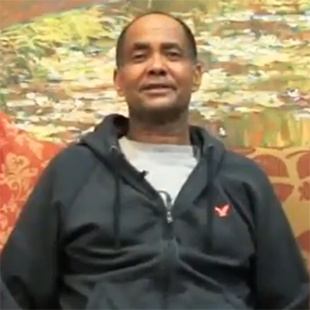
Mr. Hailu Kassa underwent Coronary Artery Bypass Surgery in Vejthani Hospital, Thailand under the supervision of Dr. Piya, Cardio-Thoracic Surgeon

Patient Testimonial: Rod Schaubroeck from United States (U.S.A) underwent heart valve replacement at Fortis Hospital, India
TAPVC package cost in Singapore has different inclusions and exclusions. There are many hospital that cover the cost of pre-surgical investigations of the patient in the treatment package. The TAPVC cost in Singapore includes the cost of anesthesia, medicines, hospitalization and the surgeon's fee. Extended hospital stay, complications after the surgery or new diagnosis may affect the overall cost of TAPVC in Singapore.
There are many hospitals that perform TAPVC in Singapore. The top hospitals for TAPVC in Singapore include the following:
After TAPVC in Singapore, the patient is supposed to stay in guest house for another 18 days. This duration of stay is recommended to complete all the necessary follow-ups and control tests to ensure that the surgery was successful.
Apart from the TAPVC cost, the patient may have to pay for additional daily expenses such as for guest house after discharge and meals. The per day extra expenses in Singapore per person are about USD 50 per person.
There are many cities that offer TAPVC in Singapore, including the following:
After TAPVC, the patient is supposed to stay for about 3 days in the hospital for recovery and monitoring. This phase is important to ensure that the patient is recovering well and is clinically stable. During this time, several tests are performed before the patient is deemed suitable for discharge.
The average rating for TAPVC hospitals in Singapore is 2.7. This rating is automatically calculated on the basis of several parameters such as the infrastructure of the hospital, quality of services, nursing support and other services.
There are more than 6 hospitals that offer TAPVC in Singapore. The above listed clinics are approved to perform the surgery and have proper infrastructure to handle TAPVC patients. Also, these hospitals follow the necessary guidelines as required by the medical associations for the treatment of TAPVC patients.
Some of the top doctors for TAPVC in Singapore are:
Have your reports reviewed by independent oncology experts to help you make a confident treatment decision, all online within 48 hours.
Upload Your Reports