Your Notifications
All done, no notifications

Pacemaker Implantation Surgery Cost in United Arab Emirates

Starts from USD 7000

Affordable World-class Treatment - Accredited Hospitals - Free Treatment Plan in 24 Hrs

1
Days in Hospital
1-2 hrs
Procedure Time
95 - 99%
Success Rate
Pacemaker Implantation: Cost, Procedure and Clinics | MediGence
JCI/ISO 100,000+ Patients 24X7 Coordinator Visa & Travel handled
Your all-in-one medical travel platform for treatment, recovery & care.

Get Your Personalised Treatment Plan in Just 24 Hours.

Share your details to receive a personalised treatment plan, estimated costs, hospital recommendations, and expert guidance, “completely free.”

Required | alphabets and spaces
Required | A valid, working email address
Required | A valid contact
Connect with an Expert

Your information is protected with HIPAA-compliant security standards. We only share your details with hospitals after your consent.

Estimated Treatment Cost
Starts from USD 7000
All-inclusive • Hospital + Medications + Recovery Assistance + Dedicated Care Coordinator

International Quality. Affordable Care.

How Much Does Pacemaker Implant Single Chamber Cost in United Arab Emirates?

The cost of Pacemaker Implant Single Chamber in United Arab Emirates typically ranges between USD 7000.

However, this cost can vary depending on several factors, including the type and severity of the condition, treatment techniques chosen, the healthcare facility's location and reputation, the treating professionals' experience and specialisation, and the patient's overall health status.

Additionally, factors like the duration of treatment, the need for follow-up care, and the use of advanced technologies or specialised treatments can further influence the overall cost.

Factors Influencing the Cost of Pacemaker Implant Single Chamber:

  • Type of Single Chamber Pacemaker: Atrial pacemakers with a single chamber, Contemporary Pacemakers.
  • Hospital and Location: Hospitals in urban areas or those with higher operating expenses may charge more than rural hospitals.
  • Pre-Treatment Tests: Diagnostic imaging such as MRI, CT, and PET scans can add to the cost.
  • Post-Treatment Care: Medications and follow-up consultations also impact the expenses.
  • Length of Hospital Stay: Hospital stays may become more expensive due to complicated surgeries or complications.

A pacemaker is a tiny electronic device implanted in the chest, generally just below the collarbone, to assist in controlling sluggish electrical issues with the heart. A pacemaker might be suggested to prevent the heartbeat from falling to an improperly low rate.

For most people, the lead is connected to a single-chamber pacemaker's right ventricle (lower cardiac chamber), which regulates heartbeat pacing. Depending on your symptoms and the pacing you require, the lead may also be sent to your right atrium or higher heart chamber to trigger the pacing there.

What's included in your Pacemaker Implantation Surgery quote?

Pacemaker Implantation Surgery
Surgical implantation of a pacemaker to regulate abnormal heart rhythms
Cardiologist consultation
Pre-surgery evaluation, treatment planning, and post-operative follow-up consultations
Hospital stay & supportive care
Procedure, anaesthesia, nursing care, and cardiac monitoring
Follow-up monitoring
Device programming, ECG checks, and routine follow-up visits
Visa & medical-visa invite letter
Airport pickup & transfers

Cost of Pacemaker Implantation Surgery in Major Cities of United Arab Emirates

City Cost (USD)
Abu Dhabi $7,000 Explore More
Ajman $6,300 Explore More
Dubai $7,000 Explore More
Sharjah $7,000 Explore More

Pacemaker Implant Single Chamber - United Arab Emirates Vs the World

$0 - $0
$3k - $6k
$3k - $10k
$4k - $8k
$6k - $14k
$8k - $15k
$8k - $15k
$8k - $15k
$8k - $12k
$10k - $16k
$12k - $17k
$18k - $28k

Find the Right Destination for Your Pacemaker Implantation Surgery Journey

Dr. Vihan Gautam
Author

BPT, MS in Healthcare Mgmt

4 Years of Experience

Last Reviewed - June 2026

Dr. Vihan Gautam is a distinguished Rehabilitation Specialist and Healthcare Management Professional, holding a Bachelor of Physiotherapy (BPT) from Rajiv Gandhi University of Health Sciences and a Master of Science in Healthcare Management (MSc) from the prestigious University of London, United Kingdom. With specialized clinical experience and his advanced medical knowledge in neuro-rehabilitation, musculoskeletal disorders, and evidence-based physiotherapy practices, enables him to develop patient-centered rehabilitation protocols and AI-driven care models that deliver measurable functional recovery outcomes. His diverse contributions across international rehabilitation programs, multidisciplinary care, and AI-driven healthcare initiatives uniquely position him as an emerging leader in neuro-rehabilitative care globally.
View More
Dr. Naresh Kumar Goyal
Reviewer

Cardiologist

21 Years of Experience

Last Reviewed - June 2026

Dr. Naresh Kumar Goyal is highly trained as a cardiologist with exposure in virtually all aspects of cardiology. He qualified with an MD in internal medicine in 1999 from SMS Medical College, Jaipur, and served in the Cardiology Department as an honorary resident. From this stage, he also started with training in the temporary pacing of the pacemaker as well as interventional services.
View More

Need Help Choosing the Right Treatment? Talk to a Medical Advisor

Our dedicated Medical Patient Advisors are here to answer your questions, help you compare treatment options, estimate costs, and guide you through every step of your healthcare journey.

15 min
Average response time

Serving Patients Worldwide in Multiple Languages.

A pacemaker is a tiny, battery-operated device that ensures your heart beats at the right speed. Surgery is required to implant the pacemaker, usually beneath the skin near your collarbone. It's also known as a cardiac pacing device.

A pacemaker implant is a small device that weighs around 20 g to 50 g and is the size of a matchbox. It has a pulse generator with a battery, a tiny computer circuit, and a few wires called pacing leads. This system is attached to the heart and it emits signals through the wires. The pacing rate or the rate of electrical impulses can be adjusted as per the requirement of the body and be accordingly programmed. It can sense if a heartbeat is missed or if the heart is beating too slowly. Accordingly, it starts sending a steady signal to normalize the beating of the heart. If the beats are normal, then it simply does not send any signal.

A pacemaker might be necessary if:
  • You have chronic heart failure, which is characterized by a prolonged, weak, or irregular heartbeat.
  • A pacemaker only activates when it detects irregular heartbeats. For instance, the pacemaker can adjust the heartbeat by sending electrical signals if it beats too slowly.
Pacemakers come in various types:
  • Single Chamber Pacemaker: Sends electrical signals to the lower right chamber of the heart.
  • Dual Chamber Pacemaker: Sends electrical signals to both the upper and lower right heart chambers.
  • Ventricular Pacemaker (Cardiac Resynchronization Pacemaker): Designed for individuals with heart failure and a slow heartbeat.Stimulates both lower heart chambers to strengthen the heart muscle.

A pacemaker is an electrical device that stimulates the heart to maintain a regular beat, speeding it up or slowing it down. The heart's natural electrical system keeps its rhythm normally, but this can become compromised in cases of injury to the heart muscle, certain medications, or genetic conditions. Pacemakers are often needed in some cases of heart failure and for long-standing slow or irregular heart rates.

Consult a doctor if you experience shortness of breath, palpitations, dizziness, fainting, or unexpected fatigue.

Preparation includes a complete assessment, such as an echocardiography, Holter monitor, ECG (electrocardiogram), and blood tests. Your physician may recommend stopping certain medications, including blood thinners, and fasting before the procedure.

  • Insertion of a pacemaker is frequently done under local anaesthesia and sedation.
  • A small incision is made near the collarbone.
  • Wires, or leads, are guided into the heart through a vein.
  • The leads are connected to the pacemaker device placed under the skin.
  • To satisfy the needs of the patient, the device is programmed externally.
  • The procedure is minimal and typically requires one to two hours.

Most patients remain in the hospital for a day following the one to two-hour pacemaker procedure. It can take several days to weeks to fully recover and return to normal activities.

  • Infection at the implant site
  • Bleeding or bruising
  • Lead dislodgement
  • Pneumothorax
  • Allergic reaction to anaesthesia
  • Device malfunction
  • Heart perforation

  • Protection against dangerous cardiac arrhythmias
  • Decreases symptoms, such as dizziness and fatigue
  • Enhances activity tolerance and quality of life

After pacemaker implantation, patients must keep their wounds clean, limit arm movement, and avoid strong magnets. The battery is good for five to fifteen years and must be serviced routinely.

Over 95% of individuals who receive a pacemaker implant indicate that they feel better and have improved heart function. Well-selected patients have significantly improved quality of life and long-term survival.

95%

Success rate for successful device implantation and rhythm control

1–2 days

Typical hospital stay

2–4 weeks

Return to normal daily activities with temporary arm movement restrictions
Explore Hospitals ( 19 )

Dubai, United Arab Emirates

1.0 - 1 review · 114+ Beds · 208+ Procedures
JCI NABH NABL

Sharjah, United Arab Emirates

3.3 - 5 reviews · 137+ Beds · 204+ Procedures
JCI

Dubai, United Arab Emirates

4.6 - 1 review · 300+ Beds · 212+ Procedures
JCI

Dubai, United Arab Emirates

200+ Beds · 174+ Procedures
JCI
Starting
USD 6000

Dubai, United Arab Emirates

4.7 - 2 reviews · 179+ Beds · 645+ Procedures
JCI

Dubai, United Arab Emirates

100+ Beds · 186+ Procedures
ACHS JCI

Abu Dhabi, United Arab Emirates

500+ Beds · 223+ Procedures
JCI
Starting
USD 25000

Abu Dhabi, United Arab Emirates

3.0 - 2 reviews · 750+ Beds · 177+ Procedures
JCI

Sharjah, United Arab Emirates

75+ Beds · 247+ Procedures
JCI

Dubai, United Arab Emirates

220+ Beds · 215+ Procedures

Get Your Pacemaker Implantation Surgery
Plan in 24 hrs.

Our experienced Medical Patient Advisors have supported 100,000+ patients across 120+ countries with personalised treatment plans, hospital recommendations, cost estimates, and travel assistance, all free.

HIPAA-Compliant Data SecurityShared Only with Your Consent

Free Consultation No Obligation Personalized Treatment Plan Response Within 24 Hours

Required | alphabets and spaces
Required | A valid, working email address
Required | A valid contact

Your medical info is kept HIPAA-style confidential. We never share with hospitals without your consent.

Process Involved for Pacemaker Implantation Surgery in United Arab Emirates

  • Pre-Surgery Evaluation & Diagnosis
    • Electrophysiology Monitoring, CT scan
    • Electrocardiogram (ECG) & stress tests
    • Medical Adjustments
  • Pacemaker Implantation Procedure
    • Anesthesia
    • Lead Placement
    • Pacemaker Placement
    • Testing & Adjustment
  • Post-Surgery Recovery: cardiac monitoring, pain management and activity restriction
  • Follow-Up & Device Programming
  • Bradycardia
  • 1st, 2nd, & 3rd Degree Heart Block
  • Sick Sinus Syndrome
  • Atrial Fibrillation (AFib) with Slow Ventricular Response
  • Congenital Heart Defects
  • Carotid Sinus Syndrome
  • Symptomatic Bradycardia Patients
  • Heart Block Patients
  • Atrial Fibrillation Patients
  • Heart Failure (CRT-P Pacemaker) patients
  • Post-Surgical Arrhythmias
  • Congenital Heart Defects
  • Single-Chamber Pacemaker
  • Dual-Chamber Pacemaker
  • Biventricular Pacemaker
  • Leadless Pacemaker
  • Electrophysiology Study (EPS) & Mapping
  • Lead Extraction & Replacement
  • Cardiac Resynchronization Therapy (CRT) for Heart Failure
  • Implantable Cardioverter Defibrillator (ICD) Placement
  • Coronary Angiography & Angioplasty
  • Bypass Surgery
  • Holter Monitor Test
  • Restores Normal Heart Rhythm
  • Improves Blood Circulation
  • Prevents Cardiac Arrest & Heart Failure
  • Enhances Physical Activity
  • Prevents Fainting & Falls
  • Long-Term Heart Health
  • Cardiologist
  • Cardiac Surgeon
  • Interventional Radiologist
  • Fill out the inquiry form: Fill out the form to provide us with the relevant information about your condition.
  • Consult with Our Healthcare Expert: One of our qualified specialists will contact you for a consultation.
  • Receive a Detailed Treatment Plan :After examining your situation, we will provide you with a detailed treatment plan that includes expert views and cost breakdowns for various choices.
  • Choose your preferred option: Choose the treatment option that suits you the best.
Jenny Wilson
Your Dedicated Medical Patient Advisor
Treatment planning • Hospital coordination • Multilingual support • Response within 15 minutes.
Our Services to Better your Experience

Opinion & Option

We submit the most accurate opinion and options from one or more countries for your review

Consult Privately

Consult with a certified specialist privately on our telemedicine platform even before you decide to travel

Logistics

We handle flights, visas, transfers, and accommodation—so you can focus on your health.

Recovery

Our In-house rehabilitation service packages to better your recovery and treatment outcome

Patient Stories

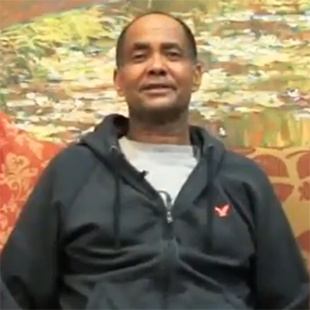
Mr Hailu Kassa : CABG Surgery
Mr Hailu Kassa
Mr Hailu Kassa : CABG Surgery

Mr. Hailu Kassa underwent Coronary Artery Bypass Surgery in Vejthani Hospital, Thailand under the supervision of Dr. Piya, Cardio-Thoracic Surgeon

Rod Schaubroeck
Rod Schaubroeck
Rod Schaubroeck : Double Valve Replacement

Patient Testimonial: Rod Schaubroeck from United States (U.S.A) underwent heart valve replacement at Fortis Hospital, India

Conditions treated by Pacemaker Implantation Surgery

Frequently Asked Questions

A. In the United Arab Emirates, the average starting cost for Pacemaker Implantation Surgery is USD 7000. Only some of the best and certified hospitals in the United Arab Emirates perform Pacemaker Implantation Surgery for international patients.

A. The cost of Pacemaker Implantation Surgery in the United Arab Emirates may differ from one medical facility to the other. Many hospitals cover the cost of pre-surgical investigations of the patient in the treatment package. The comprehensive surgery package cost includes the cost of investigations, surgery, medicines, and consumables. A prolonged hospital stay due to delayed recovery, new diagnosis, and complications after surgery may increase the cost of Pacemaker Implantation Surgery in the United Arab Emirates.

A. A single-chamber pacemaker is a medical device that helps people with specific arrhythmias (irregular heartbeats) control their cardiac rhythm. It has one lead and a pulse generator as its components.

  • Pulse Generator: Usually placed beneath the skin in the chest region, the pulse generator is a tiny, battery-operated device. It has a computer that manages the electrical impulse delivery and timing.
  • Lead: The lead is the insulated, thin cable that joins the heart and pulse generator. Usually, a vein is used to insert it into one of the heart's chambers. The lead of a single-chamber pacemaker is normally positioned in the right ventricle or atrium.
  • Sensing: It recognizes when the natural pacing mechanism of the heart is malfunctioning.
  • Pacing: The pacemaker stimulates the heart by sending electrical impulses through the lead when it detects that the heartbeat is abnormally sluggish or erratic.

A. Single-chamber pacemakers differ in terms of how they work, how they are made, and which heart chamber they are meant to pace. The available types of single-chamber pacemakers are as follows:

  1. Unipolar Pacemakers: These pacemakers have a single electrode (called the lead), one pacing electrode, and a return electrode made of a metal casing. In general, simpler and less costly. They might work well for specific kinds of arrhythmias.
  2. Bipolar Pacemakers: These pacemakers work by attaching two electrodes to a lead that is very near to one another. The positive (anode) electrode is one, and the negative (cathode) electrode is the other. lower chance of electromagnetic interference and maybe improved precision in sensing and timing.
  3. Rate-responsive pacemakers: They respond to the patient's degree of physical activity and are known as rate-responsive pacemakers. They have sensors that can pick up physiological changes including respiration, heart rate, and body mobility. They allow for more flexible pacing to meet different metabolic needs and levels of physical activity.
  4. Fixed-Rate Pacemakers: Regardless of the patient's degree of activity or heart rate, these pacemakers deliver electrical impulses at a steady rate. straightforward functioning and design.

A. The pacemaker implantation process is a multi-step process that is usually performed in a hospital. This is a broad synopsis of the procedure:

  • Evaluation: The patient has a comprehensive evaluation before to the procedure, which includes a review of their medical history, a physical examination, and diagnostic testing such as an echocardiography, an electrocardiogram (ECG), or blood tests.
  • Incision: A little incision is created, usually right below the collarbone in the upper chest region.
  • Lead Placement: A vein, usually the subclavian vein, is used to implant one or more leads, which are thin, insulated wires, into the heart. One lead is inserted into the right ventricle or right atrium for a single-chamber pacemaker.
  • Pulse Generator: The electrical impulse-producing device, or pulse generator, is positioned in a tiny pocket made beneath the skin at the incision site.
  • Lead Connection: After connecting the lead or leads to the pulse generator, the connections are verified to make sure everything is operating as it should.
  • Testing and Programming: To make sure the pacemaker is operating properly and is configured to the patient's specifications, it is tested and programmed.
  • Closure of Incision: Adhesive strips or sutures are used to close the incision. The region is covered with a sterile dressing.
  • Observation: To keep an eye out for any problems, such as bleeding or infection, the patient is watched for a few hours or overnight.

A. There are various advantages to a single-chamber pacemaker, especially for those with certain kinds of cardiac rhythm abnormalities. The following are some of the main benefits:

  1. Effective in specific conditions: When bradycardia (a slow heart rate) only affects one chamber of the heart, typically the right ventricle, single-chamber pacemakers are especially helpful in treating the condition.
  2. Easier Process: Compared to dual-chamber or biventricular pacemakers, the implantation of a single-chamber pacemaker usually entails a simpler process.
  3. Decreased Risk of Infection and Issues: There is a decreased chance of infection, lead displacement, or other issues when there is only one lead and one chamber being paced.
  4. Economical: Because single-chamber pacemakers use less complicated technology and fewer components than dual-chamber or biventricular devices, they may be less expensive.
  5. Simpler Maintenance: Compared to more sophisticated devices, single-chamber pacemakers often require fewer follow-up modifications and monitoring since they have fewer parts and a simpler design.
  6. Better Quality of Life: For individuals in need of a pacemaker, a single-chamber device can greatly lessen bradycardia symptoms including exhaustion, lightheadedness, and dyspnea, improving overall quality of life.
  7. Faster Recovery: Patients may recover from the implantation of a single-chamber pacemaker more quickly because it is a less invasive surgery with fewer leads.

A. Pacemaker implantation indeed carries some risks and consequences, even though the treatment is normally safe. Here is a summary of possible problems:

  • Site Infection: The area where the pacemaker is inserted is susceptible to infection. Although they are not common, infections that are connected to the pacemaker itself, such as endocarditis (infection of the heart lining), can happen.
  • Bleeding: Some bleeding may happen internally or at the site of the incision. Although this is typically managed during the surgery, further care may occasionally be needed.
  • Hematoma: An accumulation of blood (hematoma) at the site of the incision may result in pain or swelling.
  • Lead Malfunction: Problems with the lead, such as fractures or insulation failing, might interfere with the pacemaker's operation and may necessitate surgery.
  • Pneumothorax: An accumulation of air in the chest cavity during the process may result in a pneumothorax, which may make breathing difficult, frequently involving a chest tube.
  • Allergy Reactions: Materials used in the pacemaker or anesthetic may cause allergic reactions in certain people. Medication is usually used to treat them.
  • Arrhythmias: In rare cases, the pacemaker may not completely stop the arrhythmia or may even start new ones.

A. The battery life of a pacemaker can range from three years for a small child's dual-chamber device to fifteen years for a large, infrequently-operating single-chamber device. If the pacemaker is running continuously, there is a gradual lowering of the paced rhythm when the battery begins to fail.

A. Following pacemaker implantation, specific lifestyle adjustments, and safety measures are required to guarantee device functionality and to support general health. This is a detailed list of suggested changes:

  1. Avoid heavy lifting: heavy lifting or physically demanding activities should be avoided for a few weeks following pacemaker implantation as these may strain the surgical site or cause the device to come loose.
  2. Maintain Dry and Clean Conditions: Observe the guidelines for maintaining a dry and clean incision site.
  3. Frequent Examinations: Keep all of the planned follow-up sessions so that the pacemaker's functionality and battery life can be monitored, as well as device checks and programming changes.
  4. Device Monitoring: A few pacemakers allow for remote monitoring. If your gadget has instructions for remote monitoring, make sure you follow them.
  5. Healthy Diet: Eat a diet rich in fruits, vegetables, whole grains, lean meats, and other nutrients that promote cardiovascular health.
  6. Do not smoke and drink in moderation: Smoking can aggravate heart conditions and interfere with medication. Reducing alcohol intake can also improve the effectiveness of medications and heart health.

A. There are several best hospitals for Pacemaker Implantation Surgery in the United Arab Emirates. The following are some of the most renowned hospitals for Pacemaker Implantation Surgery in the United Arab Emirates:

A. After Pacemaker Implantation Surgery in the United Arab Emirates, the patient is supposed to stay in a guest house for another 14 days. This duration of stay is recommended to complete all the necessary follow-ups and control tests to ensure that the surgery was successful.

A. Apart from the Pacemaker Implantation Surgery cost, there are a few other daily charges that the patient may have to pay. These are the charges for daily meals and accommodation outside the hospital. The per day cost in this case may start from USD 50 per person.

A. Some of the best cities in the United Arab Emirates which offer Pacemaker Implantation Surgery are:

  1. Dubai
  2. Abu Dhabi
  3. Sharjah

A. Patients can opt for video telemedicine consultation before they come for Pacemaker Implantation Surgery in the United Arab Emirates. Some of the surgeons offering this service include the following

DoctorCostSchedule Your Appointment
Dr. Ala Eldin FarasinUSD 173Schedule Now

A. The patient has to spend about 3 days in the hospital after Pacemaker Implantation Surgery for proper recovery and to get clearance for discharge. During the recovery, the patient is carefully monitored and control tests are performed to see that everything is okay. If required, physiotherapy sessions are also planned during recovery in the hospital.

A. The average rating for Pacemaker Implantation Surgery hospitals in the United Arab Emirates is 4.5. This rating is automatically calculated based on several parameters such as the infrastructure of the hospital, quality of services, nursing support, and other services.

A. There are more than 20 hospitals that offer Pacemaker Implantation Surgery in the United Arab Emirates. These hospitals have proper infrastructure for the treatment of patients who require kidney transplants. These hospitals comply with all the rules and regulations as dictated by the regulatory bodies and medical associations in the United Arab Emirates

A. Some of the most sought-after medical specialists for Pacemaker Implantation Surgery in the United Arab Emirates are:

Not Sure About Your Treatment Plan? Get a Free Second Opinion

Have your reports reviewed by independent oncology experts to help you make a confident treatment decision, all online within 48 hours.

Upload Your Reports
Free second opinion on your CAR-T plan