Your Notifications
All done, no notifications

Norwood Procedure Cost in India

USD 10000 - USD 12000

Affordable World-class Treatment - Accredited Hospitals - Free Treatment Plan in 24 Hrs

2
Days in Hospital
26
Post-Hospital
75 - 85%
Success Rate
Norwood Procedure | MediGence
JCI/ISO 100,000+ Patients 24X7 Coordinator Visa & Travel handled
Your all-in-one medical travel platform for treatment, recovery & care.

Get Your Personalised Treatment Plan in Just 24 Hours.

Share your details to receive a personalised treatment plan, estimated costs, hospital recommendations, and expert guidance, “completely free.”

Required | alphabets and spaces
Required | A valid, working email address
Required | A valid contact
Connect with an Expert

Your information is protected with HIPAA-compliant security standards. We only share your details with hospitals after your consent.

Estimated Treatment Cost
USD 10000 - USD 12000
All-inclusive • Hospital + Medications + Recovery Assistance + Dedicated Care Coordinator

International Quality. Affordable Care.

How Much Does Norwood Procedure Cost in India?

The cost of the Norwood procedure in India typically ranges between USD 10000 - USD 12000.

However, this cost can vary depending on several factors, including the type and severity of the condition, treatment techniques chosen, the healthcare facility's location and reputation, the treating professionals' experience and specialisation, and the patient's overall health status.

Additionally, factors like the duration of treatment, the need for follow-up care, and the use of advanced technologies or specialised treatments can further influence the overall cost.

Factors Influencing the Cost of Norwood Procedure:

  • Type of Procedure: Glenn and Fontan Procedure.
  • HospitalandLocation: Healthcare costs vary by location. Hospitals in urban areas or those with higher operating expenses may charge more than rural hospitals.
  • Pre-Treatment Tests: Diagnostic imaging such as X-ray, CT, and Ultrasonography can add to the cost.
  • Post-Treatment Care: Medications and follow-up consultations also impact the expenses.
  • Length of Hospital Stay: Hospital stays may become more expensive due to complicated surgeries or complications.

A Norwood procedure is a surgery that most surgeons do for a baby with hypoplastic left heart syndrome. This procedure lets the right side of the baby's heart send oxygenated blood to the body. Usually, your heart's left side takes care of this. In a baby with HLHS, the heart's left side isn't developed enough to do it.

After this procedure, your baby's lower heart chamber, the right ventricle, continues to pump blood to the lungs without oxygen. But it also carries out the left ventricle's function, which supplies the body with oxygen-rich blood.

What's included in your Norwood Procedure quote?

Norwood Procedure
First-stage open-heart surgery to treat hypoplastic left heart syndrome (HLHS) in newborns
Pediatric cardiac surgeon consultation
Pre-surgery evaluation, treatment planning, and follow-up consultations
Hospital stay & supportive care
Surgery, anaesthesia, ICU care, nursing support, and recovery monitoring
Follow-up monitoring
Echocardiography, cardiac assessment, and routine follow-up visits
Visa & medical-visa invite letter
Airport pickup & transfers

Cost of Norwood Procedure in Major Cities of India

City Cost (USD)
Ahmedabad $9,000 – $10,800 Explore More
Bangalore $10,000 – $12,000 Explore More
Chennai $10,000 – $12,000 Explore More
Delhi $10,000 – $12,000 Explore More
Faridabad $10,000 – $12,000 Explore More
Ghaziabad $10,000 – $12,000 Explore More
Gurgaon $10,000 – $12,000 Explore More
Hyderabad $10,000 – $12,000 Explore More
Kochi $10,000 – $12,000 Explore More
Kolkata $10,000 – $12,000 Explore More
Mohali $9,000 – $10,800 Explore More
Mumbai $10,000 – $12,000 Explore More
Noida $10,000 – $12,000 Explore More

Norwood Procedure - India Vs the World

$7k - $9k
$10k - $12k
$15k - $25k
$18k - $0
$18k - $25k
$25k - $50k
$35k - $65k
$50k - $100k
$60k - $100k
$90k - $160k
$125k - $200k
Dr. Vijita Jayan
Author

BPT, MPT (Neuro)

18 Years of Experience

Last Reviewed - June 2026

With over 18 years of distinguished clinical experience, Dr. Vijita Jayan is a highly accomplished Clinical Director and Rehabilitation Specialist, renowned for her expertise in neuro-rehabilitation, functional recovery, and mobility-dependent case management. Her extensive practical knowledge enables her to design and implement individualized, evidence-based rehabilitation protocols that consistently yield measurable patient outcomes. A prolific researcher and academic writer, she has authored numerous peer-reviewed articles and research papers, significantly advancing the field of rehabilitative medicine. The recipient of multiple prestigious accolades, Dr. Jayan is widely regarded as one of the foremost authorities in Physical Medicine and Rehabilitation, continually shaping neuro-rehabilitative care through research, innovation, and clinical excellence.
View More
Dr. Naresh Kumar Goyal
Reviewer

Cardiologist

21 Years of Experience

Last Reviewed - June 2026

Dr. Naresh Kumar Goyal is highly trained as a cardiologist with exposure in virtually all aspects of cardiology. He qualified with an MD in internal medicine in 1999 from SMS Medical College, Jaipur, and served in the Cardiology Department as an honorary resident. From this stage, he also started with training in the temporary pacing of the pacemaker as well as interventional services.
View More

Need Help Choosing the Right Treatment? Talk to a Medical Advisor

Our dedicated Medical Patient Advisors are here to answer your questions, help you compare treatment options, estimate costs, and guide you through every step of your healthcare journey.

15 min
Average response time

Serving Patients Worldwide in Multiple Languages.

The Norwood procedure enhances blood circulation in newborns with hypoplastic left heart syndrome (HLHS). This surgery allows the right ventricle to compensate for an underdeveloped left ventricle and aorta. Post-operation, the right ventricle pumps blood to the lungs for oxygenation and also circulates oxygen-rich blood throughout the body.

This surgery allows the right side of a baby’s heart to send oxygen-rich blood to the body, a function typically performed by the left side. In a baby with HLHS, the left side of the heart is not developed enough to handle this task.

After the surgery, the right ventricle continues its normal function of pumping deoxygenated blood to the lungs. However, it also takes on the role of the left ventricle by pumping oxygenated blood to the rest of the body.

While this does not maintain the separation between oxygenated and deoxygenated blood like a normal heart, it significantly improves oxygen delivery to the baby’s cells and tissues, offering a better quality of life despite not being a perfect solution.

Who needs to have a Norwood procedure?

Babies with hypoplastic left heart syndrome (HLHS) require this surgery within the first few weeks of life. Due to their underdeveloped left ventricle, the Norwood procedure allows their right ventricle to execute the functions of both ventricles.

For the first few days after birth, a baby’s blood can flow between the aorta and pulmonary artery through the patent ductus arteriosus, allowing the right ventricle to send blood to both the lungs and the body. However, once this opening closes naturally after birth, the right ventricle can no longer send blood to the body, necessitating the Norwood procedure.

The Norwood procedure is the first of three surgeries done to correct hypoplastic left heart syndrome (HLHS). This congenital heart defect occurs in only a few babies and involves underdevelopment of the left side of the heart. It assists in redirecting blood flow so the single working right ventricle can pump blood to the lungs and the body.

This disorder is usually diagnosed before birth with a fetal echocardiogram or after birth for evidence such as blue skin colouration (cyanosis), weak feeding, quick breathing, or sleepiness. Early neonatal intervention and surgery consultation are mandatory.

Preparation is initiated in the neonatal intensive care unit (NICU) where the infant is stabilised with medications (e.g., prostaglandin to maintain patency of the ductus arteriosus). Diagnostic studies such as echocardiograms, chest X-rays, and blood work are obtained to prepare for surgery.

During the Norwood procedure, the surgeon creates a new aorta from the current pulmonary artery and attaches it to the right ventricle. A shunt (Blalock-Taussig or Sano shunt) is inserted to deliver blood to the lungs, enabling the right ventricle to assume systemic and pulmonary circulation.

The operation is involved and lasts 5 to 6 hours or more. It is done under general anesthesia with a heart-lung bypass machine. A few weeks' hospital stay in the NICU or cardiac ICU is anticipated after surgery.

  • Bleeding
  • Infection
  • Arrhythmias
  • Low cardiac output
  • Neurological injury
  • Shunt blockage

The main advantage is lifesaving palliation for babies with HLHS. It helps the infant to live and develop until it can receive the subsequent phases of treatment: the Glenn and Fontan surgeries.

Recovery consists of intensive observation in the ICU, mechanical ventilation, and weaning progressively off support. Feeding support and medications to sustain cardiac function are typically needed. Ongoing growth and observation are necessary until the following procedure at 4–6 months old.

Survival has dramatically improved; early survival is approximately 75–85% at advanced centres. Long-term prognosis is based on global heart function, presence of additional anomalies, and success of the staged surgical approach.

Explore Hospitals ( 41 )

Delhi, India

5.0 - 1 review · 650+ Beds · 302+ Procedures
JCI NABH
Starting
USD 10000

Gurgaon, India

3.3 - 4 reviews · 750+ Beds · 307+ Procedures
JCI NABH
Starting
USD 25000

Gurgaon, India

3.4 - 1 review · 1250+ Beds · 281+ Procedures
JCI NABH
Starting
USD 28000
Starting
USD 50000
Starting
USD 20000

Delhi, India

4.4 - 5 reviews · 710+ Beds · 304+ Procedures
JCI

Hyderabad, India

JCI

Hyderabad, India

NABH NABL
Starting
USD 26000

Chennai, India

NABH
Starting
USD 24000

Get Your Norwood Procedure
Plan in 24 hrs.

Our experienced Medical Patient Advisors have supported 100,000+ patients across 120+ countries with personalised treatment plans, hospital recommendations, cost estimates, and travel assistance, all free.

HIPAA-Compliant Data SecurityShared Only with Your Consent

Free Consultation No Obligation Personalized Treatment Plan Response Within 24 Hours

Required | alphabets and spaces
Required | A valid, working email address
Required | A valid contact

Your medical info has is HIPAA-style confidential. We never share with hospitals without your consent.

Process Involved for Norwood Procedure in India

  • Evaluation & Preparatory Stage
    • Diagnostic Tests are performed for a better understanding
    • Nutritional Support for some babies before surgery
  • Surgical Stage
    • General Anesthesia & Heart-Lung Bypass
    • Aortic Reconstruction
    • Right Ventricle to Pulmonary Artery (RV-PA) Shunt
    • Removal of Atrial Septum
    • Weaning Off Bypass & Chest Closure
  • Postoperative Recovery
    • Intensive Monitoring
    • Gradual Feeding & Weight Gain
  • Intermediate Stage
    • Home Monitoring Program to track oxygen levels, weight and feeding
    • Frequent Follow-Up Care
  • Subsequent Stage Surgery (Glenn Procedure at 4-6 Months)
  • Hypoplastic Left Heart Syndrome (HLHS)
  • Narrowed Heart Valve
  • Blocked Heart Valve (Mitral Atresia)
  • Unbalanced Atrioventricular Septal Defect (AVSD)
  • Other Single Ventricle Defects
  • Diagnosis of Hypoplastic Left Heart Syndrome (HLHS)
  • Critical Aortic Stenosis or Atresia
  • Single Ventricle Physiology
  • Weak Right Ventricular Function
  • Low to moderate lung blood pressure
  • Atrial Septectomy
  • A temporary Shunt is placed(Sano Shunt)
  • Aortic Arch Reconstruction
  • Balloon Atrial Septostomy (Pre-Surgery Procedure)
  • Next-Stage Surgeries (Glenn & Fontan Procedures)
  • Establishes Systemic Circulation
  • Increases Oxygen Delivery
  • Enables Future Staged Surgeries
  • Improves Survival in HLHS Patients
  • Enhances Growth & Development
  • Pediatric Cardiac Surgeon
  • Pediatric Cardiologist
  • Perfusionist
  • Fill out the inquiry form: Fill out the form to provide us with the relevant information about your condition.
  • Consult with Our Healthcare Expert: One of our qualified specialists will contact you for a consultation.
  • Receive a Detailed Treatment Plan: After examining your situation, we will provide you with a detailed treatment plan that includes expert views and cost breakdowns for various choices.
  • Choose your preferred option: Choose the treatment option that suits you the best.
Jenny Wilson
Your Dedicated Medical Patient Advisor
Treatment planning • Hospital coordination • Multilingual support • Response within 15 minutes.
Our Services to Better your Experience

Opinion & Option

We submit the most accurate opinion and options from one or more countries for your review

Consult Privately

Consult with a certified specialist privately on our telemedicine platform even before you decide to travel

Logistics

We handle flights, visas, transfers, and accommodation—so you can focus on your health.

Recovery

Our In-house rehabilitation service packages to better your recovery and treatment outcome

Patient Stories

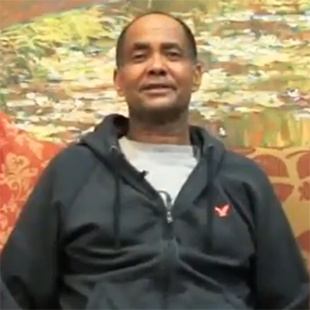
Mr Hailu Kassa : CABG Surgery
Mr Hailu Kassa
Mr Hailu Kassa : CABG Surgery

Mr. Hailu Kassa underwent Coronary Artery Bypass Surgery in Vejthani Hospital, Thailand under the supervision of Dr. Piya, Cardio-Thoracic Surgeon

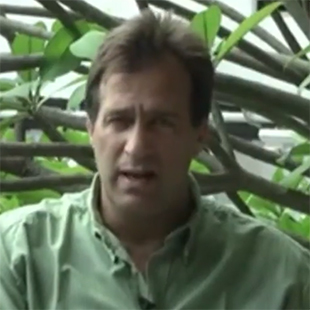
Rod Schaubroeck
Rod Schaubroeck
Rod Schaubroeck : Double Valve Replacement

Patient Testimonial: Rod Schaubroeck from United States (U.S.A) underwent heart valve replacement at Fortis Hospital, India

Conditions treated by Norwood Procedure

Frequently Asked Questions

The minimum cost of Norwood Procedure in India is about USD$ 10,000. In India, Norwood Procedure is conducted across many multispecialty hospitals.

A. Different hospitals have different pricing policies when it comes to the cost of Norwood Procedure in India. The cost quoted by some of the best hospitals for Norwood Procedure in India generally covers the pre-surgery investigations of the patient. The Norwood Procedure cost in India includes the cost of anesthesia, medicines, hospitalization, and the surgeon's fee. A prolonged hospital stay due to delayed recovery, new diagnosis, and complications after surgery may increase the cost of the Norwood Procedure in India.

A. Surgeons most frequently conduct a Norwood procedure on a newborn with hypoplastic left heart syndrome (HLHS). After surgery, a baby's right side of the heart can pump oxygenated blood throughout the body. Usually, this is handled by the left side of your heart. The left side of a baby with HLHS's heart isn't grown enough to do it.

After this procedure, your baby's lower heart chamber, or right ventricle, continues to pump blood to their lungs without oxygen. Nevertheless, it also carries out the left ventricle's function of supplying the body with oxygen-rich blood.

A. Norwood Procedure in India is offered by multiple hospitals across the country. Some of the most renowned hospitals for Norwood Procedure in India include the following:

  1. Medanta - The Medicity
  2. Apollo Hospitals
  3. Artemis Health Institute
  4. BGS Gleneagles Global Hospitals
  5. Aakash Healthcare Super Speciality Hospital
  6. The Madras Institute of Orthopedics and Traumatology
  7. VPS Lakeshore Hospital
  8. Sarvodaya Hospital and Research Centre
  9. Sterling Wockhardt Hospital
  10. Aster Medicity

A. The recovery of the patient may vary, depending on several factors. However, on average, a patient is supposed to stay for about 28 days in the country after discharge. This is important to ensure that the surgery is successful. During this time, control and follow-up tests take place to check for medical fitness.

A. One of the topmost destinations for Norwood Procedure is India. It has a variety of accredited hospitals, affordable cost of treatment, and some of the best medical fraternity. Q. A. Some of the other destinations that are popular for Norwood Procedure include the following:

  • Tunisia
  • Morocco
  • Turkey
  • Thailand
  • The United Arab Emirates
  • Poland
  • Czechia
  • Malaysia
  • Spain
  • Lithuania

A. There are certain additional cost that the patient has to pay apart from the Norwood Procedure cost. These include the cost of accommodation and meals outside hospital. The per day cost in this case may range around USD$ 25.

A. Some of the popular cities in India that offer Norwood Procedure include the following:

  1. Kochi
  2. Mohali
  3. Bengaluru
  4. Hyderabad

A. The patient has to spend about 7 days in the hospital after Norwood Procedure for proper recovery and to get clearance for discharge. The doctors team review the patient's recovery during this time with the help of blood tests and imaging scans. Once they feel that everything is on track, the patient is discharged.

A. The overall rating for hospitals providing Norwood Procedure in India is 5.0. Several parameters such as hospital infrastructure, pricing policy, quality of services, politeness of staff etc. contribute to the rating.

A. There are more than 35 hospitals that offer Norwood Procedure in India. Apart from good services, the hospitals are known to follow all standard and legal guidelines as dictated by the local medical affairs body or organization.

  • Thailand
  • Turkey
  • UAE
  • India
  • Singapore

A. As a result, babies with HLHS usually need what is called the Norwood Procedure which involves several risks and concerns. Some common risks are:

  1. Surgical problems: These may develop after the major surgery including bleeding, infection, or adverse reaction to anesthesia.
  2. Problems with Heart Function: The procedure may decrease the risk of heart failure in some circumstances; if overall heart performance is not improved sufficiently by operation, this can persist.
  3. Arrhythmias: Abnormal heartbeat may develop after the surgery and include arrhythmias, which may necessitate some treatments.
  4. Neurological Risks: There is a possibility of neurological complications because the head and neck areas are some of the areas that are most sensitive to a shortage of blood supply during surgery, this may result in a stroke or slow development.
  5. Breathing Issues: The infants may develop restricted pulmonary function that requires respiratory support after the surgery is complete.
  6. Extended Hospital Stay: Some of the patients in rehab might take a long time to recuperate, which means they might have to spend some time in the hospital.
  7. Need for Additional Surgery: The Glenn and Fontan procedures are among the several surgical operations that many patients may eventually need.
  8. Pulmonary Hypertension: As a long-term result of the condition and the procedure, increased lung pressure may develop.

A. Some of the factors that might play a significant role in determining the outcome after the Norwood Procedure is the general health of the baby, the presence of other complications as well as the time when the procedure is carried out. Nonetheless, the following outcomes might be noticed after the procedure:

  • Survival Rates: While it is observed that there has been a significant increase in average survival with time, ward ob one can gain radical ulcers for immediate postoperative death. According to a study, the overall survival rate to discharge is between 60% and 80%.
  • Heart Function: Many times infants may have normal heart function while others develop heart failure or require additional operations, some of which include Glenn and Fontan surgeries, and possibly affect the outcome.
  • Neurological Outcomes: Neurological and developmental issues that could occur, may not exclude children from reaching developmental growth with appropriate assistance.

A. As their aorta and left ventricle are too small to adequately pump blood to the body, babies with hypoplastic left heart syndrome require the Norwood procedure at birth. Through the Norwood operation, the right ventricle—which typically exclusively pumps blood to the lungs—can pump blood throughout the body.

Recovery from the Norwood treatment typically takes three to four weeks for babies. They receive attention and supervision around the clock. They also receive medications to support heart health and enhance blood flow. Some of these medications will still be taken by them at home.

A. For the Norwood operation, the in-hospital survival rate is 90%. The survival rates following a five-year Norwood operation vary from 60% to 75%. For certain children, HLHS can become fatal, and they will not survive to reach the second stage of surgery. 60% of infants do not require a heart transplant and survive six years following surgery.

A. Recuperation from the Norwood treatment typically takes three to four weeks for babies. They receive attention and supervision around the clock. They also receive medications to support heart health and enhance blood flow. Some of these medications will still be taken by them at home.

The care team instructs parents on how to take care of their infant at home during this period. When a baby is eating properly, developing normally, and gaining weight, they can typically be sent home.

A minimum of two further procedures, the Glenn surgery (around age 3-6 months) and the Fontan treatment (about age 18–36 months) are required for children with hypoplastic left heart syndrome.

  1. Norwood Procedure (Stage 1): They use a hospital stay time that varies from one to three weeks. Usually, this entails observing the child for some time in the ICU before being transferred to a normal pediatric ward. Ventilator dependency and infection may be present.
  2. Glenn Procedure (Stage 2): Generally I take an average of four to seven days because it depends on the health of the child and his or her ability to heal. The infants could have to work with a ventilator or other settings for a brief time.
  3. Fontan Procedure (Stage 3): This step depending on the recovery takes 1- 2 weeks. It is also possible to summarize the goals of postoperative care as giving enough time for the wound to heal and dealing with such components as complications.

A. Children may experience some limitations in their lifestyle after the Norwood Procedure, especially during the early stages of a patient’s recovery and when a child needs constant care. Here are some typical things to think about:

  • Limiting Heavy Activities: Any sports involving risk of injury or any exercise that has a high impact and could in some way endanger the heart should be ruled out for the initial days of recovery.
  • Returning to Activities Gradually: The kid can continue with normal activities gradually as they get well but parents should consult the medical practitioners at the most appropriate time.
  • Immunizations: Immunizations have to be given from time to time to prevent diseases and some kids might be due for a dose.
  • Heart-Healthy Eating Plan: Concerning general health, one needs to eat foods that they need for overall health in their body. Some of the children may have certain diet needs that are undertaken because of the condition and the medications they are provided.
  • Continued Check-Ups: To check on the development of any heart-related issues, and for new issues to be addressed when they come up, the child should go see a pediatric cardiologist regularly.
  • Emotional and Social Needs: Desirable is a consideration of the mental and interpersonal well-being of other people. They might need help managing the specific health issues that are common among kids.

A. The second procedure is the Glenn Procedure which is done when the Pulmonary artery is disconnected from the right ventricle, and reconstructed, while the Glenn Procedure is performed when the child is between 4 and 12 months old. However, several variables can affect the precise timing, including:

  1. Recovery from Norwood Procedure: The focus will be on the child’s health after the first surgery is done. The second phase could be scheduled earlier when the child is declared recovering properly and meeting the required pace of development.
  2. General Health: The schedule will depend on the child’s condition and this will concern weight or heart functioning. However, these aspects need to be taken into account by the healthcare team before proceeding to the next stage.
  3. Medical Needs: If there is any other health issue or a surgical complication after the Norwood Procedure the Glenn Procedure cannot be performed.
  4. Cardiologist's Assessment: Depending on the child’s condition, subsequent follow-ups with the pediatric cardiologist would be useful in determining the most appropriate time to have the second procedure done.

Not Sure About Your Treatment Plan? Get a Free Second Opinion

Have your reports reviewed by independent oncology experts to help you make a confident treatment decision, all online within 48 hours.

Upload Your Reports
Free second opinion on your CAR-T plan