Your Notifications
All done, no notifications

Norwood Procedure: Symptoms, Classification, Diagnosis & Recovery

The Norwood procedure enhances blood circulation in newborns with hypoplastic left heart syndrome (HLHS). This surgery allows the right ventricle to compensate for an underdeveloped left ventricle and aorta. Post-operation, the right ventricle pumps blood to the lungs for oxygenation and also circulates oxygen-rich blood throughout the body.

This surgery allows the right side of a baby’s heart to send oxygen-rich blood to the body, a function typically performed by the left side. In a baby with HLHS, the left side of the heart is not developed enough to handle this task.

After the surgery, the right ventricle continues its normal function of pumping deoxygenated blood to the lungs. However, it also takes on the role of the left ventricle by pumping oxygenated blood to the rest of the body.

While this does not maintain the separation between oxygenated and deoxygenated blood like a normal heart, it significantly improves oxygen delivery to the baby’s cells and tissues, offering a better quality of life despite not being a perfect solution.

Who needs to have a Norwood procedure?

Babies with hypoplastic left heart syndrome (HLHS) require this surgery within the first few weeks of life. Due to their underdeveloped left ventricle, the Norwood procedure allows their right ventricle to execute the functions of both ventricles.

For the first few days after birth, a baby’s blood can flow between the aorta and pulmonary artery through the patent ductus arteriosus, allowing the right ventricle to send blood to both the lungs and the body. However, once this opening closes naturally after birth, the right ventricle can no longer send blood to the body, necessitating the Norwood procedure.

Babies with hypoplastic left heart syndrome (HLHS) have various signs and symptoms related to their undeveloped left ventricle, including:

  • Cyanosis (A bluish tint to the skin, lips, and nails caused by inadequate oxygenation of the blood.)
  • Rapid Breathing (Breathing quickly to compensate for low oxygen levels in the blood.)
  • Difficulty feeding or poor weight gain due to fatigue and low energy levels.
  • Excessive sleepiness or lack of energy.
  • Hands and feet may feel cold due to poor circulation.
  • A faint pulse, particularly in the extremities.
  • An abnormal heart sound is heard through a stethoscope.

Before a Norwood procedure, doctors diagnose hypoplastic left heart syndrome (HLHS) through a series of tests and evaluations:

  • Prenatal Ultrasound: Often, HLHS is detected before birth during routine ultrasounds, where structural heart defects can be observed.
  • Echocardiogram: it offers detailed images of the heart’s structure and function, confirming the diagnosis of HLHS.
  • Chest X-ray: it offers images of the heart and lungs, which can help to assess heart size and blood flow.
  • Pulse Oximetry: This test examines oxygen levels in the blood to determine how well the heart oxygenates the body.
  • Cardiac Catheterization: In some cases, a catheter is inserted into the heart to get detailed information about the heart’s function and blood flow.

Your child will be in the hospital for seven to 21 days after the surgery, with part of this time spent in the intensive care unit. During this period, they will be closely monitored for complications and receive necessary care to stabilize their condition. Recovery involves controlling pain, ensuring normal blood flow, and promoting general healing.

Best Norwood Procedure Hospitals

Prince Court Medical Centre

Prince Court Medical Centre

Kuala Lumpur, Malaysia

At the center of Kuala Lumpur, Malaysia, lies a 270-bed private medical facility called Prince Court...more

FACILITIES

Rehabilitation

Foreign Currency Exchange

Religious Facilities

Free Wifi

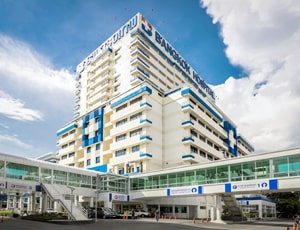
Bangkok Hospital

Bangkok Hospital

Bangkok, Thailand

One of the most renowned and honoured hospital networks in Asia- Pacific is Bangkok Dusit Medical Se...more

FACILITIES

Phone in Room

Foreign Currency Exchange

Rehabilitation

Free Wifi

Joint Commission International, or JCI

Consult Online with World’s Best Norwood Procedure

View All Doctors
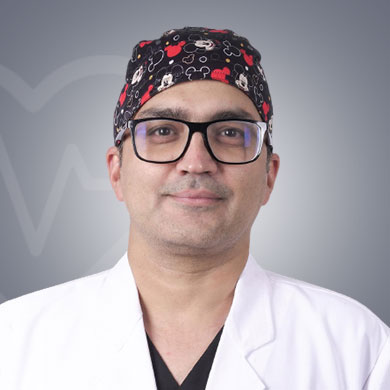
Dr. Ashish Katewa
Dr. Ashish Katewa

Pediatric Cardiac Surgeon

Faridabad, India

15 of experience

USD  40 for video consultation

Frequently Asked Questions

Q: What is the Norwood heart surgery survival rate?

A: The chances of survival after Norwood procedure are almost 80 percent.

Q: Is Norwood procedure necessary?

A: This procedure is absolutely necessary for babies with single ventricular circulation for survival.

Q: Is Norwood heart surgery a minimally invasive procedure?

A: No, it is an open heart surgery.

Q: How does heart pumps during the surgery?

A: During the surgery, the body of the baby is connected to a heart-lung bypass machine for normal circulation.

Explore Top Hospitals Worldwide for Norwood Procedure

Explore Top Hospitals for Norwood Procedure

Author

Tanya Bose

MSc Biotechnology

2.5 Years of Experience

Tanya Bose is a medical content specialist with a strong medical background. She has completed her Bachelor's and Master’s in Biotechnology from Amity University. With a deep understanding of biomedical sciences and research, she develops authoritative and patient-focused medical content covering treatments, surgical procedures, and healthcare innovations. Her writing emphasizes accuracy, clarity, and evidence-based information to help readers better understand complex medical topics. She is dedicated to improving patient awareness and supporting informed healthcare decisions by delivering trustworthy medical insights in a clear and accessible format. . View More

Reviewer

Dr. Naresh Kumar Goyal

Cardiologist

21 Years of Experience

Dr. Naresh Kumar Goyal is highly trained as a cardiologist with exposure in virtually all aspects of cardiology. He qualified with an MD in internal medicine in 1999 from SMS Medical College, Jaipur, and served in the Cardiology Department as an honorary resident. From this stage, he also started with training in the temporary pacing of the pacemaker as well as interventional services. View More