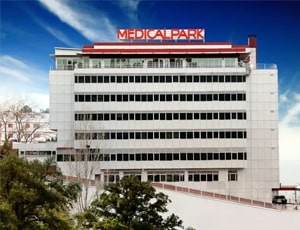
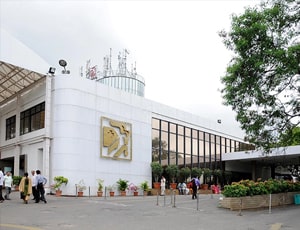
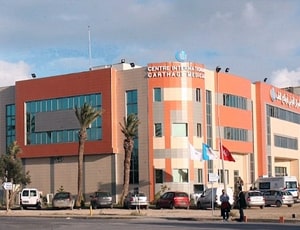
The Cardiovascular Surgery Department at Medicana International Samsun offers state-of-the-art diagnosis and treatment methods in the surgical management of cardiovascular diseases to patients ranging from neonates to adults, as well as a strong physician staff and infrastructure outfitted with cutting-edge technology. The Cardiology Department offers a wide range of services, including preventive cardiology, advanced diagnostic methods, coronary interventional procedures, and the most complex electrophysiological studies and advanced cardiac imaging methods.
Electrocardiography, rhythm and tension (Ambulatory) Holter, coronary computerized tomography (with Multislice CT 128 slice), Cardiac MR, Myocardial Perfusion Scintigraphy (Thallium Scan), Angiography, and Right and Left Cardiac Catheterization are among the diagnostic techniques available in the hospital's cardiology department. Hospitals use procedures such as open heart surgery and minimally invasive heart surgery to treat septal defects, heart rhythm issues, congenital heart anomalies, heart valve diseases, and other conditions.

NMC Royal Hospital offers all patients a cutting-edge, world-class healthcare experience. Emergency Medicine and Critical Care in Cardiology are available at the hospital. The hospital is outfitted with cutting-edge technology, and its medical staff is well-versed in the best global healthcare practices. Over the last 20 years, NMC Healthcare has been doing ground-breaking work in cardiology and cardiac surgery. Surgeons are recognized all over the world for their innovative approaches, which they have refined through routine cardiac procedures.
The ultramodern 24-hour Cardiac unit provides adult heart care services such as Coronary, Structural, and Peripheral vascular diseases, electrophysiology, and device therapies. ICUs (Intensive Care Units) are managed and monitored around the clock. The hospital has an excellent cardiac rehabilitation program that focuses on post-operative care for cardiac patients following procedures such as Atrial Septal Repair. Dr. Carl B. Kapadia, Dr. Jairam K. Aithal, and Dr. Jaoudat Yazbek are some of the cardiac specialists at NMC Royal Hospital.

Medicana International Ankara Hospital stands out for its comprehensive diagnostic and treatment services in organ and tissue transplantation, radiation oncology, medical oncology, cardiology, cardiovascular surgery, and other fields. To help patients recover, the hospital's specialist cardiologists use cutting-edge technologies such as the MitralClip for mitral regurgitation, implant pacemakers, perform coronary interventions, and treat all heart and valve diseases, arrhythmia, coronary artery diseases, heart valve diseases, heart failure, and hypertension.
Electrocardiogram, Telecardiogram, Echocardiography, Holter monitoring, Cardiac stress (treadmill) test, Cardiac MRI, Cardiac CT, Conventional cardiac catheterization, and angiography are among the diagnostic techniques available at the hospital. At the hospital, procedures such as coronary bypass surgery and minimally invasive heart surgery are used to treat septal defects, heart rhythm problems, congenital heart anomalies, heart valve diseases, and other conditions. Hakkı Serkan Şahin and Prof. Neyyir Tuncay Eren are the cardiovascular surgeons at the hospital.


The Cardiac Surgery Department at LLH Hospital in Abu Dhabi has a team of top-notch cardiac and thoracic surgeons who create personalized treatment plans to guarantee a safe and effective surgery to treat the full range of heart diseases like atrial septal defects and have in-depth experience with most of the heart procedures currently available.
Adult and pediatric patients with acquired or congenital heart problems receive individualized and compassionate care in this department. The department operates on both adults and children and specializes in all aspects of cardiac surgery. Heart valve surgery, mechanical assistance, aortic valve, aortic aneurysm surgery, coronary vascularization, heart transplant, and complex heart valve treatments are among the many surgical services provided by the departments. Dr. Joseph Kurian, Dr. Vivek Gupta, and Dr. Jose John are some of the cardiac surgeons at the hospital.


Ask your healthcare adviser for the best multiple options and choose the one that meets your expectations

| Speciality | Cardiac Sciences |
| Procedure | Atrial Septal Defect (ASD) Repair |
| Success Rate | 90-95% |
| Recovery Time | 2 to 4 weeks |
| Treatment Time | 2 - 2.5 hours |
| Chances of Recurrence | 4 - 6% |
ASD Repair is a surgical procedure used to repair a hole in the atrial septum, the wall that separates the upper chambers of the heart. The defect is closed with sutures or a patch during the procedure. It can be done with open-heart surgery or with minimally invasive techniques like cardiac catheterization.
Atrial Septal Defect (ASD) Repair is primarily used to treat atrial septal defects, which are congenital heart conditions characterized by abnormal openings between the atria. These defects can lead to the mixing of oxygenated and deoxygenated blood, potentially causing strain on the heart and lungs. The procedure helps restore proper blood flow and relieves related symptoms by fixing the defect.
After Atrial Septal Defect (ASD) Repair, the recovery period varies based on the surgical technique used and the patient in question. Patients should typically anticipate spending a few days in the hospital following the procedure. Medication may be prescribed to manage pain and prevent infection. Physical activity and strenuous exercise should be limited for several weeks, and follow-up appointments will be scheduled to monitor healing and overall cardiac health. With proper care and adherence to the recommended recovery guidelines, most patients can resume normal activities within a few months.
| Doctor Name | Cost | Book Appointment |
|---|---|---|
| Dr. Bikram K Mohanty | 35 USD | Book Now |
| Dr. Vichai Benjacholamas | 81 USD | Book Now |
| Dr. Juli Carballo | 833 USD | Book Now |
| Dr. Amit Malik | 23 USD | Book Now |
.jpg)
An Atrial Septal Defect (ASD) is a congenital heart defect characterised by an opening, or hole, in the septum separating the two upper chambers (atria) of the heart